Protein chips have exploded in popularity as a savory, crunchy snack that fits high-protein, low-carb, and healthier lifestyles. But if you've ever flipped over a bag and stared at the ingredient list, you might wonder: what exactly are protein chips made of? Unlike traditional potato chips, which are mostly starch and oil, protein chips are engineered to deliver a significant protein boost while keeping carbs and fats in check. This complete ingredient breakdown will demystify the protein chips ingredients you'll find in the best options on the market.
From the protein base to the fiber sources, seasonings, and cooking methods, we'll cover everything you need to know to make an informed choice. Whether you're following a keto diet, counting macros, or simply looking for a healthy chip alternative that doesn't sacrifice taste, understanding what goes into your snack is the first step. Let's dive into the science and ingredients behind protein chips.
The Protein Base: What Gives Protein Chips Their Protein Punch?
The primary ingredient that sets protein chips apart from regular chips is, of course, the protein source. Most protein chips use a blend of protein isolates and concentrates to achieve a high protein content per serving. The most common protein bases include whey protein isolate, soy protein isolate, pea protein, and sometimes egg white protein. Whey protein isolate is popular because it's a complete protein, meaning it contains all nine essential amino acids, and it's quickly absorbed by the body. Soy protein isolate is another complete plant-based option that's often used in vegan-friendly chips. Pea protein is a rising star in the plant-based world, offering a good amino acid profile and a neutral flavor that doesn't overpower seasonings.
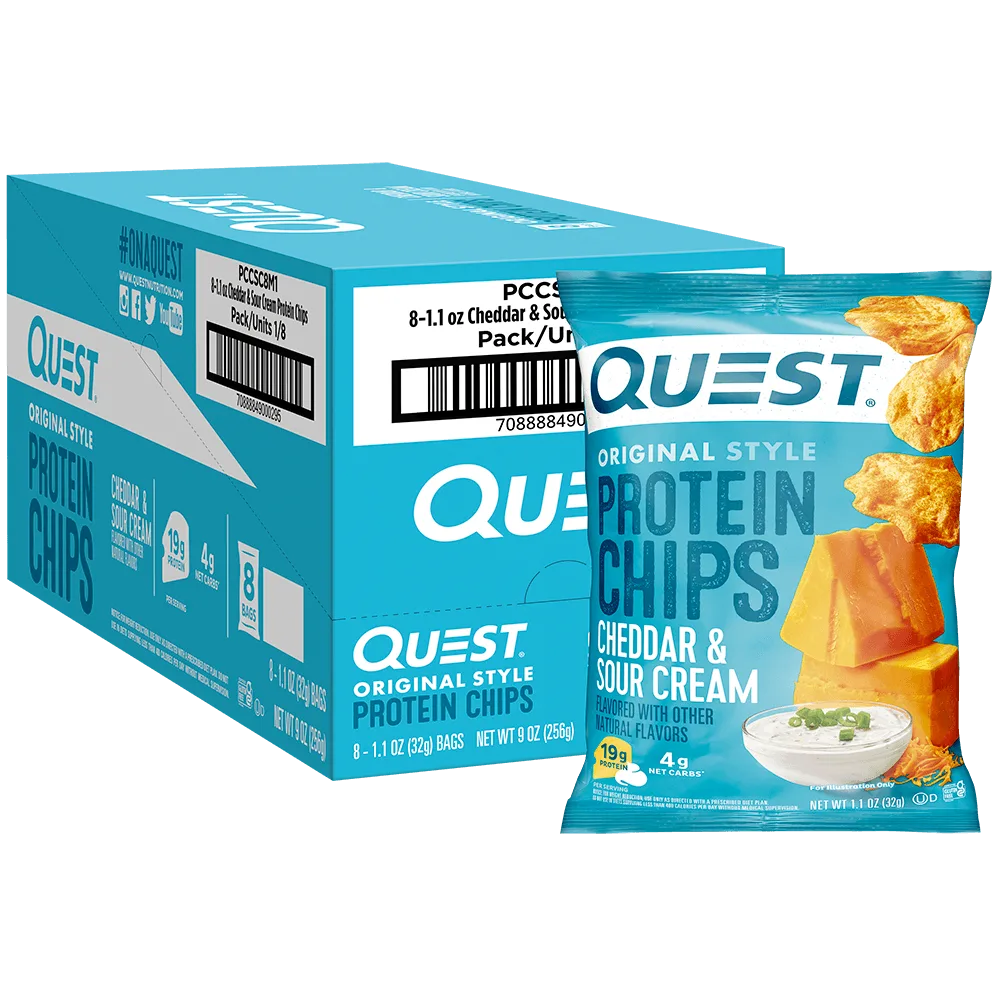
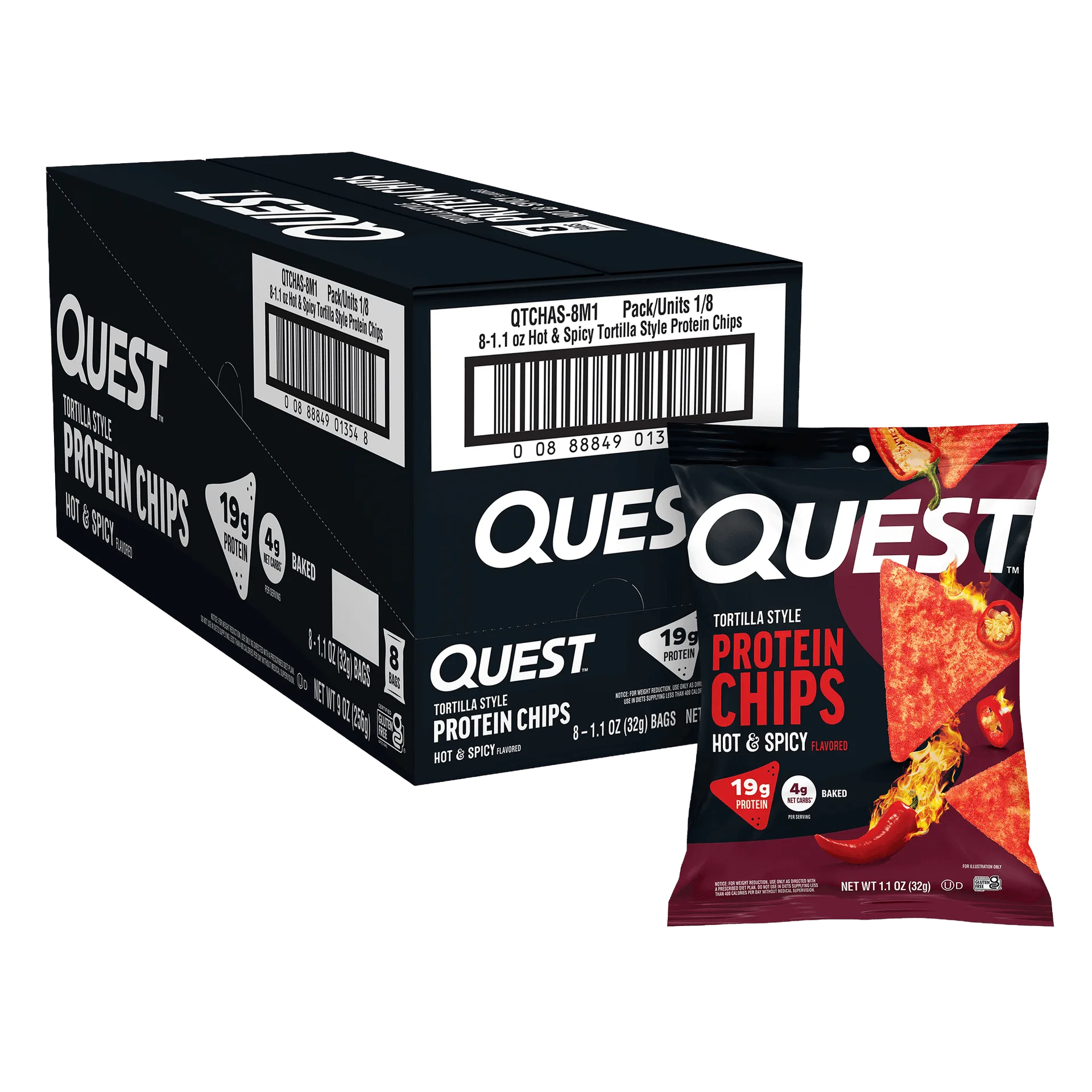
The amount of protein per serving varies widely among brands. For example, a typical bag of Quest Nutrition's https://questnutritionshop.com/products/spicy-protein-chips-variety-pack-38367Spicy Protein Chips Variety Pack delivers around 19 grams of protein per serving, thanks to a blend of milk protein isolate and whey protein concentrate. This high protein content makes them a satisfying snack that can help curb hunger and support muscle repair after workouts. When comparing protein chips, always check the protein grams per serving and the source—some cheaper brands may use lower-quality protein that's less bioavailable.
- Whey protein isolate: fast-absorbing, complete protein, great for post-workout.
- Pea protein: plant-based, hypoallergenic, and blends well with other ingredients.
- Soy protein isolate: vegan, complete, but some people prefer to avoid soy due to allergies or GMO concerns.
The Carbohydrate and Fiber Component: Keeping Carbs Low
One of the main selling points of protein chips is their low net carb count, which is achieved by replacing high-carb starches with fiber-rich alternatives. Instead of potato starch or corn flour, protein chips often use ingredients like tapioca fiber, soluble corn fiber, or oat fiber. These fibers add bulk and texture without spiking blood sugar, and they contribute to the chip's crunch. Soluble corn fiber, for example, is a prebiotic fiber that supports gut health and has a minimal impact on net carbs. Tapioca fiber is another common choice that helps create a light, crispy texture similar to traditional chips.
The net carb calculation (total carbs minus fiber and sugar alcohols) is key for those on keto or low-carb diets. A serving of protein chips typically has 3-5 grams of net carbs, compared to 15-20 grams in regular potato chips. This makes them an excellent healthy chip alternative for anyone watching their carbohydrate intake. Some brands also add a small amount of sugar alcohols like erythritol or allulose to enhance flavor without adding significant carbs. These sweeteners are generally well-tolerated and don't cause the same blood sugar spikes as sugar.
- Tapioca fiber: provides crunch, low net carbs, and a neutral taste.
- Soluble corn fiber: prebiotic, helps lower net carbs, and improves texture.
- Oat fiber: high in insoluble fiber, adds bulk and crispiness.
Fats and Oils: The Crunch Factor and Flavor Carriers
Fats are essential for achieving that satisfying crunch and carrying savory flavors in protein chips. Unlike deep-fried potato chips, most protein chips are baked or air-fried, using a small amount of oil to achieve texture without excessive calories. Common oils include sunflower oil, avocado oil, palm oil, and canola oil. Avocado oil is a popular choice because it has a high smoke point, a neutral flavor, and is rich in heart-healthy monounsaturated fats. Sunflower oil is another common option, though it's higher in omega-6 fatty acids, so moderation is key. Some premium brands use coconut oil for a unique flavor and medium-chain triglycerides (MCTs) that may support energy metabolism.
The total fat content in protein chips is typically lower than in regular chips—around 6-10 grams per serving versus 10-15 grams. However, the fat profile is often better, with less saturated fat and no trans fats. When reading labels, look for chips made with oils that are minimally processed and free from hydrogenated fats. The fat also helps the seasoning stick to the chip, so a well-formulated chip will have a balanced oil content that doesn't leave a greasy residue.
- Avocado oil: high in monounsaturated fats, great for baking, neutral taste.
- Sunflower oil: common, affordable, but watch for high omega-6 content.
watch
- Coconut oil: adds a subtle sweetness, contains MCTs, but can be higher in saturated fat.
Seasonings and Flavorings: How Protein Chips Get Their Taste
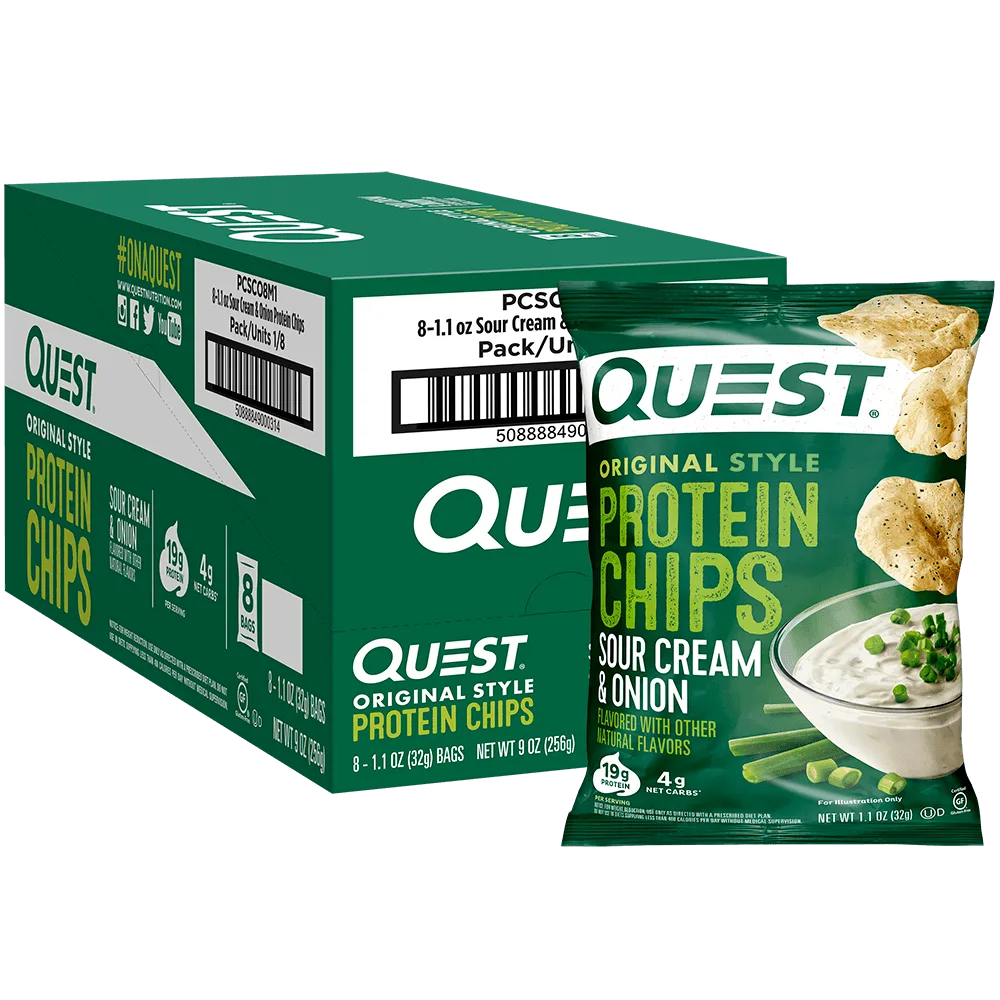
The flavor of protein chips comes from a combination of natural and artificial seasonings, spices, and sometimes cheese powders. For example, the https://questnutritionshop.com/products/pizza-tortilla-style-protein-chips-38351Pizza Tortilla Style Protein Chips use a blend of tomato powder, garlic, onion, oregano, and cheese cultures to replicate the taste of pizza. Other popular flavors like BBQ, sour cream and onion, and nacho cheese rely on similar seasoning blends. Many brands are moving toward cleaner labels, using natural flavors and avoiding artificial colors or preservatives. However, some chips still contain monosodium glutamate (MSG) or yeast extract for umami depth—both are generally recognized as safe but may be a concern for sensitive individuals.
It's also worth noting that protein chips often contain a small amount of salt, but usually less than traditional chips. A serving of regular potato chips can have 150-200 mg of sodium, while protein chips typically have 100-150 mg. If you're watching your sodium intake, compare labels. The best protein chips balance flavor with nutrition, so you don't feel like you're eating a bland diet food. For a sweet-savory twist, some brands offer flavors like chocolate or cinnamon, but those are less common in the chip category.
- Natural flavors: derived from spices, herbs, or fruits, no artificial additives.
- Cheese powders: add protein and flavor, but check for added fillers.
- Yeast extract: a natural source of umami, often used in vegan cheese flavors.
Texture and Structure: How Protein Chips Achieve That Crunch
Creating a crunchy chip from protein powder and fiber is no small feat. The texture of protein chips depends on the cooking method and the specific blend of ingredients. Most protein chips are baked, not fried, which reduces fat content but requires careful formulation to avoid a dry or chalky texture. Some brands use a process called extrusion, where the dough is forced through a die and then quickly baked, creating a light, airy crunch. Others use a sheeting method, where the dough is rolled thin and cut into chip shapes before baking. The result is a chip that snaps when you bite into it, similar to a tortilla chip or potato chip.
The inclusion of starches like potato starch or cornstarch in small amounts can help improve texture without adding many carbs. Some brands also add a small amount of leavening agents like baking soda to create air pockets, making the chip lighter. The key is to achieve a balance where the chip is sturdy enough to dip into salsa or guacamole without falling apart, yet crispy enough to satisfy a chip craving. The best protein chips, like the Spicy Protein Chips Variety Pack, manage to deliver that satisfying crunch while still being high in protein.
- Baking: lower fat, requires precise moisture control to avoid sogginess.
- Extrusion: creates uniform shapes and a light, crunchy texture.
- Sheeting: mimics traditional chip production, gives a more natural chip feel.
Nutritional Comparison: Protein Chips vs. Regular Potato Chips
To truly understand what protein chips are made of, it helps to compare them side by side with regular potato chips. A standard 1-ounce serving of potato chips contains about 150 calories, 10 grams of fat, 15 grams of carbs (with little to no fiber), and 2 grams of protein. In contrast, a 1-ounce serving of protein chips typically has 120-140 calories, 4-7 grams of fat, 10-15 grams of carbs (but 5-10 grams of fiber), and 15-20 grams of protein. That's a massive protein advantage with fewer calories and better macros. The fiber content also makes protein chips more satiating, so you're likely to eat fewer total chips.
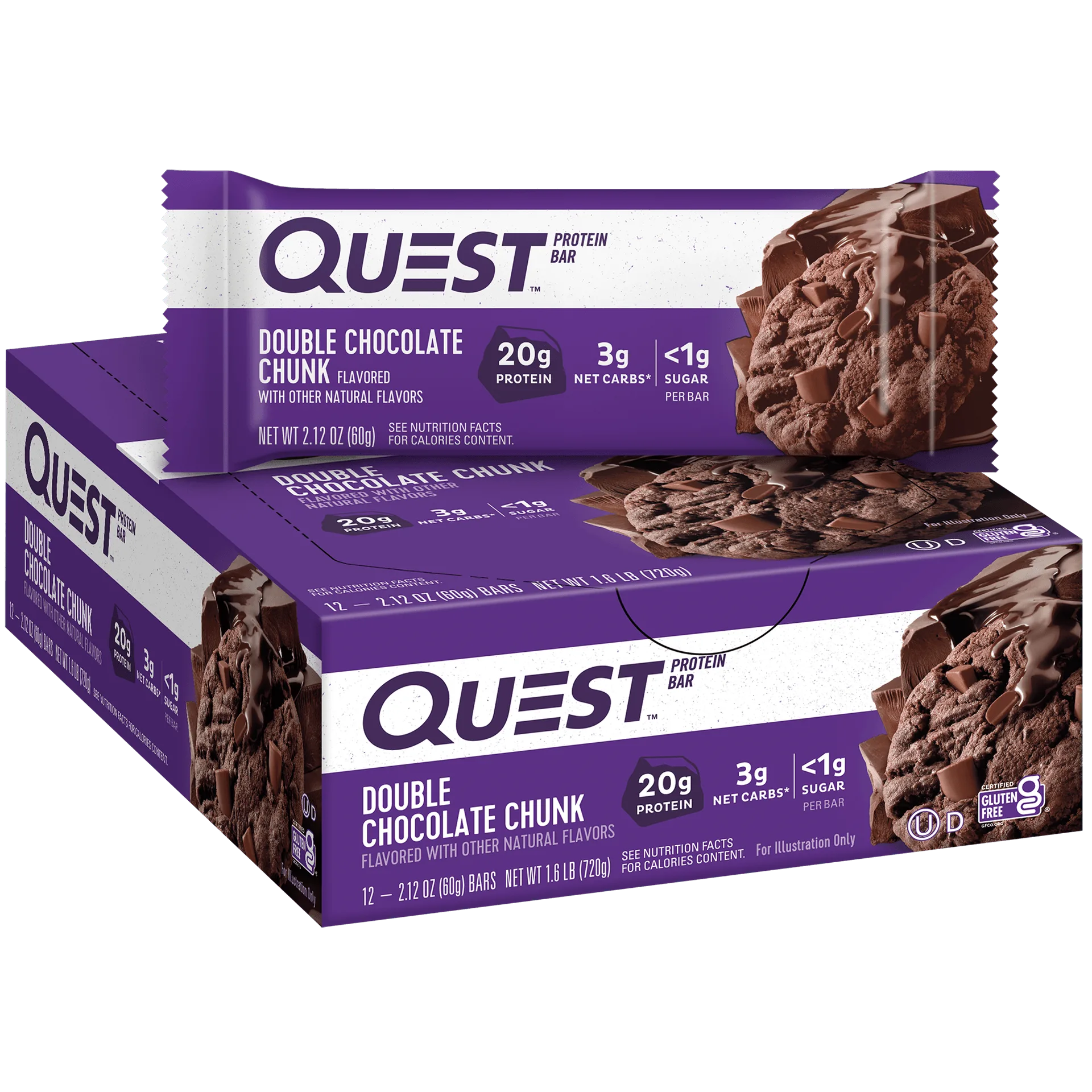
For those tracking net carbs, the difference is even more striking: regular chips have 15 grams of net carbs, while protein chips often have just 3-5 grams. This makes protein chips a superior choice for keto, low-carb, and diabetic-friendly diets. Additionally, protein chips are typically free from artificial trans fats and use healthier oils. While no chip is a health food per se, protein chips are a clear winner for anyone looking to increase protein intake without sacrificing the joy of a crunchy snack. The Quest Nutrition Chocolate Peanut Butter Crispy Hero Protein Bars are another example of a high-protein snack that uses similar ingredient principles, though in bar form.
- Protein chips: 15-20g protein, 3-5g net carbs, 120-140 calories per serving.
- Regular chips: 2g protein, 15g net carbs, 150 calories per serving.
- Fiber in protein chips: 5-10g vs. 0-1g in regular chips.
Understanding what protein chips are made of empowers you to choose snacks that align with your health goals without giving up flavor or crunch. From whey and pea protein to fiber-rich bases and smart oil choices, the best protein chips are carefully formulated to deliver nutrition and satisfaction. If you're ready to try a top-rated option, explore the Spicy Protein Chips Variety Pack for a bold, crunchy experience that fits your macros perfectly.