Creatine is one of the most researched and widely used supplements in sports nutrition. Yet, despite its popularity, many misconceptions surround it. If you've ever wondered what creatine actually does, whether it's safe, or if it's worth adding to your routine, you're in the right place.
In this guide, we'll break down the science-backed benefits of creatine, discuss potential side effects, and debunk common myths so you can make an informed decision. Plus, we'll show you how to pair it with other supplements for optimal performance.
What Is Creatine and How Does It Work?
Creatine is a naturally occurring compound found in muscle cells. It helps your muscles produce energy during high-intensity, short-duration activities like weightlifting, sprinting, or HIIT. Your body makes creatine from amino acids, and you also get it from foods like red meat and seafood.
When you supplement with creatine, you increase your muscles' phosphocreatine stores. This allows you to regenerate ATP—the primary energy currency of cells—more quickly. The result? Improved performance in explosive movements, greater strength gains over time, and increased muscle volume.
- Creatine monohydrate is the most studied and effective form.
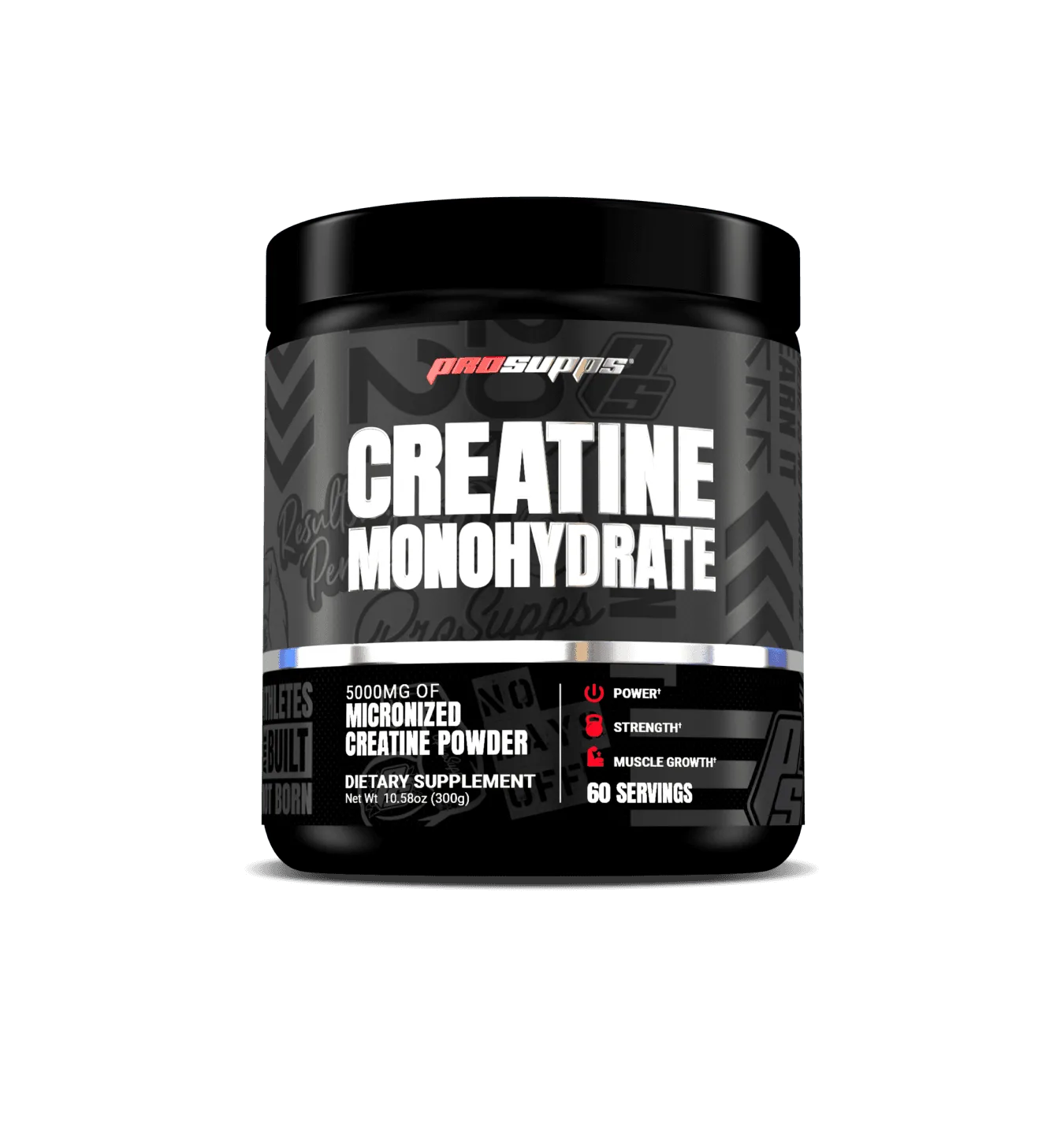
Creatine monohydrate
- It works best when combined with resistance training.
Top Creatine Benefits: Muscle, Strength, and More
The most proven benefit of creatine is its ability to enhance strength and power output. Numerous studies show that creatine supplementation, when combined with resistance training, leads to greater gains in lean muscle mass and maximal strength compared to training alone. It also improves performance in repeated sprints and high-intensity intervals.
Beyond performance, creatine supports muscle recovery and may reduce muscle damage after intense workouts. It also promotes cell hydration, giving muscles a fuller appearance. Emerging research suggests potential cognitive benefits, such as improved memory and brain function, especially during sleep deprivation or stressful situations.
- Increased strength and power output
- Enhanced muscle growth and recovery
- Improved anaerobic endurance
- Possible cognitive benefits
Are There Any Side Effects?
Creatine is generally safe for healthy individuals when taken at recommended doses. The most common side effect is water retention, which is harmless and often seen as a benefit for muscle fullness. Some people experience gastrointestinal discomfort, especially if they take too much at once or don't drink enough water.
There are myths that creatine damages kidneys or causes cramping, but research does not support these claims in healthy individuals. However, if you have pre-existing kidney issues, it's always wise to consult a healthcare professional before starting any supplement.
- Start with a lower dose to avoid stomach upset.
- Stay well-hydrated throughout the day.
- Consult your doctor if you have kidney concerns.
Debunking Common Creatine Myths
Myth #1: Creatine is a steroid. This is false. Creatine is a natural compound found in your body and food. It is not a hormone and does not have the same effects as anabolic steroids.
Myth #2: Creatine causes muscle cramps and dehydration. Studies show no link between creatine and cramps or dehydration. In fact, creatine may help maintain hydration by pulling water into muscle cells.
Myth #3: Creatine is only for bodybuilders. While bodybuilders use it, creatine benefits anyone involved in high-intensity sports, including athletes, recreational gym-goers, and even older adults looking to preserve muscle mass.
- Creatine is not a steroid—it's a natural compound.
- It does not cause cramps or dehydration when used properly.
- It's beneficial for a wide range of athletes, not just bodybuilders.
How to Use Creatine Effectively
The most common protocol is a loading phase of 20 grams per day for 5–7 days, followed by a maintenance dose of 3–5 grams daily. However, a loading phase is not mandatory; you can simply take 3–5 grams daily and achieve full saturation within a few weeks.
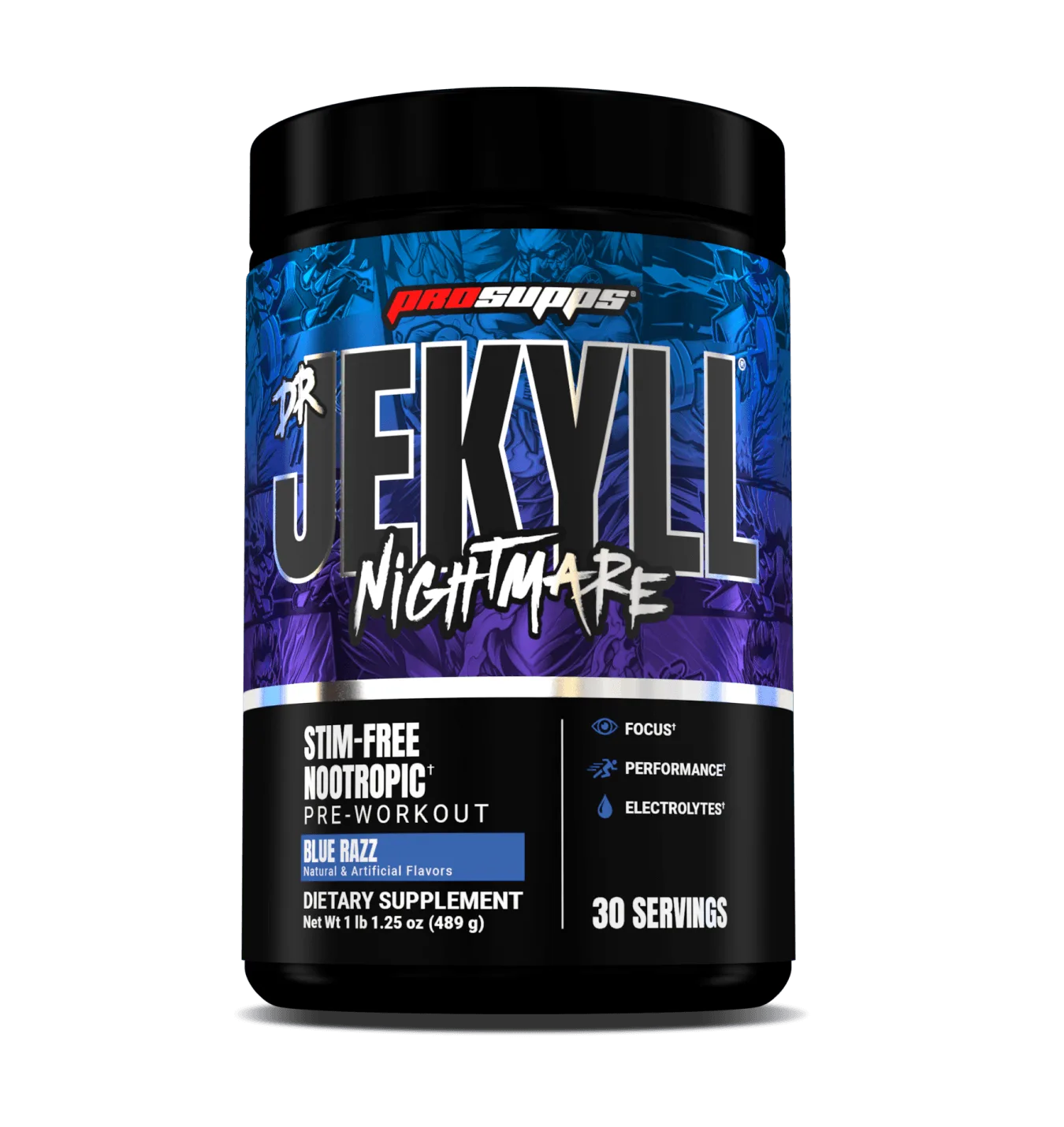
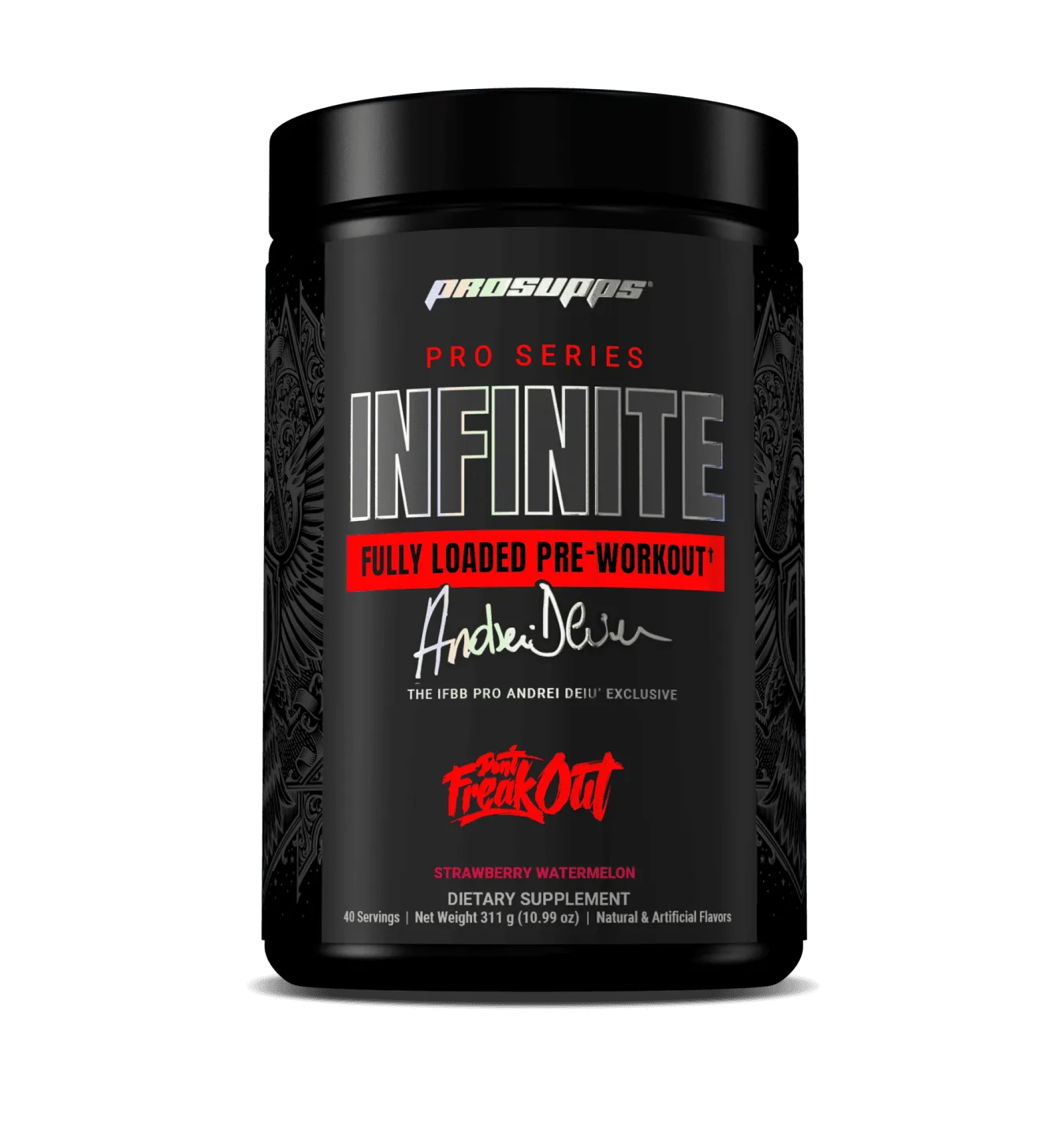
For best results, take creatine consistently, ideally around your workout. Many people mix it with their pre-workout or protein shake. If you're looking to stack it, consider pairing creatine with a quality pre-workout like Pro Series Infinite Fully Loaded Pre-Workout to maximize your training intensity, or use a stim-free option like Dr. JEKYLL Nightmare if you train in the evening.
- Consistency matters more than timing.
- A loading phase is optional.
- Combine with a pre-workout for synergistic effects.
Creatine and Your Supplement Stack
Creatine works well with many supplements. Pairing it with protein powder can support muscle repair and growth. For a comprehensive approach, you might combine creatine with a pre-workout for energy and focus, and a recovery supplement post-workout.
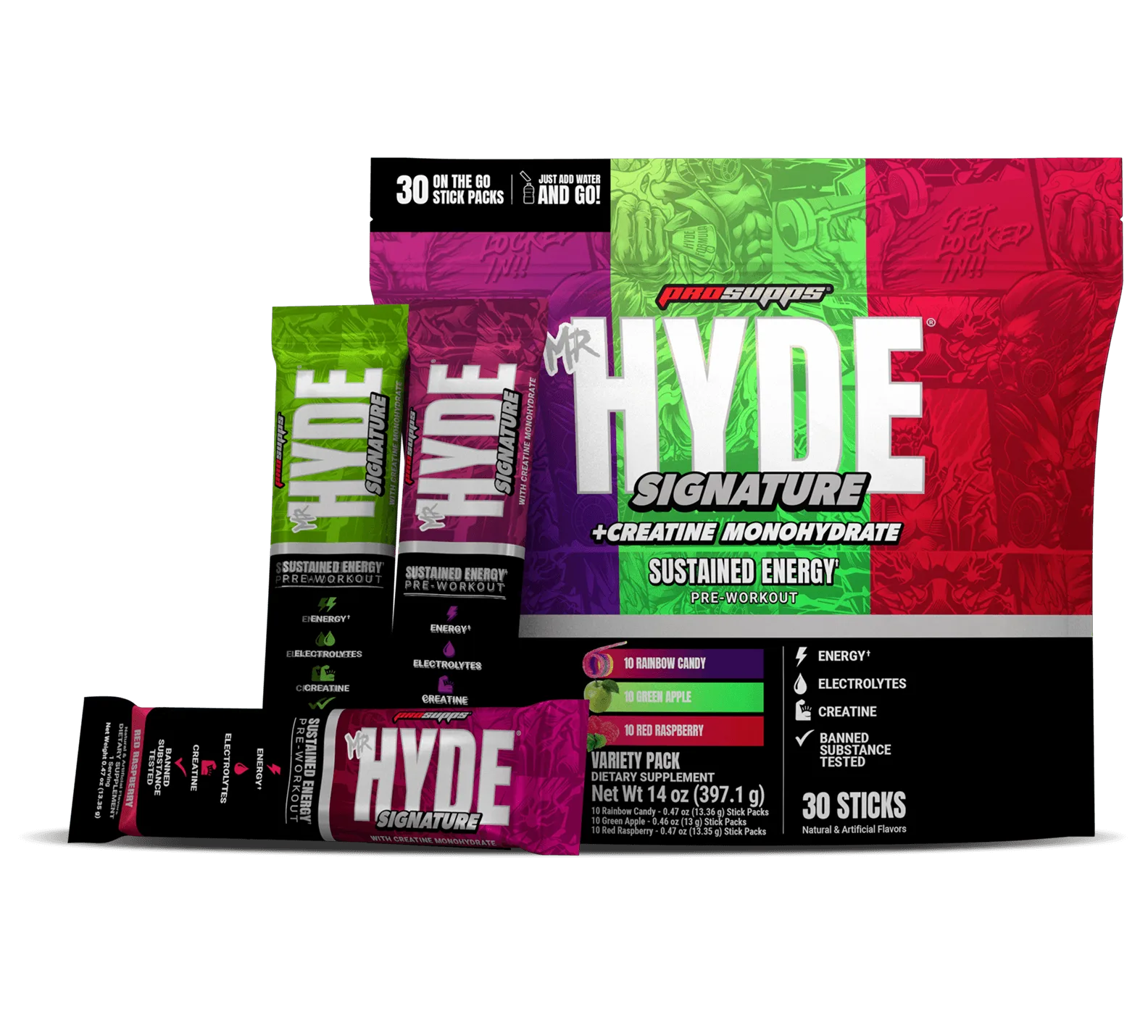
If you're new to supplements, start with creatine and a solid pre-workout. For example, Mr. Hyde Signature 30 Stick Pack Bag offers a convenient way to get a powerful pre-workout dose, while creatine ensures your muscles are primed for performance. Always follow the recommended dosages and listen to your body.
- Protein + creatine: a classic combo for muscle growth.
- Pre-workout + creatine: boosts energy and strength.
- Recovery supplements + creatine: enhances repair.
Creatine is a safe, effective, and well-researched supplement that can significantly enhance your strength, muscle mass, and exercise performance. By understanding its benefits, potential side effects, and debunking myths, you can confidently decide if it's right for you. Remember to stay hydrated and consult a professional if you have health concerns. Ready to elevate your training? Explore our range of high-quality supplements to support your goals.