Quick answer
Denier (abbreviated 'den') is a unit that measures the thickness of the yarn used in tights. The higher the denier, the thicker and more opaque the fabric. Low denier (like 10-20) is sheer and lightweight; high denier (like 60-80) is opaque and warmer. For most everyday wear, a 60 denier offers a balance of coverage and comfort.
If you've ever shopped for tights, you've probably seen numbers like 20, 40, or 80 on the packaging. These numbers refer to denier, a measure that tells you how thick the yarn is. Understanding denier helps you pick the right tights for the weather, the occasion, and the look you want.
In this guide, we'll break down what denier means, how it relates to opacity, and how to choose the best denier for your needs. We'll also highlight a few Heist styles that show the range of options available.
What Is Denier in Tights?
Denier is a unit of measurement that indicates the thickness of the individual threads used to knit the tights. It's based on the weight of the yarn: a 1 denier thread weighs 1 gram per 9,000 meters. In practice, the higher the denier, the thicker and heavier the fabric.
For tights, denier directly affects opacity and warmth. Low denier tights (around 10-20) are sheer and lightweight, often used for formal occasions or warm weather. Mid-range denier (30-50) offers a semi-sheer look that's versatile. High denier (60 and above) is opaque and provides more warmth, making it suitable for cooler months or more durable everyday wear.
Denier vs. Opacity: What's the Difference?
Opacity refers to how see-through the fabric is. While denier is a key factor, it's not the only one. The knit structure, yarn type, and finish also influence how opaque tights appear. For example, a 50 denier tight might look more opaque than a 60 denier if it's knit more tightly or uses a different yarn.
When choosing, think about the level of coverage you want. Sheer tights (low denier) show skin and are great for evening wear. Semi-sheer (mid denier) offer a hint of color while still being breathable. Opaque (high denier) provide full coverage, making them ideal for work or colder days.
How to Choose the Right Denier
Consider the occasion, season, and your comfort. For a formal event or summer outfit, a low denier (15-20) gives an elegant sheer finish. For office wear or transitional seasons, a mid denier (40-50) strikes a balance. For winter or when you want full coverage, a high denier (60-80) is your best bet.
Also think about durability. Higher denier tights are generally more ladder-resistant and longer-lasting. If you're prone to snags, you might prefer a higher denier. However, lower denier tights can be more breathable and comfortable in warm weather.
Denier Cheat Sheet
10-20 denier
Sheer and lightweight. Best for formal occasions or warm weather. Offers minimal coverage and breathability. Choose for elegance and comfort in heat.
30-40 denier
Semi-sheer. Versatile for work or casual wear. Provides a subtle sheen while still showing skin. A good middle ground for most seasons.
50-60 denier
Opaque or semi-opaque. Great for everyday wear, offering more coverage and warmth. Ideal for office or cooler days.
70+ denier
Fully opaque and warm. Best for winter, outdoor activities, or when you need maximum durability. Choose for warmth and longevity.
Heist Tights and Their Denier
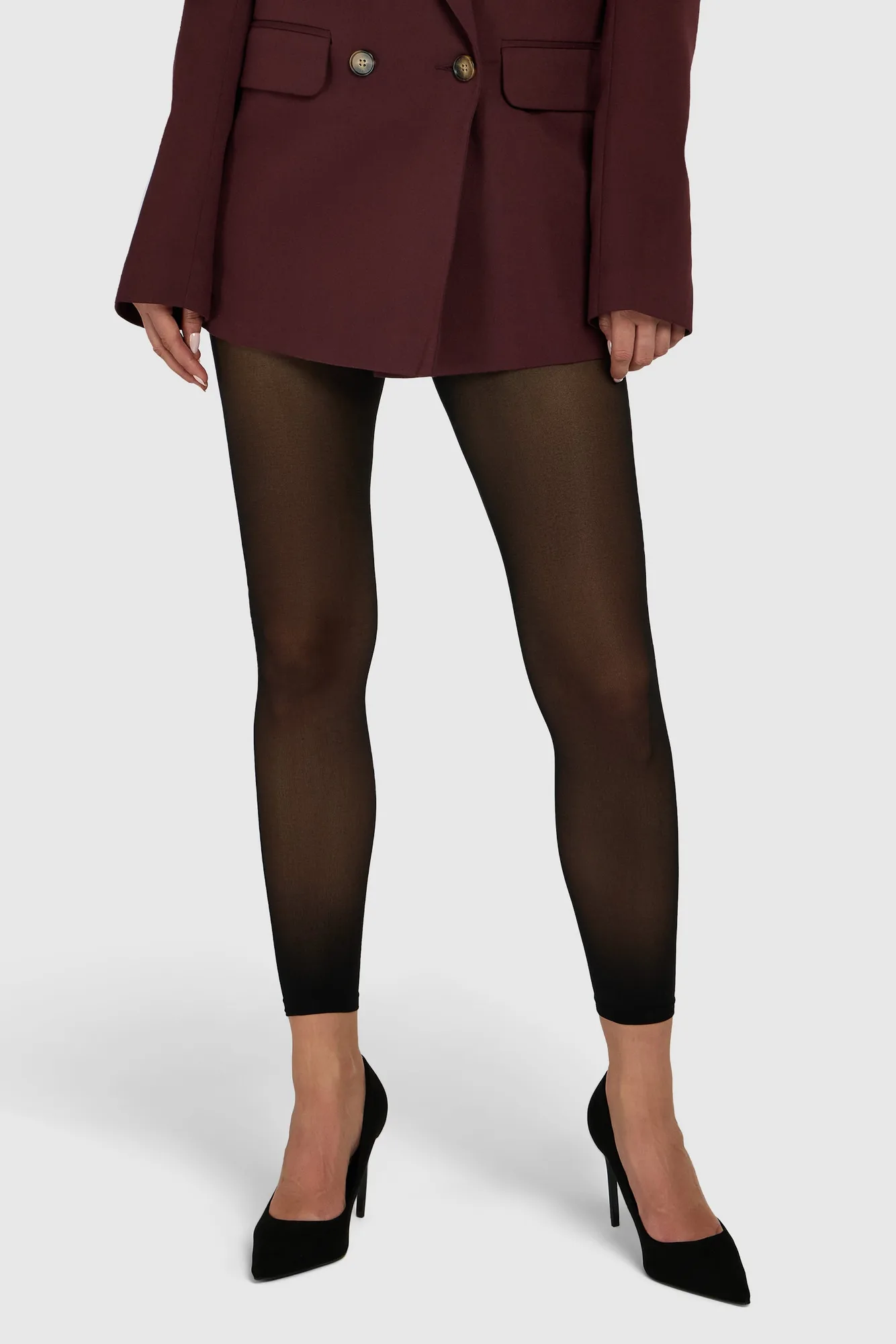
- The Thirty-Five Cut-Off Footless Tights Black: 35 denier, semi-sheer, seamless and gusset-free — and footless. Knit in Italy from 68% Q-Nova® by Fulgar recycled polyamide and 32% elastane, ladder-resistant. The 35 denier offers a semi-sheer look that's still durable. The footless design makes it perfect under boots, and the ladder-resistant knit adds longevity.
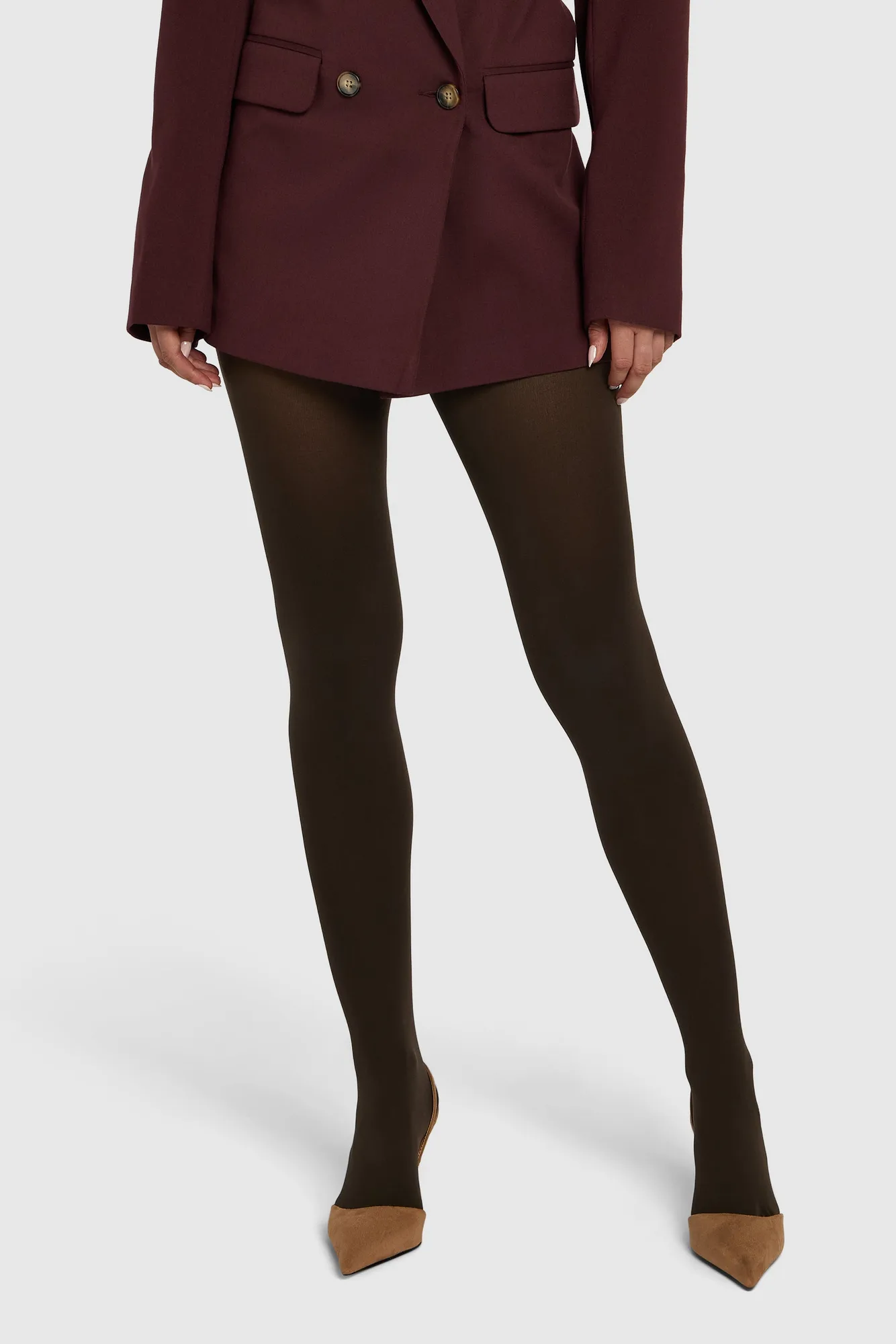
- https://heist-studiosenh.com/products/brown-tights-sixty-opaque-49bdce91e1e5679e1d9ee313-1126750The Sixty Opaque Tights Chocolate Brown: Flawless and opaque, our 60 deniers are a bestseller for a reason. Made from recycled yarns, these super soft 60 denier tights are designed for all-day comfort. 60 denier is the sweet spot for opaque coverage and everyday wear. The recycled yarn adds sustainability without compromising on softness.
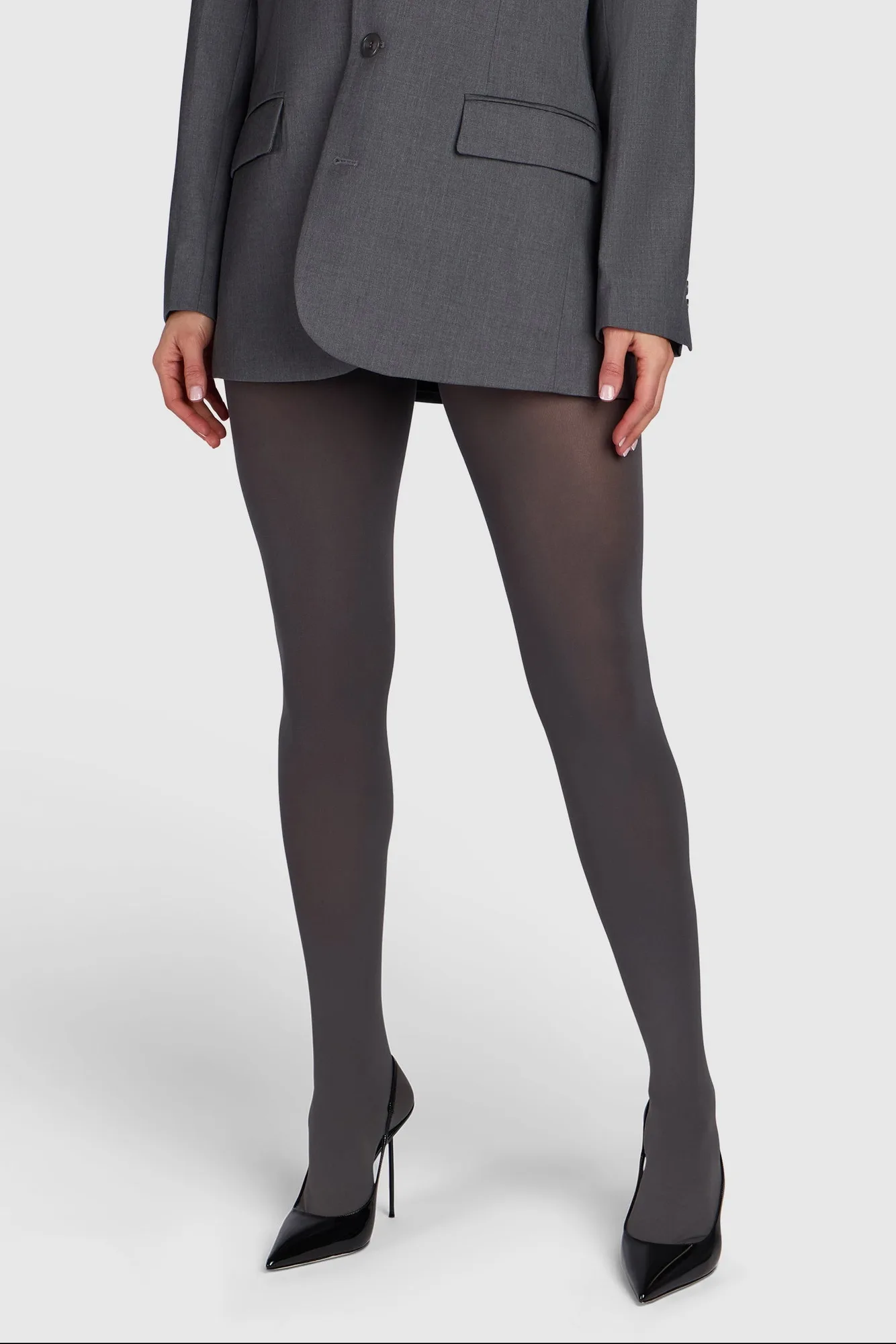
- https://heist-studiosenh.com/products/grey-tights-eighty-opaque-7855c76639b3fd05a19fa1b2-1126722The Eighty Opaque Tights: Thick black tights in 80 denier are the ultimate opaque option. Luxuriously thick, super-soft recycled yarn keeps the warmth in and the winter out. 80 denier provides maximum warmth and coverage, ideal for cold weather and long commutes. The thick yarn ensures durability and comfort.
Understanding denier takes the guesswork out of buying tights. Whether you prefer the sheer elegance of low denier or the cozy coverage of high denier, knowing what the numbers mean helps you choose the perfect pair for every outfit and occasion.