Quick answer
On a tea label, 'organic' means the tea was grown without synthetic pesticides, fertilizers, or genetically modified organisms, and it has been certified by an accredited body. Certification involves strict inspections and documentation. Whether organic tea is 'better' depends on your priorities: it often means fewer residues and more sustainable farming, but it can cost more and doesn't always guarantee superior taste.
Walk down any tea aisle and you'll see 'organic' on countless boxes. But what does that label actually guarantee? Many shoppers assume it simply means 'no pesticides,' yet the reality involves certification standards, inspection processes, and even differences between countries.
In this article, we answer the most common questions about organic tea labels—what they mean, how certification works, and whether choosing organic really makes a difference for your health and your cup.
What does 'organic' mean on a tea label?
When a tea is labeled 'organic,' it means the tea leaves were cultivated without synthetic pesticides, herbicides, fertilizers, or genetically modified organisms (GMOs). Organic farming also emphasizes soil health, water conservation, and biodiversity. But the label only appears after a certified body verifies that the entire production process—from soil to packaging—meets strict standards.
For example, Tipson's Organic Turmeric Vanilla & Cinnamon tea is part of a collection rooted in Ayurvedic tradition, featuring organic turmeric, ginger, lemon, and other natural herbs. The 'organic' claim signals that these ingredients were grown under certified organic conditions, not just harvested from wild plants.
- Check for a certification logo (like USDA Organic or EU Organic) rather than just the word 'organic.'
- Organic doesn't mean 'pesticide-free'—it means only approved natural pesticides are used.
How is organic tea certified?
Organic certification is a rigorous process. Farmers must apply to an accredited certifying agency, document their farming practices, and undergo annual inspections. Soil must be free of prohibited substances for a set period (usually three years) before crops can be certified. Tea processors and packagers also need certification to ensure no contamination occurs after harvest.
Different countries have different standards. For instance, the USDA Organic seal has specific requirements, while the EU Organic logo has its own. Some certifications also cover fair trade or sustainability, but these are separate from organic status. Always look for the specific seal to know what standard was met.
Is organic tea better for you?
Organic tea reduces your exposure to synthetic pesticide residues, which is a valid reason to choose it, especially if you drink tea daily. However, studies haven't conclusively proven that organic tea is nutritionally superior to conventionally grown tea. The health benefits of tea—antioxidants, amino acids, and other compounds—depend more on the plant variety and how the tea is processed.
That said, organic farming is generally better for the environment. It supports soil health, reduces water pollution, and protects farmworkers from chemical exposure. If those factors matter to you, the extra cost is justified. But if your main concern is taste, you may not notice a difference, as flavor is influenced by terroir and processing.
Organic tea vs. non-organic: what's the real difference?
The biggest differences are agricultural practices, residue levels, and price. Organic tea typically costs 20–50% more due to lower yields and certification costs. Non-organic tea may contain trace amounts of synthetic pesticides, but washing and brewing reduce residues. Many conventional teas still meet safety standards set by regulatory bodies.
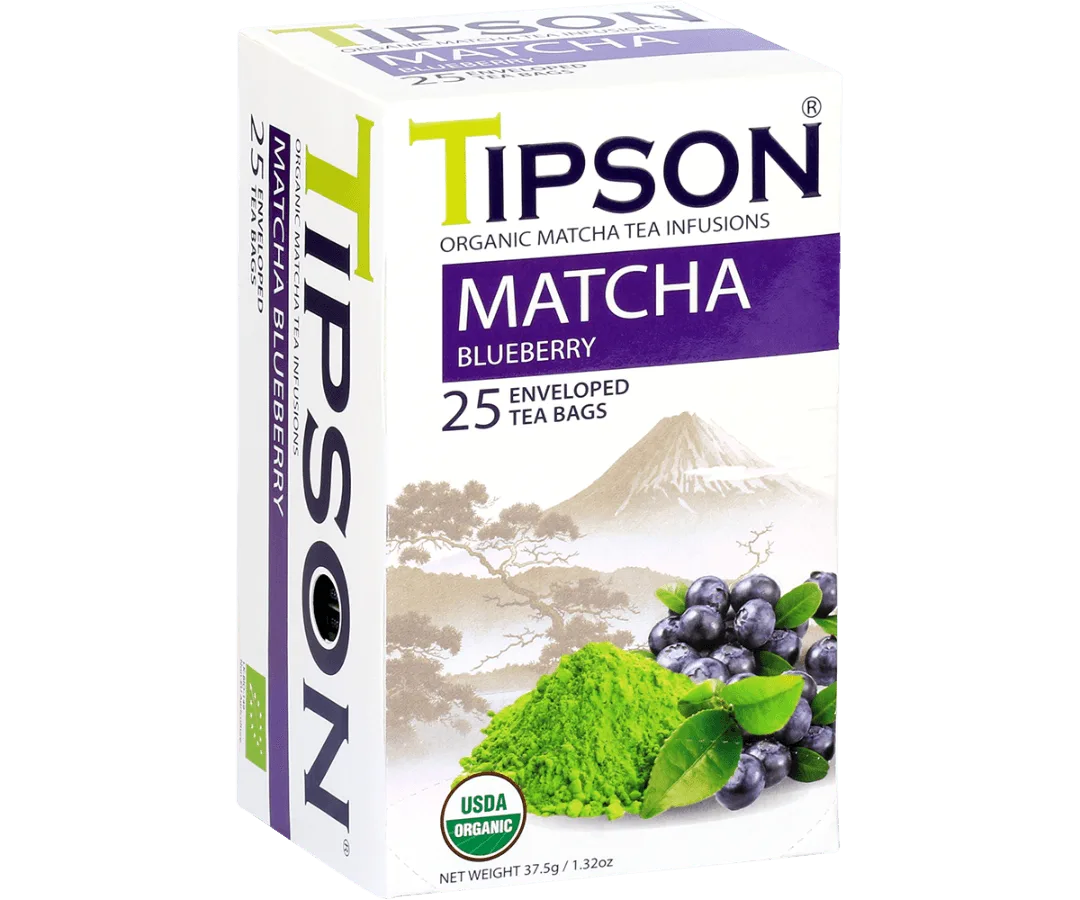
When you choose organic, you're also supporting a system that prioritizes long-term soil health. For example, Tipson's Organic Matcha Blueberry tea is part of a collection that highlights matcha's antioxidant benefits—and choosing organic matcha ensures the leaves weren't sprayed with synthetic chemicals, which matters because matcha is consumed as a whole leaf powder.
How can you verify an organic claim?
Look for a certification logo on the package, not just the word 'organic.' In the US, the USDA Organic seal is the gold standard. In the EU, look for the green leaf logo. Some brands also list the certifying agency on the label. If you're unsure, check the brand's website for their certification details.
Be cautious with terms like 'natural' or 'eco-friendly'—these are not regulated and don't guarantee organic practices. Only a certified organic label ensures compliance with official standards.
Quick answers to common organic tea questions
Does 'organic' mean pesticide-free?
No. Organic farming uses approved natural pesticides, but synthetic ones are prohibited. Trace residues may still occur from environmental drift. Organic reduces exposure but doesn't guarantee zero residues.
Is organic tea always more expensive?
Yes, typically. Certification costs and lower yields drive prices up, but you're paying for stricter farming standards. Budget accordingly or choose blends with fewer ingredients.
How do I know if a tea is truly organic?
Look for a certification logo (USDA Organic, EU Organic, etc.) on the package. If unsure, contact the brand. Trust seals, not just the word 'organic.'
Organic options worth considering
- Organic Turmeric Vanilla & Cinnamon - 25 Enveloped Tea Bags: This blend is part of Tipson's Turmeric Herbal Tea Collection, crafted with organic turmeric, ginger, lemon, and other natural herbs, rooted in Ayurvedic tradition. If you're looking for an organic tea that supports immunity and reduces inflammation, this caffeine-free blend offers a convenient way to enjoy those benefits.
- Organic Matcha Blueberry - 25 Enveloped Tea Bags: This tea is part of Tipson's Matcha Tea Collection, which supports brain function, heart health, and immunity, with 25 individually wrapped tea bags in recyclable foil envelopes. Because matcha is consumed as a powder, choosing organic reduces your exposure to any pesticide residues that might otherwise be ingested whole.
Understanding what 'organic' means on a tea label helps you make an informed choice. Whether you prioritize environmental impact, potential health benefits, or simply want a cleaner cup, knowing the facts empowers you to select teas that align with your values. Next time you shop, look beyond the word 'organic' and check for certification—and enjoy your tea with confidence.