Quick answer
A commuter backpack typically needs 20–30 liters to carry a laptop, charger, water bottle, and lunch, while still fitting under a train seat or in a locker. If you also carry gym clothes or groceries, look for expandable capacity or a roll-top design that grows from 25L to 35L.
How to estimate your daily carry in liters
Start by grouping your gear into three categories: tech (laptop, tablet, cables, charger), personal (water bottle, lunch, snacks, medication), and variable (gym kit, paperwork, groceries). A typical 13-inch laptop plus charger and a notebook takes about 8–10 liters. A water bottle and lunch add another 3–4 liters. That puts a minimal commuter load at roughly 12–15 liters, but you still need breathing room for a jacket or unexpected items.
A 20–25 liter backpack covers most office commutes without becoming bulky. If you regularly carry gym clothes or stop for groceries, aim for 25–30 liters or a bag that expands. Measure your largest item first—usually the laptop—and add 2–3 liters of padding around it for easy packing.
Laptop compartment sizing: more than just screen size
Laptop compartments are usually listed by screen size, but thickness matters just as much. A 15-inch laptop from five years ago may be thicker than a current 16-inch model. Check the padded sleeve dimensions if available, or test-fit your device before committing. The compartment should hold the laptop snugly without forcing the zipper.
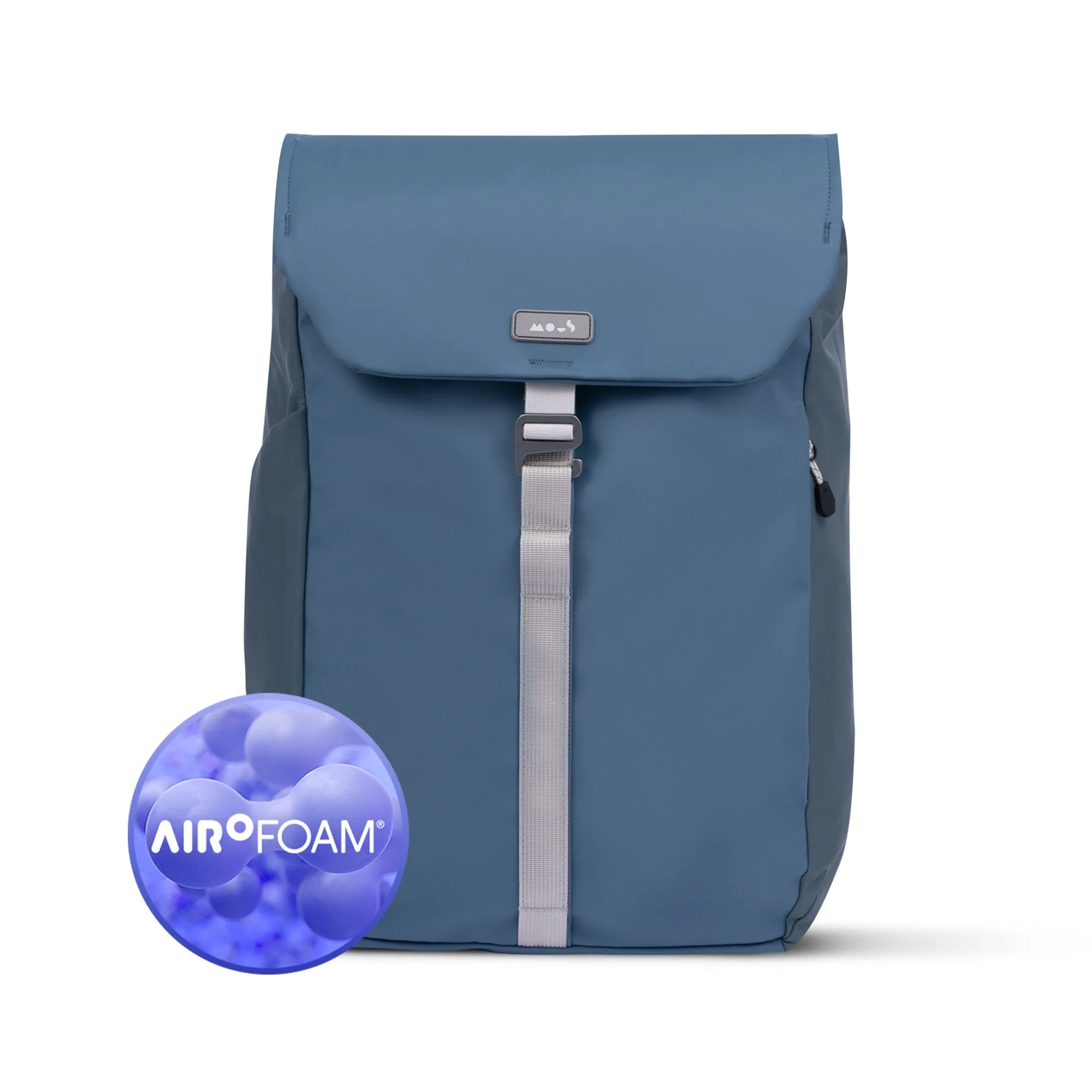
Protection features vary. Some bags use impact-absorbing foam like AiroFoam® to cushion drops, while others rely on a simple padded sleeve. If you carry your laptop daily and often set your bag down hard, prioritize a compartment with dedicated impact protection. That said, no backpack makes a laptop indestructible—treat it as one layer of defense, not a guarantee.
Organization that actually helps (and what to skip)
Good organization means you can reach your most-used items without unpacking the whole bag. Look for a quick-access pocket for your phone or transit card, a dedicated key clip, and at least one internal zip pocket for small items. Too many tiny compartments can backfire: they add weight and make it harder to find things if you forget which pocket you used.
A water bottle pocket that fits a 1-liter bottle is more useful than a decorative one that only holds a slim can. If you carry a lunch box, check the main compartment depth—some streamlined bags are too shallow for a standard bento box. Roll-top bags often have a wider opening, which makes loading and unloading easier when you're in a hurry.
When a laptop sleeve is enough
If your commute is short and you only carry a laptop, charger, and phone, a dedicated laptop sleeve may be all you need. A universal sleeve fits a wide range of laptops and tablets and adds light protection without the bulk of a full backpack. This works well if you transfer the sleeve into a larger bag for travel or if you have a locker at work.
However, a sleeve offers no room for a water bottle, lunch, or gym clothes. It also leaves your shoulders free but your hands full. For anything beyond the absolute minimum, a backpack is more practical because it distributes weight and keeps your hands free for coffee or a phone.
Decision rules for choosing commuter backpack capacity
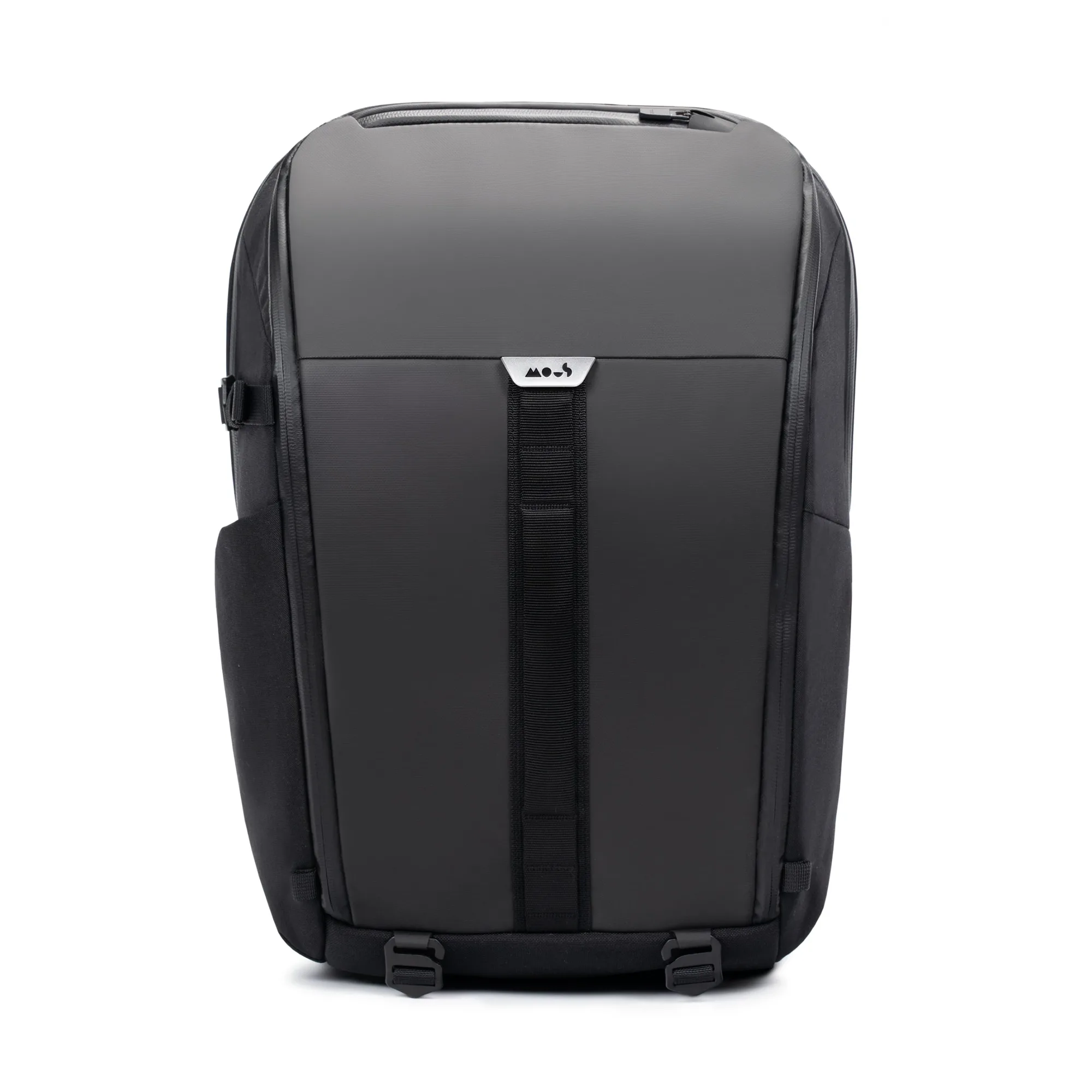
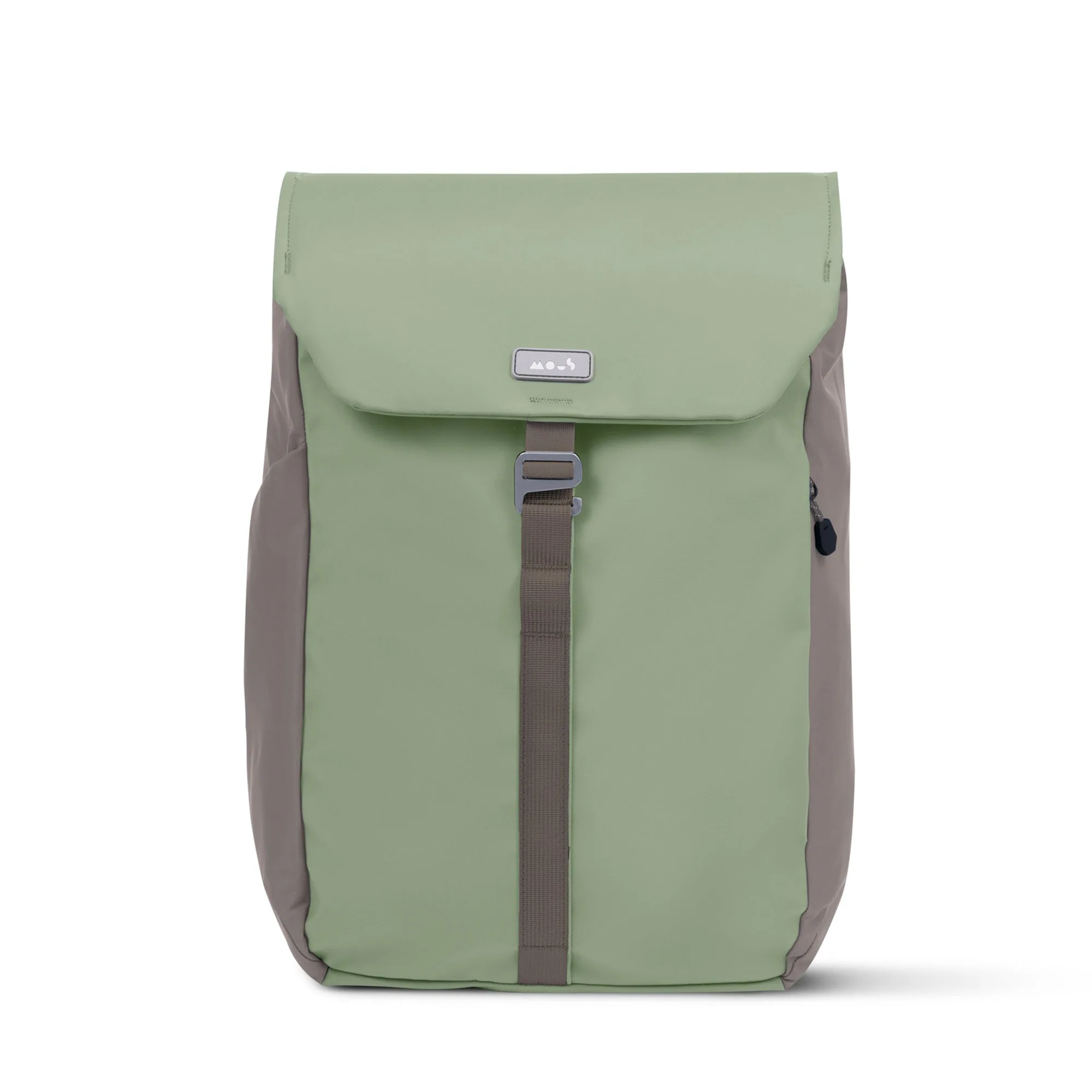
- If you carry a laptop, charger, water bottle, and lunch only: A 20–25L backpack like the Marine Protective Zip Backpack - Day is enough. It keeps the profile slim for crowded trains. Choose a streamlined zip backpack.
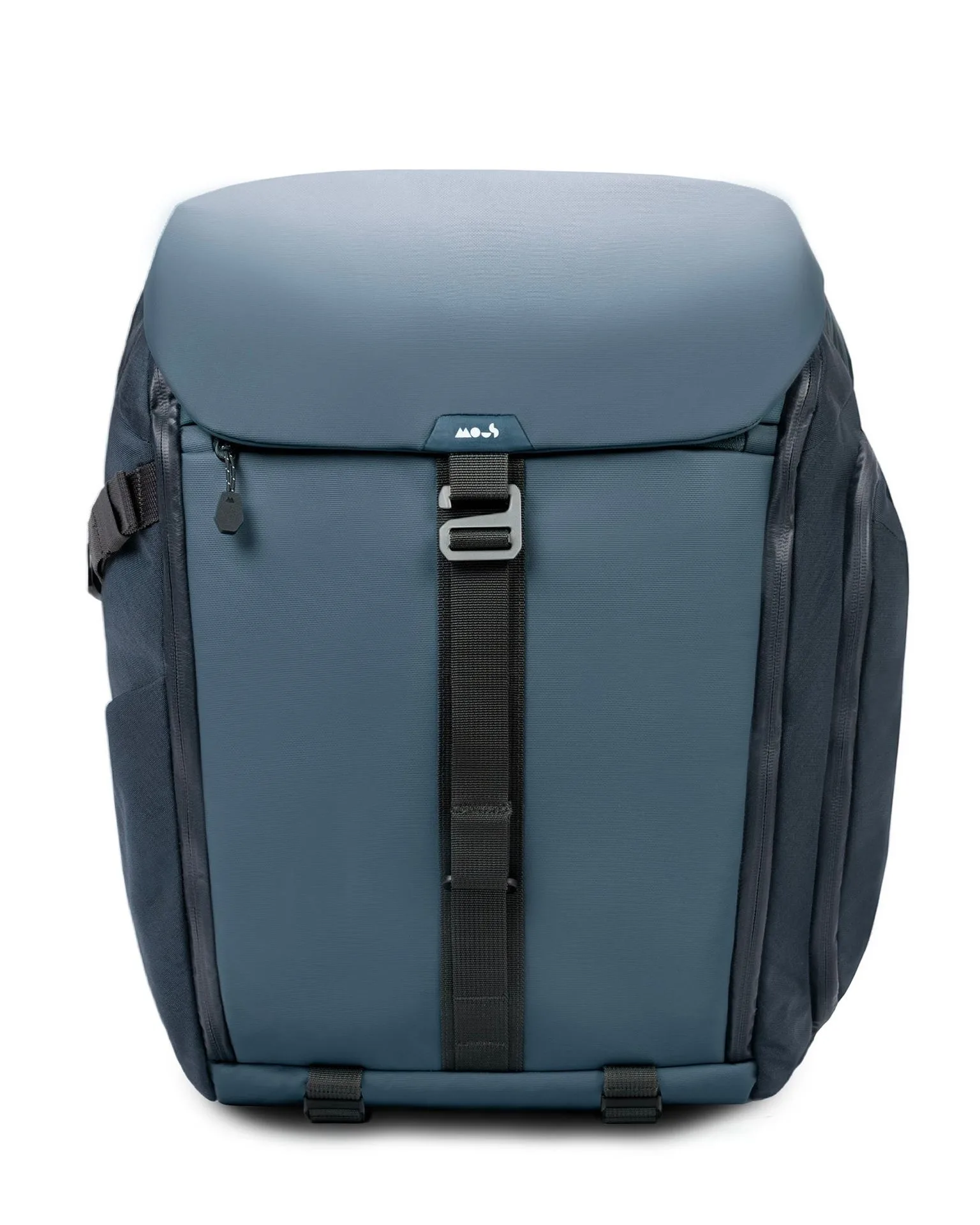
- If you also carry gym clothes or groceries several times a week: Look for expandable capacity or a roll-top design. The Marine Protective Roll Top - Optimal Backpack expands from 25L to 35L to handle the extra load. Prioritize a bag that grows with your day.
- If you only need to protect a laptop and nothing else: A universal sleeve like the Marine Universal Sleeve adds light protection and fits a wide range of devices, but it has no room for other items. Pair a sleeve with a tote or use it inside a larger bag.
- If you're unsure, measure your largest item and add 5 liters: Laptop thickness and lunch box size are the two most common reasons a bag feels too small. Test-pack with your actual gear before buying. When in doubt, size up slightly rather than down.
Product facts
- Marine Protective Zip Backpack - Day: Streamlined everyday backpack with serious tech protection, smart organisation, and durable, water-resistant materials; includes AiroFoam® impact-absorbing protection. Fits a laptop plus daily essentials without bulk, and the water-resistant material handles light rain on a commute.
- Marine Protective Roll Top - Optimal Backpack: Roll top expands from 25L to 35L; protective tech compartment with AiroFoam®; gym-ready features. Lets you carry a gym kit or groceries on the way home without switching bags, and the expandable capacity adapts to variable loads.
- Marine Universal Sleeve: Designed to fit a wide range of laptops and tablets; combines versatile compatibility with light protection. A good choice if you only need to carry a device and want to keep your main bag light, or if you use a locker at work.
Who should choose which capacity
Best for
- Commuters who carry a laptop, charger, and lunch and want a slim profile
- People who need occasional extra capacity for gym clothes or groceries
- Anyone who wants impact protection for their laptop during daily commutes
Not for
- Travelers who need a week's worth of clothing—look for a larger travel backpack
- People who only carry a phone and keys—a smaller crossbody or sleeve is lighter
- Those who need to carry bulky tools or equipment—consider a dedicated work bag