Quick answer
A Japanese rim plate is a shallow dish with a raised edge, designed for serving individual portions of food or as a decorative accent. Proper care—gentle washing and mindful storage—keeps both ceramic and wooden versions in excellent condition.
Why the raised rim matters
The raised rim isn't just decorative—it helps contain sauces, juices, or small sides, making the plate ideal for dishes like sashimi, salads, or appetizers. It also adds a subtle frame that elevates presentation without overwhelming the food.
Ceramic vs. wooden rim plates
Ceramic rim plates are common and easy to clean, but they can chip if dropped. Wooden rim plates, like those crafted by Kazuto Yoshikawa, bring warmth and a natural grain pattern to the table. However, wood is more porous and requires gentler care to avoid cracking or staining.
Frequently asked questions
What can I serve on a Japanese rim plate?
Use it for individual portions of sushi, sashimi, salads, grilled items, or desserts. The raised rim also works well for dishes with light sauces or garnishes.
How do I clean a wooden rim plate?
Wash by hand with mild soap and warm water immediately after use. Dry with a soft cloth and let it air dry completely before storing. Never soak or put it in the dishwasher. Avoid harsh detergents or abrasive sponges that can scratch the wood surface.
Can I use a wooden rim plate for hot food?
Yes, but avoid prolonged contact with very hot items or direct heat sources. Wood can absorb heat slowly, so it's best for room-temperature or slightly warm dishes. For hot soups or sizzling dishes, opt for ceramic instead.
How do I prevent staining on a wooden rim plate?
Apply a food-safe mineral oil or beeswax conditioner every few months to seal the wood. This helps repel moisture and reduces staining from foods like beets or soy sauce. Test the conditioner on a small area first to ensure it doesn't alter the wood's color.
Is a ceramic rim plate microwave-safe?
Most ceramic rim plates are microwave-safe, but check for any metallic glaze or decorative elements. If in doubt, use a microwave-safe dish or avoid microwaving. Always check the manufacturer's label or ask the seller if unsure.
Featured product
-
リム皿: This rim plate by Kazuto Yoshikawa honors the natural character of the wood—knots, growth rings, and traces of the tree's life—resulting in smooth, graceful curves and refined simplicity. Each plate is unique, and the wood's natural variations mean no two pieces look exactly alike, adding a personal touch to your table setting.
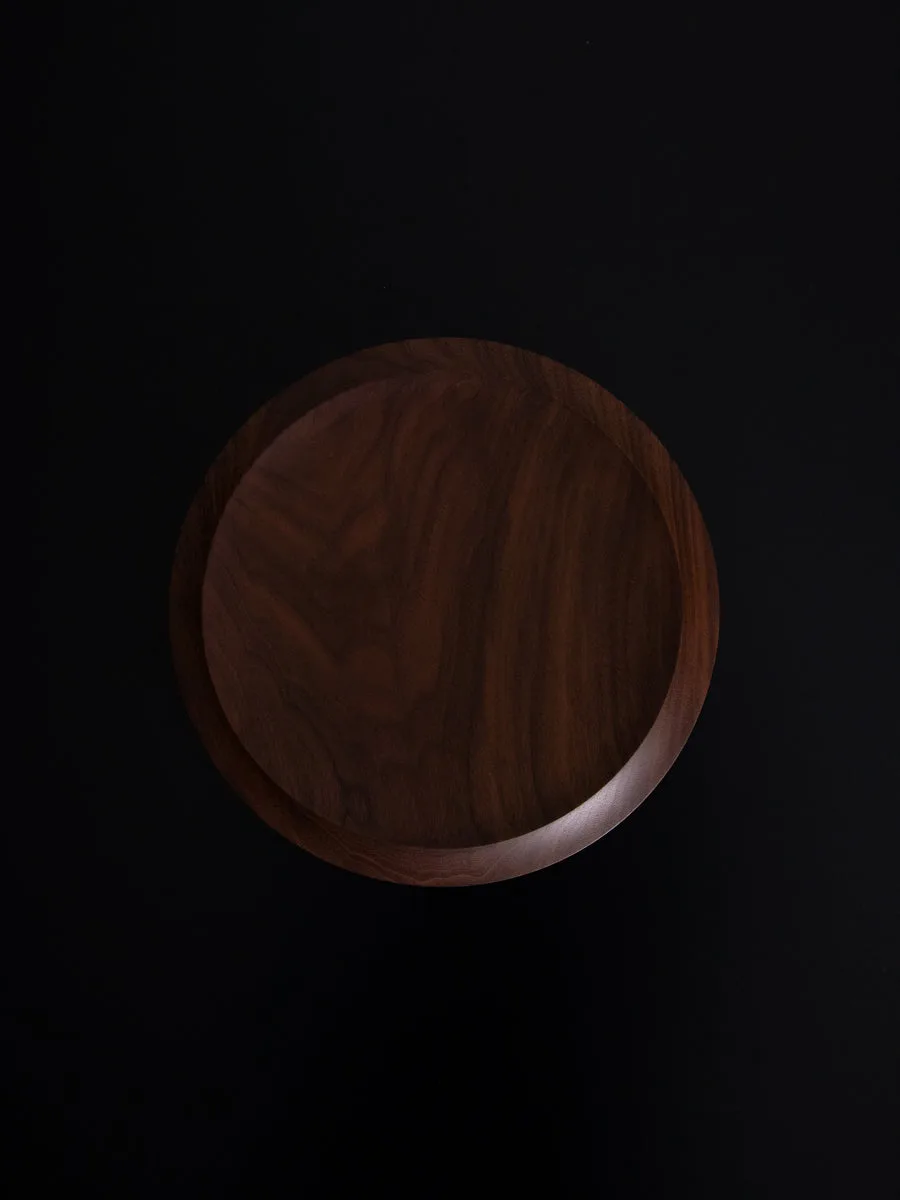
リム皿