Quick answer
A jockstrap is a two-part piece of underwear: a front pouch that supports the genitals and a pair of elastic straps that run under and around the buttocks, leaving the back open. Wear one for sports and training where you want secure support and airflow, or under looser clothing when you want less fabric and more breathability. It is not a replacement for everyday briefs unless you prefer the open-back feel.
A jockstrap is simpler than it looks. It holds and supports the front, then anchors that support with straps that sit under the glutes and around the waist. The back stays open. That design is exactly why it shows up in gyms, on fields, and in locker rooms, and why some men wear one all day.
If you have never worn one, the questions are practical: which style to pick, how to put it on without twisting the straps, and when a jockstrap makes more sense than a brief or trunk. This guide walks through the process in order, with the mistakes that cause most first-time discomfort.
What a jockstrap actually does
The pouch is the working part. It cups the genitals and keeps them from shifting during running, jumping, lifting, or any movement where loose fabric would let things move around. The straps are the anchor. They run from the bottom of the pouch, under the buttocks, and up to the waistband, which keeps the pouch in place without wrapping the whole hip in fabric.
That open back is the main difference from a brief or a trunk. A brief covers the glutes; a jockstrap does not. The tradeoff is straightforward: you get support and airflow in front, and you give up full coverage in back. If you want support plus full coverage, a brief or trunk is the better call.
- Pouch = support and positioning. Straps = stability. Waistband = fit.
- No back panel means more airflow and less fabric against the skin.
When to wear a jockstrap
The clearest use case is sport and training. Lifting, sprinting, cycling, and contact sports all involve movement that a jockstrap is designed to control. It also works well under athletic shorts or compression gear when you want a secure front and less bulk than a full brief.
The second use case is heat and breathability. If you run hot or chafe under full-coverage underwear, the open back gives your skin room to breathe. Some men also wear one under loose pants or shorts when they want support without a visible underwear line across the seat.
The honest limit: a jockstrap is not ideal for long days where you want full coverage, and it is not the right pick if you dislike the feeling of straps under the glutes. Try one for a short session first, then decide whether it earns a place in your rotation.
- Best for: gym sessions, field sports, cycling, hot weather, layering under athletic shorts.
- Skip it for: all-day wear if you want full seat coverage, or if strap pressure bothers you.
Jockstrap vs brief: which one fits your day
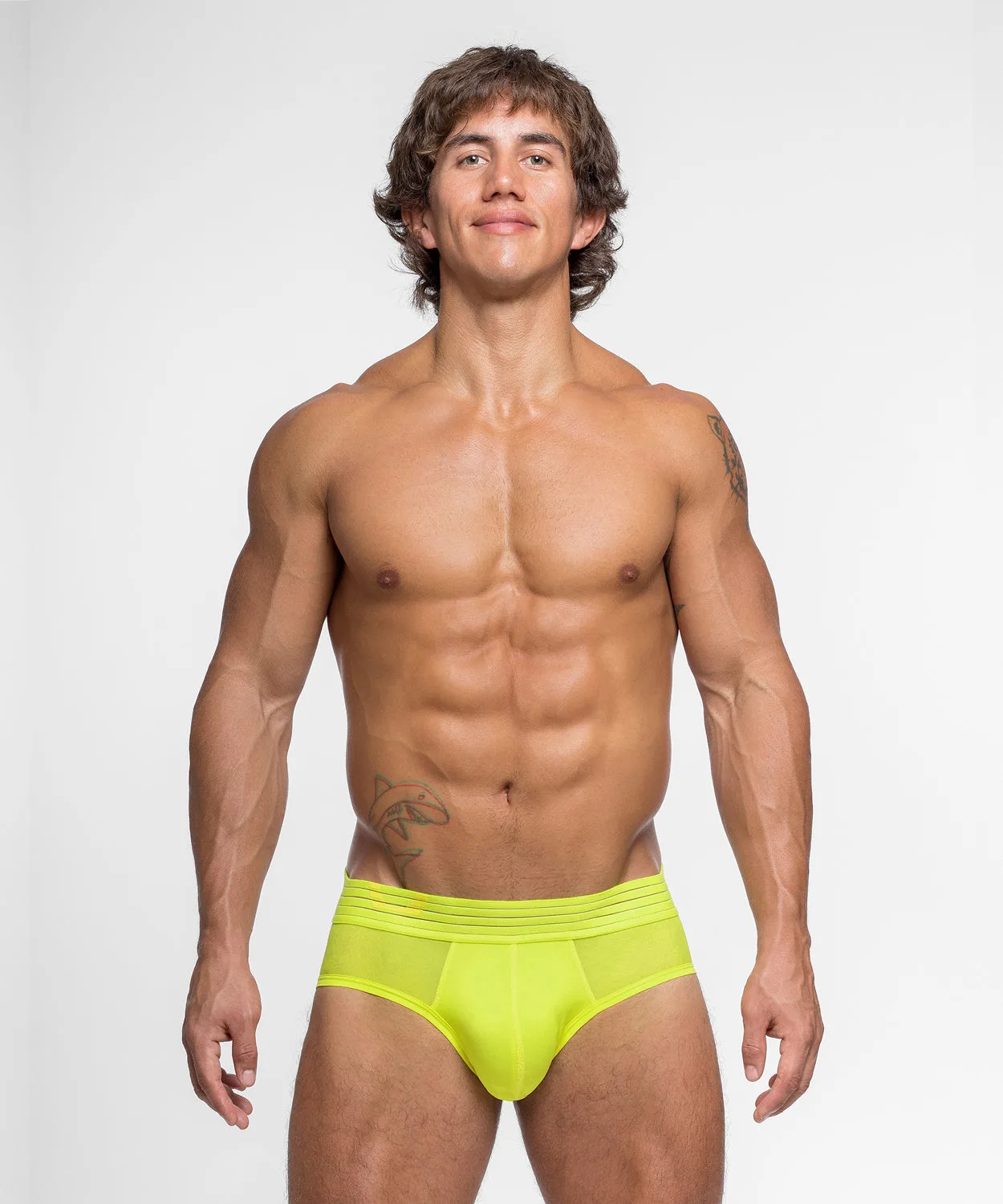
A brief covers the front and the back with a single panel and elastic leg openings. It stays put, gives full coverage, and works for almost any situation. A jockstrap supports the front and leaves the back open, which is lighter and cooler but offers no seat coverage.
If your priority is support during movement, either can work, but the jockstrap wins on airflow and the brief wins on coverage. If your priority is everyday comfort under jeans or dress pants, a brief or trunk is usually the easier choice. Many men keep both: a jockstrap for training days and a brief or trunk for everything else.
- Choose a jockstrap when airflow and front support matter most.
- Choose a brief or trunk when you want full coverage and a familiar fit.
How to choose the right jockstrap for you
Start with the pouch. It should hold you without pressing or pinching. If the pouch is too shallow, you will feel pressure at the base; if it is too deep, you will lose the support you came for. Look for a pouch that is shaped rather than flat, since a shaped pouch follows your body instead of flattening it.
Then check the straps and waistband. Straps should sit flat under the glutes, not roll or dig in. The waistband should stay level when you move, not ride up in back or slide down in front. Fabric matters too: mesh and bamboo blends feel lighter and breathe better, while heavier cotton holds shape longer but traps more heat.
Finally, match the style to the job. A minimal jockstrap is light and cool for hot sessions. A package-enhancing style adds shape and projection if that is what you want. Neither is better; they solve different preferences.
- Check the pouch depth first, then strap width, then waistband tension.
- If you are between sizes, size up rather than down to avoid strap pressure.
How to put on a jockstrap, step by step
- Step 1: Step into the leg openings: Hold the waistband with the pouch facing forward. Step into each leg opening one at a time, just like briefs. Common mistake: stepping into the waistband instead of the leg openings, which twists the straps before you even pull it up.
- Step 2: Pull up and seat the pouch: Slide the jockstrap up until the waistband sits at your natural waist. Guide yourself into the pouch so the fabric cups rather than compresses. Checkpoint: the pouch should feel supportive, not pinching. If it pinches, the size or pouch depth is wrong.
- Step 3: Route the straps flat under the glutes: Reach back and make sure each strap runs flat under the buttocks and up to the waistband without folding or rolling. Common mistake: leaving a twisted strap. A twist will dig in within minutes of movement.
- Step 4: Adjust the waistband and test movement: Squat, stand, and take a few steps. The waistband should stay level and the pouch should stay seated. If the waistband rides up or down, adjust the straps first, then consider a different size.
- Step 5: Wash after each wear and air dry: Rinse or wash after every use, especially after training. Air dry to protect the elastic in the straps and waistband. Heat breaks down elastic, so skip the dryer if you want the fit to last.
Rounderbum options worth knowing
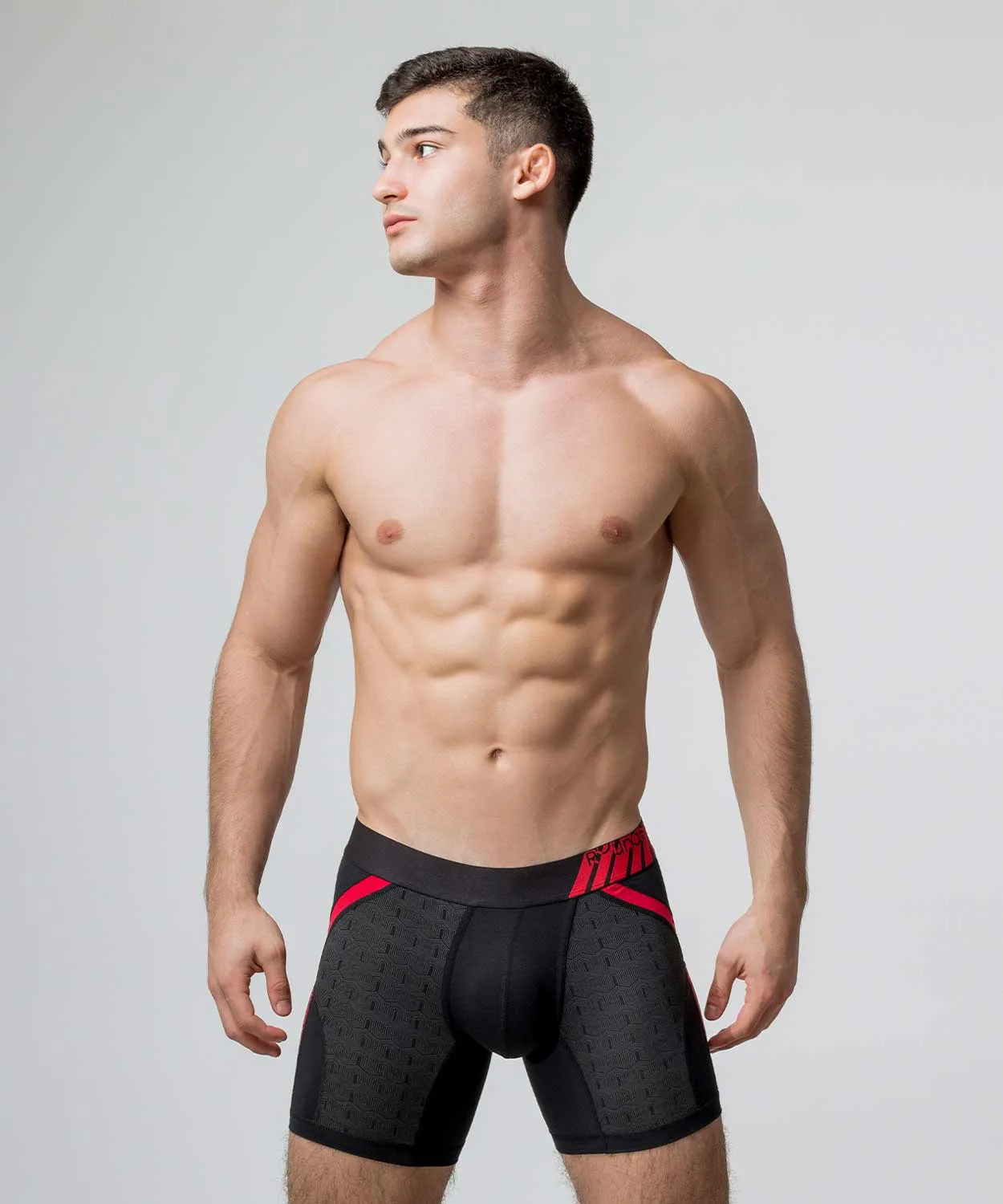
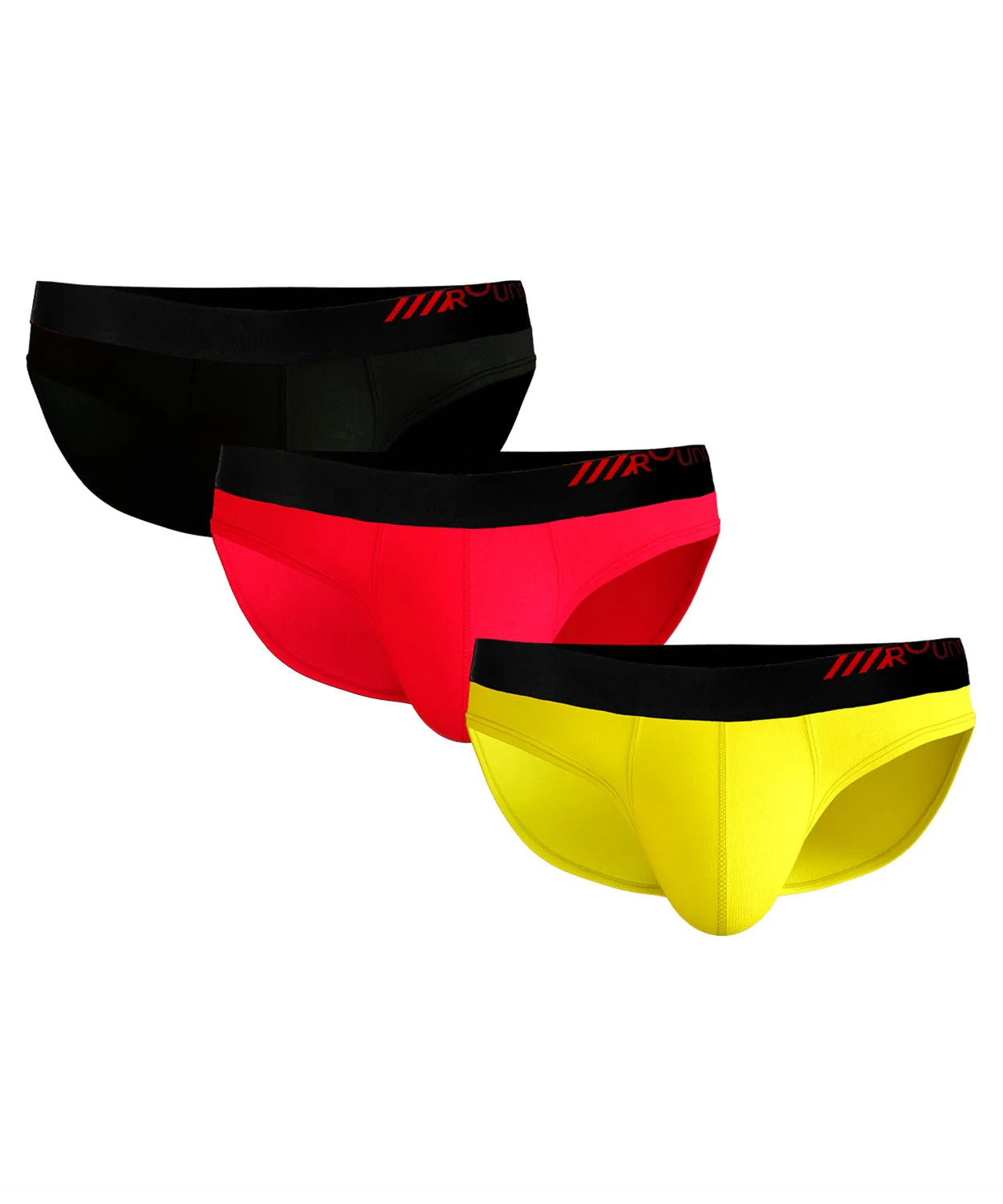
- RACING TEAM Package Brief 3-Pack: Exclusive [PACKAGE TECH]® with a double-function pouch that lifts up and pushes out, sold as a 3-pack of briefs. A good comparison point if you want front enhancement and full coverage instead of an open-back jockstrap.
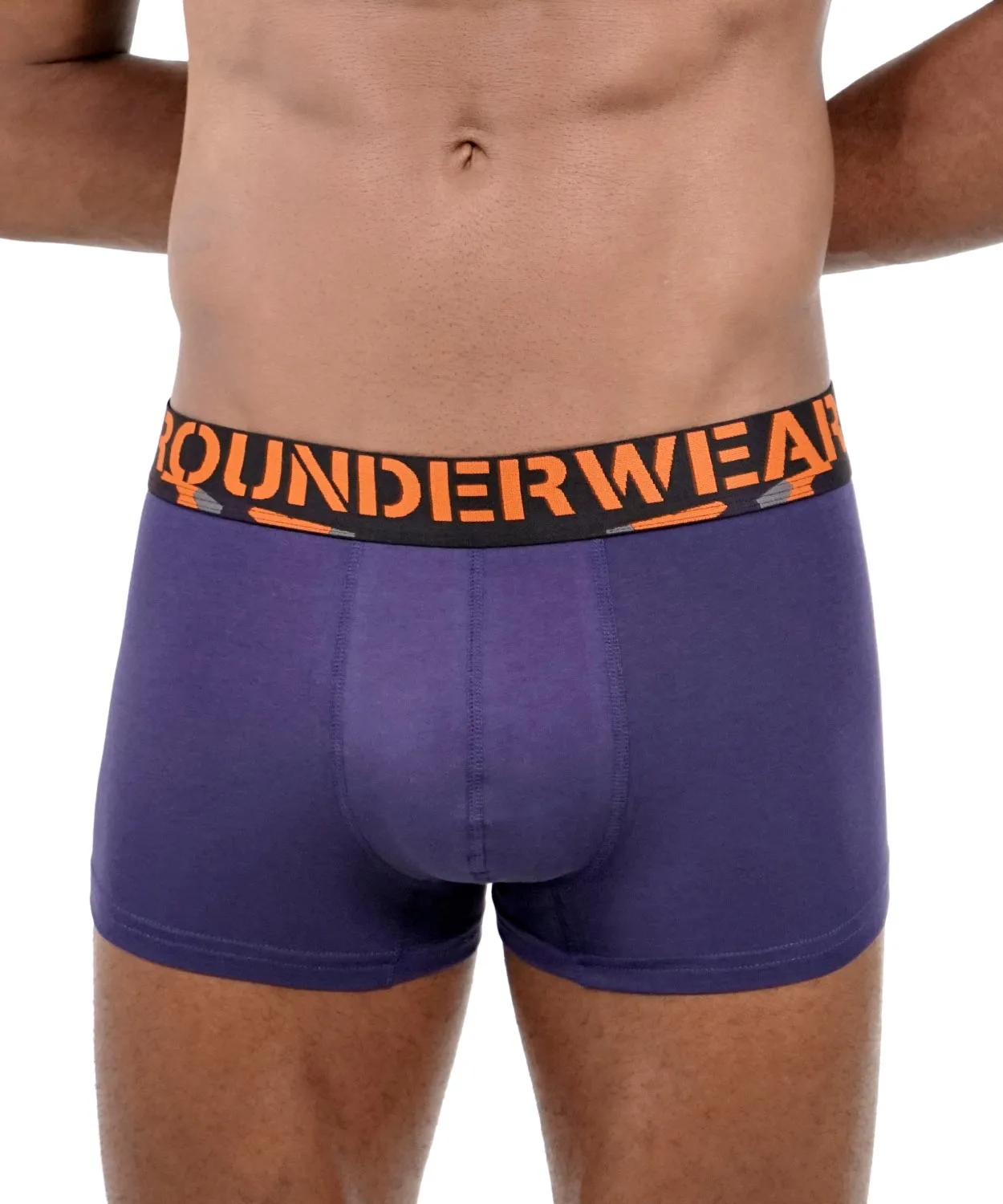
- Anatomic Mini Trunk: Patented anatomically correct design with a V-shaped seam that defines the glutes. Shows the opposite approach: full-coverage trunk with shaping, useful if you want support without straps.
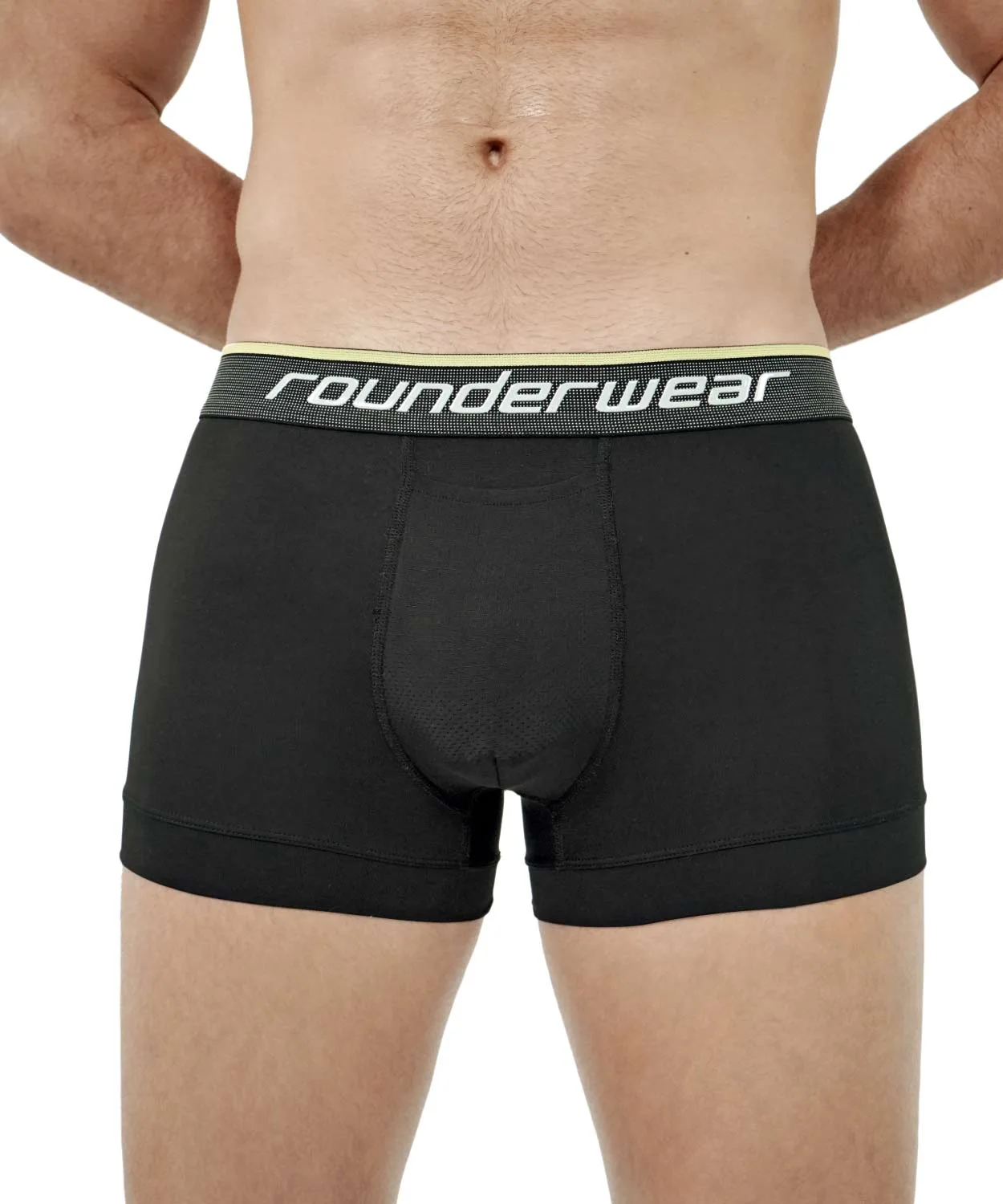
- Padded Boxer Brief + Smart Package Cup: [DUAL TECH]® style with removable butt padding and a smart package cup for front projection. A fuller-coverage option when you want shaping front and back rather than a minimal jockstrap.
A jockstrap is a support tool, not a uniform. Wear one for training, heat, and the open-back feel; choose a brief or trunk when you want full coverage. Start with one well-fitting jockstrap, test it during a short session, and let your comfort decide whether it stays in the rotation.