Quick answer
A Polish glass vase is a handblown or hand-formed decorative vessel made in Poland, often recognized by its vivid colors, organic shapes, and skilled craftsmanship. For collectors, authenticity hinges on understanding the glassmaking tradition and evaluating each piece individually.
What makes Polish glass vases collectible
Polish glass art has a rich history rooted in the country's glassmaking centers like Krosno and Wrocław. Collectors value these vases for their artistic expression—each piece can differ in color swirls, bubble patterns, and rim finishes because they are made by hand rather than in a mold.
Unlike mass-produced imports, a genuine Polish glass vase often shows slight asymmetries or tool marks that confirm handwork. These characteristics add character and, for many buyers, increase the vase's appeal as an art object rather than a simple container.
Trade-offs: handblown vs. machine-made
Handblown Polish glass vases are typically more expensive and less uniform than machine-made alternatives. The trade-off is uniqueness—no two pieces are identical. If you value consistency or need a vase for practical daily use, a machine-made piece may serve you better.
Price also reflects the skill level of the artisan and the complexity of the design. A simple clear vase will cost less than one with intricate color layering or gold leaf inclusions. Decide whether you are buying for display or for function before you set your budget.
Decision rules for buying a Polish glass vase
- Check the base and rim: Look for a pontil mark (a rough scar on the bottom) and a smooth, fire-polished rim. These are signs of handblown production. Machine-made vases usually have a perfectly smooth base and a uniform rim.
- Examine color and bubbles: Handblown vases often contain tiny air bubbles and subtle color variations. If the color is perfectly uniform and there are no bubbles, the piece is likely machine-made or cast.
- Verify the origin: Look for a sticker, etching, or signature that says 'Made in Poland' or references a known Polish glass studio. If no mark exists, ask the seller for provenance. Unmarked pieces can still be authentic but require more scrutiny. Request additional photos of the base and any labels before purchasing online.
- Assess weight and thickness: Handblown glass is often heavier and has uneven wall thickness. Pick up the vase—if it feels surprisingly light or perfectly uniform, it may be pressed glass rather than handblown.
Featured product
-
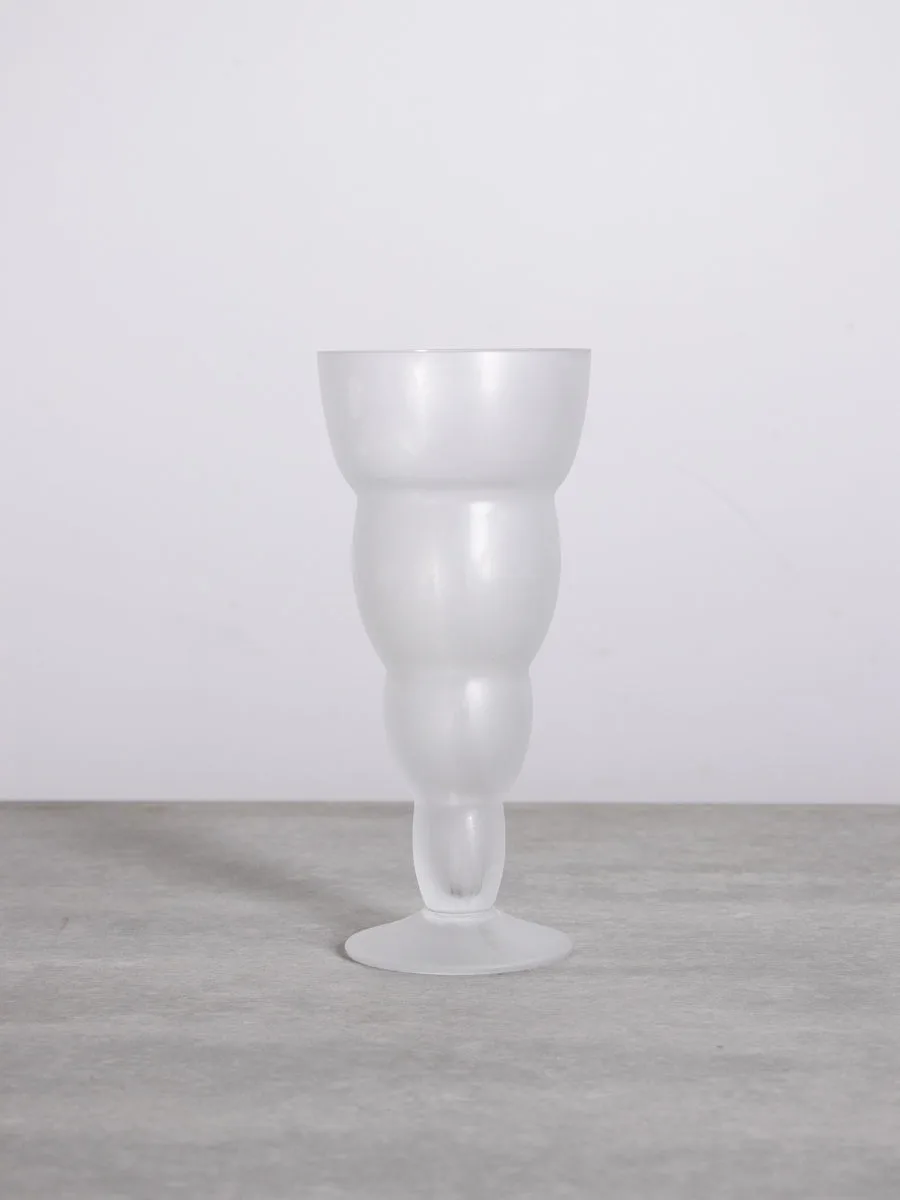
ポーランド ガラス花器: This Polish glass vase is priced at USD 9,768.00 (catalog comparison price USD 13,200.00). The significant discount from the comparison price may indicate a limited-edition piece or a seasonal offer, making it a potential value for collectors who recognize the craftsmanship.
ポーランド ガラス花器
Who should buy a Polish glass vase
Best for
- Collectors seeking unique, handmade decorative pieces with artistic value
- Buyers who appreciate traditional European glassmaking techniques and are willing to pay for craftsmanship
Not for
- Shoppers looking for inexpensive, uniform vases for everyday flower arranging
- Those who prefer minimalist, perfectly symmetrical designs without visible tool marks