Quick Answer
A yoga block brings the floor closer to you, supports alignment, and lets you hold poses longer or deepen them safely. It's one of the most versatile props for both beginners and experienced practitioners.
Why You Might Need a Block Even If You're Flexible
Flexibility alone does not guarantee good alignment. A yoga block helps you maintain proper form by providing a stable surface where your body cannot yet reach the floor. For example, in Triangle Pose, a block under the bottom hand prevents collapsing into the hip or rounding the back.
Blocks also allow you to stay longer in poses without straining. In Supported Bridge, placing a block under the sacrum turns the pose into a passive rest hold. That kind of support is difficult to replicate with a rolled towel or pillow.
Cork vs Other Materials: Practical Differences
Cork yoga blocks, like our Yoga Brick, absorb sweat and resist slipping even during hot practices. They also keep their shape over time, unlike foam that can dent. The solid weight of a cork block provides a grounded feel under your hands or hips, which some practitioners prefer for balance work.
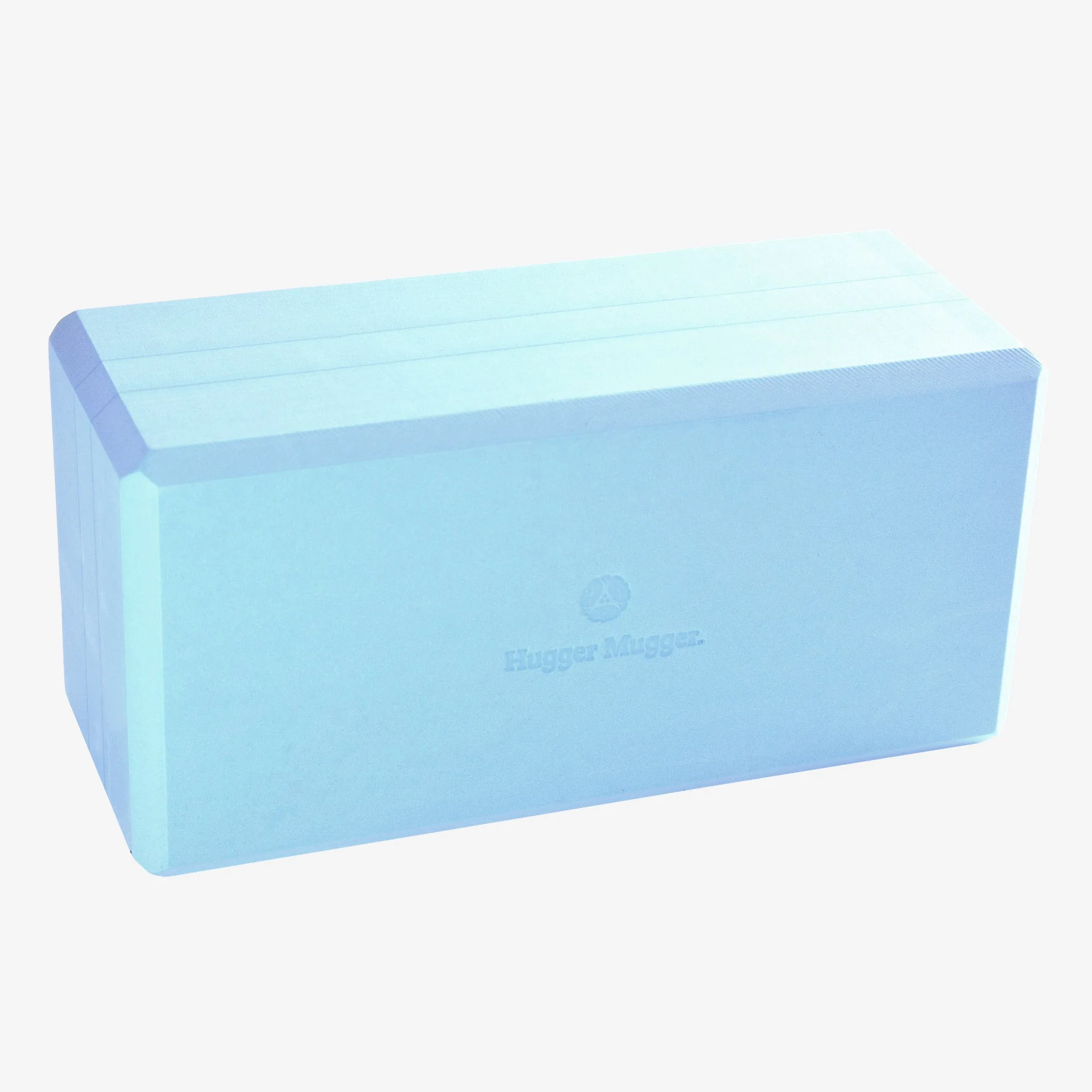
If you mainly practice gentle or floor-based poses, a lighter foam block may be fine. But for active flows or sweaty sessions, cork offers better grip and durability. The semi-circle Balance Block adds the option to rock on the curved surface, which challenges stability in standing poses or core work.
Answered: Yoga Block Questions for Practitioners
What is the main use of a yoga block?
A yoga block creates space. You place it under your hand, seat, or foot so you can reach the floor without compromising alignment. For instance, in Half Moon Pose, a block under the bottom hand keeps the chest open and the standing leg stable.
Which yoga poses are best for a block as a beginner?
Start with Foundation poses: Downward-Facing Dog (hands on blocks), Seated Forward Fold (block under thighs), and Supine Twist (block between knees). These teach you how to engage without strain. Once comfortable, try Standing Poses like Extended Side Angle with one block under the bottom hand. Master the simple placements first before moving into more dynamic or balance-heavy uses.
How does a cork yoga block improve practice?
Cork's natural texture grips your skin and the mat even when wet. Because it doesn't compress like foam, it offers consistent height in poses that require firm support, like Shoulder Stand preparation. Its slight weight also adds stability when used for balance challenges. If your practice is sweaty or you value durability, cork is a long-term investment over foam.
Can I use a yoga block to prevent injury?
Yes. By placing a block under the sit bones in seated poses, you tilt the pelvis forward and protect the lower back. In forward folds, blocks under the hands let you keep the spine long instead of rounding. Always use a block when a pose pulls or pinches—that's the sign your body needs the prop. Pain or joint discomfort during a pose is a clear signal to add a block.
What height should I choose for a block?
Most blocks offer three heights (low, medium, high). Start on the highest setting for standing poses and lower gradually as flexibility improves. For restorative poses, use the medium or high setting under the head or back. The semi-circle Balance Block offers only one height but adds its curved edge for variable challenge. Adjust height based on the pose and your current range of motion—no one setting is correct for all poses.
Product Facts
-
Yoga Brick: Cork Yoga Block: Unlike foam or wooden blocks, cork blocks absorb sweat and don't lose shape, while still providing cushioned support. This makes the Yoga Brick ideal for hot yoga or vigorous practices where foam blocks become slippery and wood feels too hard.
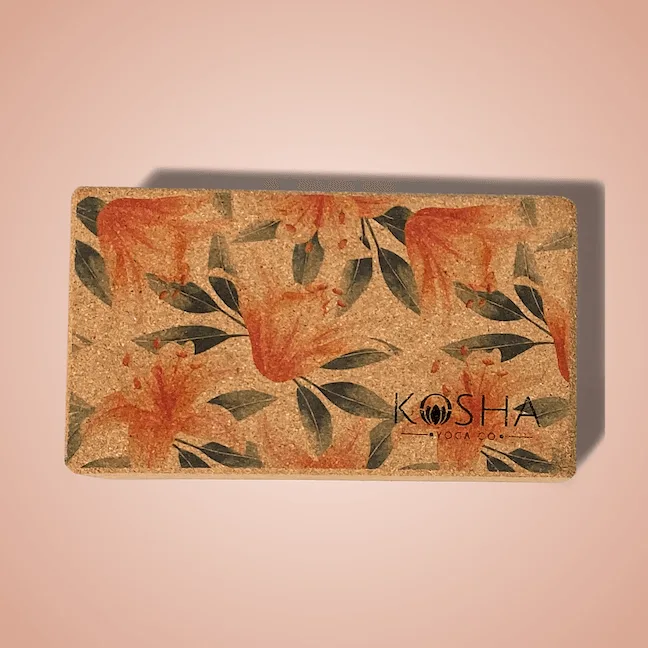
Yoga Brick: Cork Yoga Block
-
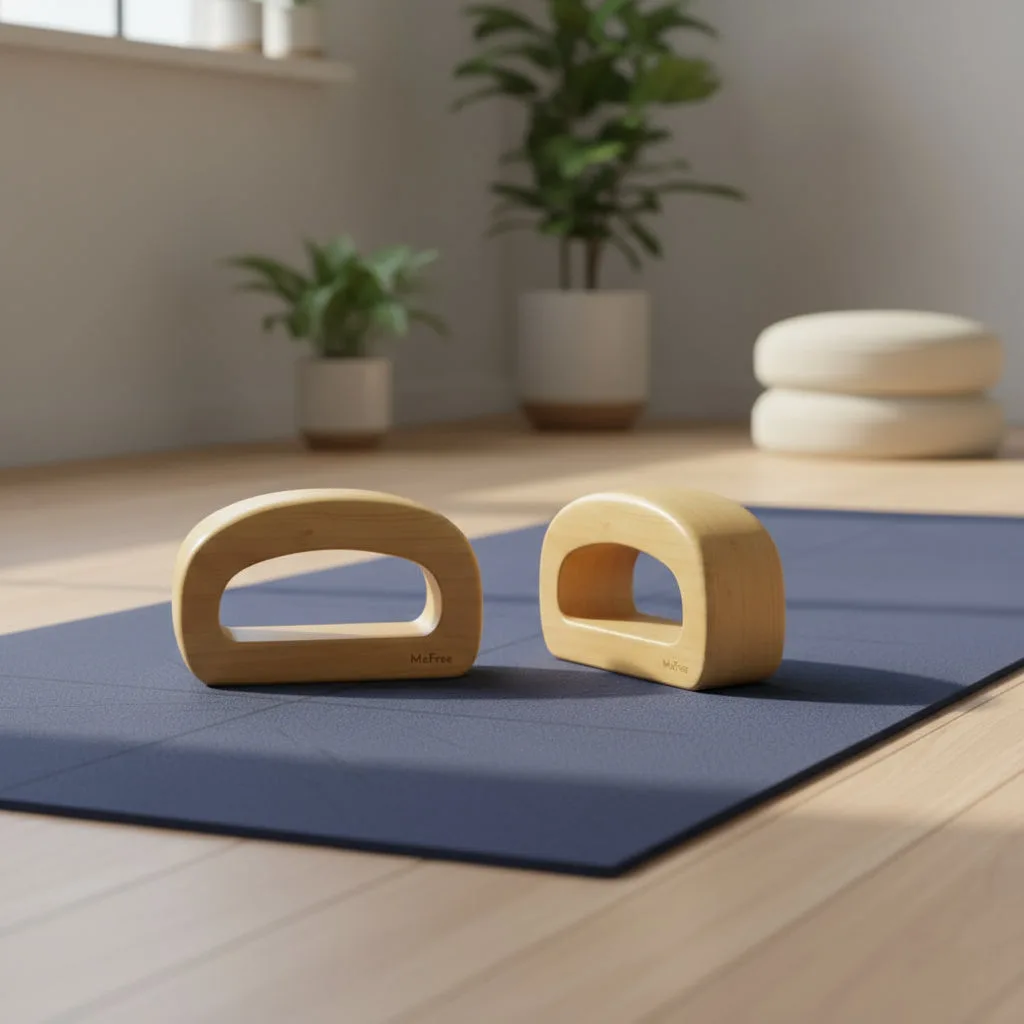
Balance Block: Semi Circle Yoga Brick: The unique semi-circle shape can be used flat like a traditional block or on the curved surface to make asanas more challenging or access difficult poses. It serves double duty: standard support for beginners and a stability challenge for intermediate practitioners wanting to progress.
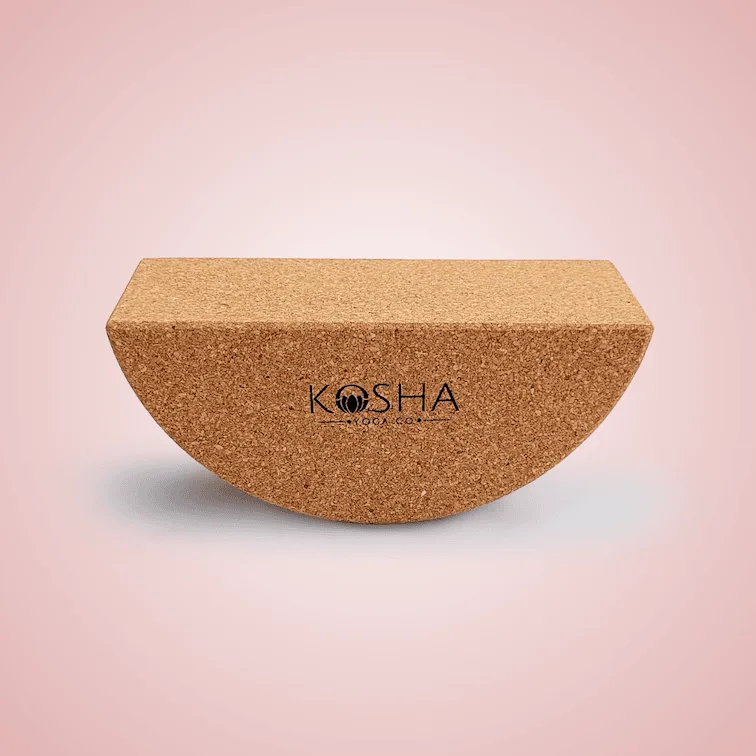
Balance Block: Semi Circle Yoga Brick