Quick Answer
Cotton broadcloth is a lightweight, tightly woven plain-weave fabric with a smooth, slightly crisp hand. It is commonly used for shirts, blouses, light dresses, and quilting, and it works best for projects that need structure without bulk.
Broadcloth vs. Quilting Cotton: What's the Difference?
Both broadcloth and quilting cotton are lightweight, 100% cotton plain weaves, but they are not identical. Broadcloth typically has a finer, smoother surface and a tighter weave, which gives it a crisper drape. Quilting cotton is often slightly heavier and has a more textured hand, making it a favorite for patchwork and piecing.
For apparel, broadcloth's smooth finish and lighter weight (around 110 gsm) make it comfortable for shirts and blouses. For quilting, either fabric can work, but quilting cotton's slightly sturdier feel is often preferred for blocks that need to hold their shape. If you are sewing a garment, broadcloth is usually the better choice; if you are piecing a quilt, quilting cotton may be more forgiving.
What Can You Make with Cotton Broadcloth?
Broadcloth's lightweight, breathable nature makes it ideal for warm-weather clothing: button-down shirts, blouses, lightweight dresses, skirts, and children's wear. It also takes crisp pleats and pressed seams well, which is why it is a classic choice for tailored-looking tops.
Beyond apparel, broadcloth is used for quilting, especially when a finer weave is desired, and for craft projects like lightweight curtains, pillow covers, and lining. Its lack of stretch means it holds its shape, but it also means you need to plan for movement in fitted garments—add ease or choose patterns designed for woven fabrics.
What to Consider Before Buying Broadcloth
Because broadcloth is lightweight and has no stretch, it is best for garments that do not require much give. If you are sewing a fitted bodice or trousers, you may need to add darts or choose a pattern with more ease. Also, broadcloth can wrinkle easily, so consider your care routine and whether you are comfortable ironing.
When buying, pay attention to width, weight, and origin. Japanese cotton broadcloth, for example, is known for its fine weave and beautiful prints. Always check the fabric's weight (gsm) to ensure it matches your project's needs—lighter weights are better for airy garments, while slightly heavier options may suit structured pieces.
Common Broadcloth Questions, Answered
Is cotton broadcloth the same as quilting cotton?
Not exactly. Both are lightweight, plain-weave cottons, but broadcloth is typically finer and smoother, while quilting cotton is often slightly heavier and more textured. Broadcloth drapes a bit more softly and is better for apparel; quilting cotton is more forgiving for piecing and holds shape well. If you are sewing a garment, choose broadcloth; for quilting, quilting cotton may be easier to work with.
What is cotton broadcloth best used for?
Broadcloth is ideal for shirts, blouses, light dresses, skirts, and children's clothing. It also works for quilting, especially when you want a finer weave, and for crafts like lightweight curtains or pillow covers. Its lack of stretch means it suits woven-fabric patterns with ease built in. For fitted garments, add darts or select a pattern designed for woven fabrics to ensure comfort.
How do I care for cotton broadcloth?
Most cotton broadcloth can be machine washed in cold or warm water and tumble dried on low. Because it wrinkles easily, remove it promptly and iron while slightly damp for a crisp finish. Always check the fabric's care label or manufacturer instructions first. Ironing while damp helps restore the smooth finish that makes broadcloth look sharp.
How much broadcloth do I need for a project?
For a simple blouse or shirt, plan on about 1.5 to 2 meters (roughly 1.6 to 2.2 yards) depending on size and pattern. For a child's dress, 1 to 1.5 meters is often enough. When ordering, remember that some sellers cut by the half-meter, so order in multiples to get a continuous piece. Measure your pattern pieces before ordering; buying extra half-meters ensures you have enough for cutting layout.
Broadcloth Options from Les Tissées
-
Sevenberry Japanese Cotton Broadcloth – Petite Floral Navy: This Sevenberry Japanese Cotton Broadcloth is 100% cotton, 110 gsm, 112 cm wide, with a petite floral pattern in navy, pink, olive green, and mustard. The lightweight plain weave and cheerful floral print make it a lovely choice for spring blouses, light dresses, or quilting projects that need a soft, non-bulky fabric.
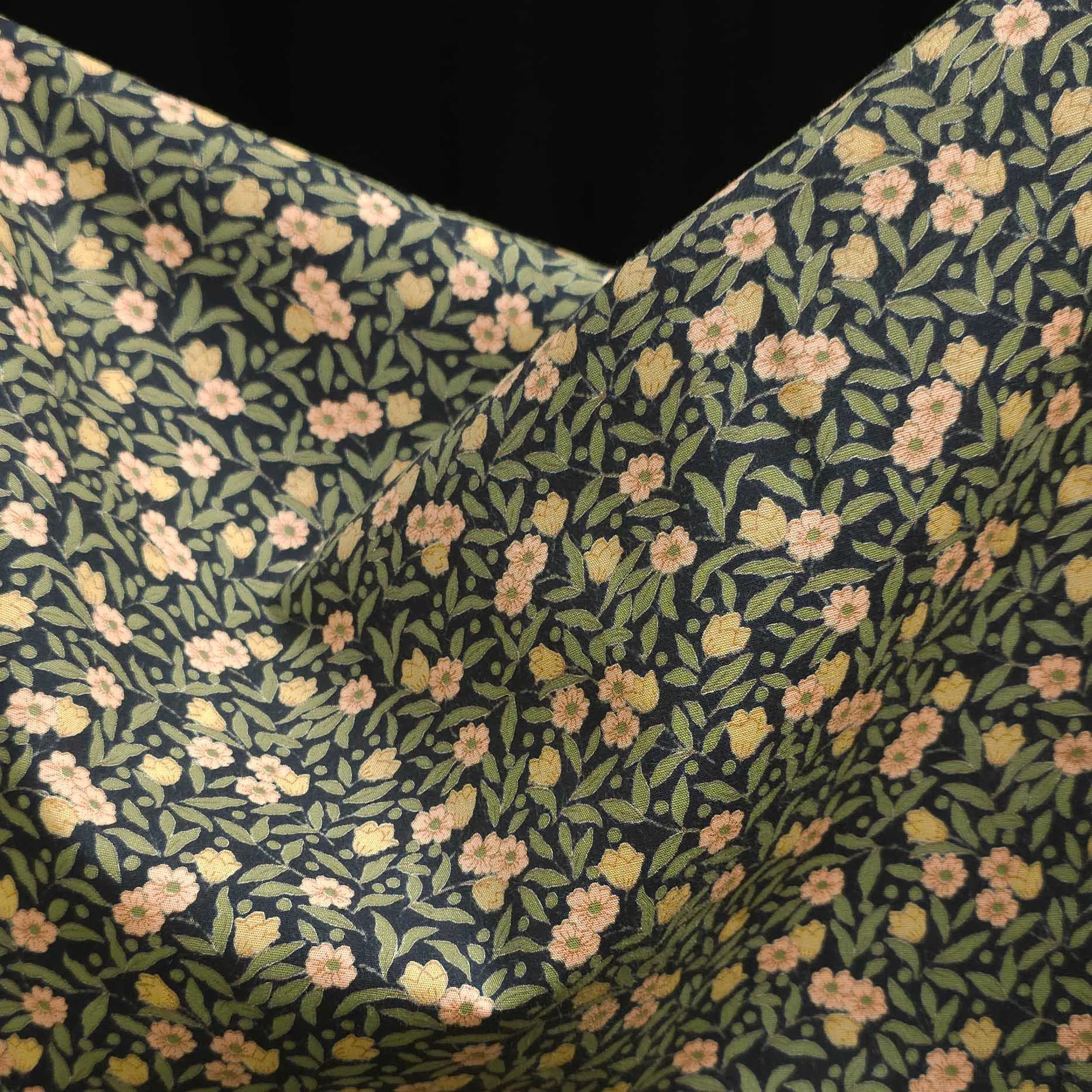
Sevenberry Japanese Cotton Broadcloth – Petite Floral Navy
-
Sevenberry Japanese Cotton Broadcloth – Petite Stripe Green: This Sevenberry Japanese Cotton Broadcloth is 100% cotton, 110 gsm, 112 cm wide, featuring a petite stripe in green and white. The crisp stripe pattern is perfect for classic shirting, children's wear, or adding a tailored accent to a quilt—its fine weave holds pressed seams neatly.
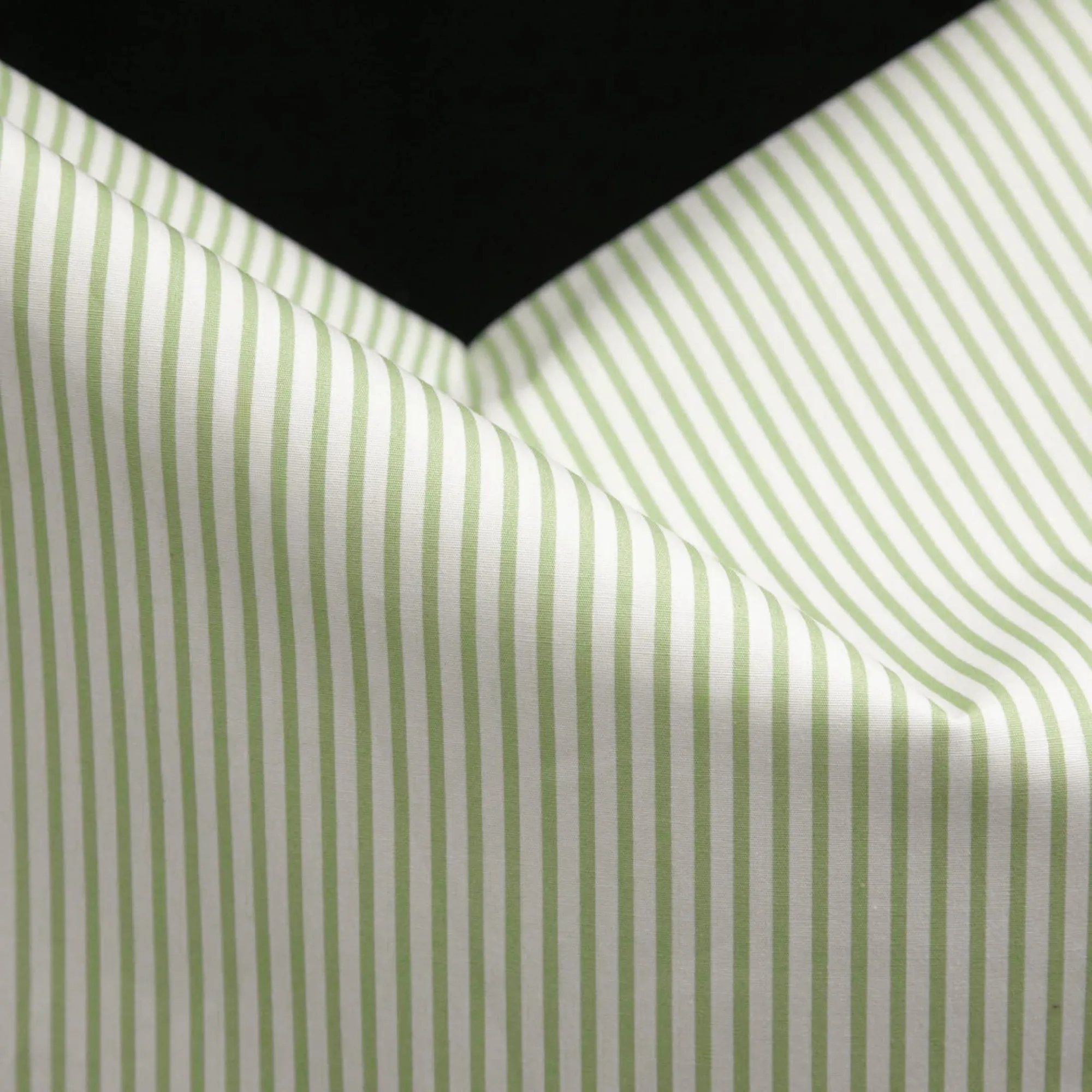
Sevenberry Japanese Cotton Broadcloth – Petite Stripe Green