Quick Answer
Enveloped tea is a format where each tea bag is individually sealed in its own wrapper, usually foil, to lock in freshness and aroma. This packaging protects the tea from moisture, light, and odor absorption, making it a convenient choice for on-the-go brewing and long-term storage.
When you browse tea aisles, you'll see boxes of tea bags, some loose in a cardboard box and others wrapped individually in foil or paper. That individual wrapper is what makes it 'enveloped' tea. It's a simple difference, but it has a real impact on freshness, flavor, and how you use the tea.
Understanding tea bag formats helps you choose the right product for your routine. Whether you're a daily sipper or an occasional tea drinker, knowing the tradeoffs between enveloped bags, non-enveloped bags, pyramids, and loose leaf can save you money and improve your cup.
What Does Enveloped Tea Mean?
Enveloped tea refers to tea bags that are individually wrapped, typically in a foil or paper envelope. The wrapper is sealed to protect the tea from air, moisture, and strong odors that can degrade quality over time. This format is common in premium and herbal teas because it preserves volatile oils and delicate flavors.
The main benefit is freshness. Once you open the outer box, each tea bag remains protected until you're ready to use it. This is especially useful for herbal blends with aromatic ingredients like chamomile, peppermint, or turmeric, which can lose potency when exposed to air.
Enveloped vs. Non-Enveloped Tea Bags
Non-enveloped tea bags are simply packed loose in a box or tin. They're often cheaper and produce less waste, but they're more exposed to air and moisture after the box is opened. If you drink tea daily and finish a box quickly, this format works fine.
Enveloped tea bags cost a bit more and create more packaging waste, but they offer better protection. For occasional drinkers or those who like to rotate between several teas, enveloped bags keep each tea fresh for months. The recyclable foil envelopes used by many brands help offset some environmental concerns.
Pyramid Tea Bags vs. Flat Tea Bags
Pyramid tea bags are three-dimensional, giving tea leaves more room to expand and steep. This often results in a stronger, more flavorful brew, especially with whole-leaf teas. Flat tea bags are more compact and may restrict water flow, but they're more affordable and easier to store.
For enveloped teas, both pyramids and flats can be individually wrapped. The choice depends on your preference for flavor intensity and convenience. If you value a robust cup, look for pyramid bags with whole leaves. If you prioritize cost and portability, flat bags are perfectly fine.
Tea Bag Quality: What to Look For
Quality in tea bags comes from two things: the tea itself and the packaging. High-quality tea bags use larger leaf pieces or whole leaves, which retain more flavor than the fine dust found in low-grade bags. The material of the bag also matters—unbleached, biodegradable materials are better for the environment and don't impart off-flavors.
Enveloped packaging is a signal of quality because it shows the brand cares about protecting the product. When choosing a tea, check the ingredient list for organic or whole ingredients, and consider the wrapper's recyclability. A well-sealed envelope keeps the tea fresh, but the leaf quality ultimately determines the taste.
Tea Bag vs. Loose Leaf: Which Is Better?
Loose leaf tea generally offers superior flavor because the leaves have more room to expand and are often higher quality. However, it requires a strainer or infuser and more preparation time. Tea bags are more convenient and portable, making them ideal for work, travel, or quick cups at home.
Enveloped tea bags bridge the gap: they give you the convenience of a tea bag while preserving freshness better than loose tea in an open canister. For many people, the difference in taste is minimal, especially with well-made enveloped bags. If you're new to tea or short on time, enveloped bags are a practical choice.
Enveloped Tea FAQ
Are enveloped tea bags better for freshness?
Yes, the individual wrapper protects against air, moisture, and odors, keeping the tea fresh longer than non-enveloped bags. Choose enveloped if you don't finish a box quickly.
Do enveloped tea bags cost more?
They often cost slightly more due to extra packaging, but the freshness benefit can justify the price for premium or herbal teas. Weigh freshness against budget.
Can I recycle enveloped tea wrappers?
Many brands use recyclable foil envelopes; check the packaging for recycling instructions. Look for recyclable options to reduce waste.
Enveloped Tea Options from Tipson
- Organic Turmeric Peach & Moringa - 25 Enveloped Tea Bags: Rooted in Ayurvedic tradition, this blend features organic turmeric, ginger, lemon, and other natural herbs, thoughtfully designed to support your immune system and reduce inflammation. The enveloped format keeps the turmeric and ginger fresh, preserving their potent aromatics and potential wellness benefits.
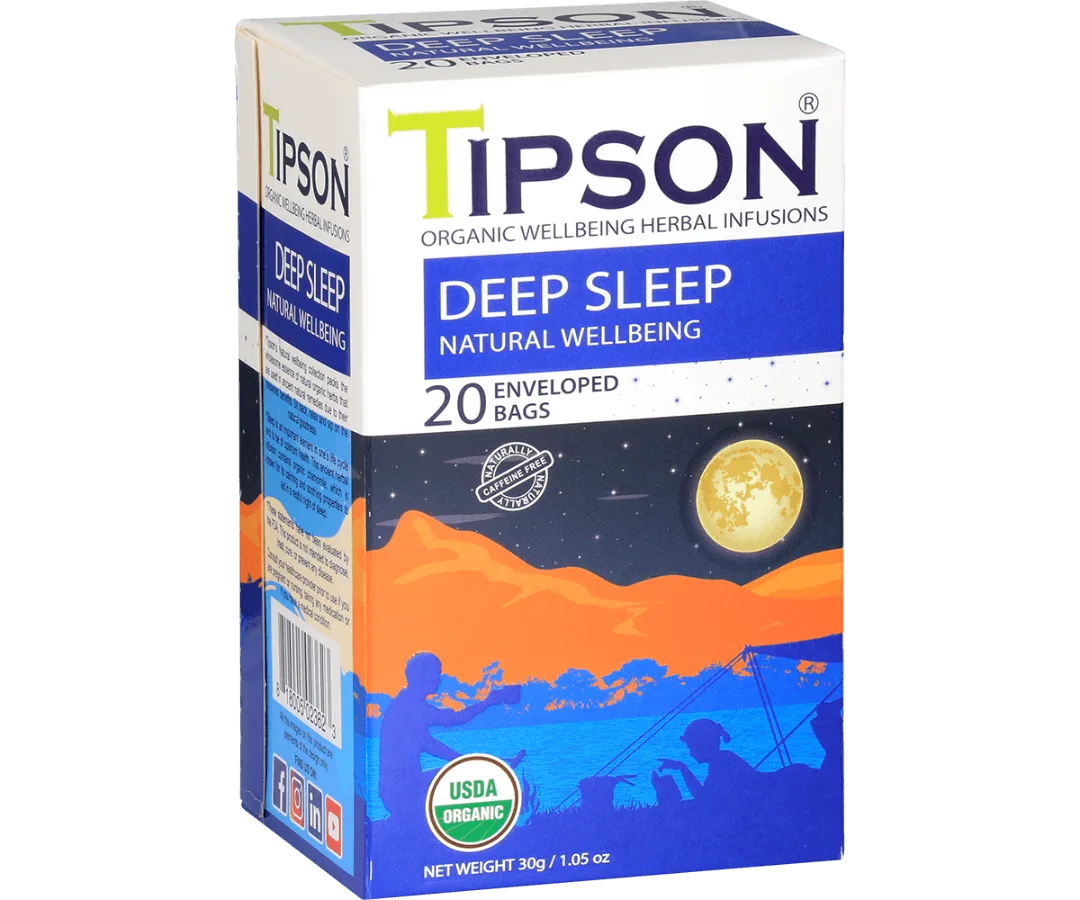
- Tipson Deep Sleep - Natural Wellbeing - 20 Enveloped Tea Bags: Contains organic chamomile known for its calming and soothing properties to aid in a restful night of sleep. Chamomile's delicate oils are easily lost; individual wrapping ensures each bag delivers a calming cup when you need it most.
Enveloped tea bags offer a smart balance of convenience and freshness. Whether you're brewing at home or on the go, understanding the format helps you pick a tea that stays flavorful and enjoyable. Look for quality ingredients and recyclable packaging to get the most from your cup.