Quick answer
Intergenerational healing in a Catholic context is the process of identifying and breaking patterns of sin or brokenness passed down through family lines, restoring spiritual health through prayer, sacraments, and informed reflection.
Why intergenerational healing matters for Catholic families
Many Catholics experience recurring struggles like addiction, anger, or broken relationships that seem to repeat across generations. The concept of intergenerational healing, rooted in Scripture and Church tradition, offers a way to understand these patterns as spiritual inheritance rather than mere coincidence.
This approach does not blame ancestors but invites families to recognize where sin has taken root and to seek God's grace for freedom. It complements the sacraments of Reconciliation and the Eucharist, providing a framework for ongoing spiritual growth.
Common misconceptions about generational sin
Some worry that intergenerational healing implies inherited guilt or that God punishes children for parents' sins. The Catechism of the Catholic Church (CCC 1857) clarifies that sin is personal, but its effects can ripple through families. Healing focuses on breaking these effects, not assigning blame.
Another misunderstanding is that a single prayer or ritual instantly resolves deep family wounds. True healing often requires sustained prayer, honest reflection, and sometimes professional counseling alongside spiritual guidance.
Frequently asked questions about intergenerational healing
Is intergenerational healing approved by the Catholic Church?
The Church does not have an official doctrine on intergenerational healing as a distinct practice, but the underlying principles—repentance, prayer for ancestors, and breaking sinful patterns—are consistent with Catholic teaching. Many priests and lay ministers use it as a pastoral tool. Seek guidance from a trusted spiritual director or pastor before starting.
How do I begin intergenerational healing in my family?
Start with prayerful reflection on your family history. Identify recurring issues like addiction, divorce, or abuse. Then, consider reading a resource like Sanación Intergeneracional to understand the patterns. Pray the Rosary or attend Mass for your ancestors, and consider a family healing prayer with a priest. Begin with one pattern at a time; do not try to address everything at once.
Can intergenerational healing replace the Sacrament of Reconciliation?
No. Intergenerational healing is a complementary practice, not a substitute for the sacraments. Regular Confession and receiving the Eucharist remain essential for personal and family spiritual health. Always prioritize sacramental life alongside any healing work.
A resource for deeper understanding
-
Sanación Intergeneracional: Sanación Intergeneracional explores how negative acts from ancestors can influence family bloodlines, with patterns like addictions and brutality appearing across multiple generations. This book gives Catholics a structured way to identify and pray through family patterns, making the abstract concept of intergenerational healing practical and actionable.
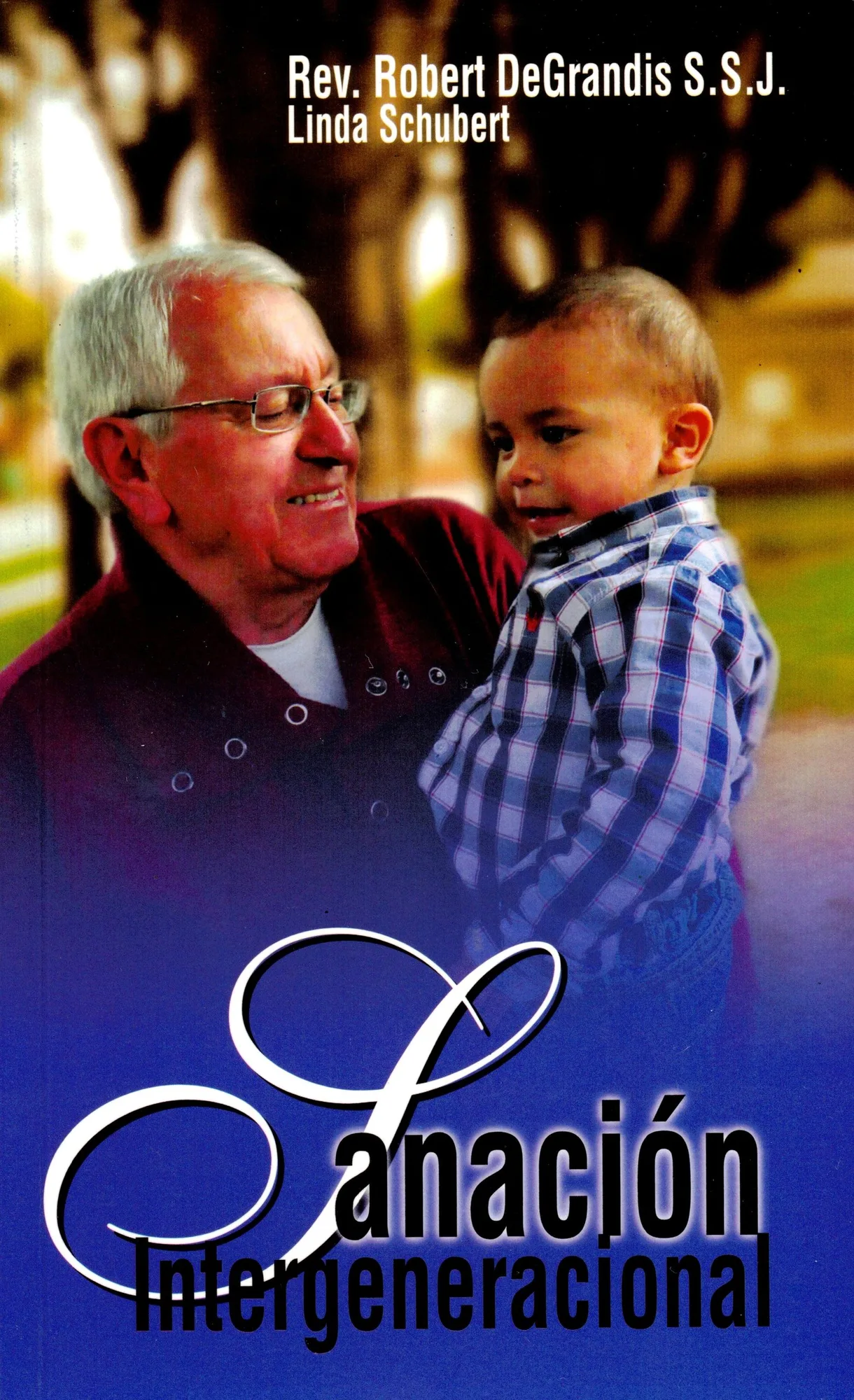
Sanación Intergeneracional