Quick Answer
Marine Screen is a mineral sunscreen that uses zinc oxide and nourishing sea minerals to protect skin from UV rays while supporting skin health. It's a reef-safe choice because it avoids oxybenzone and octinoxate, common chemical filters that harm coral reefs. For daily protection, choose a broad-spectrum SPF 50 formula and reapply every two hours.
Marine Screen has become a popular term in sun care, but what does it actually mean? In short, it refers to mineral sunscreens that combine zinc oxide with sea-derived ingredients like algae and minerals. These formulas offer broad-spectrum protection while delivering skin-nourishing benefits.
Unlike chemical sunscreens that absorb UV rays, mineral sunscreens sit on the skin's surface and reflect them. This makes them a preferred choice for sensitive skin and for those who want to avoid potentially irritating ingredients. Plus, many marine screen formulas are designed to be reef-safe, meaning they exclude oxybenzone and octinoxate.
How Does Marine Screen Work?
Marine screen sunscreens use active mineral ingredients like zinc oxide or titanium dioxide to physically block UV rays. These minerals form a protective barrier on the skin that reflects both UVA and UVB radiation. Because they don't absorb into the skin, they're less likely to cause irritation, making them suitable for sensitive skin types.
The 'marine' aspect comes from the inclusion of sea-derived ingredients such as seaweed, algae, and mineral-rich ocean extracts. These ingredients help hydrate, soothe, and support the skin's natural barrier. While they don't contribute to SPF, they enhance the overall skin experience, making mineral sunscreen feel more nourishing and less drying.
- Look for 'broad-spectrum' on the label to ensure UVA and UVB protection.
- Mineral sunscreens are often thicker, so apply in thin, even layers.
- Reapply every two hours, or immediately after swimming or sweating.
What Does SPF 50 Mean in Mineral Sunscreen?
SPF stands for Sun Protection Factor, and SPF 50 blocks approximately 98% of UVB rays. While no sunscreen blocks 100%, SPF 50 offers high protection, making it a solid choice for extended outdoor activities. However, SPF only measures UVB protection, so you still need broad-spectrum coverage for UVA rays.
When choosing a mineral sunscreen, SPF 50 is a practical option because it provides a high level of defense without the need for excessive reapplication. Still, no sunscreen is 'waterproof,' so reapply as directed. For daily wear, SPF 30 is often sufficient, but SPF 50 gives extra peace of mind during peak sun hours.
Is Marine Screen Reef-Safe?
Reef-safe sunscreens avoid ingredients like oxybenzone and octinoxate, which have been linked to coral bleaching. Marine screen formulas typically use non-nano zinc oxide, which sits on the skin and doesn't wash off into the ocean in a harmful form. Choosing a reef-safe sunscreen helps protect marine ecosystems while you enjoy the beach.
However, 'reef-safe' is not a regulated term, so it's important to check the ingredient list. Look for formulas that clearly state they are free of oxybenzone and octinoxate. Some brands also avoid other potentially harmful ingredients like parabens and phthalates, making them a cleaner choice for both your skin and the environment.
How to Apply Marine Screen for Best Protection
Apply marine screen sunscreen generously to all exposed skin 15 minutes before sun exposure. Use about a shot glass full for your body and a nickel-sized amount for your face. Don't forget often-missed areas like the ears, back of the neck, and tops of feet.
Mineral sunscreens can be a bit thicker, so take time to rub them in thoroughly. For the face, consider a lightweight formula that won't clog pores. If you're using makeup, apply sunscreen as the last step of your skincare routine, before foundation. Reapply every two hours, or more often if swimming or sweating.
Marine Screen FAQs
Is Marine Screen a chemical or mineral sunscreen?
Marine Screen is a mineral sunscreen, using zinc oxide to physically block UV rays. It does not contain chemical filters like oxybenzone or octinoxate. Mineral sunscreens are a gentler option for sensitive skin.
Can I use Marine Screen on my face?
Yes, but choose a formula specifically designed for the face to avoid heaviness. Look for non-comedogenic options to prevent clogged pores. Face-specific formulas are lighter and less likely to cause breakouts.
How often should I reapply Marine Screen?
Reapply every two hours, or immediately after swimming, sweating, or towel drying. Even water-resistant formulas need regular reapplication. Set a timer to remind yourself to reapply during outdoor activities.
Sea Mineral Sunscreen Products to Consider
- Anti-Aging Sea Serum - 0.19 fl oz: Target all signs of aging and support skin’s moisture barrier with one, powerful serum. Achieve a brighter complexion with this seaweed-enriched formula containing vitamin C, niacinamide, ceramides, and natural peptides. Improves look of skin elasticity, firmness and fine lines for more youthful-looking skin. Dermatologist tested and essential oil free. While not a sunscreen, this serum pairs well under SPF to boost skin's resilience and address aging concerns, making your daily protection routine more effective.
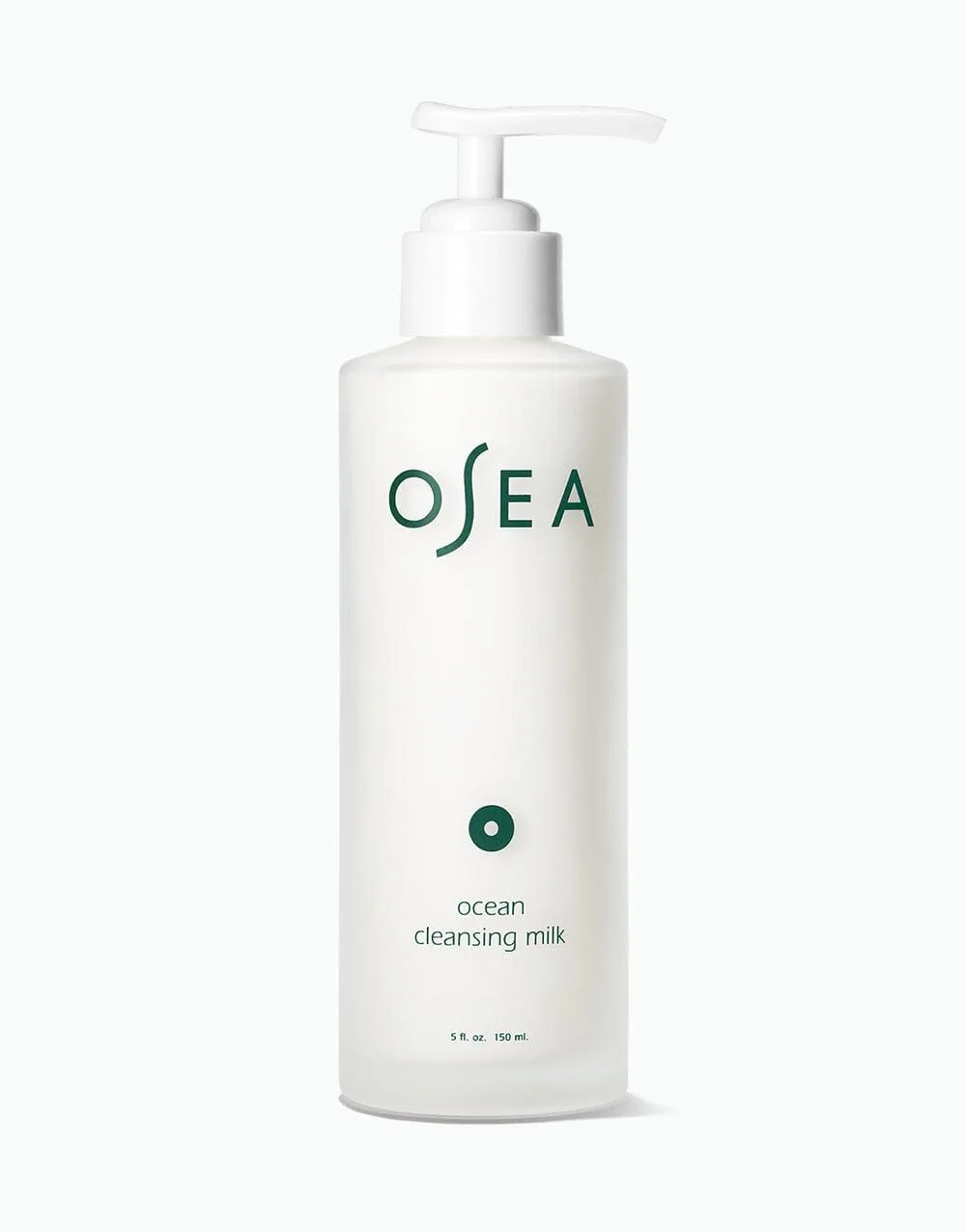
- https://oseamalibustore.com/products/ocean-cleansing-milk-0-6-fl-oz-51952Ocean Cleansing Milk - 0.6 fl oz: Our fragrance free facial cleanser melts away everything from dirt and debris to makeup all without stripping the skin’s moisture barrier. It gently cleanses to promote a clean, radiant complexion. This pH-balanced formula soothes dry skin so it’s left feeling smooth, healthy and hydrated. Dermatologist approved and safe for sensitive skin. Properly removing sunscreen at the end of the day is essential to prevent breakouts. This gentle cleanser ensures your skin is clean without disrupting its natural barrier.
Marine Screen offers a reef-safe, skin-friendly approach to sun protection by combining mineral filters with sea-derived nourishment. Whether you're spending a day at the beach or just commuting, a quality SPF 50 mineral sunscreen is a smart addition to your daily routine. Pair it with a gentle cleanser to keep your skin healthy and protected.