If you're new to the world of tea, you've probably heard of green and black varieties, but oolong tea often remains a delightful mystery. Sitting perfectly between green and black on the oxidation spectrum, oolong is a semi-oxidized tea that offers an incredible range of flavors, from light and floral to rich and toasty. This beginner's guide will walk you through everything you need to know about oolong tea, from its production and types to its health benefits and brewing tips.
Oolong tea, also known as wulong, originates from China and Taiwan, where skilled artisans have perfected the craft for centuries. What makes oolong so special is its partial oxidation, which allows for a complexity of taste that can evolve with each infusion. Whether you're a curious newcomer or a seasoned tea lover looking to expand your horizons, understanding oolong tea will open up a new world of sensory experiences.
What Exactly is Oolong Tea? Understanding Semi-Oxidized Tea
Oolong tea is a traditional Chinese tea made from the leaves of the Camellia sinensis plant, the same plant used to produce green, black, and white teas. The key difference lies in the processing: oolong is partially oxidized, meaning the leaves are allowed to react with oxygen for a controlled period before the oxidation is halted by heating. This results in a tea that has characteristics of both green tea (fresh, grassy) and black tea (bold, malty), but with its own unique profile of floral, fruity, or creamy notes.
The oxidation level of oolong tea can range from as low as 8% to as high as 85%, which is why you'll find such a wide variety of flavors. Lightly oxidized oolongs, like those from Taiwan, often have delicate floral and creamy notes, while heavily oxidized oolongs, such as those from China's Wuyi Mountains, can be rich, roasted, and mineral-like. The leaves are typically rolled or twisted into beautiful shapes that unfurl during brewing, releasing their complex aroma.
- Oolong is semi-oxidized, not fully oxidized like black tea or unoxidized like green tea.
- Oxidation levels range from 8% to 85%, creating a vast spectrum of flavors.
- The leaves are often rolled or twisted, making them visually stunning and aromatic.
The Health Benefits of Oolong Tea: More Than Just a Delicious Drink
Beyond its captivating taste, oolong tea benefits are widely celebrated in both traditional and modern wellness circles. Because oolong retains many of the antioxidants found in green tea while also developing new compounds during oxidation, it offers a unique blend of health-promoting properties. Studies suggest that oolong tea can help boost metabolism, support heart health, and improve mental alertness thanks to its moderate caffeine content and the amino acid L-theanine.
One of the most popular oolong tea benefits is its potential to aid in weight management. Research indicates that the polyphenols in oolong can increase fat oxidation and energy expenditure, making it a great addition to a balanced lifestyle. Additionally, the antioxidants in oolong may help reduce the risk of chronic diseases, improve skin health, and support digestion. For a truly unique twist, you can explore our Sangria Tea, which offers a fruity, non-alcoholic alternative that captures the spirit of oolong's versatility.
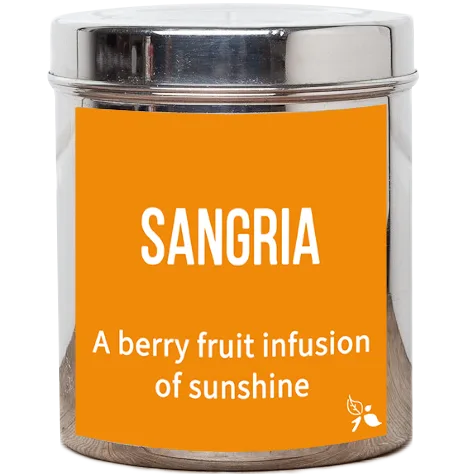
Sangria Tea
- Boosts metabolism and may aid in weight management.
- Rich in antioxidants that support heart and skin health.
- Provides a calm, focused energy due to balanced caffeine and L-theanine.
Exploring Oolong Tea Types: From Floral to Toasty
The world of oolong tea types is vast and exciting. Taiwanese oolongs, such as High Mountain (Gaoshan) oolong, are known for their creamy, floral character and light oxidation. In contrast, Chinese oolongs like Tieguanyin (Iron Goddess of Mercy) offer a more complex, orchid-like aroma with a smooth finish. For those who prefer a bolder experience, Wuyi Rock oolongs (Yancha) are heavily oxidized and roasted, delivering notes of stone fruit, cinnamon, and mineral earthiness.
If you enjoy experimenting with flavors, you might also appreciate blends that incorporate oolong as a base. For instance, our Christmas Cake Tea is a festive blend that combines the warmth of spices with the smoothness of oolong, perfect for cozy evenings. Similarly, the One in a Melon Tea offers a refreshing, fruity twist that pairs beautifully with the natural sweetness of oolong. Each cup is an adventure in taste.
- Taiwanese oolongs: light, floral, creamy (e.g., High Mountain).
- Chinese oolongs: medium to heavy oxidation, complex (e.g., Tieguanyin, Wuyi Rock).
- Flavored oolongs: blends with fruits, spices, or herbs for unique profiles.
How to Brew Oolong Tea Perfectly Every Time
Brewing oolong tea is an art that rewards patience and attention. For the best results, use water that is just below boiling (around 185-205°F or 85-96°C) depending on the oxidation level. Lighter oolongs benefit from cooler water, while darker, roasted oolongs can handle hotter temperatures. Use about 1 teaspoon of leaves per 8 oz cup, and steep for 2-5 minutes. One of the joys of oolong is that it can be infused multiple times—each steep revealing new layers of flavor.
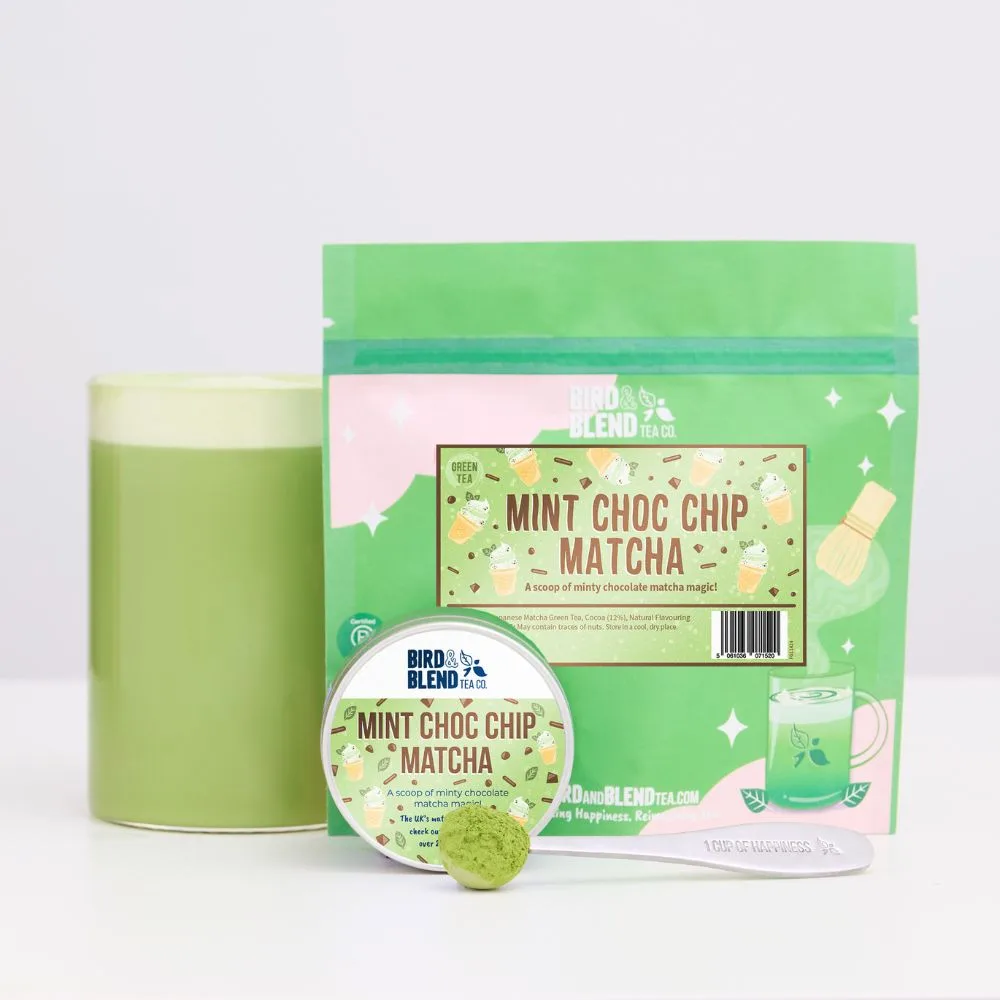
To elevate your oolong experience, consider using traditional teaware like a gaiwan or a small clay teapot, which allows for multiple short infusions. This method, known as gongfu cha, brings out the full complexity of the leaves. For a modern twist, our Mint Choc Chip Matcha offers a fun, minty alternative that's perfect for iced lattes, but for a classic oolong session, keep it simple and let the leaves speak for themselves.
- Water temperature: 185-205°F depending on oxidation.
- Steep time: 2-5 minutes, with multiple infusions possible.
- Use a gaiwan or small teapot for the traditional gongfu experience.
Why Oolong Tea is a Must-Try for Every Tea Lover
Oolong tea is a bridge between the familiar and the exotic. Its semi-oxidized nature means it can appeal to fans of both green and black tea, while its incredible variety ensures there's always something new to discover. Whether you're drawn to the creamy floral notes of a Taiwanese oolong or the bold, roasted character of a Chinese rock oolong, this tea category offers depth and complexity that few other beverages can match.
For those who love to explore, oolong also pairs wonderfully with other ingredients. You can enjoy it plain or use it as a base for creative blends. Our Island Sunrise Tea is a vibrant, fruity option that combines the best of oolong with tropical flavors, making it a perfect choice for summer sipping. Don't be afraid to experiment—oolong is a tea that rewards curiosity.
- Appeals to both green and black tea drinkers.
- Offers endless variety from floral to toasty.
- Pairs well with fruits, spices, and herbs for creative blends.
Oolong tea is a journey, not just a drink. Its semi-oxidized nature, rich history, and diverse flavor profiles make it a treasure trove for any tea enthusiast. Whether you're just starting out or looking to deepen your appreciation, we invite you to explore our selection of premium oolong-inspired blends. Start your adventure today with our Island Sunrise Tea, a delightful fusion that captures the essence of oolong's versatility. Happy sipping!