Exfoliation is a cornerstone of healthy, glowing skin, but not all exfoliators are created equal. If you have sensitive or reactive skin, the thought of harsh scrubs or strong chemical peels might make you cringe. Enter the peeling gel—a gentle yet effective exfoliant that has become a cult favorite in K-beauty and beyond. But what exactly is a peeling gel, and how often should you use it to get the best results without irritation?
In this guide, we’ll break down everything you need to know about peeling gels, including how they work, their benefits, and how to incorporate them into your skincare routine. Whether you’re new to exfoliation or looking to switch to a gentler method, this article will help you understand why a brightening peeling gel might be the missing step in your regimen.
What Is a Peeling Gel?
A peeling gel is a type of physical exfoliant that uses cellulose fibers or plant-based ingredients to gently roll away dead skin cells, dirt, and excess oil when massaged onto the skin. Unlike traditional scrubs with rough particles that can cause micro-tears, peeling gels have a smooth, gel-like texture that transforms into soft clumps as you massage. This process is often called 'gelling' or 'balling up,' and it’s the key to their gentle exfoliating action.
Most peeling gels are formulated with soothing ingredients like fruit extracts, aloe vera, or glycerin to hydrate and calm the skin while exfoliating. They are suitable for all skin types, including sensitive and acne-prone skin, because they don’t rely on harsh abrasives or strong acids. Instead, they lift impurities without stripping the skin’s natural barrier, making them an excellent choice for a regular exfoliating gel routine.
- Typical peeling gel ingredients: cellulose, papaya extract, aloe vera, green tea, or salicylic acid (for acne-prone skin).
How Does a Peeling Gel Differ from Other Exfoliants?
To understand where a peeling gel fits in your routine, it helps to compare it to other common exfoliants. Physical scrubs use granular particles (like sugar or microbeads) to manually buff the skin, which can be too harsh for sensitive areas. Chemical exfoliants (AHAs and BHAs) dissolve dead skin cells using acids, which can cause stinging or irritation if overused. Peeling gels sit in a sweet spot: they provide physical exfoliation without the abrasiveness, and they often include mild chemical exfoliants for added benefits.
For example, a brightening peeling gel might combine gentle physical exfoliation with vitamin C or licorice root extract to even out skin tone. This dual-action approach makes them ideal for those who want a quick, visible glow without downtime. Many users also find that peeling gels are easier to control than scrubs, as you can adjust pressure and duration based on your skin’s sensitivity.
- Best for: sensitive, dry, or combination skin that reacts to acids or harsh scrubs.
How Often Should You Use a Peeling Gel?
The frequency of peeling gel use depends on your skin type and the specific product. For most skin types, using a peeling gel 1–2 times per week is sufficient to maintain smooth, glowing skin without over-exfoliating. If you have oily or acne-prone skin, you might be able to use it up to 3 times per week, but always monitor your skin for signs of irritation like redness or tightness. For dry or sensitive skin, once a week is a safe starting point.
It’s important to remember that peeling gels are not meant to be used daily—over-exfoliation can compromise your skin barrier, leading to increased sensitivity and breakouts. A good rule of thumb is to start with once a week and gradually increase frequency if your skin tolerates it well. Always follow up with a hydrating toner or moisturizer to replenish moisture after exfoliation.
- Start slow: once a week, then adjust based on your skin’s response.
Step-by-Step Exfoliating Gel Routine
To get the most out of your peeling gel, follow this simple routine. First, cleanse your face with a gentle cleanser to remove makeup and surface dirt. Pat your skin dry—peeling gels work best on dry or slightly damp skin. Apply a generous amount of the gel to your face, avoiding the eye and lip areas. Gently massage in circular motions for 1–2 minutes until you see small clumps forming. Those clumps are dead skin and impurities being lifted away.
Rinse thoroughly with lukewarm water and pat dry. Follow up with a hydrating toner, serum, or sheet mask to soothe and nourish your skin. For an extra boost, consider using a product like the Hyaluronic Collagen Sheet Mask Pack (15 Sheets) after exfoliation to deliver intense hydration and plumpness. This step helps restore moisture and enhances your skin’s natural glow. Avoid using other exfoliating products on the same day to prevent irritation.
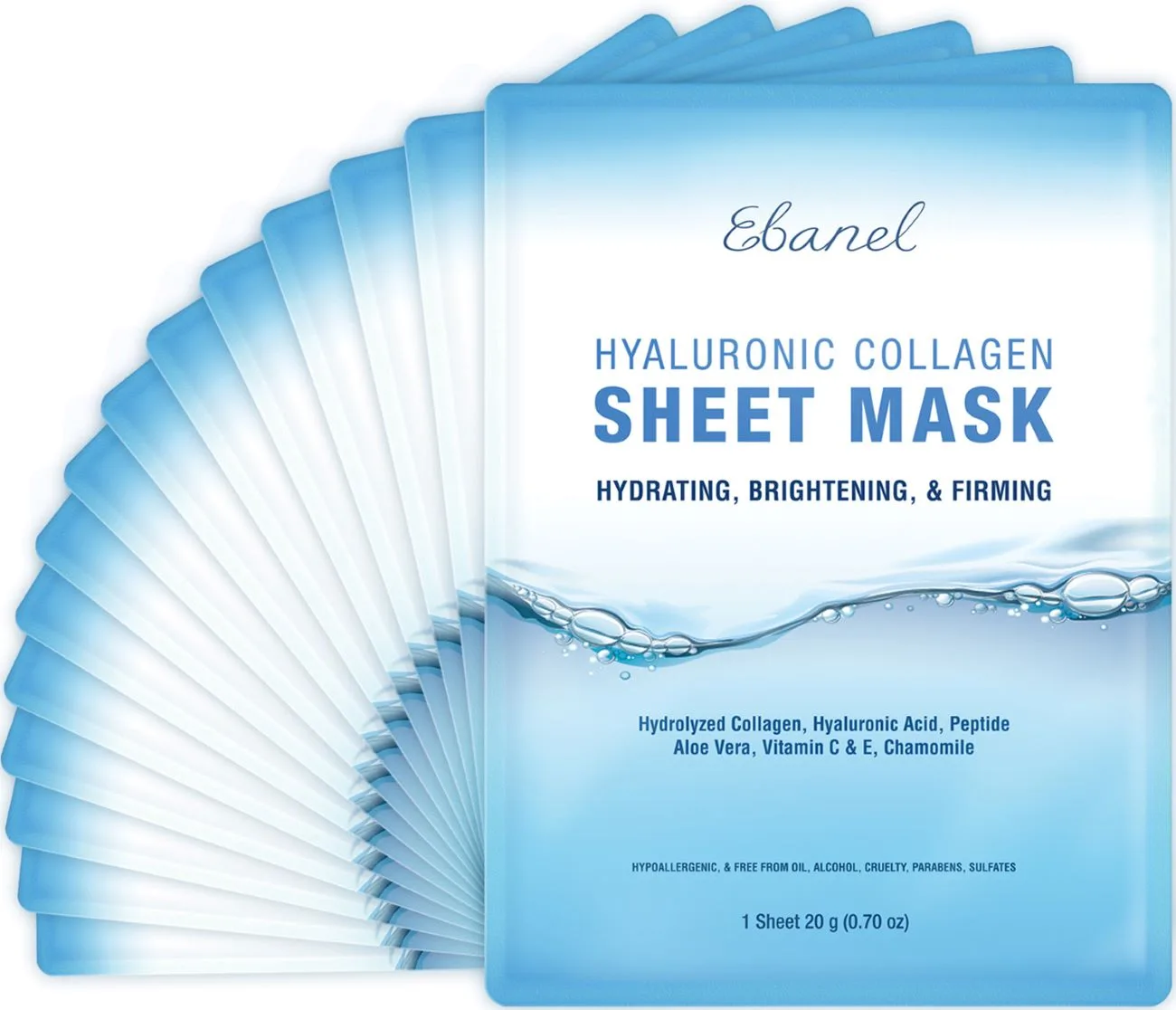
Hyaluronic Collagen Sheet Mask Pack (15 Sheets)
- Pro tip: Use a peeling gel in the evening so your skin has overnight to recover and absorb post-exfoliation treatments.
Choosing the Right Peeling Gel for Your Skin
Not all peeling gels are created equal, so it’s important to choose one that matches your skin concerns. If you struggle with dullness or uneven texture, look for a brightening peeling gel with ingredients like vitamin C, niacinamide, or fruit enzymes. For acne-prone skin, opt for a formula with salicylic acid or tea tree oil to help unclog pores. If hydration is your priority, choose a gel with hyaluronic acid or aloe vera.
For a comprehensive skincare boost, you can pair your peeling gel with other gentle exfoliating products. For instance, incorporating a product like the Collagen + Peptide Infusion Mask (8-Pack) into your weekly routine can complement the exfoliation by delivering anti-aging peptides and collagen. This combination helps maintain a healthy skin barrier while promoting firmness and elasticity.
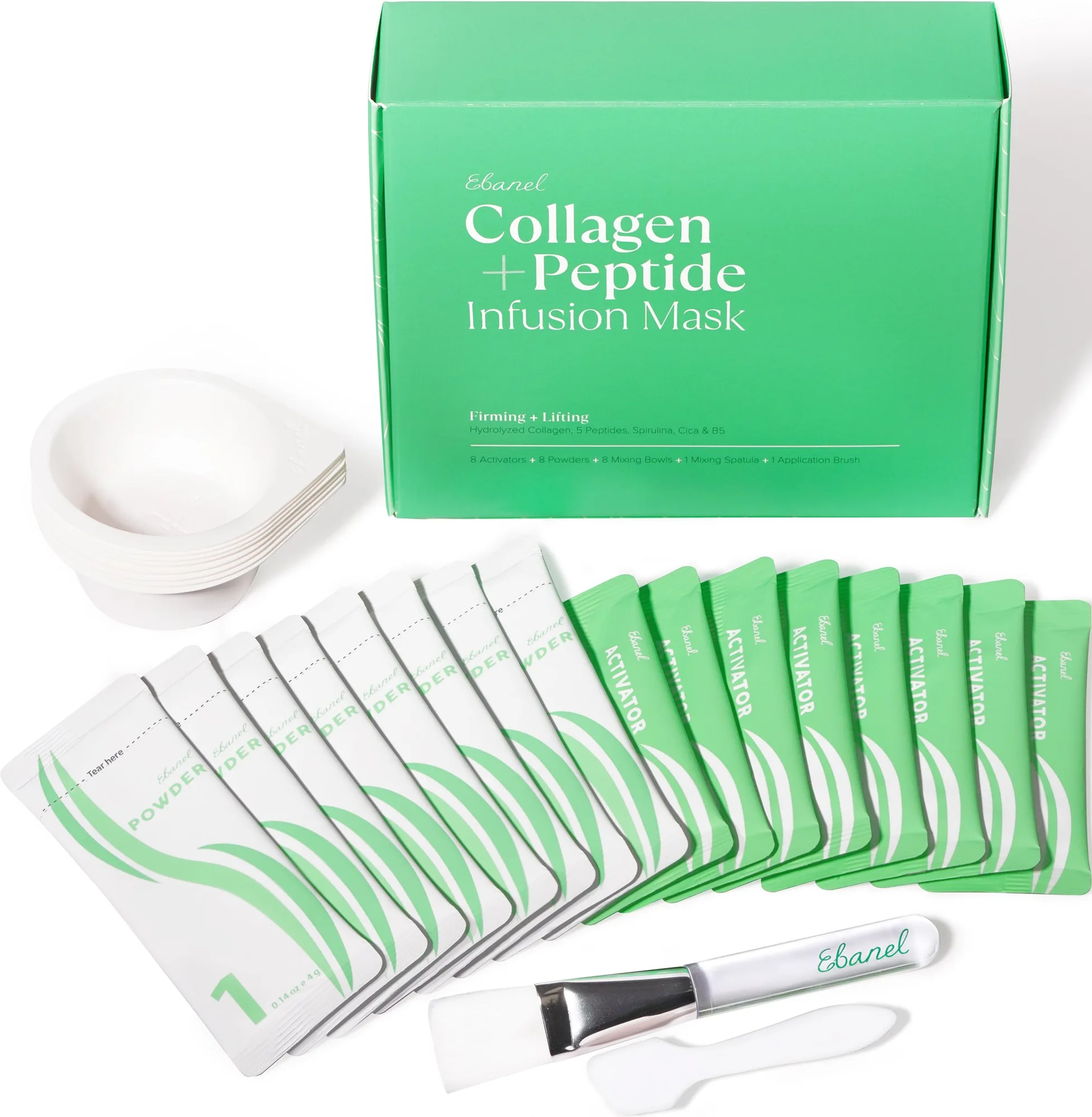
Collagen + Peptide Infusion Mask (8-Pack)
- Look for fragrance-free or hypoallergenic options if you have highly sensitive skin.
Common Mistakes to Avoid When Using a Peeling Gel
Even though peeling gels are gentle, there are a few pitfalls to avoid. First, don’t apply the gel to wet skin—it needs some friction to work effectively. Second, avoid rubbing too vigorously; gentle circular motions are enough. Third, don’t leave the gel on your face for more than a few minutes—it’s not a mask. Finally, don’t combine peeling gels with strong active ingredients like retinol or high-concentration acids on the same day, as this can over-exfoliate your skin.
Another common mistake is using a peeling gel on broken or irritated skin. If you have active acne lesions, sunburn, or eczema, skip exfoliation until your skin heals. Also, always patch test a new product on your jawline or inner arm before using it on your face, especially if you have sensitive skin.
- Remember: less is more. A pea-sized amount is usually enough for the whole face.
Incorporating a peeling gel into your skincare routine is a game-changer for achieving smooth, radiant skin without the irritation of harsh exfoliants. By using it 1–2 times per week and following a consistent exfoliating gel routine, you can reveal a brighter, more even complexion. For an extra boost of hydration and glow, try the Hyaluronic Collagen Sheet Mask Pack (15 Sheets) after your peeling gel session—it’s the perfect way to lock in moisture and pamper your skin.