If you’ve ever browsed a specialty coffee menu or visited a modern roastery, you’ve likely seen the term single-origin coffee. But what does it really mean, and why has it become such a buzzword among coffee enthusiasts? At its core, single-origin coffee refers to beans sourced from one specific region, farm, or cooperative, offering a distinct taste that reflects its unique environment. Unlike blends, which combine beans to achieve a consistent flavor, single-origin coffees celebrate the terroir—the soil, climate, and altitude—that shapes every sip.
For coffee drinkers who crave authenticity and complexity, exploring coffee origins is a journey of discovery. Whether you’re a seasoned barista or a curious beginner, understanding single-origin coffee can transform your morning ritual. In this guide, we’ll break down the basics, highlight why it matters, and share tips for brewing your own single-origin masterpiece at home.
What Defines Single-Origin Coffee?
Single-origin coffee is exactly what it sounds like: coffee that comes from a single place. This can be a single farm, a group of smallholder farmers in one region, or a specific country. The key is traceability. When you buy a bag of single-origin beans, you can often trace them back to a particular harvest, processing method, and even the farmer who grew them. This transparency is a hallmark of the specialty coffee movement, which prioritizes quality and ethical sourcing.
In contrast, coffee blends are created by mixing beans from multiple origins to produce a balanced, consistent flavor profile. Blends are great for espresso-based drinks where uniformity is key, but single-origin coffees shine when you want to experience the unique character of a region. For example, a washed coffee from Kenya might offer bright acidity and blackcurrant notes, while a natural-processed Brazilian bean could be nutty and chocolatey. Each origin tells a story.
- Traceability: Know exactly where your coffee comes from.
- Terroir: Flavor influenced by altitude, soil, and climate.
- Processing: Washed, natural, or honey methods affect taste.
- Seasonality: Single-origin beans are often available for limited harvests.
Why Does Single-Origin Coffee Matter?
Single-origin coffee matters for several reasons, from flavor to ethics. First, it offers a purity of taste that blends can’t match. Each cup is a snapshot of a specific place and time, allowing you to appreciate the nuances of a coffee’s origin. For those who love exploring coffee flavor profiles, single-origin beans are like a wine tasting—each variety has its own personality. You might discover floral notes in an Ethiopian Yirgacheffe or a syrupy sweetness in a Colombian Geisha.
Second, single-origin sourcing often supports sustainable and fair-trade practices. By buying directly from farmers or cooperatives, roasters can pay higher prices for quality beans, which benefits communities and encourages better farming methods. This direct relationship also means you’re getting fresher, more carefully handled coffee. For instance, a single-origin like the Nguvu Washed from WatchHouse is a perfect example of how traceability and quality come together in a cup that’s both complex and rewarding.
- Flavor variety: From fruity to chocolatey, every origin is different.
- Ethical impact: Direct trade supports farmers and the environment.
- Freshness: Single-origin beans are often roasted to order.
- Education: Learn about geography, processing, and tasting.
How to Brew Single-Origin Coffee at Home
Brewing single-origin coffee at home is easier than you think, and the right equipment can make all the difference. Start with fresh, whole beans and grind them just before brewing. A burr grinder ensures a consistent grind size, which is crucial for extracting the full flavor. For pour-over methods, consider using the Aeropress x Sibarist Disc 63 Papers for a clean, bright cup that highlights delicate notes. These paper filters are designed to maximize clarity, making them ideal for single-origin coffees with fruity or floral profiles.
Water temperature and brew time also matter. Aim for water between 195°F and 205°F (90-96°C) and adjust your grind to achieve a brew time of 2.5 to 4 minutes, depending on the method. A gooseneck kettle, like the Fellow Stagg EKG Electric Kettle, gives you precise control over pouring, which helps evenly saturate the coffee grounds. Experiment with different ratios—a common starting point is 60 grams of coffee per liter of water. With practice, you’ll unlock the full potential of your single-origin beans.
- Use fresh, single-origin beans and grind right before brewing.
- Choose a brew method that suits the flavor profile (e.g., pour-over for clarity, French press for body).
- Control water temperature and pour rate for even extraction.
- Taste and adjust: small changes can dramatically affect the cup.
Exploring Coffee Origins: A World of Flavor
One of the most exciting aspects of single-origin coffee is the diversity of coffee origins. Africa is known for bright, fruity, and floral coffees—Ethiopian beans often have blueberry or jasmine notes, while Kenyan coffees are prized for their wine-like acidity. Latin American origins, like Colombia and Costa Rica, tend to be balanced with caramel, nut, and citrus flavors. Asia and the Pacific, including Sumatra and Papua New Guinea, offer earthy, herbal, and spicy profiles with full body.
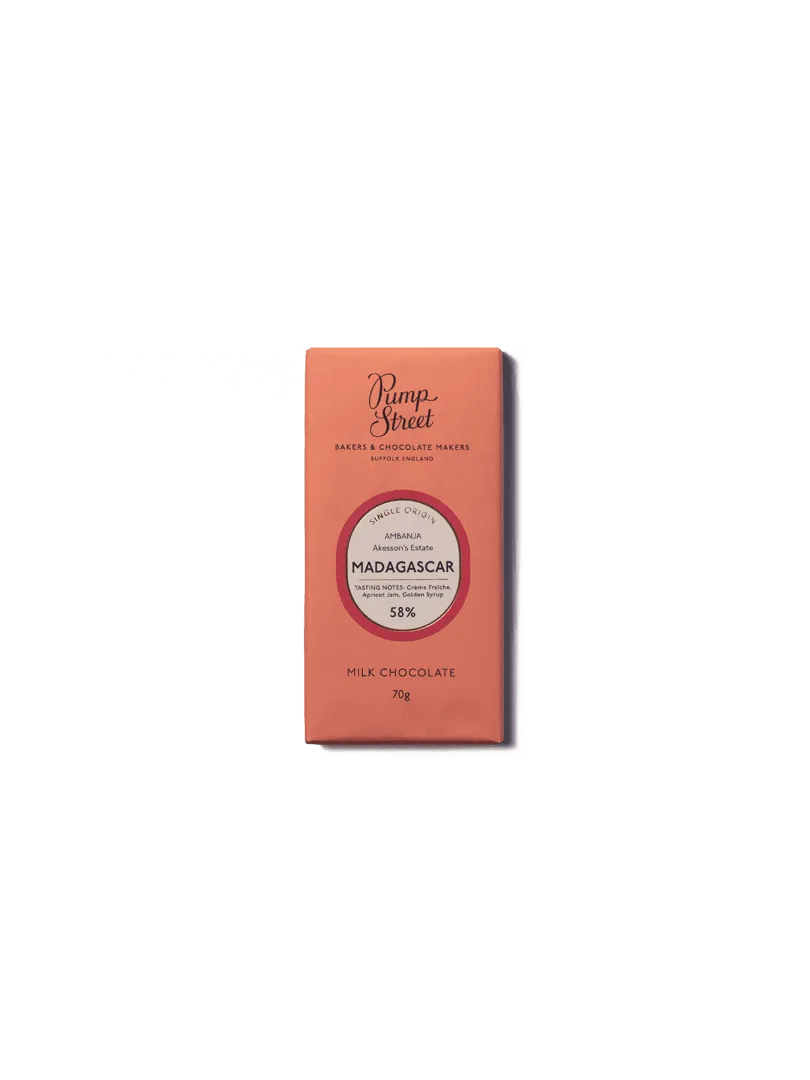
When you buy single-origin coffee, you’re not just buying a product; you’re investing in a story. For example, the Nguvu Washed from WatchHouse comes from a specific region in Africa, delivering a clean, vibrant cup with bright acidity and a silky mouthfeel. Pair it with a dark chocolate like the Pump Street Madagascar 58% milk chocolate for a tasting experience that highlights both the coffee’s fruitiness and the chocolate’s creamy sweetness. This kind of pairing is a delightful way to explore how different flavors complement each other.
- Africa: Bright, floral, and fruity (e.g., Ethiopia, Kenya).
- Latin America: Balanced, nutty, and chocolatey (e.g., Colombia, Brazil).
- Asia/Pacific: Earthy, herbal, and full-bodied (e.g., Sumatra, Indonesia).
- Try origin-specific pairings with chocolate or pastries for a full sensory experience.
Whether you’re a seasoned coffee lover or just beginning your journey, single-origin coffee opens the door to a world of flavor and connection. By choosing beans that are traceable and ethically sourced, you not only enjoy a superior cup but also support the farmers and communities behind it. Ready to taste the difference? Explore our selection of single-origin coffees, starting with the Nguvu Washed, and discover a new favorite today.