Your skin barrier is the unsung hero of healthy, glowing skin. It’s the outermost layer of your epidermis, often called the stratum corneum, and it acts as a shield against environmental aggressors like pollution, bacteria, and UV rays, while locking in moisture and essential nutrients. When this barrier is strong and intact, your skin looks plump, smooth, and radiant. But when it’s compromised — whether from over-exfoliation, harsh weather, or using the wrong products — you may experience redness, dryness, irritation, and breakouts. Understanding what the skin barrier is and how to repair it is essential for anyone looking to maintain long-term skin health.
In this guide, we’ll dive deep into the science of the skin barrier, explore the telltale signs of damage, and outline a step-by-step approach to restoring it. We’ll also highlight key products from Facetheory that can support your barrier repair journey, including the Replenamist Hydrating Toner and Retinal Supreme MultiCream, both formulated with gentle yet effective ingredients to strengthen and soothe your skin.
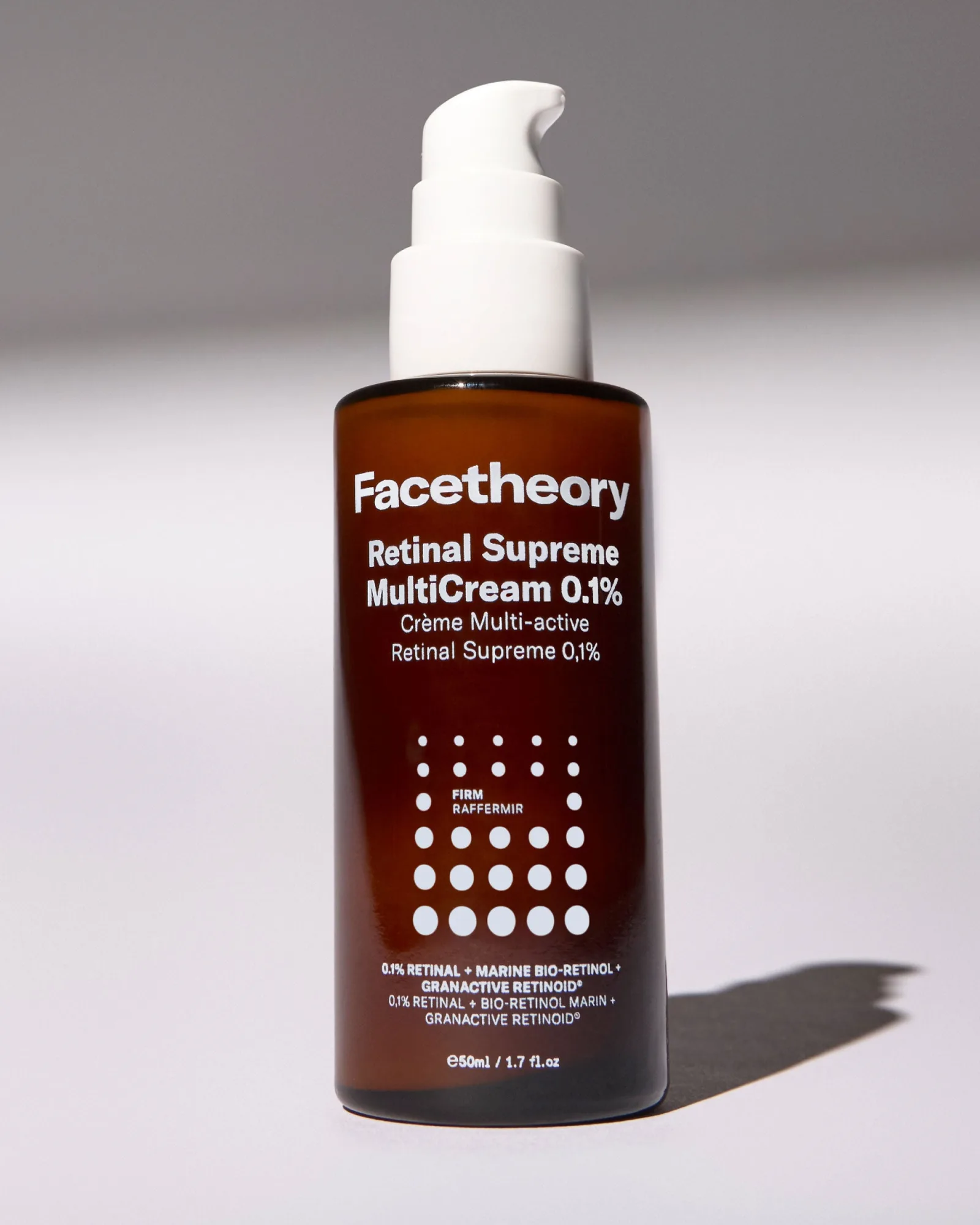
Retinal Supreme MultiCream
What Is the Skin Barrier?
The skin barrier, also known as the moisture barrier or acid mantle, is composed of corneocytes (dead skin cells) held together by a lipid matrix rich in ceramides, cholesterol, and fatty acids. Think of it as a brick wall: the corneocytes are the bricks, and the lipids are the mortar that keeps everything sealed and protected. This structure prevents water loss (transepidermal water loss, or TEWL) and blocks harmful substances from penetrating deeper into the skin.
A healthy skin barrier maintains a slightly acidic pH of around 4.5 to 5.5, which supports beneficial bacteria and enzyme activity. When the barrier is disrupted, pH rises, leading to inflammation, sensitivity, and a higher risk of infection. Common causes of barrier damage include using harsh cleansers, over-exfoliating with acids or retinoids, excessive sun exposure, and environmental factors like cold, dry air or central heating.
- Ceramides, cholesterol, and fatty acids are the key lipids that keep the barrier intact.
- A compromised barrier leads to increased TEWL, making skin feel tight, itchy, or flaky.
- Avoiding harsh sulfates and alcohol-based products is the first step in barrier protection.
Signs Your Skin Barrier Is Damaged
If you’re wondering whether your skin barrier needs repair, look for these common symptoms: persistent redness, dryness, flaking, a stinging or burning sensation when applying products, increased breakouts (often due to irritation rather than clogged pores), and a dull, uneven complexion. You might also notice that your skin reacts more strongly to ingredients you previously tolerated, such as vitamin C or niacinamide.
Another telltale sign is that your moisturiser no longer feels hydrating enough — it may sit on the surface or evaporate quickly, leaving your skin feeling tight within minutes. This is a classic indicator of impaired barrier function. If you experience any of these symptoms, it’s time to strip back your routine and focus on gentle, nourishing products that support barrier repair.
- Redness and inflammation that doesn’t subside with soothing products.
- Increased sensitivity to active ingredients like retinol or acids.
- A feeling of tightness or ‘pulling’ after cleansing, even with a gentle cleanser.
How to Repair Your Skin Barrier: Step-by-Step
Repairing a damaged skin barrier requires patience and a simplified routine. The first step is to stop using any harsh actives — including AHAs, BHAs, retinoids, and high-concentration vitamin C — until your skin feels calm. Switch to a gentle, non-foaming cleanser that respects your skin’s pH, and follow up with a hydrating toner like the Replenamist Hydrating Toner, which delivers a boost of glycerin and panthenol to soothe and rebalance the skin without stripping it.
Next, incorporate a moisturiser rich in barrier-repairing lipids. The Retinal Supreme MultiCream is an excellent choice because it combines retinal (a gentler retinoid) with moisturising ingredients like shea butter and squalane, helping to strengthen the barrier while gently promoting cell turnover. For daytime, always finish with a broad-spectrum SPF to protect the fragile barrier from UV damage, which can worsen inflammation and slow healing.
- Simplify your routine: cleanse, tone, moisturise, and protect (SPF).
- Look for ingredients like ceramides, niacinamide, panthenol, and squalane.
- Avoid exfoliating or using strong actives for at least 2–4 weeks.
Key Ingredients for Barrier Repair
Certain ingredients are scientifically proven to accelerate barrier repair. Ceramides are the most critical — they mimic the skin’s natural lipids and help fill in the gaps between corneocytes. Niacinamide (vitamin B3) boosts ceramide production and reduces inflammation. Panthenol (pro-vitamin B5) acts as a humectant and soothes irritation, while squalane and shea butter provide occlusive protection to prevent water loss.
The Replenamist Hydrating Toner is formulated with panthenol and glycerin to deliver instant hydration and calm stressed skin. For a more intensive repair step, the Retinal Supreme MultiCream includes retinal (a gentle retinoid that supports barrier function over time) alongside squalane and shea butter, making it a multitasking product for both anti-aging and barrier protection. Using these products consistently can help restore your skin’s resilience and glow.
- Ceramides are the gold standard for barrier repair — look for them in moisturisers.
- Niacinamide helps reduce redness and strengthens the barrier over time.
- Occlusives like shea butter and squalane lock in moisture and prevent TEWL.
Building a Barrier-Safe Moisturising Routine
A barrier-friendly routine should focus on hydration and protection at every step. Start with a gentle, pH-balanced cleanser, then apply the Replenamist Hydrating Toner while your skin is still damp to maximise absorption. Follow with a lightweight serum if desired (avoiding actives), and finish with a rich moisturiser like the Retinal Supreme MultiCream to seal everything in. In the morning, add a zinc oxide or mineral SPF to shield the barrier from UV rays.
Remember that consistency is key — barrier repair can take anywhere from two weeks to several months, depending on the severity of damage. Avoid the temptation to pile on multiple products; instead, let your skin breathe and respond to the gentle care you’re providing. Over time, you’ll notice reduced redness, improved hydration, and a smoother, more even complexion.
- Apply toner to damp skin for better absorption and hydration.
- Use a gentle, fragrance-free moisturiser twice daily.
- Protect your barrier with SPF 30+ every single day.
Repairing your skin barrier is one of the most transformative steps you can take for your skin’s health and appearance. By understanding what it is, recognising the signs of damage, and adopting a gentle, targeted routine with products like the Replenamist Hydrating Toner and Retinal Supreme MultiCream, you can restore your skin’s natural defences and achieve a calm, radiant complexion. Start your barrier repair journey today and give your skin the care it truly deserves.