You've seen the term 'specialty coffee' on bags, menus, and brewing guides. But what does it actually mean? Is it just a marketing label, or is there a strict definition behind it? The truth is, specialty coffee is a formal grade assigned to beans that meet rigorous quality standards set by the Specialty Coffee Association of America (SCAA) and other certifying bodies. Understanding this grading system can transform how you choose, brew, and enjoy your daily cup.
In this article, we'll break down the specialty coffee grading process, from farm to cupping table. You'll learn what scores beans must achieve, the criteria that matter most, and how to use this knowledge to select truly exceptional coffee. Whether you're a curious beginner or a seasoned enthusiast, knowing the grade of your beans is the first step toward a richer coffee experience.
The SCAA Grading System: From Defects to Cupping Scores
The SCAA (now part of the Specialty Coffee Association) established a universal framework for evaluating green coffee beans. The process begins with a physical inspection: a sample of 350 grams of green beans is examined for primary and secondary defects. Primary defects include full black beans, sour beans, insect damage, or mold. Secondary defects include broken beans, partial black beans, or shells. For a coffee to qualify as specialty grade, it must have zero primary defects and fewer than five secondary defects. This strict threshold ensures that only the cleanest, healthiest beans move forward.
After the physical grading, the coffee undergoes a cupping evaluation—a standardized tasting process. Certified cuppers score the coffee on a 100-point scale across categories like fragrance/aroma, flavor, aftertaste, acidity, body, balance, uniformity, clean cup, sweetness, and overall impression. A coffee must score 80 points or higher to be classified as specialty grade. Coffees scoring 90-100 are considered 'exemplary' and often come from single-origin microlots. This rigorous system separates commodity coffee from the truly exceptional.
- Primary defects: full black, sour, insect-damaged, or moldy beans (zero allowed for specialty grade)
- Secondary defects: broken, partial black, or shell beans (fewer than five allowed)
- Cupping score: minimum 80 points on a 100-point scale to earn specialty classification
What the Cupping Score Means for Your Cup
The cupping score isn't just a number—it's a direct reflection of the coffee's flavor potential. Coffees scoring 80-84 are considered 'good' specialty, offering clean, balanced profiles with pleasant acidity and body. Those scoring 85-89 are 'excellent,' showcasing distinctive flavor notes like fruit, chocolate, or floral tones. Coffees above 90 are rare and often command premium prices due to their unique terroir and meticulous processing. When you see a bag labeled with a cupping score, you can trust that the roaster has highlighted a bean that performs exceptionally in the cup.
For example, a single-origin like Yirgacheffe, Organic Ethiopia often scores in the 85-89 range, prized for its bright, floral acidity and tea-like body. Meanwhile, a carefully crafted blend like Foundation, Blend may aim for a balanced 82-84 score, designed for versatility across brewing methods. Understanding these scores helps you choose coffee that matches your taste preferences—whether you crave a bright, fruity cup or a smooth, chocolatey brew. Always look for the score on the bag or the roaster's website to make an informed purchase.
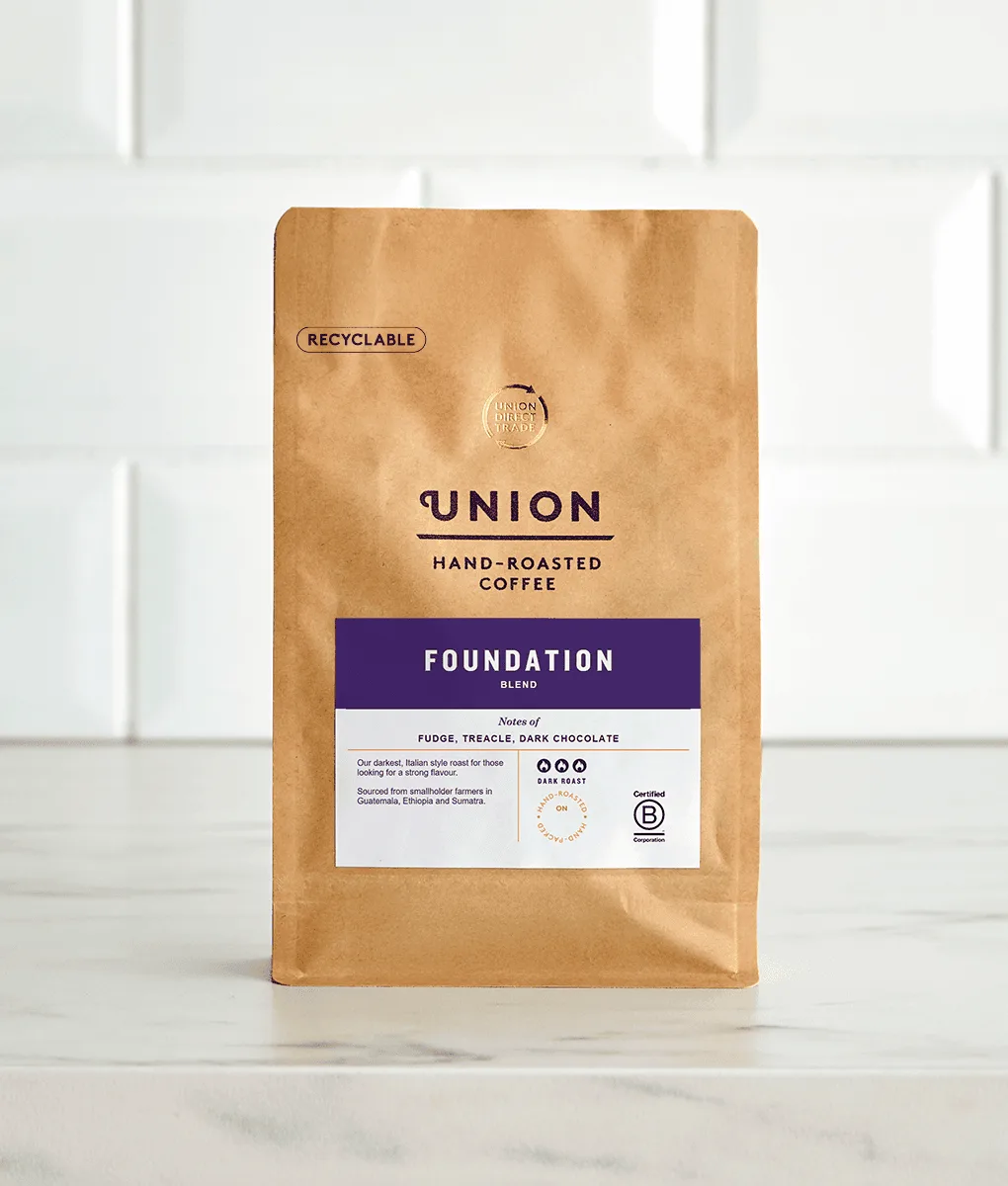
Foundation, Blend
- 80-84: Good specialty, clean and balanced
- 85-89: Excellent, distinctive flavor notes
- 90-100: Exemplary, rare microlots with unique profiles
Beyond the Score: Other Quality Indicators
While the cupping score is the gold standard, other factors influence overall coffee quality. Altitude, processing method, and varietal all play a role. Higher altitudes (above 1,200 meters) generally produce denser beans with more complex acidity and flavor. Washed (wet) processing yields clean, bright cups, while natural (dry) processing enhances fruity, wine-like notes. Single-origin coffees from specific farms or cooperatives often offer traceability that supports quality control.
Roast date is another critical indicator. Specialty coffee is best consumed within two to four weeks of roasting to capture peak freshness. Storing beans in an airtight container, such as the Airscape Coffee Storage, helps preserve volatile aromatics and extends shelf life. Additionally, proper grinding and brewing equipment—like a V60 Hario Ceramic dripper or a Hario Mini Mill Hand Grinder—ensures you extract the full potential of specialty-grade beans. Investing in quality gear is just as important as selecting high-scoring coffee.
- Altitude: Higher elevations often mean denser, more flavorful beans
- Processing: Washed for clarity, natural for fruitiness
- Freshness: Use within 2-4 weeks of roast date; store in an airtight container
How to Identify Specialty Coffee When Shopping
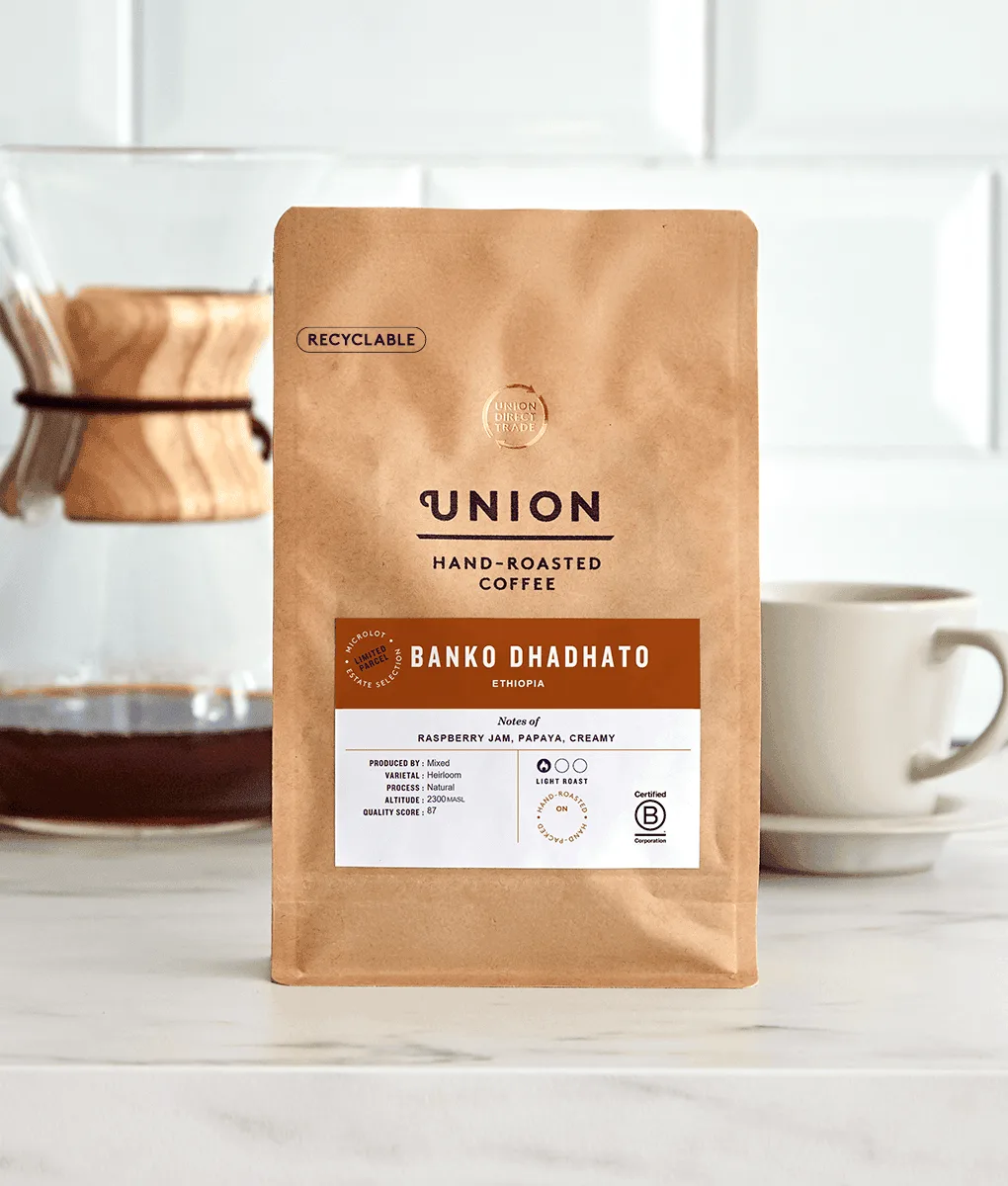
When browsing online or in a café, look for specific indicators that a coffee is specialty grade. The bag should display the origin, altitude, processing method, and ideally a cupping score. Roasters often include tasting notes like 'blueberry,' 'dark chocolate,' or 'jasmine.' Certifications like organic, Fair Trade, or Rainforest Alliance can also signal quality, though they are not synonymous with specialty grade. Always check the roast date—freshness is non-negotiable.
For example, a single-origin like Timana, Colombia might be labeled with a score of 86 and notes of caramel and red apple. A blend like Union Signature Selection, 2 pack is often crafted to deliver consistent quality across multiple brewing methods. If you're new to specialty coffee, start with a well-rated single origin or a trusted blend from a reputable roaster. Many specialty roasters offer sample packs or subscriptions to help you explore different profiles without committing to a full bag.
- Check for cupping score, origin, altitude, and processing method on the bag
- Look for a roast date within the past month
- Start with a single origin or a curated blend to discover your preferences
Understanding the specialty coffee grading system empowers you to make smarter choices and appreciate the craftsmanship behind every cup. Next time you shop, look for beans that score 80+ and are freshly roasted. Explore our curated selection of specialty-grade coffees, including the Foundation Blend, to experience the difference quality makes. Start your journey toward a better brew today.