Quick answer
For most standard dimmer switches, a 1-gang plastic back box with a minimum depth of 35mm (1.4 inches) is sufficient. If you're using a dimmer module that sits behind the plate, like the KEPLER Auto Detect Dimmer Detail, you need to check the module depth and ensure the back box provides enough clearance for the wiring and the module body.
Why back box depth matters for dimmer switches
The back box is the enclosure that sits behind your switch plate, holding the wiring and the dimmer mechanism safely in place. For dimmer switches, depth is critical because many dimmer modules are deeper than a standard on-off switch. If the back box is too shallow, the module may not fit, causing the plate to sit proud of the wall or creating a fire risk from cramped wiring.
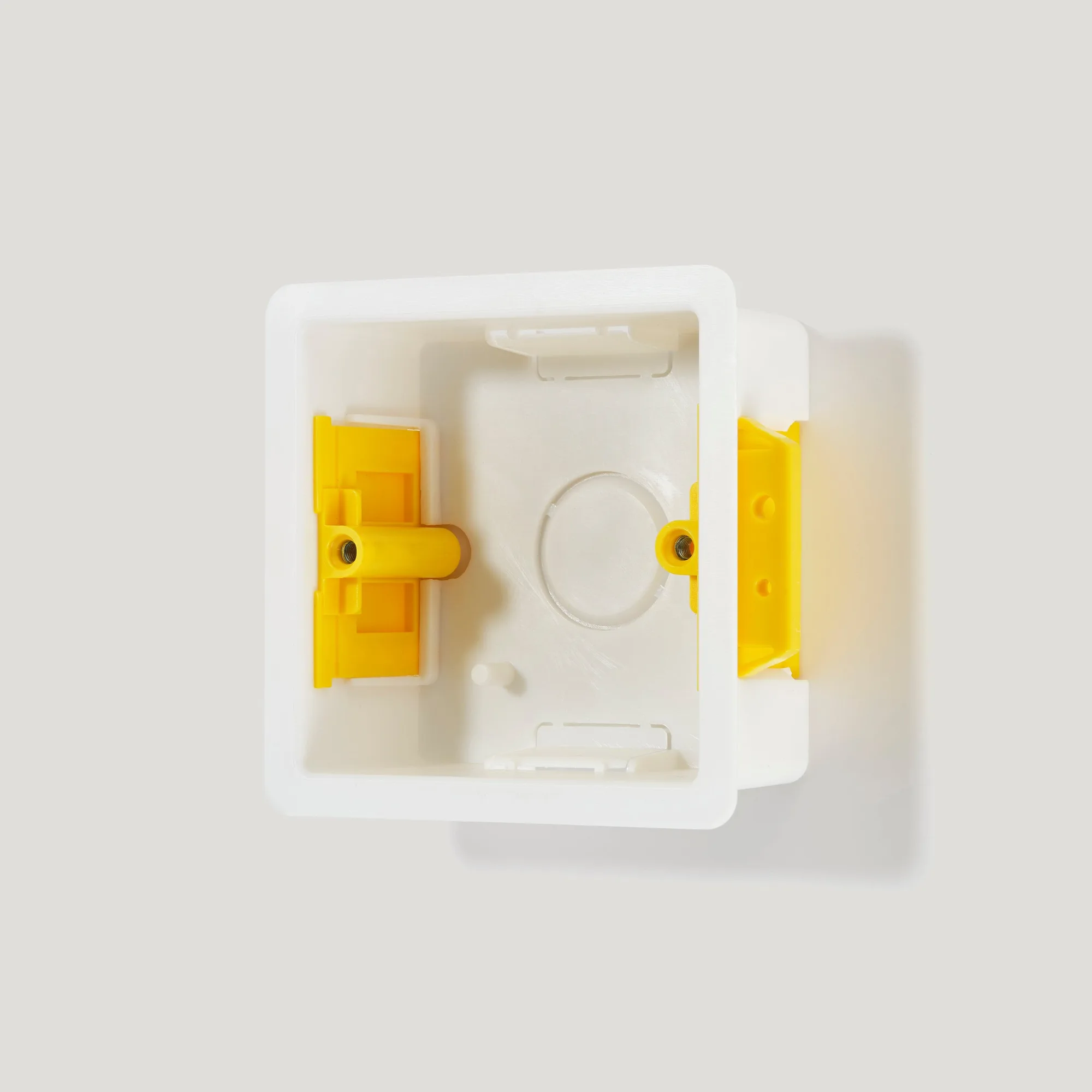
A 1-gang plastic back box (like the BETTY 1G Plastic Back Box) is the most common choice for single dimmer switches in plasterboard walls. It's designed for surface or flush mounting and provides a secure base for the dimmer and wiring. The key measurement is the internal depth: 35mm is typical for a standard switch, but dimmer modules often need 40mm or more. Always measure the depth of your chosen dimmer module before buying the back box.
Dimmer module depth: what to look for
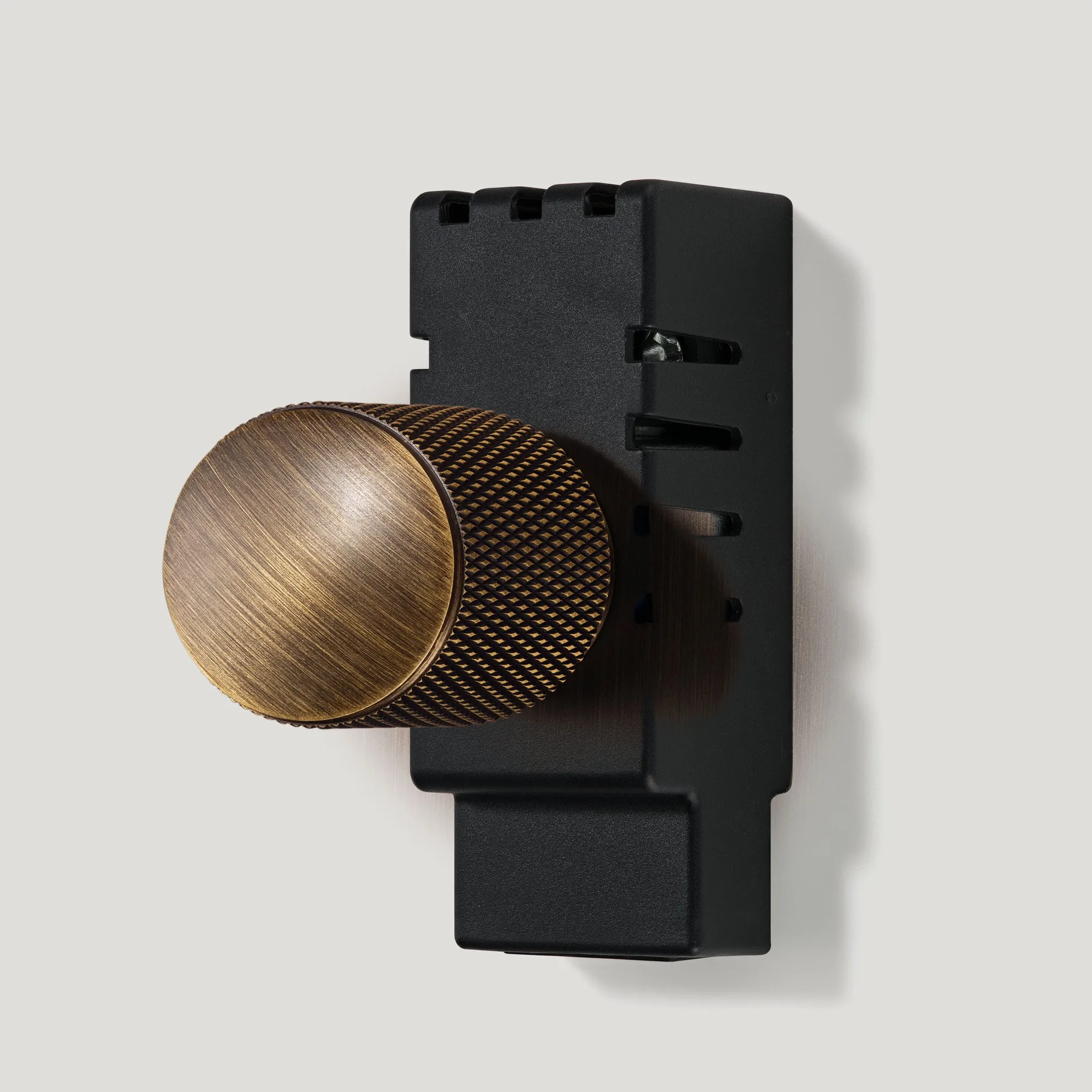
Dimmer modules vary in depth depending on their features. A module with auto-detect leading or trailing edge, like the KEPLER Auto Detect Dimmer Detail with Module, may have a slightly deeper body to accommodate the electronics. The supplied catalog facts for the KEPLER module do not specify its exact depth, so you should physically measure the module or check the manufacturer's datasheet before selecting a back box.
If you're pairing a dimmer module with a decorative switch plate, remember that the module sits behind the plate and the back box. The total depth required is the sum of the module depth plus the plate thickness plus a small allowance for wire bending. A 1G plastic back box with a depth of 47mm is a safe choice for most dimmer modules, as it gives extra room for wiring and the module body.
When to choose a 2-gang or larger back box
If you're installing a multi-gang dimmer switch, like the BOBBIN 4G Dimmer Light Switch or the ALVA 2G Paintable Dimmer Switch, you'll need a back box with the same number of gangs. A 2-gang back box is wider than a 1-gang, and the depth requirement remains the same: at least 35mm for standard dimmers, but 47mm is safer for modules. For a 4-gang dimmer, you'll need a 4-gang back box, which is significantly wider and may require a larger wall cutout.
Multi-gang back boxes are available in plastic and metal. Plastic is easier to cut and install in plasterboard, while metal is required for some building codes in fire-rated walls. Always check local regulations. The BETTY range offers a 1G plastic back box, but for 2G or 4G you'll need a different product. Plank Hardware does not currently list multi-gang back boxes in the supplied catalog, so you may need to source them separately.
Decision rules for choosing a dimmer switch back box
- Match the number of gangs: The back box must have the same number of gangs as the dimmer switch plate. A 1G dimmer needs a 1G back box; a 2G dimmer needs a 2G back box. Count the gangs on your dimmer plate first.
- Check dimmer module depth: Measure the depth of the dimmer module (including any wiring connectors) and add 10mm for wire bending. Choose a back box with an internal depth equal to or greater than that total. If module depth is unknown, choose a 47mm-deep back box for safety.
- Material matters for installation: Plastic back boxes are lighter and easier to install in plasterboard. Metal back boxes are required for some fire-rated walls and may be needed for metal switch plates. Check local building codes before choosing material.
Products that help with dimmer switch back box decisions
- KEPLER Auto Detect Dimmer Detail with Module - Antique Brass: The KEPLER Auto Detect Dimmer Detail with Module in antique brass delivers a sophisticated, tactile interface for discerning spaces. Its knurled surface and solid brass construction provide both visual elegance and lasting durability, while the built‑in module readies the piece for seamless pairing with a compatible plate of your choice. Because the module is built into the detail, you need to account for its depth when choosing a back box. The module's depth is not listed in the catalog facts, so measure it or contact support to ensure your back box is deep enough.
- BETTY 1G Plastic Back Box: A 1-gang plastic back box for surface- or flush-mounting our switches and sockets on plasterboard (stud) walls. The essential base that sits behind the plate and holds the wiring safely in place. This is the standard back box for a single dimmer switch. Its depth is not specified in the catalog facts, so verify the internal depth before purchase to confirm it fits your dimmer module.
Which back box should you choose?
Best for
- Single dimmer switches with a standard module depth (under 35mm) – a 1G plastic back box with 35mm depth is sufficient.
- Dimmer modules with unknown depth – a 1G plastic back box with 47mm depth gives extra clearance.
Not for
- Multi-gang dimmer switches (2G, 3G, 4G) – you need a multi-gang back box, not a 1G.
- Metal switch plates in fire-rated walls – you may need a metal back box instead of plastic.