Quick Answer
To find your bra size, measure your underbust snugly for the band and your fullest bust point for the cup, then subtract the band from the bust to estimate your cup letter. A well-fitted bra has a firm, level band, smooth cups, and a centre that sits flat against your chest. If you're between sizes or unsure, start with your measured size and adjust based on how the bra feels and moves with you.
Bra sizing can feel like a secret language when you're just starting out. The good news is that it comes down to two measurements and a few fit checks, not guesswork. Whether you're buying your first bra or replacing one that never felt right, this guide walks you through the basics so you can shop with confidence.
We'll cover how to measure yourself at home, what a good fit actually looks like, and how to handle common problems like gaping cups or a band that rides up. You'll also find practical tips for choosing your first styles, including maternity and support options from Rose & Thorne Australia.
How to Measure Your Bra Size at Home
Start with a soft tape measure and wear your most comfortable non-padded bra, or go without if that's easier. For the band, wrap the tape snugly around your ribcage just under your bust, keeping it level all the way around. Round to the nearest whole number. For the bust, measure around the fullest part of your breasts, usually across the nipple line, without pulling tight. Write both numbers down.
Subtract your band measurement from your bust measurement. Each inch of difference generally equals one cup size: 1 inch for A, 2 for B, 3 for C, and so on. If your band number is odd, you may need to round up or down depending on the brand's sizing. This method gives you a starting point, not a final verdict—always try the bra on and adjust.
- Measure in front of a mirror to keep the tape level.
- Breathe normally; don't hold your breath or pull the tape tight.
- If you're between band sizes, try the smaller band with a larger cup first.
What a Good Bra Fit Looks and Feels Like
A well-fitted bra should feel supportive but not restrictive. The band should sit firmly around your ribcage, level all the way around, and stay in place when you lift your arms. You should be able to fit two fingers under the band at the back, but not pull it away more than an inch. The centre front (the piece between the cups) should lie flat against your chest.
In the cups, your breast tissue should be fully contained without bulging over the top or leaving empty space. The underwire, if present, should sit flat against your ribcage and not poke into breast tissue. Straps should be adjusted so they stay put without digging in. If any of these feel off, the size or style may need adjusting.
- Check the band first—most support comes from the band, not the straps.
- Scoop your breast tissue into the cups after fastening to ensure a smooth fit.
- If the band rides up at the back, try a smaller band size.
Common Bra Sizing Questions Answered
One of the most common questions is whether your size changes over time. Yes, it can—weight fluctuations, hormonal changes, pregnancy, and even age can affect your band and cup size. It's worth re-measuring every six months or whenever your bras start feeling different. Another frequent concern is sister sizing: if a 34B feels close but not quite right, a 32C or 36A might work because they hold a similar cup volume on different band lengths.
Many beginners wonder if they should start with an underwire or wirefree bra. Wirefree styles can be more comfortable for all-day wear, while underwire offers extra shaping and separation. Neither is inherently better—it depends on your preference and lifestyle. If you're unsure, try one of each in your measured size and see which feels more natural.
- Re-measure after any significant weight change or pregnancy.
- Sister sizes are a useful tool when a band feels too tight or too loose.
- Wirefree bras can provide good support, especially with wide straps and a firm band.
How to Choose Your First Bra Style
Your first bra should match your daily needs. If you're looking for everyday comfort, a soft-cup or wirefree style with wide straps can be a great starting point. For more shaping, a lightly lined or underwire bra may feel more supportive. Consider the necklines you wear most—a smooth cup works well under t-shirts, while lace adds texture for special occasions.
If you're pregnant or nursing, look for maternity bras with clip-down cups and adjustable band closures. These features accommodate changing breast size and ribcage expansion. For active days, an everyday active bra can keep you secure without the compression of a high-impact sports bra. The key is to prioritise fit over fashion—once you know your size, you can explore styles that suit your wardrobe.
- Start with one neutral-coloured bra that fits well, then expand.
- Look for adjustable straps and multiple hook-and-eye closures for flexibility.
- Maternity bras often double as nursing bras with clip-down cups.
Beginner Bra Fit Checklist
Band check
The band should be snug and level, staying in place when you move. If it rides up, go down a band size.
Cup check
Breasts should be fully enclosed with no bulging or gaping. If cups wrinkle, try a smaller cup; if they overflow, go up a cup.
Centre check
The centre front should lie flat against your chest. If it floats, the cups may be too small or the band too large.
Strap check
Straps should stay put without digging in or slipping off. Adjust straps after fastening the band.
Bra Styles That Support Different Needs
- Maternity Bra - Almond Rose: Structured, non-wire cups with a soft cotton lining and an adjustable 6 hook and eye clasp for ribcage extension. The wirefree design and cotton lining are gentle on tender skin, while the extended clasp accommodates ribcage changes during pregnancy and nursing.
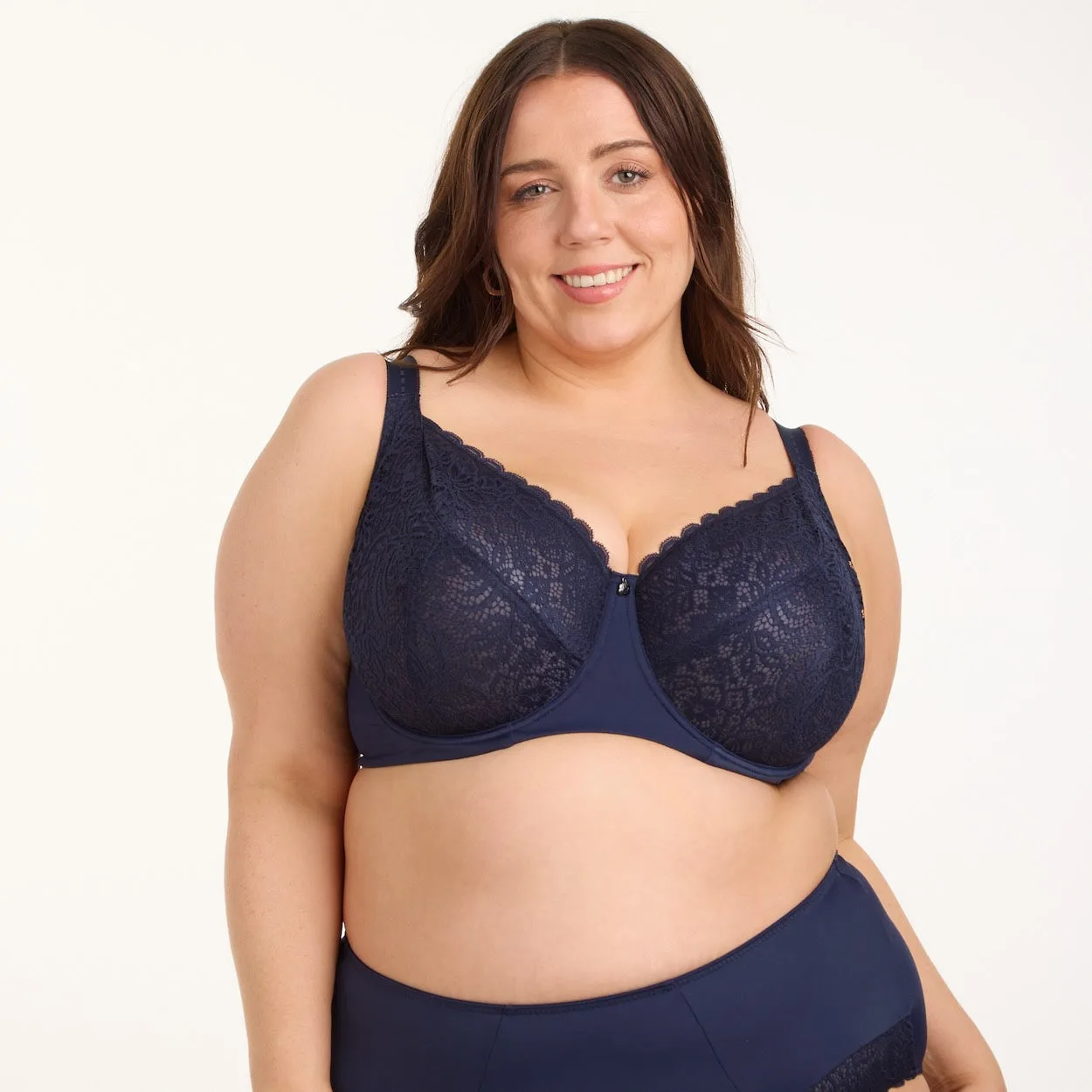
- Lily Lace Premium Support Bra - Navy: Designed to sculpt and support your natural silhouette with delicate lace accents. Offers a balance of elegance and support, making it a good option for those who want a dressier bra without sacrificing comfort.
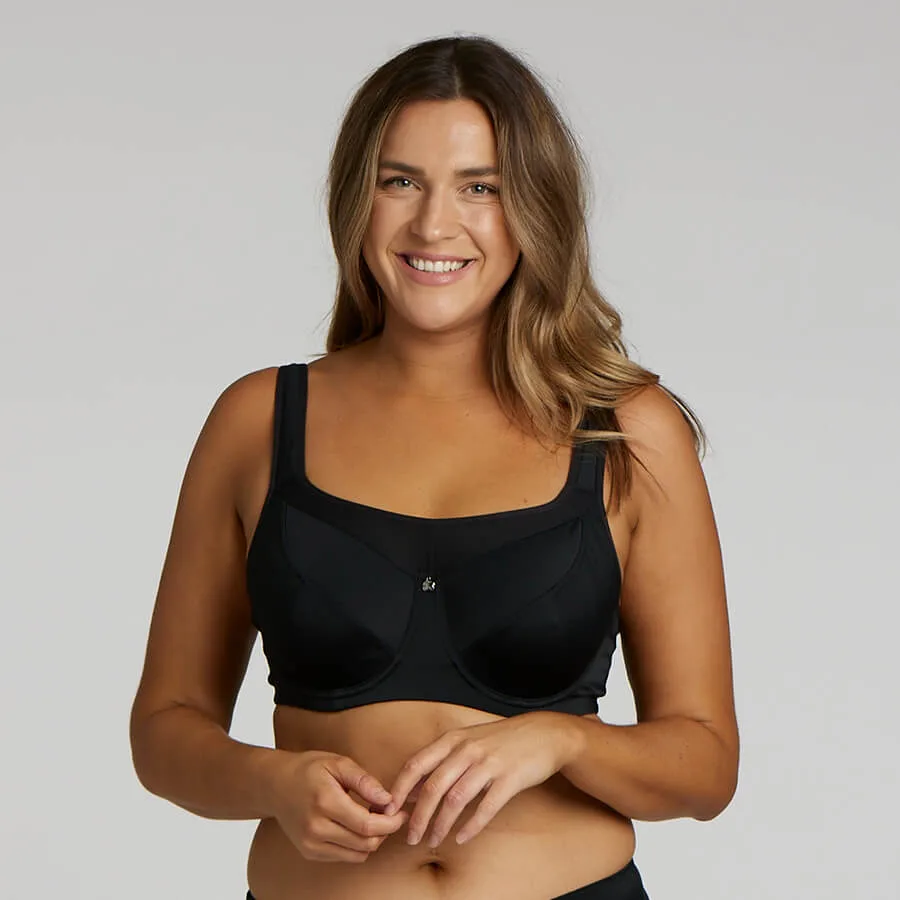
- Active Bra - Black: Fully wired and designed to keep your bust exactly where it should be; not for high-impact sport or running. Ideal for busy days when you need everyday support, but not a substitute for a dedicated sports bra during intense workouts.
Finding your bra size is a skill you build with practice. Start with your measurements, use the fit checklist, and don't be afraid to try a few sizes until one feels right. A well-fitted bra makes a noticeable difference in comfort and confidence all day long.