Quick Answer
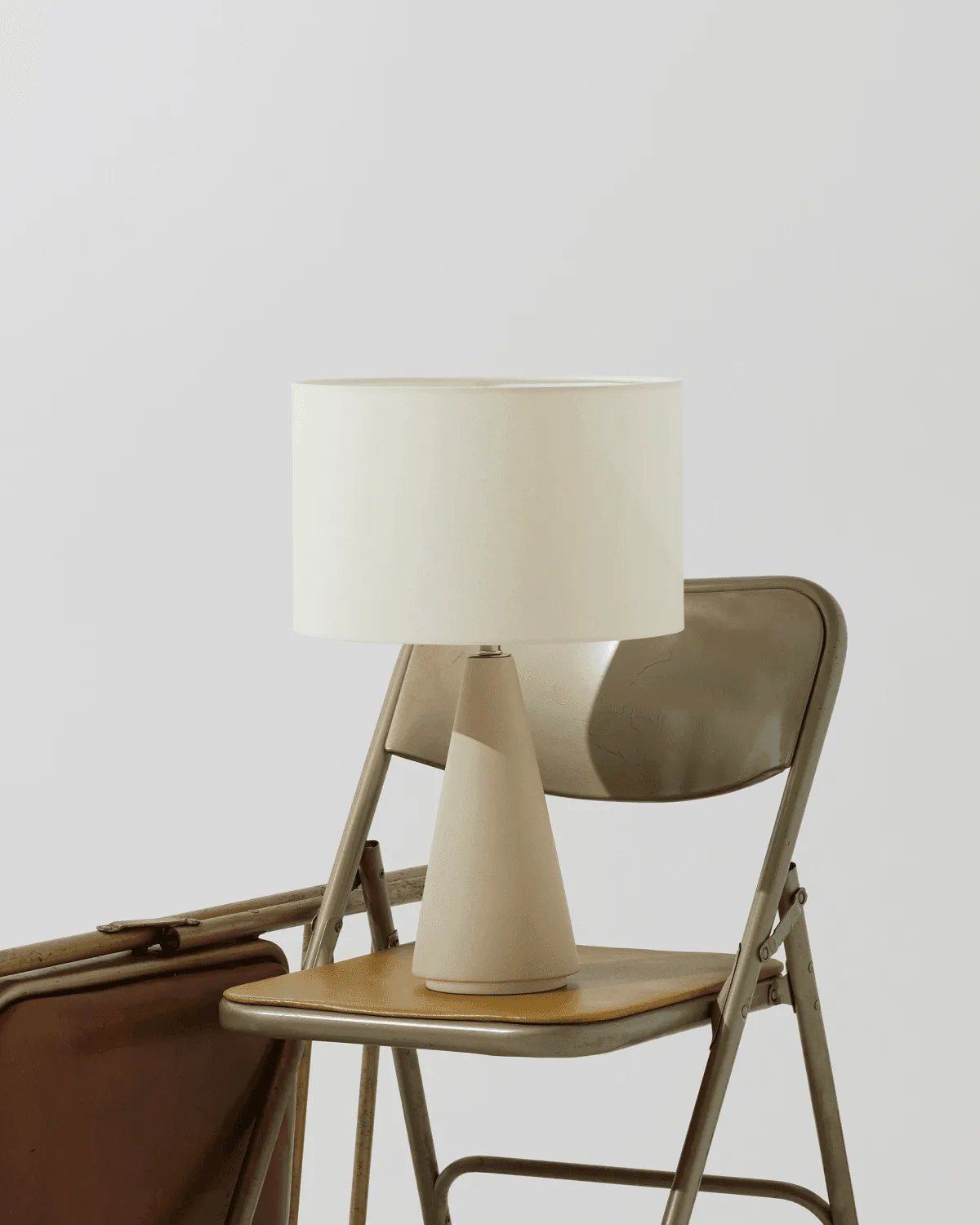
Choose a lampshade whose diameter is about twice the width of your lamp base, and whose height is roughly one-third the total height of lamp and shade combined. For most table lamps, this means a shade that covers the bulb and sits comfortably on the lamp base.
Why Proportion Matters
The right lampshade size isn't just about looks—it affects how light spreads across the room. A shade that's too small can create a harsh spotlight, while one that's too large may block the light or look top-heavy.
Proportion also influences the overall balance of your lamp. A shade that's too wide or too tall can make the lamp base look unstable, even if it's physically secure. Getting the ratio right ensures your lamp looks intentional and polished.
Trade-Offs: Fabric and Light
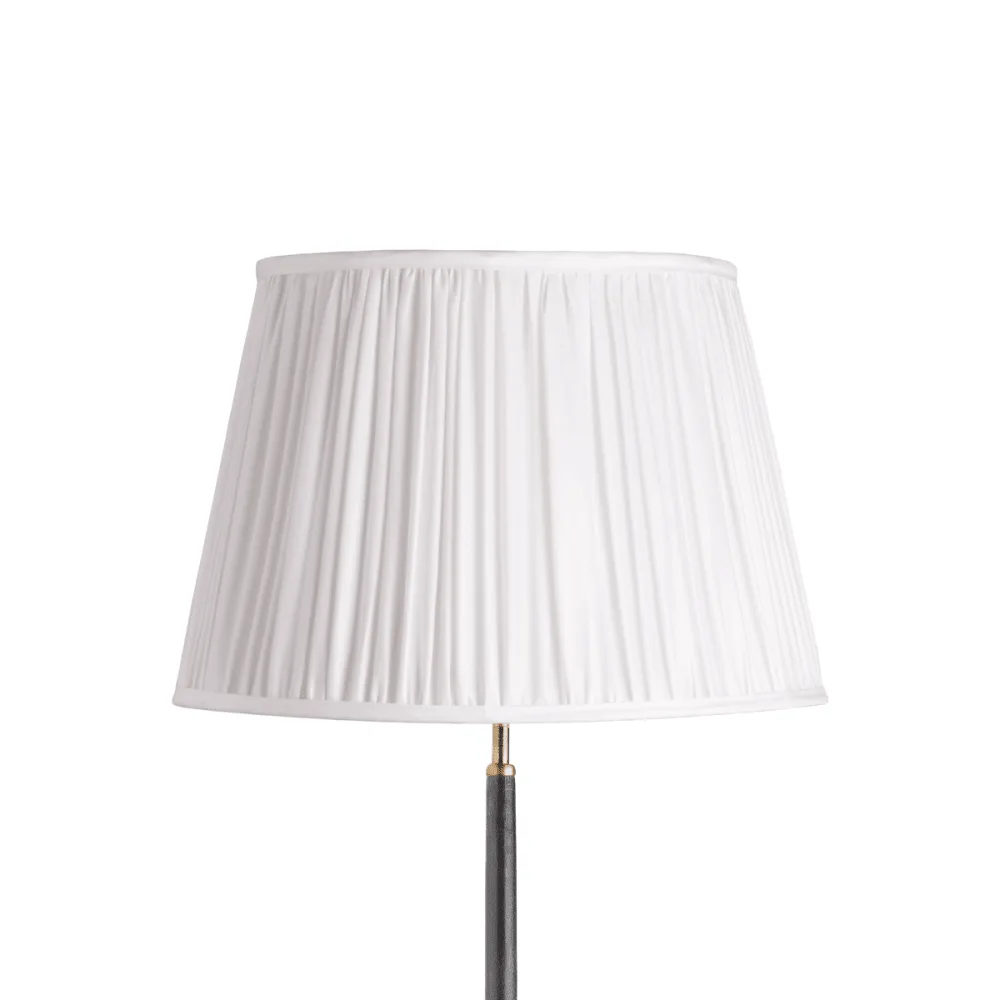
The material of the shade changes how light is diffused. Cotton shades, like the Bonnie Cotton Lampshade, offer a warm, ambient glow because they're lined with a parchment liner. Silk shades, like the Gathered Silk Lampshade, provide a softer, more diffused light that's flattering for evening use.
When choosing size, consider the room's purpose. A larger shade in a living room can create a cozy atmosphere, while a smaller shade in a hallway might be more practical. The key is to balance size with the light output you need.
Decision Rules for Choosing the Right Size
- Measure the lamp base: Measure the width of your lamp base (the widest part). The shade's diameter should be roughly twice this measurement. For example, if the base is 6 inches wide, aim for a shade about 12 inches in diameter. Always measure the base before buying a shade.
- Check the shade height: The shade's height should be about one-third of the total height (lamp base + shade). For a 24-inch lamp, choose a shade around 8 inches tall. This keeps the proportions balanced. Use the total lamp height to guide shade height.
- Ensure the shade fits the bulb: The shade must be large enough to cover the bulb completely, with at least 2 inches of clearance between the bulb and the shade's inner edge. This prevents overheating and ensures even light distribution. Check bulb clearance to avoid hot spots.
- Consider the lamp's purpose: For reading, choose a shade that directs light downward, like a drum or empire style. For ambient lighting, a gathered or bell shade provides a softer, more diffused glow. Match the shade style to how you use the lamp.
Lampshade Options to Consider
-
Bonnie Cotton Lampshade, Large, Red Stripe: A classic gathered cotton lampshade in a timeless, uplifting red stripe, finished with a warm blue trim. The red stripe adds a cheerful accent to any table lamp, and the cotton material ensures a warm, ambient glow.
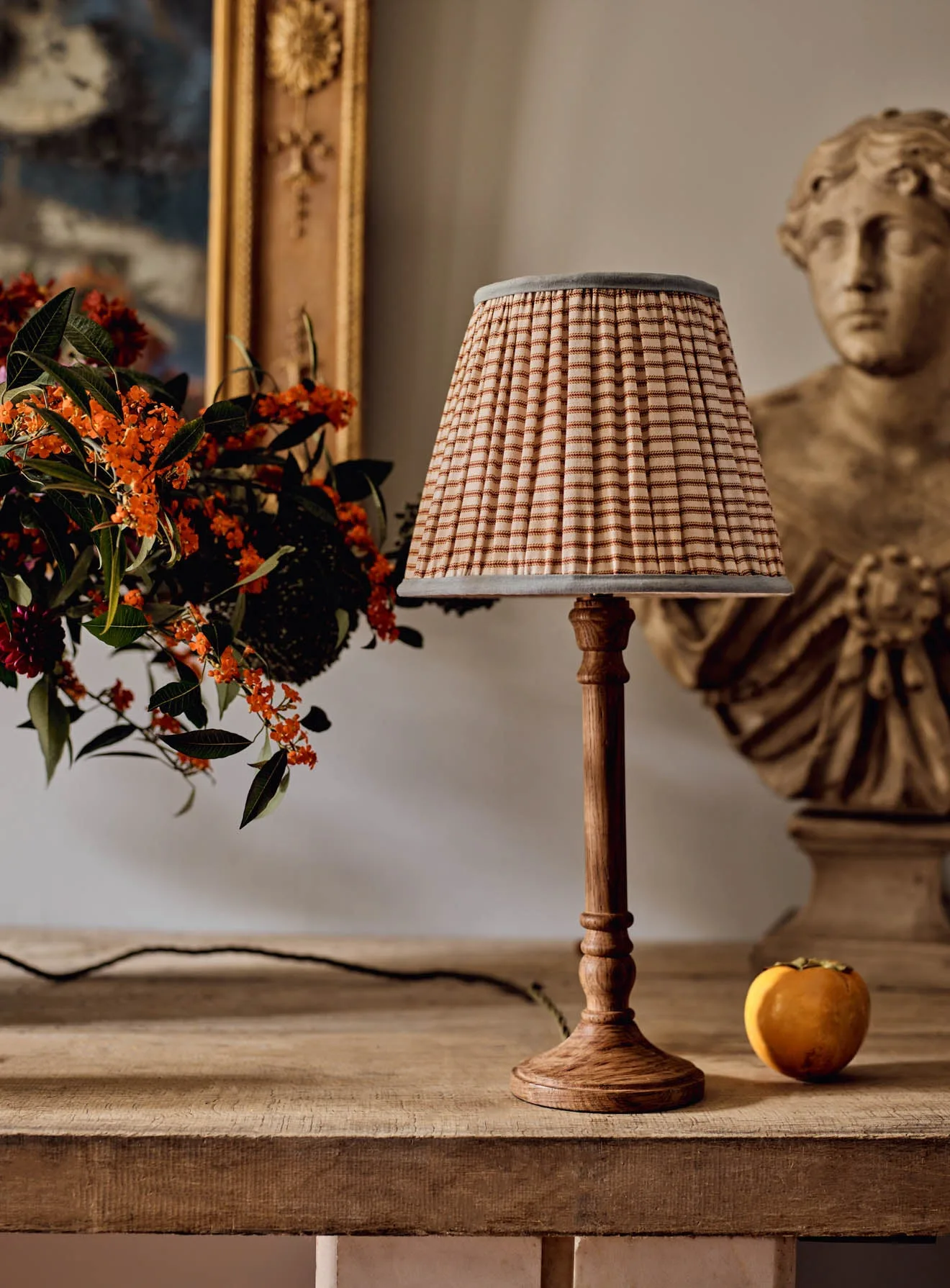
Bonnie Cotton Lampshade, Large, Red Stripe
-
Bonnie Cotton Lampshade, Large, Soft Blue: A classic gathered cotton lampshade in warm blue, elegantly finished with cheerful red-striped trim. The soft blue tone creates a calming effect, while the red trim adds a playful touch, making it versatile for various decors.
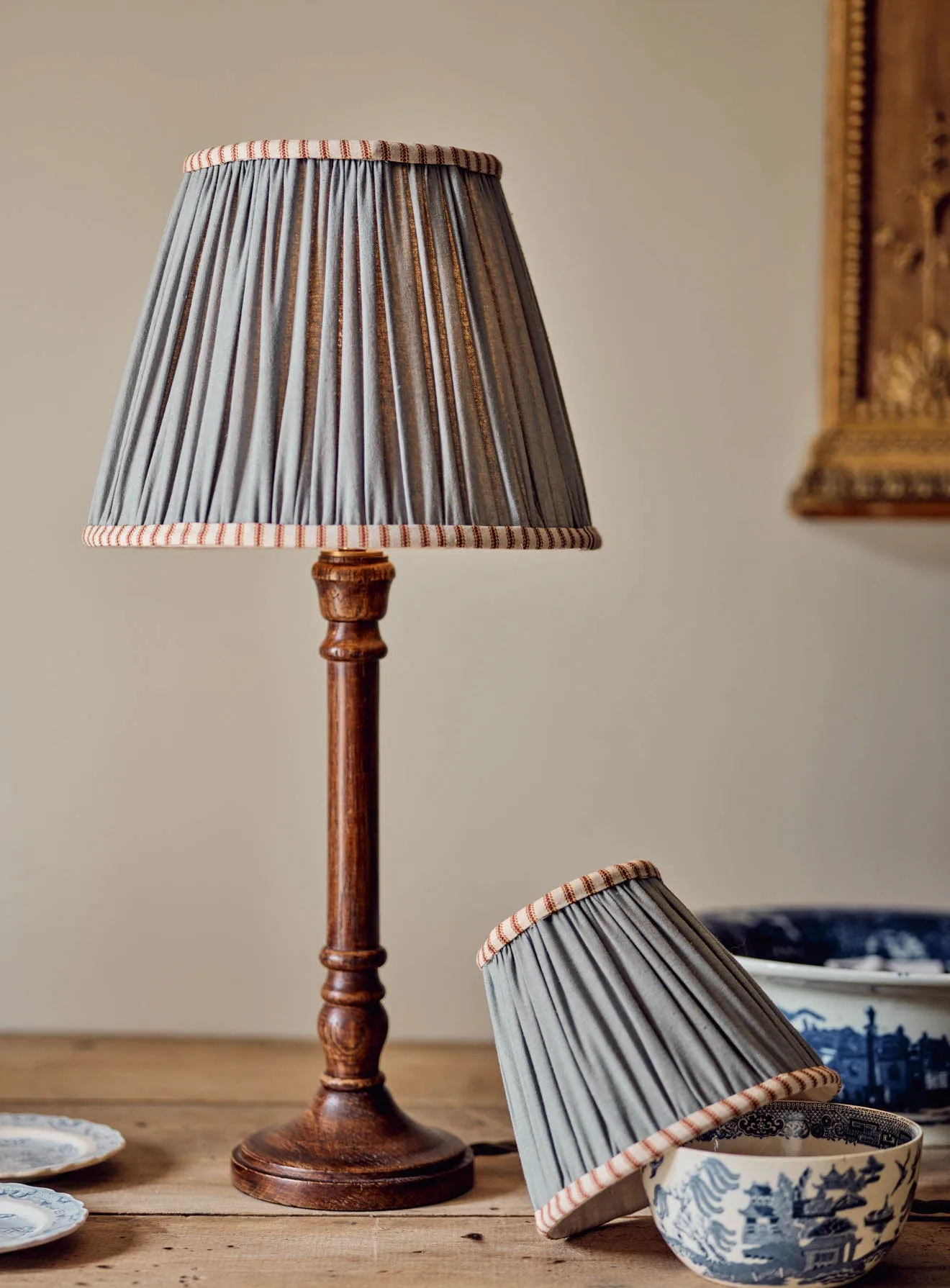
Bonnie Cotton Lampshade, Large, Soft Blue
-
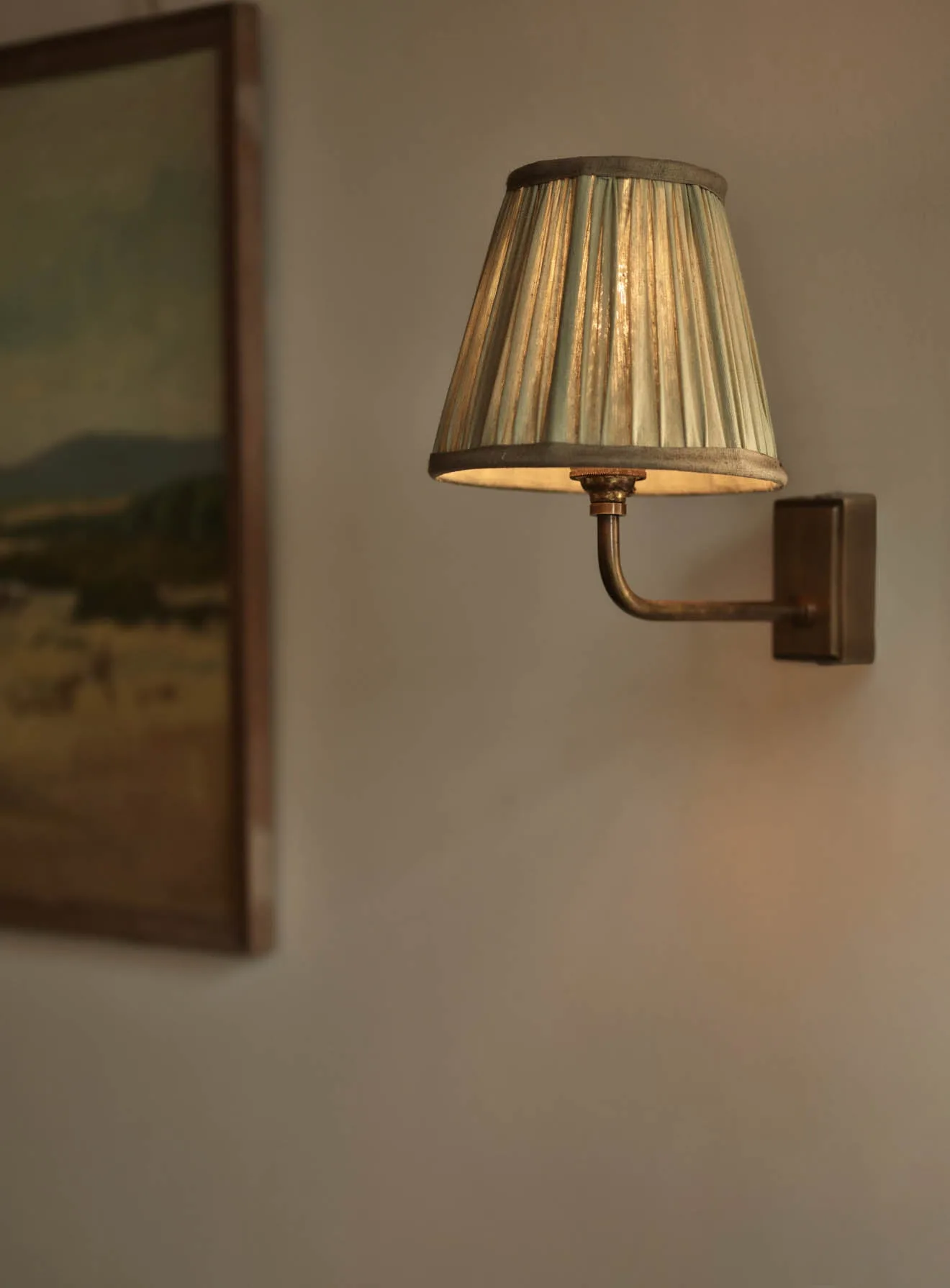
Gathered Silk Lampshade, Small, Sage: A classic and understated gathered silk lampshade in soothing sage, finished with a subtly contrasting olive trim. Silk provides a luxuriously soft texture and a flattering, diffused light, ideal for gentle illumination as the day draws in.
Who This Guide Is For
Best for
- People who want a quick, reliable rule of thumb for choosing a shade for a standard table lamp.
- Anyone looking to balance aesthetics and light output in a living room or bedroom.
Not for
- Those with non-standard lamp bases (e.g., unusually tall or wide) who may need custom sizing.
- People seeking a shade for a floor lamp or ceiling light, as the proportions differ.