Quick Answer
Your wetsuit size depends mainly on your height and weight, not just your clothing size. For the best fit, measure your chest, waist, hips, and inseam, then compare to the brand's size chart. A proper wetsuit should feel snug but not restrictive, with no excess material in the shoulders, crotch, or lower back.
How to Measure for a Wetsuit
Start with your height and weight—these are the two most reliable indicators for wetsuit sizing. Stand barefoot against a wall and mark your height. Weigh yourself in the morning for consistency. Then measure your chest (at the widest part), waist (at the narrowest), hips (at the widest), and inseam (from crotch to ankle bone). Use a soft measuring tape and keep it snug but not tight.
Write down your numbers and compare them to the brand's size chart. Most brands offer sizes like XS to XXL, and some offer tall or short versions. If you fall between sizes, consider your primary activity: surfers often prefer a tighter fit for less water flushing, while divers may want a slightly looser fit for comfort under a drysuit.
Common Wetsuit Fit Mistakes
A common mistake is buying a wetsuit that is too big, thinking it will be more comfortable. In reality, a loose wetsuit lets cold water flush in and out, making you colder and less buoyant. Another mistake is ignoring the suit's thickness—a 3/2mm suit for 70°F water will feel different than a 5/4mm suit for 50°F water, but the fit principles stay the same.
Also, don't rely solely on your street clothes size. A person who wears a size M shirt may need an L or XL wetsuit depending on their shoulder width and torso length. Always try on the suit or check the return policy before buying.
Wetsuit Sizing for Men vs. Women
Men's and women's wetsuits are cut differently. Women's suits have a narrower shoulder, wider hip, and shorter torso compared to men's suits of the same height/weight range. If you are a woman, always use a women's size chart—a men's small may fit your height but be too loose in the hips and too tight in the shoulders.
For men, focus on chest and waist measurements. For women, pay extra attention to hip and bust measurements. Some brands offer separate size charts for each gender, so check the specific chart for the model you want.
How to Test the Fit at Home
Once you have the wetsuit, put it on without lotion or sunscreen. It should be snug but not painful. Check for gaps: there should be no more than a finger's width of space at the neck, wrists, and ankles. Raise your arms overhead—the suit should not pull uncomfortably at the shoulders. Squat and bend—the crotch should not sag. If you see bunching or feel pressure points, try a different size or style.
Remember that neoprene stretches slightly with use, so a suit that feels very tight at first may loosen up after a few sessions. But if it restricts breathing or movement, it is too small.
Wetsuit Fit FAQ
How tight should a wetsuit be?
A wetsuit should feel snug all over, like a second skin. There should be no loose fabric or air pockets. It should not restrict breathing or movement. If you can pinch more than an inch of neoprene at the shoulders or thighs, it is too loose. Snug but not painful is the goal.
What if I am between sizes?
If your measurements fall between two sizes, consider your build. If you have a longer torso, go up a size. If you are lean, go down a size. Also, think about water temperature: a tighter suit keeps less water in, which is warmer for cold water. When in doubt, size down for warmth, up for comfort.
Can I wear a men's wetsuit if I am a woman?
You can, but it may not fit well. Women's suits are cut with a narrower shoulder, wider hip, and shorter torso. A men's suit may be too loose in the hips and too tight in the shoulders. If you are a woman, look for a women's-specific model for the best fit. Women's-specific suits are designed for a better fit.
Do I need to measure my inseam for a wetsuit?
Yes, especially if you are tall or short. Inseam length affects how the legs fit. If the legs are too long, they bunch at the ankles; if too short, they ride up. Measure from your crotch to your ankle bone. Inseam matters for leg length and comfort.
How do I care for my wetsuit to maintain its fit?
Rinse your wetsuit with fresh water after each use and hang it to dry inside out, away from direct sunlight. Do not wring it out. Store it flat or on a wide hanger to avoid stretching the neoprene. Proper care helps the suit keep its shape and fit longer. Good care preserves the fit and extends the life.
Related Volcom Products
- Women's 1991 Stoned Shorts: The Women's 1991 Stoned Shorts are high-rise denim shorts with a raw edge, classic 5-pocket layout, zip fly, and soft cotton with stretch. After a surf session, these shorts offer a comfortable, stylish option for changing into. The stretch cotton moves with you, and the high-rise fit stays put.
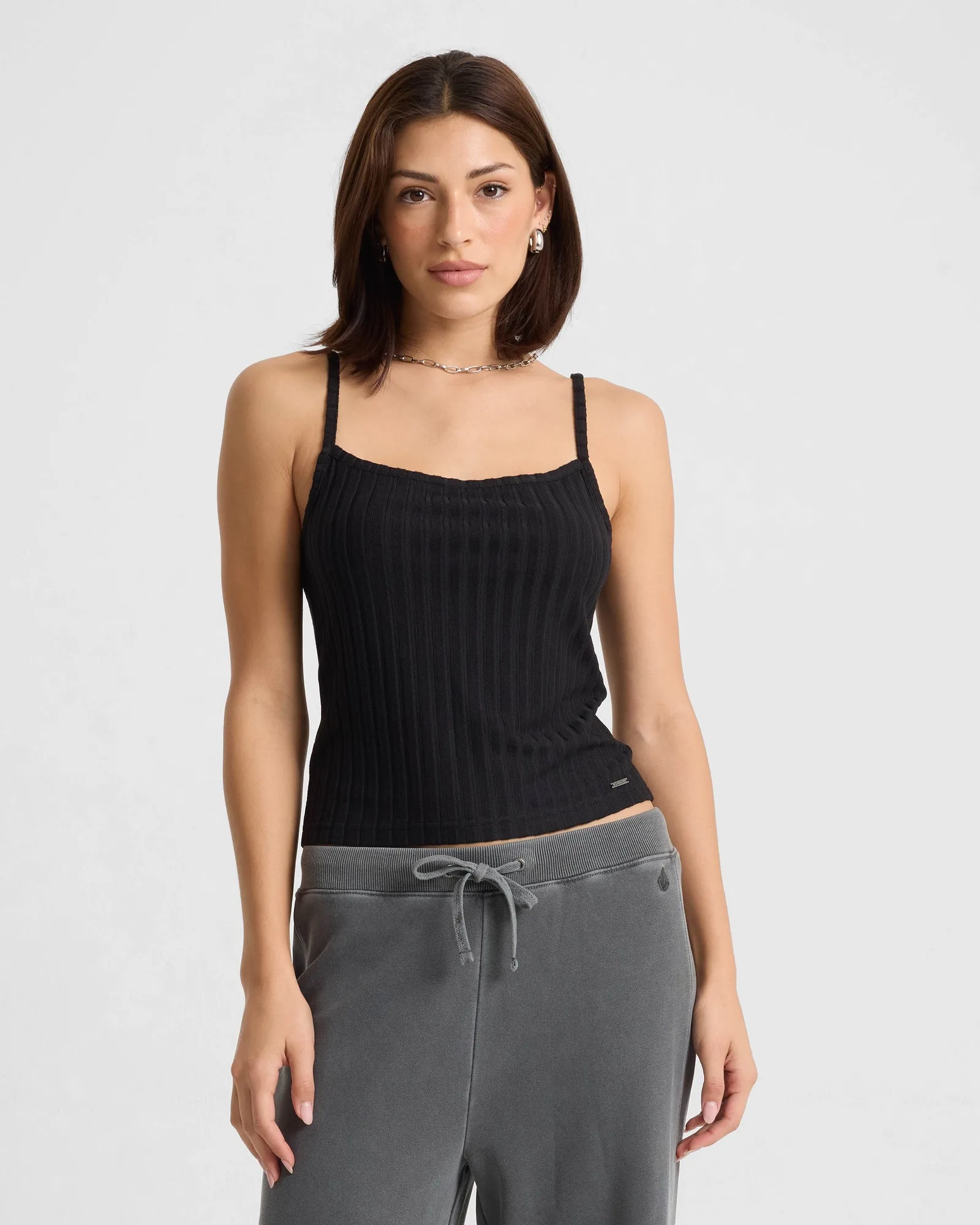
- Women's Lived In Rib Tank: The Women's Lived In Rib Tank is a fitted, cropped cut in vintage black, made from soft, stretchy rib jersey with spaghetti straps. Perfect for layering over a bikini or rashguard, this tank transitions easily from beach to street. The stretch fabric allows freedom of movement.
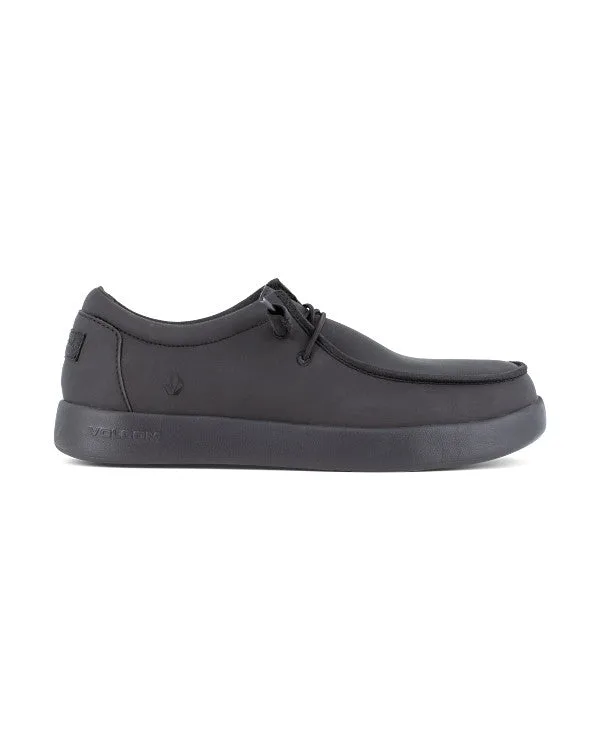
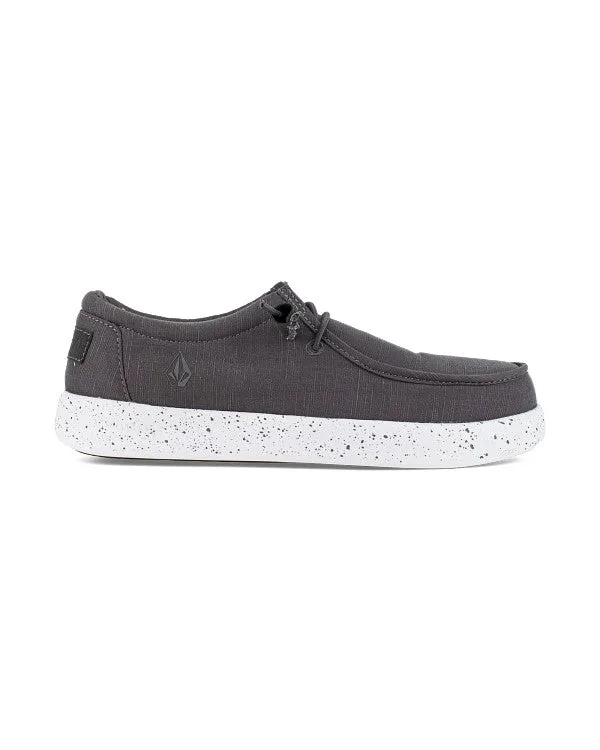
- Women's Chill Safety Toe Water and Slip Resistant Work Sneakers: The Women's Chill Safety Toe Water and Slip Resistant Work Sneakers have protective toes, Grip Styk slip resistant outsoles, Soft Landing insoles, and an Exofuse Water Resistant Upper. If your job involves wet or slippery surfaces, these sneakers keep you safe and comfortable. The water-resistant upper protects against liquids, and the slip-resistant sole provides traction.