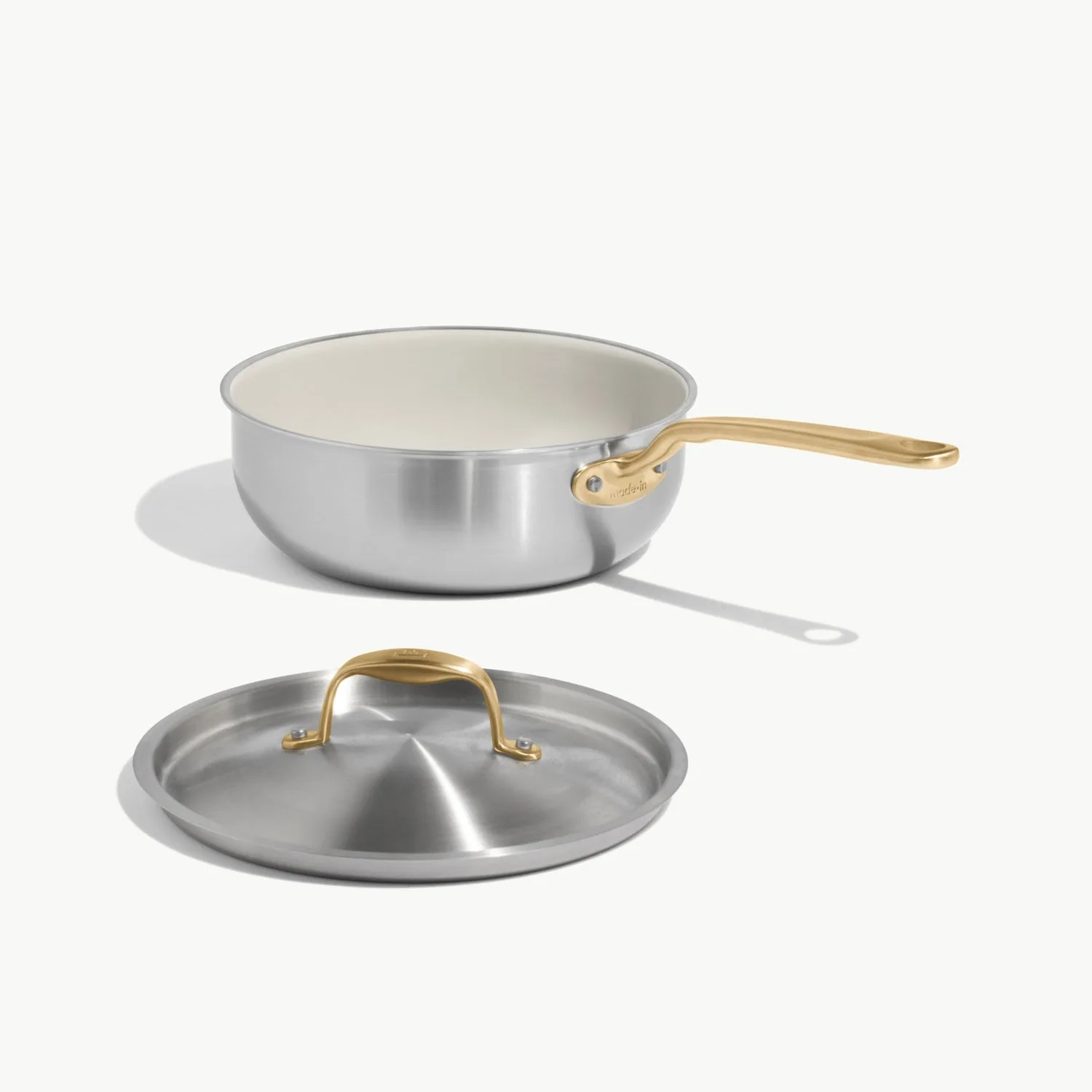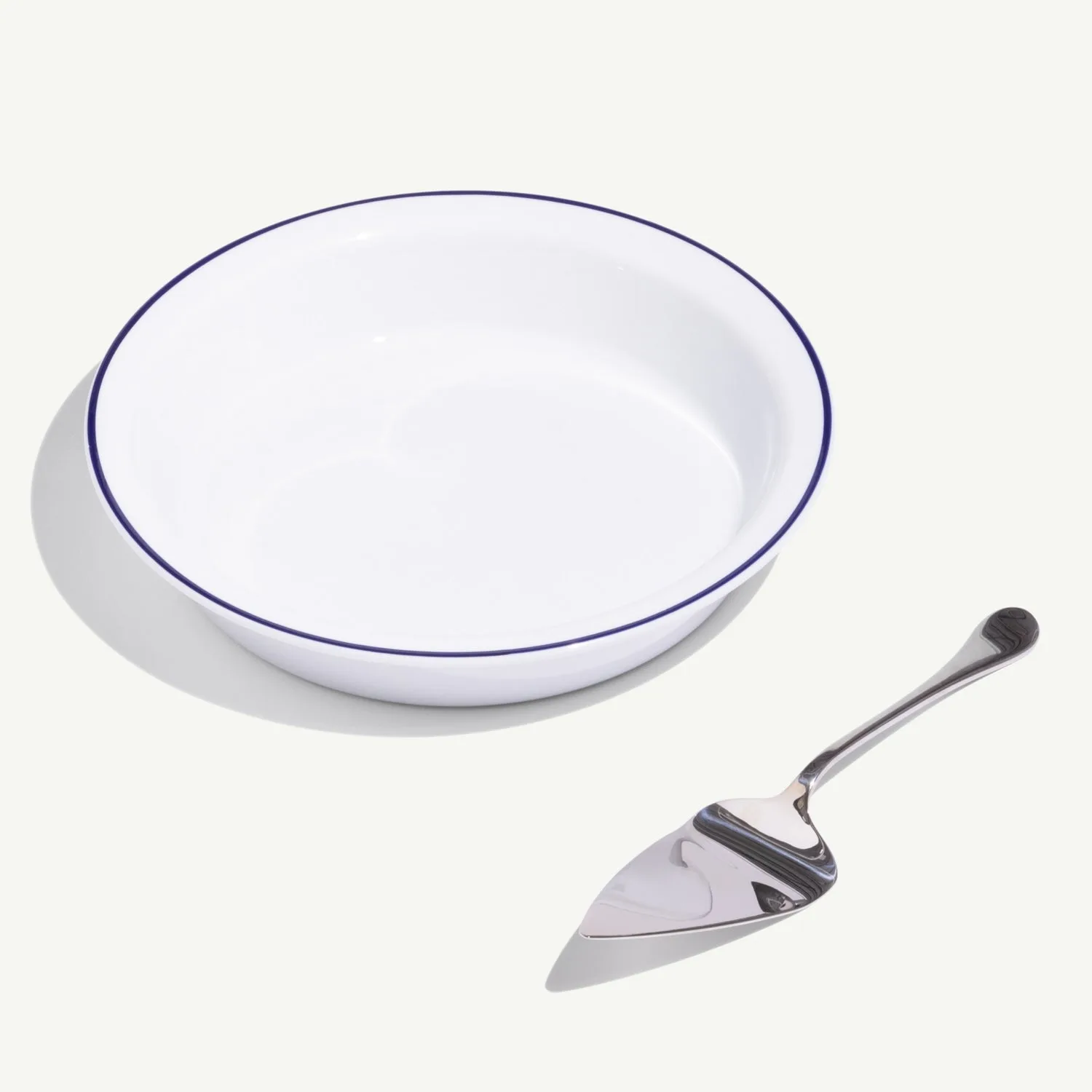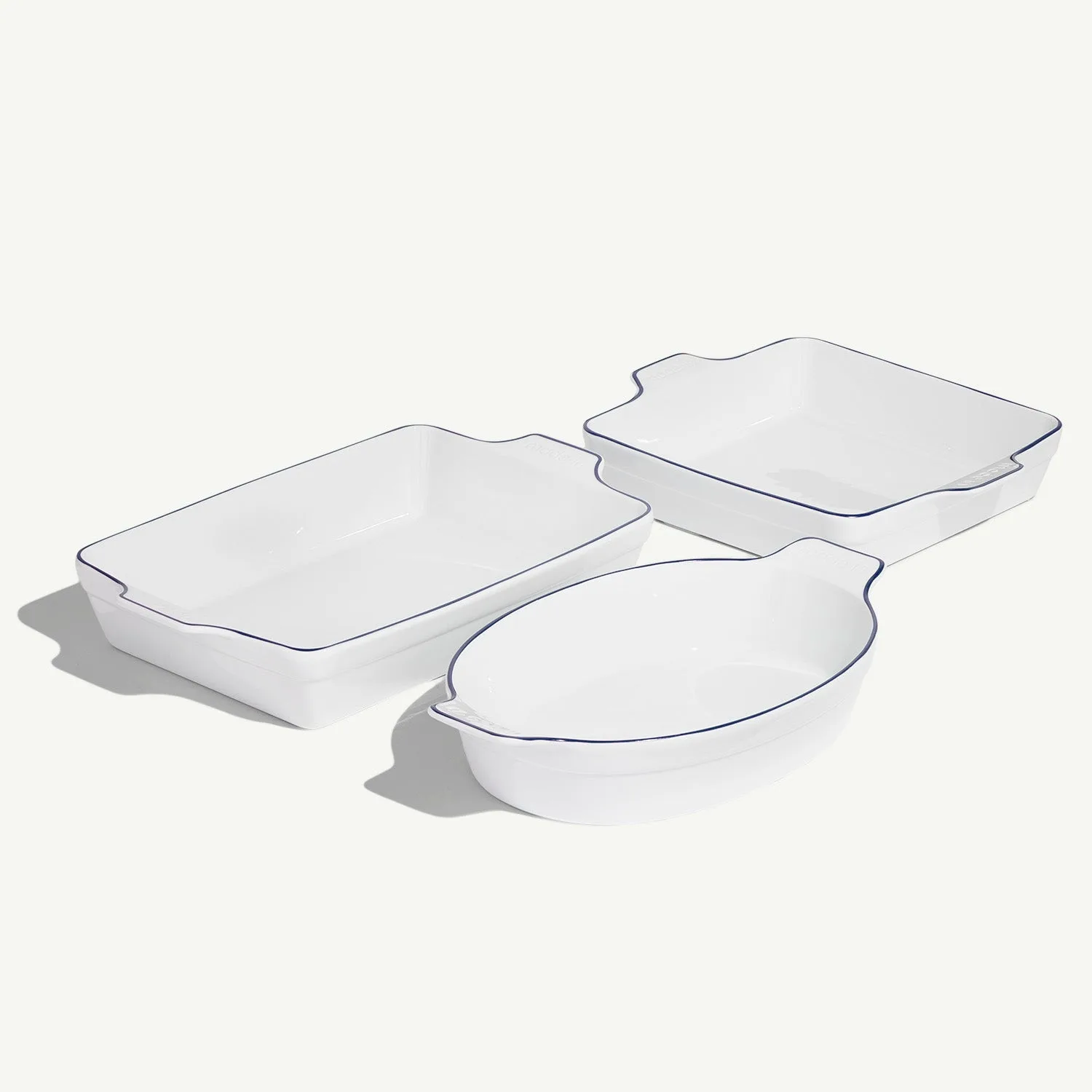
An oval gratin dish is one of the most versatile pieces in a home baker’s collection. Its gentle curves and generous depth make it ideal for bubbling, golden-topped dishes that go straight from oven to table. Whether you’re layering thinly sliced potatoes or tossing together a quick vegetable bake, the right gratin dish helps heat distribute evenly and creates that signature crispy crust everyone loves.
In this guide, we’ll walk through what to cook in an oval gratin dish—from classic recipes to creative ideas—and share practical tips for getting the best results every time. You’ll also learn how to choose and care for your bakeware so your dishes stay beautiful and functional for years.
Why Choose an Oval Gratin Dish for Baking
Oval gratin dishes excel at even heat distribution, which means your food cooks uniformly without hot spots. The elongated shape also provides more surface area for browning, and the low sides encourage moisture to evaporate, creating that coveted caramelized top. Whether you’re making a creamy potato gratin or a baked pasta dish, the oval form fits nicely in most ovens and looks elegant on a buffet table.
For ceramic gratin cooking, the material itself retains heat well and can go from oven to broiler without cracking. This makes it perfect for finishing dishes with a bubbly cheese crust. Many bakeware sets include an oval gratin dish for exactly this reason—they’re designed to handle high heat and repeated use.
- Look for a gratin dish with generous depth (about 2 to 3 inches) to hold plenty of layers without overflow.
- Oval shapes allow for better airflow around the dish, which helps brown the edges evenly.
Classic Potato Gratin (Dauphinoise) in Your Gratin Dish
Potato gratin is the quintessential dish for an oval gratin pan. To make it, thinly slice 2 pounds of Yukon Gold potatoes—using a sharp chef’s knife like the https://kindaero.store/products/japanese-damascus-steel-knives-97192https://kindaero.store/products/japanese-damascus-steel-knives-97193Japanese Damascus Steel Knives makes this step quick and precise. Layer the slices in your greased dish, seasoning each layer with salt, pepper, and fresh thyme. Pour over a mixture of heavy cream and whole milk until it nearly covers the potatoes, then top with grated Gruyère and a sprinkle of nutmeg.
Bake at 375°F for about 45 minutes, then switch to broil for 2–3 minutes to get a golden crust. The oval shape helps the cream reduce evenly, and the slight taper at the ends lets the thinner slices cook at the same rate as the thicker middle ones. Let it rest for 10 minutes before serving—the dish will stay warm for a surprisingly long time thanks to the ceramic material.
- Use a mandoline or a sharp knife to get uniform ⅛-inch slices for even cooking.
- Don’t overcrowd the dish; leave a tiny gap so the cream can bubble up between layers.
Vegetable and Pasta Gratin Ideas for Your Oval Dish
Gratin dishes are perfect for turning leftover vegetables into a satisfying meal. Try a mix of roasted butternut squash, caramelized onions, and kale, layered with a béchamel sauce and topped with breadcrumbs. The oval dish allows you to create neat rows of vegetables, which look appealing and cook evenly. For a lighter version, use a vegetable stock-based sauce and skip the cheese—the dish will still brown nicely.
Pasta gratins work wonderfully too. Cook short pasta like penne or shells, toss with sautéed mushrooms, spinach, and a creamy Alfredo-style sauce, then fill your gratin dish. Top with mozzarella and Parmesan and bake until bubbly. The wide surface area means you get plenty of cheesy crust, and the oval shape makes it easy to scoop servings from the sides. You can even make individual servings in smaller gratin dishes if you prefer.
- Pre-cook dense vegetables like broccoli or cauliflower before adding to the dish to avoid a watery gratin.
- For extra crunch, mix panko breadcrumbs with melted butter and sprinkle on top before baking.
Tips for Baking in a Gratin Dish: Temperature, Layering, and Toppings
Getting the best results from your gratin dish comes down to a few key techniques. First, always preheat your oven—gratins benefit from an initial blast of heat that sets the layers and prevents sogginess. A temperature between 375°F and 400°F is ideal for most recipes. If you’re adding a lot of cheese or breadcrumbs, start at the lower end and finish under the broiler.
Layering matters: place heavier ingredients like potatoes or root vegetables at the bottom, then add softer items like greens or seafood near the top. This ensures everything cooks through without overcooking the delicate bits. A thin layer of sauce between each layer helps keep the dish moist. And don’t forget to let the dish rest for 5 to 10 minutes after baking—this allows the sauce to thicken and makes serving easier.
- Place your gratin dish on a baking sheet to catch any overflow and make cleanup easier.
- If the top is browning too quickly, cover loosely with foil and remove it for the last 10 minutes.
How to Care for Your Gratin Dish and Bakeware
Proper care keeps your oval gratin dish looking new and performing well. If you’re using a ceramic dish, let it cool completely before washing to avoid thermal shock. Hand wash with warm, soapy water and a soft sponge—abrasive scrubbing can scratch the glaze. For stubborn bits, soak for 20 minutes. Many dishes from the https://kindaero.store/products/bakeware-set-97298Bakeware Set are designed for easy cleaning, but always check the manufacturer’s instructions.
If you also enjoy using an Enameled Cast Iron Set for baking gratins, note that enameled surfaces require gentle handling too. Avoid metal utensils that can chip the enamel. Store your dishes with a paper towel or cloth liner between them to prevent scratches. With proper care, a high-quality gratin dish can last for decades and become a favorite tool for everything from weeknight dinners to holiday feasts.
- Never put a hot gratin dish directly under cold water—let it cool on a rack first.
- Avoid stacking heavy cookware on top of your gratin dish; store it on its own or with a protective layer.
An oval gratin dish is more than just a baking vessel—it’s a gateway to countless comforting meals. From classic potato gratins to creative vegetable bakes, the recipes and tips above show you how to make the most of this versatile piece. Experiment with different ingredients, try new cheese combinations, and don’t be afraid to adjust temperatures based on your oven. With a little practice, you’ll be turning out perfectly browned, evenly cooked gratins that impress family and friends every time.