Why Your Sharp Edge Dice Might Roll Low
It is a common tabletop frustration: you pick up a beautiful new sharp edge dice set, and session after session it seems to land on low numbers. Before you assume a manufacturing flaw, it helps to understand what the catalog actually confirms about handmade dice and what remains uncertain.
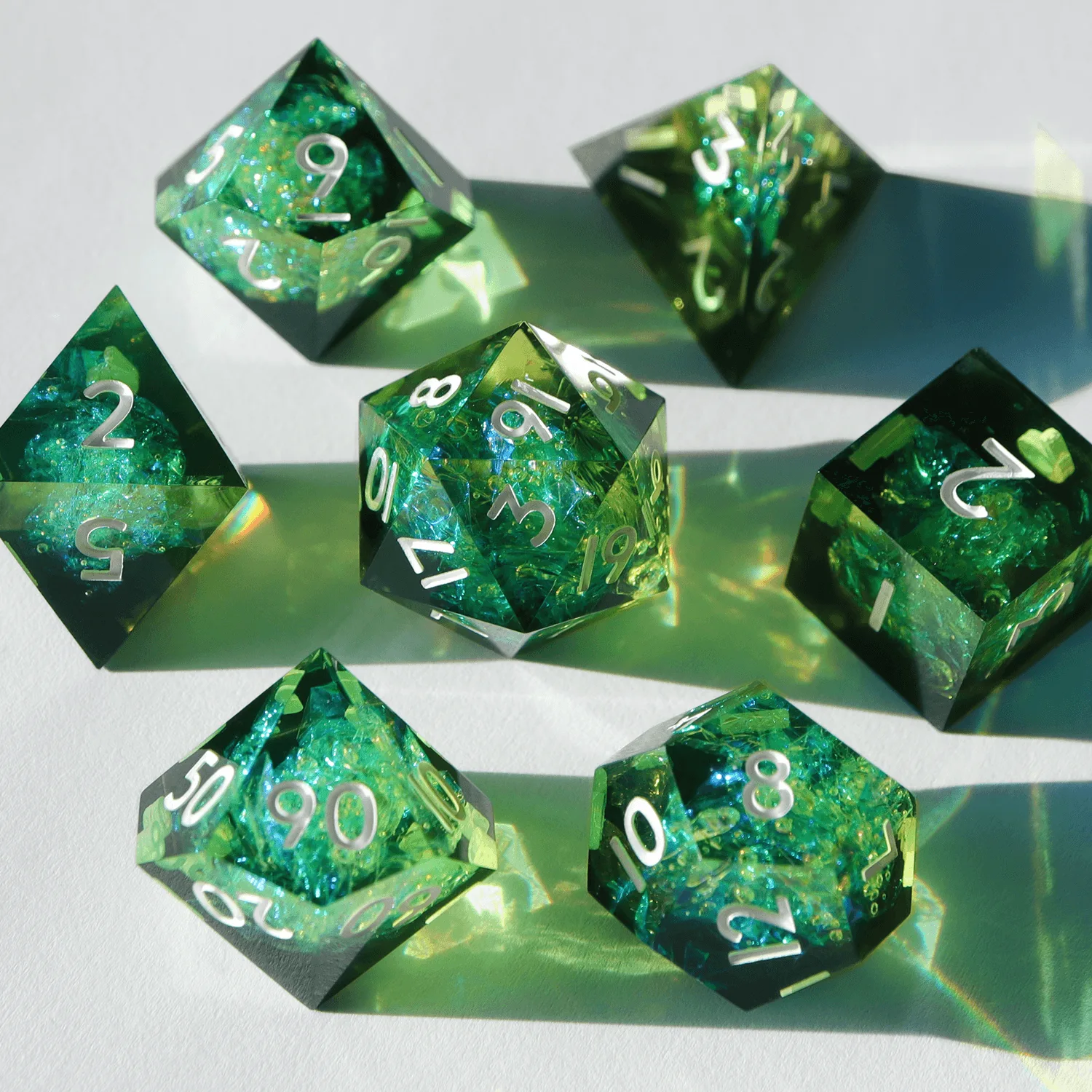
Handmade resin dice, like the Sublime Blight - Crystal D4 from Everything Dice, are crafted by resin artists and quality-inspected for visual perfection and casual play. The listing states that each set is handmade, meaning slight variations in color proportions and gold flake placement are expected. However, the catalog does not provide any information about internal balance testing, weight distribution, or roll fairness. This absence does not mean the dice are unbalanced—it simply means that balance is not a confirmed specification.
What the Catalog Confirms About Handmade Dice
-
Sublime Blight - Crystal D4: The Sublime Blight - Crystal D4 is handmade by skilled resin artists and quality-inspected to be visually perfect and suitable for casual play. This tells you the dice are made with care for appearance and basic function, but does not guarantee tournament-grade balance or consistent roll outcomes.

Sublime Blight - Crystal D4
-
Sublime Blight - Crystal D4: Because of the handmade nature, each set will vary slightly in color proportions and gold flake placement. Variation is a feature of the craft, not a defect. However, it can also affect how the dice feel and roll, which may contribute to perceived low rolls.
-
Sublime Blight - Crystal D4: The listing is for a single crystal D4, not a full polyhedral set. If you are using a single D4 to test overall dice performance, remember that a D4 has only four outcomes and a small sample size can easily appear skewed.
What the Catalog Does Not Confirm About Balance
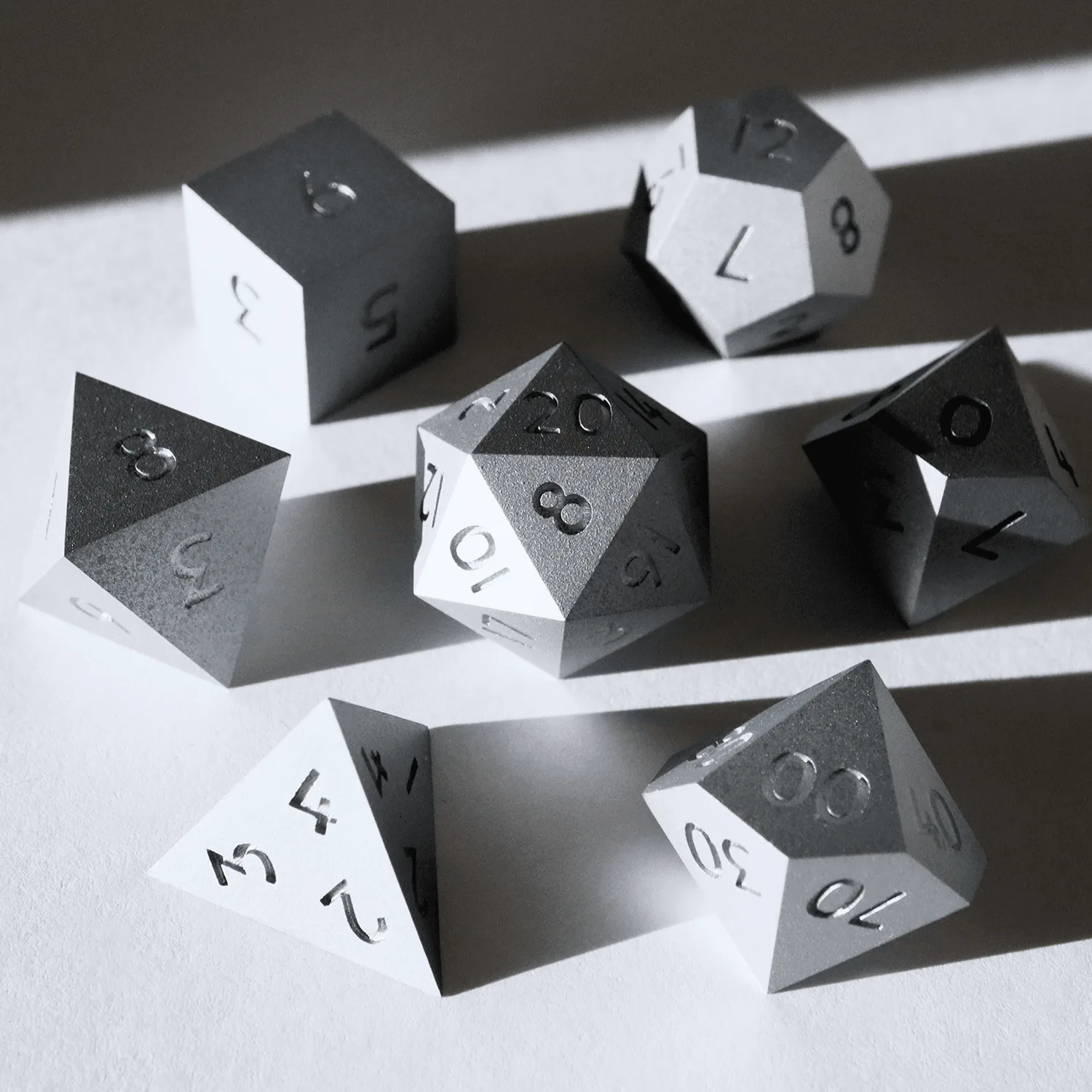
The catalog does not include any information about internal balance testing, weight distribution, or whether the dice are precision-machined to ensure equal probability. This is common for handmade resin dice—they are not typically advertised as casino-grade or roll-balanced. Without such data, it is impossible to confirm whether a consistent low roll is due to imbalance or simply random variation.
If you suspect a balance issue, you can try a simple saltwater float test at home (not a procedure confirmed by the catalog, but a common community method). However, keep in mind that handmade dice are intended for casual play, and minor variations are part of their charm.
Practical Steps to Address Perceived Low Rolls
If your dice seem to roll low consistently, consider these steps based on what the catalog confirms:
1. Track your rolls over a larger sample size. A few sessions may not be enough to detect randomness. A D4 has only four sides, so a short streak of low numbers is statistically plausible.
2. Check if you are using the dice in a dice tray or on a flat surface. The catalog does not specify recommended rolling surfaces, but a hard, flat surface can reduce bounce and may affect outcomes.
3. Remember that handmade dice are not guaranteed to be perfectly balanced. If you need tournament-level fairness, you may want to look for precision-machined dice. For casual play, the variation is part of the handmade appeal.
4. If you have concerns about a specific die, contact the seller. The catalog mentions that all sets are quality-inspected, but does not detail a returns or exchange policy for perceived balance issues.
The Bottom Line on Handmade Dice and Roll Consistency
Handmade sharp edge dice are crafted for visual beauty and casual play, not for certified balance. If your dice roll low consistently, it is more likely due to small sample size, rolling technique, or natural variation than a defect. The catalog does not confirm any balance testing, so treat low rolls as a quirk of the handmade process rather than a flaw. Enjoy the unique look and feel of your dice, and remember that every roll is part of the story.