Quick answer
Soak whole durum kernels in plenty of cold water for at least 8 hours, then simmer them in fresh water for 45 to 60 minutes until they are chewy but no longer chalky in the centre. Drain and use them straight away in salads, pilafs or soups, or chill them for up to four days. If you skip the soak, expect roughly double the cooking time and a less even texture.
Why whole durum kernels behave differently from cracked wheat or bulgur
Whole durum kernels are the intact grain, so water has to travel through the bran before it reaches the starchy centre. Cracked wheat and bulgur have already been broken or pre-cooked, which is why they soften in minutes while whole kernels take the better part of an hour. That same intact bran is what gives cooked kernels their firm, springy bite and keeps them from turning to porridge when you fold them into a salad or warm them in a pan.
This is also why a recipe written for cracked wheat will not transfer directly. Treat whole kernels as their own ingredient with their own timing, and you will get a consistent result every time.
Soaking, salting and simmering without turning them to mush
Use a large bowl and at least four times the kernels' volume in cold water, because the grains swell noticeably overnight. A pinch of salt in the soaking water is fine, but save most of your seasoning for after cooking; heavily salted cooking water can toughen the outer bran before the centre is done. Simmer rather than boil hard. A gentle, steady bubble keeps the grains intact, while a rolling boil knocks them against each other and splits the bran.
Start tasting at the 40-minute mark. You are looking for a grain that gives way under your teeth but still has a distinct chew. If it is still powdery or chalky in the middle, keep going in five-minute increments. Once drained, spread the kernels on a tray for a few minutes if you are using them in a cold salad, so residual steam does not soften them further.
Everyday uses beyond salad
Cooked kernels make a sturdy base for grain bowls, a satisfying addition to vegetable soups, and a good extender for stuffed vegetables. They also work as a warm side dish tossed with olive oil, lemon and herbs, or folded through yoghurt with cucumber and mint for a heartier version of a summer mezze. Because they hold their shape, they are one of the few whole grains that reheat well without going gluey.
If you want to branch out into traditional preparations, the same kernels can be roasted, steamed or ground at home rather than boiled. Those methods are worth learning separately, since they call for different equipment and timing than a simple pot of simmered grain.
Step-by-step: cooking whole durum kernels
- Rinse and pick over the kernels: Spread the kernels on a tray or plate and remove any small stones or shrivelled grains, then rinse them in a sieve under cold running water until the water runs clear. Skipping this step is the most common reason people bite down on grit. It takes two minutes and prevents an unpleasant surprise later.
- Soak overnight in cold water: Cover the kernels with at least four times their volume of cold water and leave them at room temperature for 8 to 12 hours. If your kitchen is very warm, refrigerate them instead. Checkpoint: the grains should look visibly swollen and feel firm but not rock-hard. If they still feel like dry gravel, give them another few hours.
- Drain and simmer in fresh water: Drain the soaking water and add fresh cold water to cover by about 5 cm. Bring to a gentle simmer, then cook for 45 to 60 minutes, stirring occasionally and topping up with hot water if the level drops below the grains. Mistake to avoid: a hard rolling boil. Keep it at a lazy bubble so the bran stays intact.
- Taste for doneness, not the clock: Start tasting at 40 minutes. The kernels are done when they are tender but still chewy and no longer chalky in the centre. If they are still powdery, continue in five-minute increments. Checkpoint: a properly cooked kernel should hold its shape when pressed between your fingers, not collapse into paste.
- Drain, season and use or store: Drain well and toss with a little olive oil while still warm if you are serving them as a side. For salads, spread them on a tray to cool and dry for a few minutes first. Store cooked kernels in a covered container in the fridge for up to four days. Next step: fold them into a salad with chopped tomato, cucumber, parsley, lemon and olive oil, or warm them through in a pan with garlic and greens.
The kernels this guide is written for
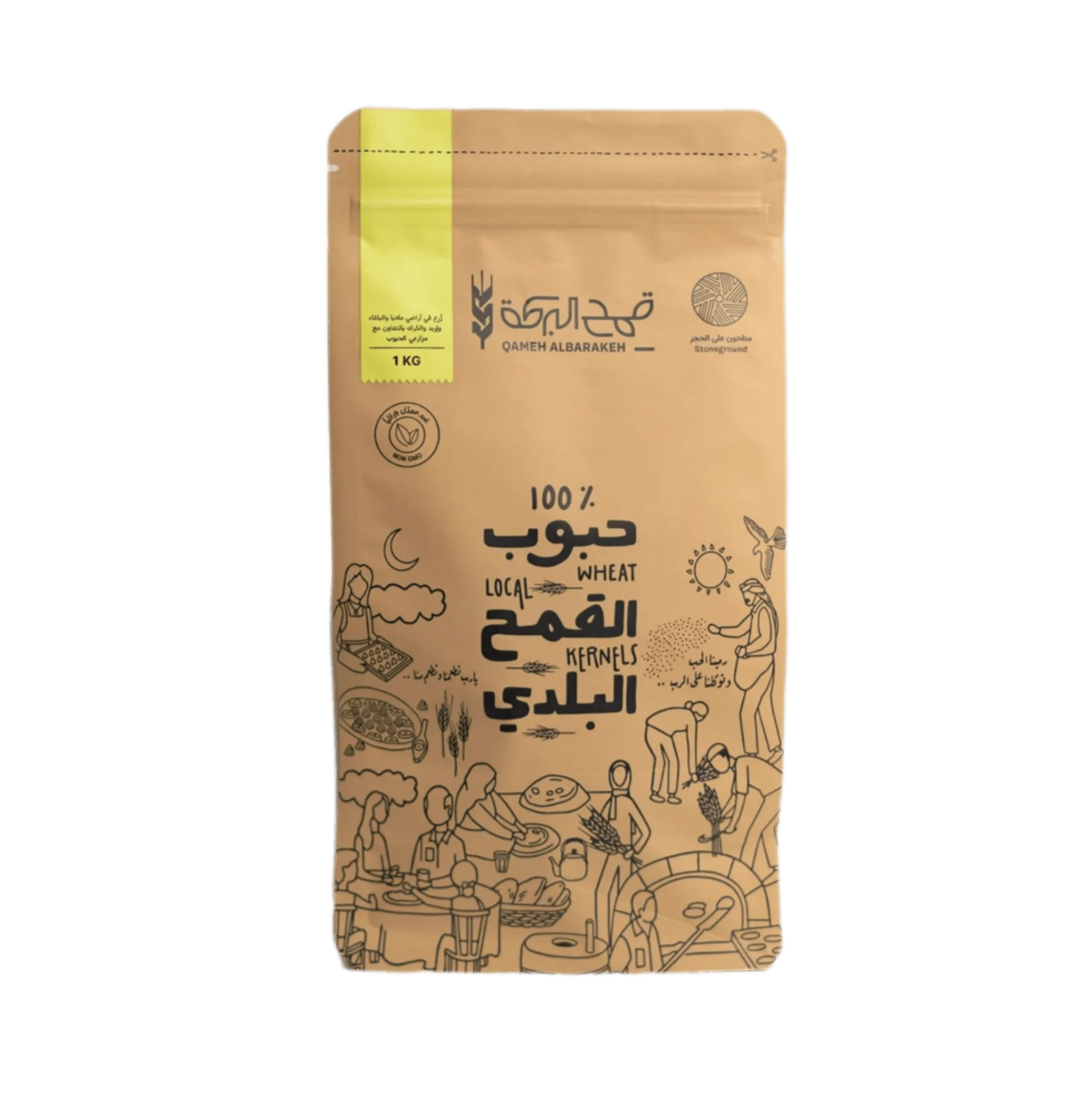
- ALBARAKEH Local Durum kernels: Local Durum kernels grown in Madaba, the Jordan Valley, Al-Karak and Irbid. A single-origin local grain gives you a consistent starting point, so the soaking and simmering times in this guide stay reliable from bag to bag.
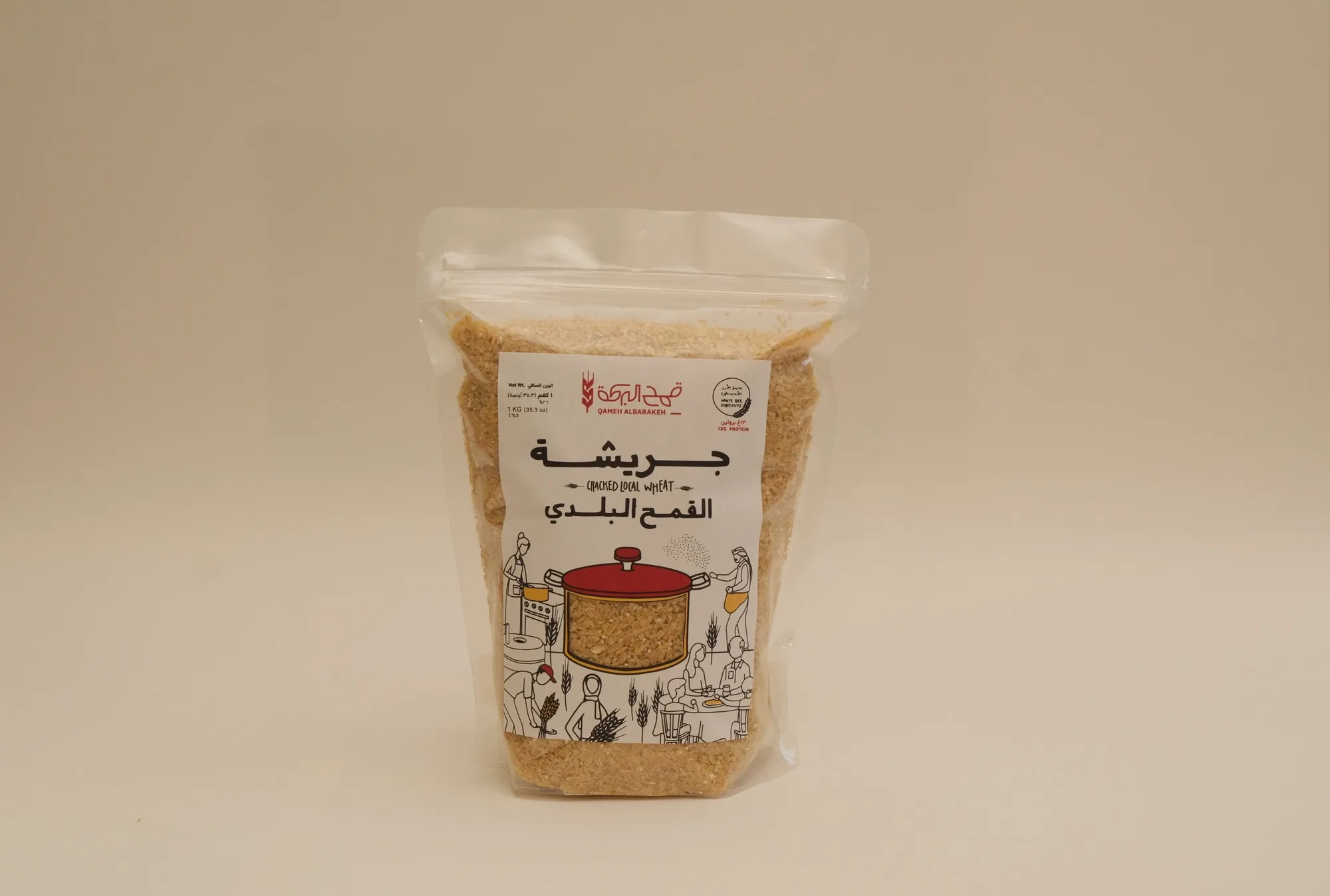
- ALBARAKEH WHEAT Cracked Local Wheat (1kg): Cracked local wheat was used as a substitute for white rice in the Levant before white rice became commercially available, and it is not pre-cooked or dried, so it retains nutrients that bulgur loses during processing. If you want the same wheat in a faster-cooking form, cracked wheat is the practical shortcut, but it needs far less time in the pot than whole kernels.
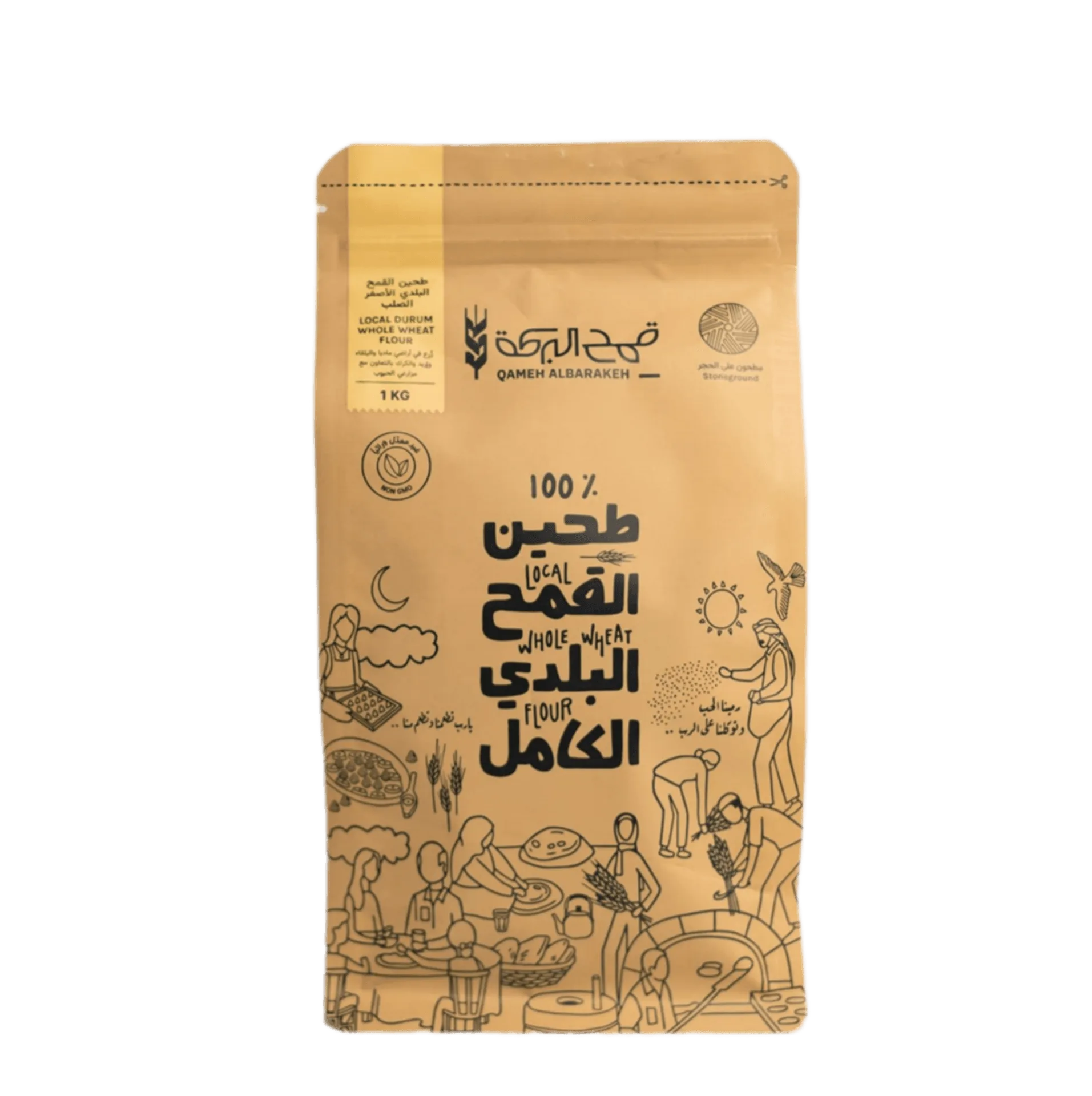
- ALBARAKEH Local Whole Durum Wheat (1kg): Local whole durum wheat flour is milled on stone and has a nutty, sweet flavour. If you enjoy the flavour of cooked whole kernels, the stone-milled flour from the same wheat is a natural next step for flat bakes and pastries.