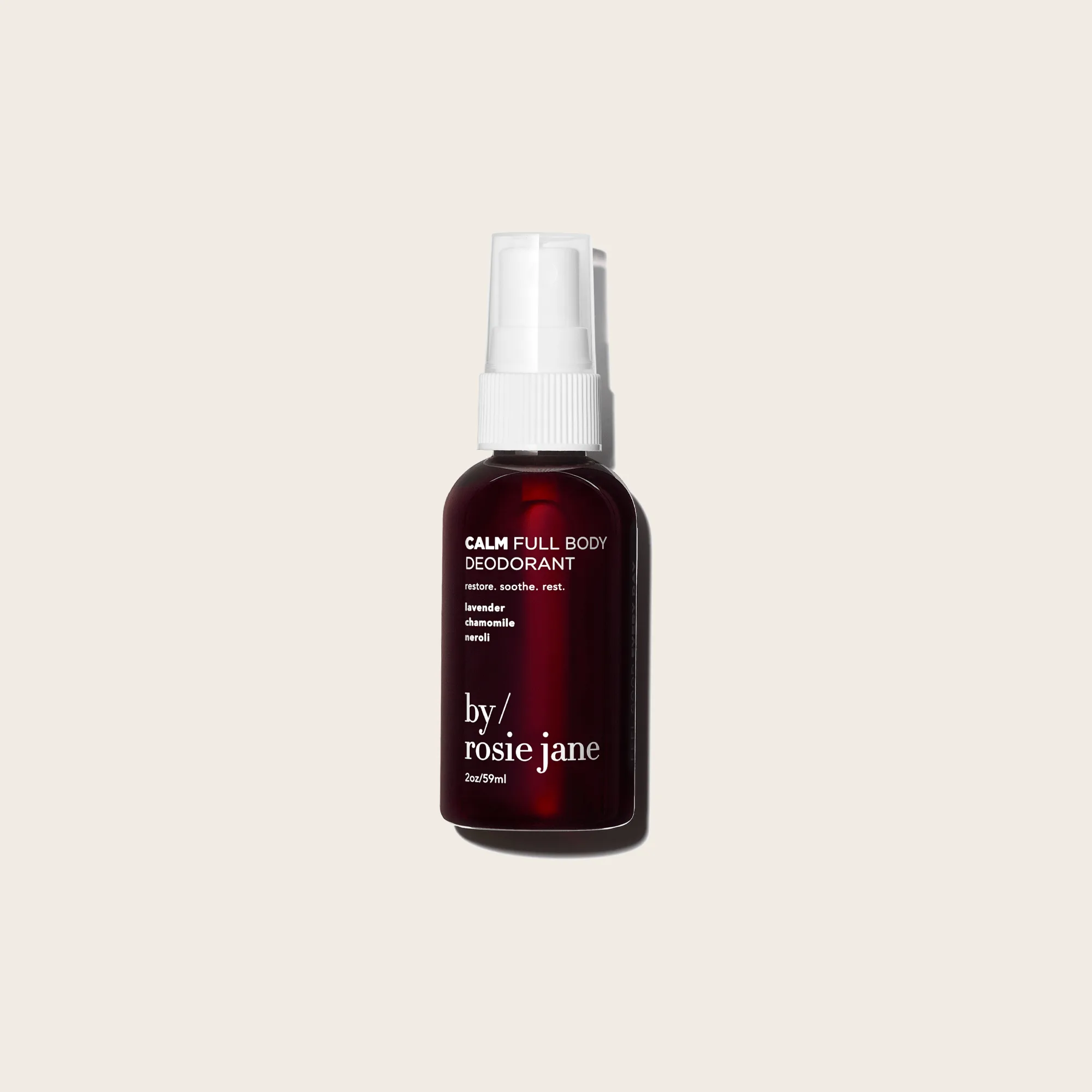
Choosing the right baby body lotion can feel overwhelming with so many options on store shelves. Your little one's skin is much thinner and more sensitive than adult skin, making it more susceptible to irritation, dryness, and allergic reactions. That's why understanding what goes into a baby moisturizer is crucial for keeping your infant comfortable and healthy.
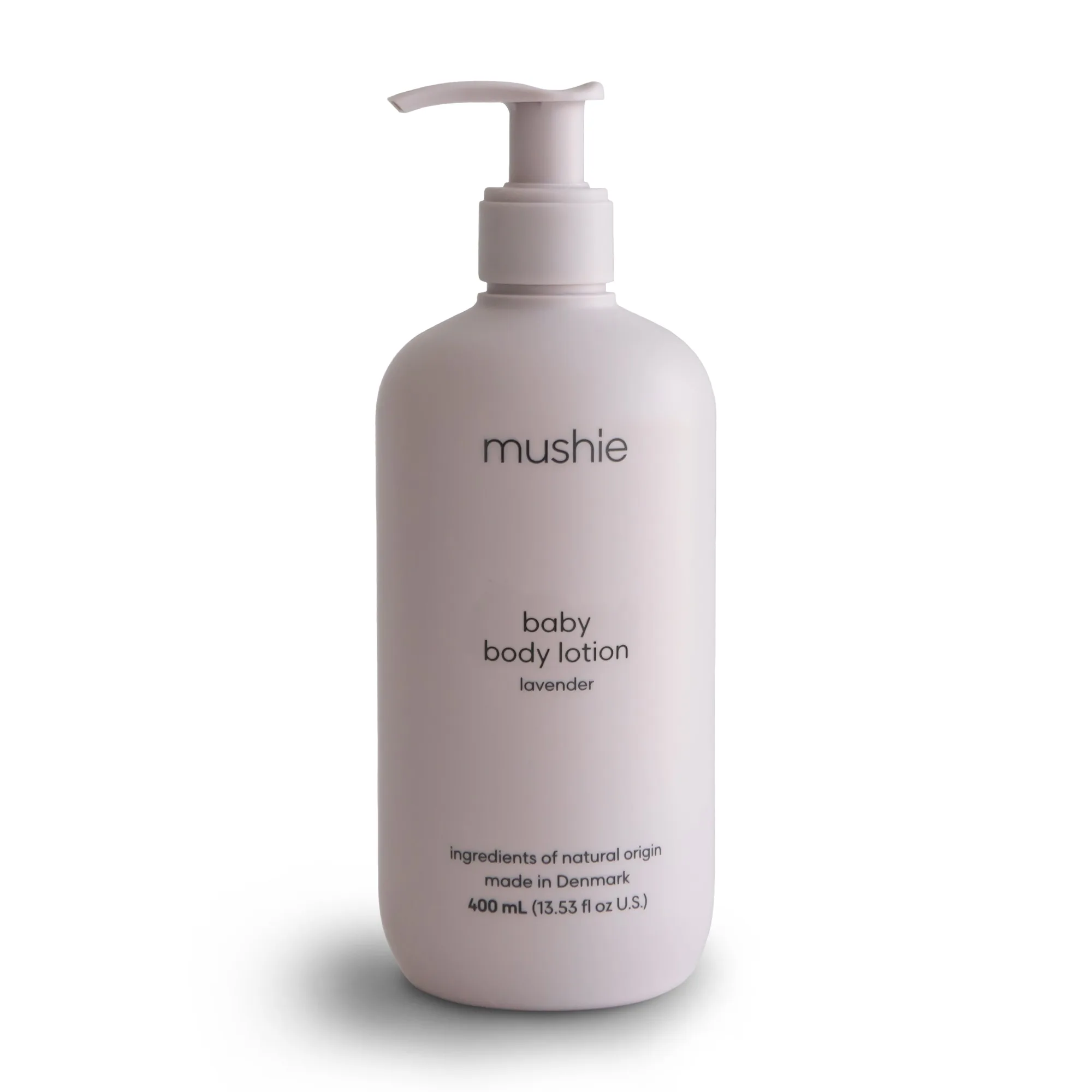
baby body lotion
In this guide, we'll break down the key ingredients to look for in a natural baby lotion, the harmful additives you should avoid, and practical tips for applying lotion safely. Whether you're a new parent or looking to switch products, this article will help you make an informed choice for your baby's skincare routine.
Why Baby Skin Needs Special Care
A baby's skin is about 30% thinner than adult skin and has a weaker barrier function. This means it loses moisture more easily and absorbs substances—both good and bad—more readily. For the first few months, a newborn's skin is still developing its natural protective acid mantle, which helps fend off bacteria and irritants. Using a harsh or fragranced lotion can disrupt this delicate balance, leading to dryness, eczema, or contact dermatitis.
Because of this vulnerability, pediatric dermatologists recommend using only gentle, hypoallergenic products specifically formulated for infants. A high-quality baby body lotion should support the skin barrier without stripping natural oils. Look for products that are free from common irritants and packed with nourishing, skin-friendly ingredients.
- Always patch-test a new lotion on a small area of your baby's arm before full-body use.
Key Ingredients to Look for in a Baby Body Lotion
When scanning the ingredient list of a baby moisturizer, prioritize natural emollients and humectants that mimic the skin's own lipids. Shea butter, cocoa butter, and plant-based oils like jojoba, sunflower, or coconut oil are excellent for sealing in moisture. Oatmeal and aloe vera are soothing options for babies with sensitive or eczema-prone skin, as they calm redness and inflammation.
Ceramides are another powerful ingredient—they help rebuild the skin barrier and prevent transepidermal water loss. Glycerin, a gentle humectant, draws moisture into the skin without clogging pores. For a truly natural baby lotion, choose products with short, recognizable ingredient lists that prioritize these beneficial components over synthetic fillers.
- Shea butter, cocoa butter, and jojoba oil are top-tier moisturizers for baby skin.
- Oatmeal and aloe vera provide soothing relief for dry or irritated patches.
- Ceramides and glycerin help strengthen the skin barrier and lock in hydration.
Ingredients to Avoid in Baby Lotions
Just as important as what to include is what to leave out. Stay away from synthetic fragrances, which are among the most common allergens for babies. Even "unscented" products can contain masking fragrances, so look for "fragrance-free" on the label. Parabens, phthalates, and sulfates (like sodium lauryl sulfate) are also best avoided, as they can disrupt hormones or strip the skin of natural oils.
Other red flags include mineral oil and petroleum derivatives—they sit on top of the skin without providing real nourishment. Alcohol (like denatured alcohol or isopropyl alcohol) can dry out and sting sensitive skin. Essential oils, while natural, can also be irritating for some infants, so use them with caution. Always choose a baby body lotion formulated without these harsh additives.
- Avoid synthetic fragrances, parabens, phthalates, and sulfates.
- Skip mineral oil, petroleum, and drying alcohols.
- Be cautious with essential oils—patch test first.
How to Choose the Right Baby Body Lotion for Your Child
Start by considering your baby's specific needs. If your little one has dry or eczema-prone skin, look for a thicker, cream-based lotion with colloidal oatmeal or ceramides. For everyday use on normal skin, a lighter, water-based lotion with glycerin and natural oils may be sufficient. Always check that the product is labeled hypoallergenic and dermatologist-tested.
Reading reviews from other parents can also give you insight into how a lotion performs in real life. Don't forget to consider the packaging—pump bottles are more hygienic and easier to use one-handed than jars. And remember, the most expensive product isn't always the best; often, a simple, well-formulated natural baby lotion is all your baby needs.
- Match the lotion type to your baby's skin condition (dry, normal, or sensitive).
- Look for hypoallergenic, dermatologist-tested labels.
- Pump bottles reduce contamination and are convenient for diaper changes.
Safety Tips for Applying Baby Lotion
Always wash your hands before applying lotion to your baby to avoid transferring germs. Apply a small amount of lotion to your hands first to warm it up, then gently massage it into your baby's skin using soft, circular motions. Pay extra attention to dry areas like elbows, knees, and cheeks, but avoid the face unless the product is specifically formulated for facial use.
Never apply lotion to broken or irritated skin, and stop using the product immediately if you notice any redness, rash, or discomfort. It's also a good idea to avoid lotions right before sun exposure, as some ingredients can make skin more sensitive to UV rays. For newborns under one month old, consult your pediatrician before starting any skincare routine beyond plain water.
- Warm the lotion in your hands before applying.
- Avoid broken skin and discontinue use if irritation occurs.
- Consult your pediatrician for newborns under one month.
Pairing Baby Lotion with Other Gentle Skincare Products
A complete baby skincare routine goes beyond just lotion. Using a soft, gentle towel like the Organic Cotton Baby Hooded Towel can help pat your baby dry without rubbing, which minimizes irritation. After bath time, apply lotion while the skin is still slightly damp to lock in maximum moisture.
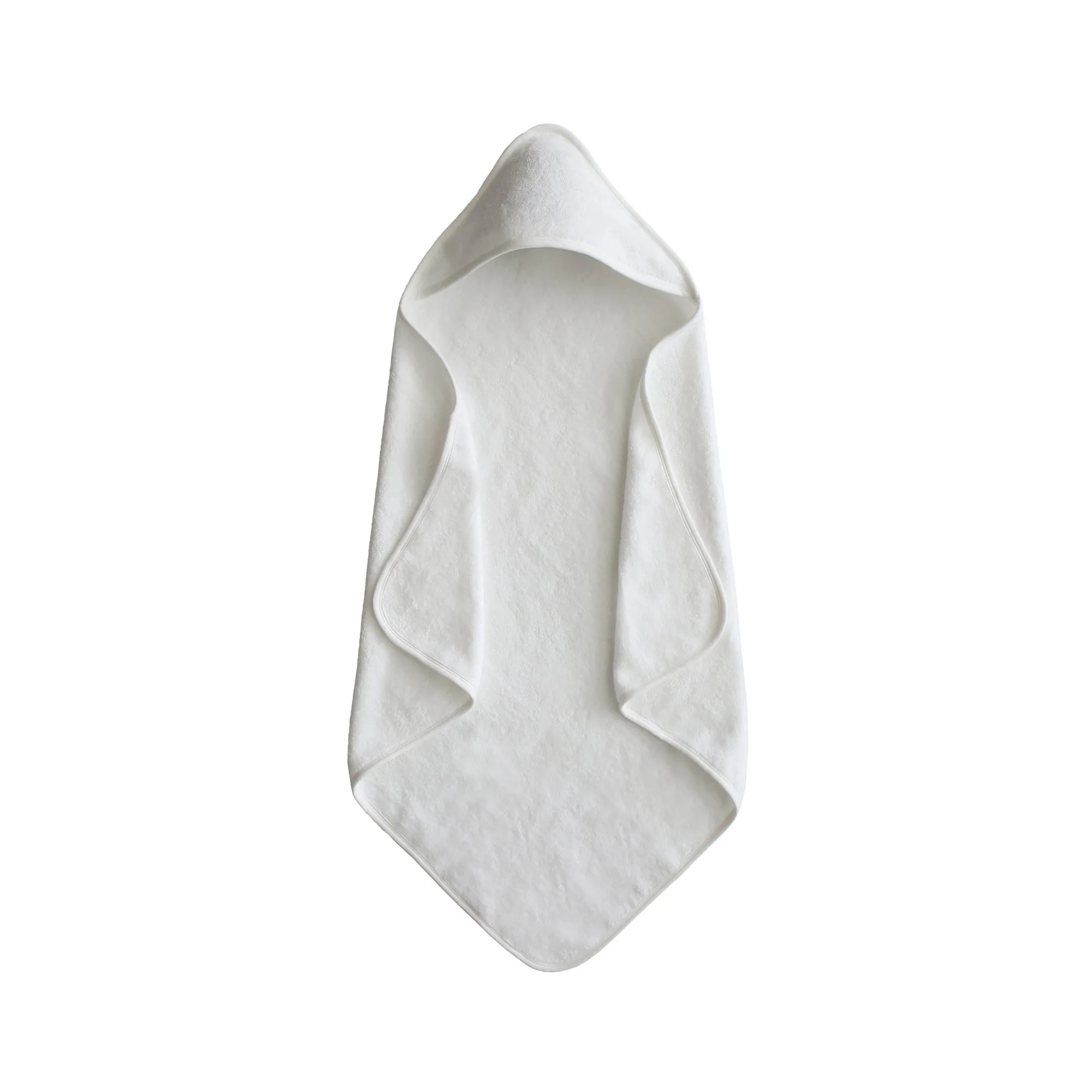
Organic Cotton Baby Hooded Towel
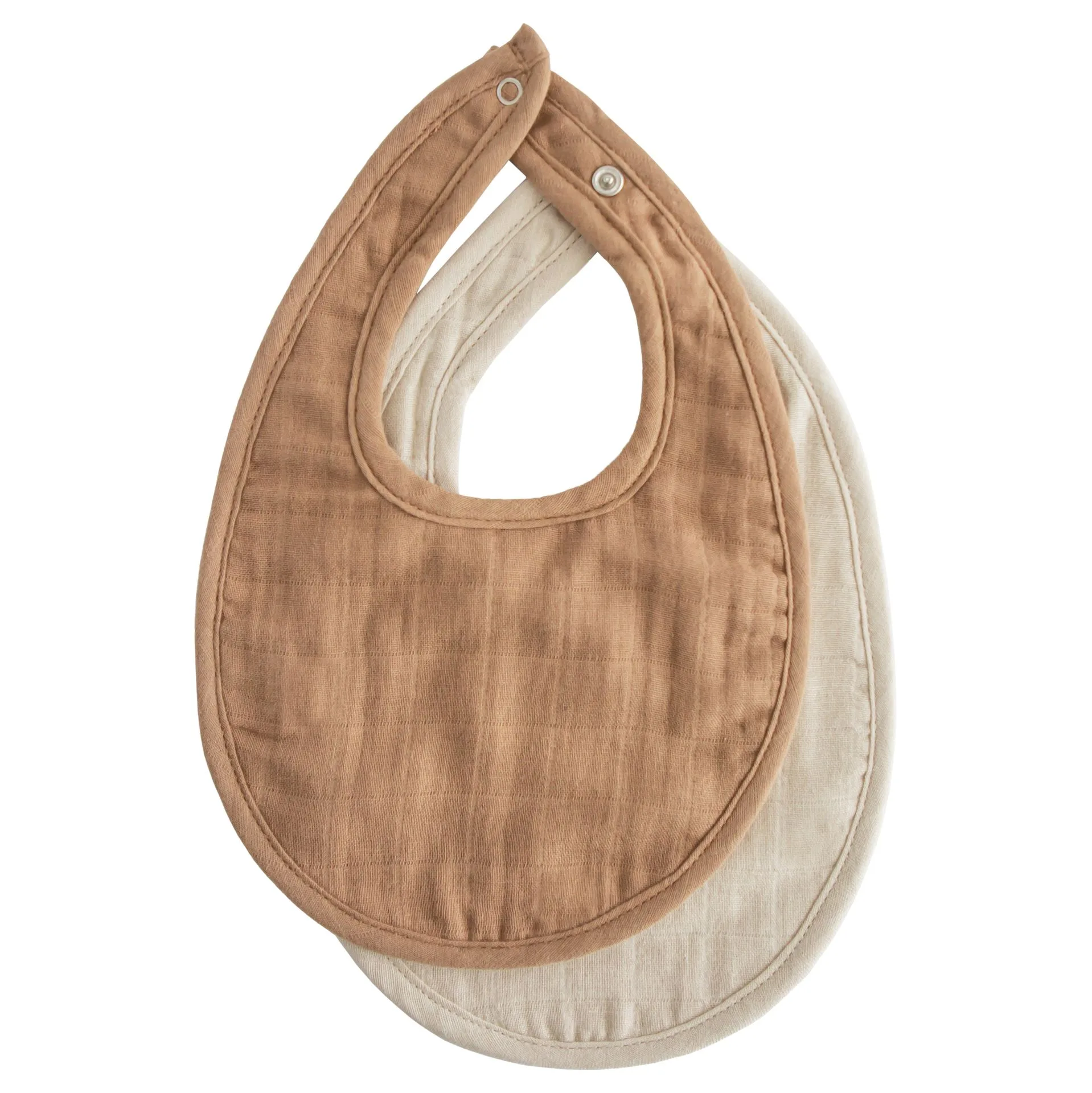
For babies who drool or spit up frequently, a Muslin Bib can keep their delicate chin and neck area dry, reducing the need for frequent lotion application. And if you're using a diaper cream or barrier ointment, apply it after the lotion so that the heavier product can seal in moisture effectively. These small steps make a big difference in maintaining your baby's skin health.
- Pat skin dry with a soft hooded towel after bathing.
- Apply lotion to slightly damp skin for better absorption.
- Use a soft bib to keep drool away from sensitive areas.
Finding the perfect baby body lotion doesn't have to be a challenge. By focusing on gentle, natural ingredients and avoiding harsh chemicals, you can keep your little one's skin soft, hydrated, and healthy. For other everyday essentials that support your baby's comfort and development, explore our selection of thoughtfully designed products—like the Silicone Suction Builders, which encourage sensory play and fine motor skills in a safe, mess-free way.