Quick Answer
When shopping for a calcium supplement, start by checking the type of calcium—carbonate is common and affordable, while citrate is easier on the stomach and better for those with low stomach acid. Also look for added vitamin D3, which helps your body absorb calcium more effectively. Consider your dose, your diet, and any digestive sensitivities to find the best fit.
Calcium is essential for keeping bones strong, but with so many options on the shelf, it can be hard to know which supplement to choose. The right choice depends on your diet, digestion, and how much calcium you already get from food. This guide breaks down the key factors so you can pick a supplement that fits your lifestyle and supports your bone health.
We'll cover the main forms of calcium, the importance of vitamin D3, and how to read the label to make sure you're getting what you pay for. Whether you're new to supplements or looking to switch, these practical tips will help you make a confident decision.
Calcium Carbonate vs. Citrate: Which Form Is Right for You?
The two most common forms of calcium in supplements are calcium carbonate and calcium citrate. Calcium carbonate is more concentrated, meaning you get more elemental calcium per pill, and it's typically less expensive. However, it requires stomach acid for proper absorption, so it's best taken with food. If you have low stomach acid or take acid-reducing medications, you may not absorb it as well.
Calcium citrate is absorbed more easily on an empty stomach and is a better choice for older adults or those with digestive issues. The trade-off is that it contains less elemental calcium per dose, so you may need to take more pills to reach your target. For most people, calcium carbonate with meals is a practical and budget-friendly option, but if you have digestion concerns, citrate might be worth the extra cost.
- Take calcium carbonate with food for best absorption.
- If you take acid reducers or have low stomach acid, consider calcium citrate.
Why Vitamin D3 Matters for Calcium Absorption
Your body needs vitamin D to absorb calcium effectively. Without enough vitamin D, even a high-quality calcium supplement won't do its job. Many calcium products now include vitamin D3, which is the form most efficiently used by the body. Look for a supplement that pairs calcium with vitamin D3 to get more benefit from each dose.
If you already take a separate vitamin D supplement, you might not need a combined product. But for convenience and to ensure you're getting both nutrients, a calcium supplement with vitamin D3 is a simple way to cover two bases at once. Check the label for the amount of vitamin D3 per serving—typically 400–800 IU is common, but your needs may vary based on sun exposure and diet.
- Pair calcium with vitamin D3 to support absorption.
- Consider your total vitamin D intake from all sources when choosing a dose.
How Much Calcium Do You Need?
The amount of calcium you need depends on your age, sex, and life stage. Most adults need about 1,000 mg per day, while women over 50 and men over 70 may need up to 1,200 mg. It's best to get as much as you can from food—dairy, leafy greens, and fortified foods—and use supplements to fill the gap.
When reading a supplement label, pay attention to 'elemental calcium,' which is the actual amount of calcium your body can use. A pill may weigh more, but the elemental calcium is what counts. For example, calcium carbonate is about 40% elemental calcium, while calcium citrate is about 21%. Divide your daily target by the elemental calcium per serving to know how many doses you need.
- Check the label for elemental calcium, not total pill weight.
- Spread doses throughout the day for better absorption—your body absorbs calcium best in amounts of 500 mg or less.
What Else to Look For in a Calcium Supplement
Beyond the type of calcium and vitamin D, consider other ingredients that support bone health. Some supplements include magnesium, which works with calcium for bone structure, or vitamin K2, which helps direct calcium to bones rather than soft tissues. These added nutrients can be a bonus, but they're not essential for everyone.
Also consider the form of the supplement—tablets, capsules, or gummies. Tablets are often the most economical, but some people find them hard to swallow. Capsules may be easier to take, and gummies are a tasty option but often contain less calcium per serving. Think about your daily routine and what you'll stick with long-term.
- If you have trouble swallowing pills, look for smaller tablets or capsules.
- Gummies can be convenient but check the calcium content per serving—it may be lower than tablets.
Your Calcium Supplement Decision Rules
- Check the form: Choose calcium carbonate if you eat a varied diet and don't have digestive issues. Choose calcium citrate if you have low stomach acid or take acid reducers. Pick the form that matches your digestion.
- Look for vitamin D3: A calcium supplement with added vitamin D3 helps your body absorb calcium more effectively. If you already take vitamin D, you may not need a combined product. Ensure you're getting enough vitamin D, either from your calcium supplement or separately.
- Count elemental calcium: Read the label for elemental calcium per serving and divide your daily target by that number to know how many doses you need. Spread doses of 500 mg or less throughout the day. Know your daily target and plan your doses accordingly.
Calcium Supplements to Consider
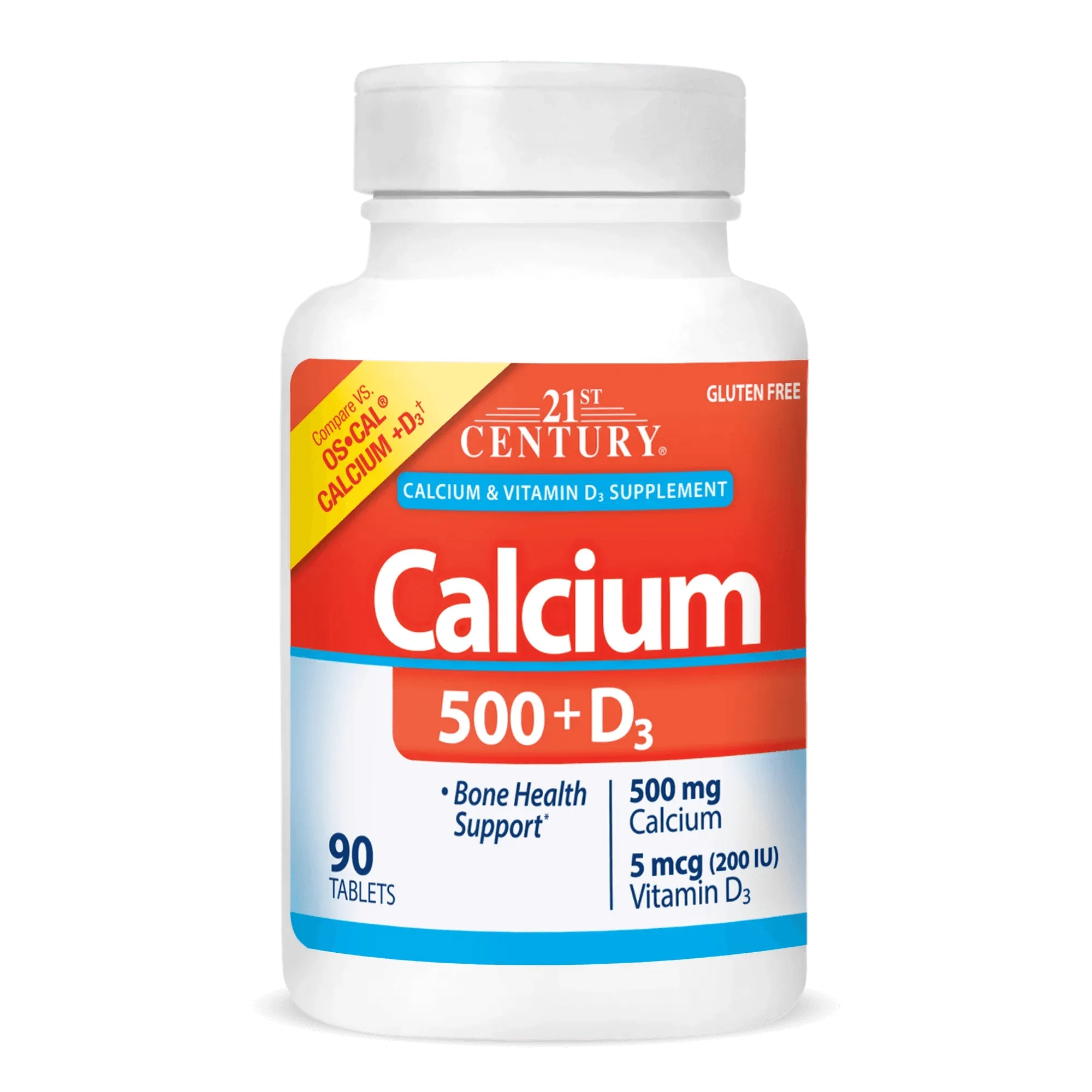
- Calcium 500 Plus D3: Calcium is an important mineral for bone health. Vitamin D3 is added to assist with calcium absorption. This combination makes it a convenient choice if you want both calcium and vitamin D3 in one dose, without needing a separate supplement.
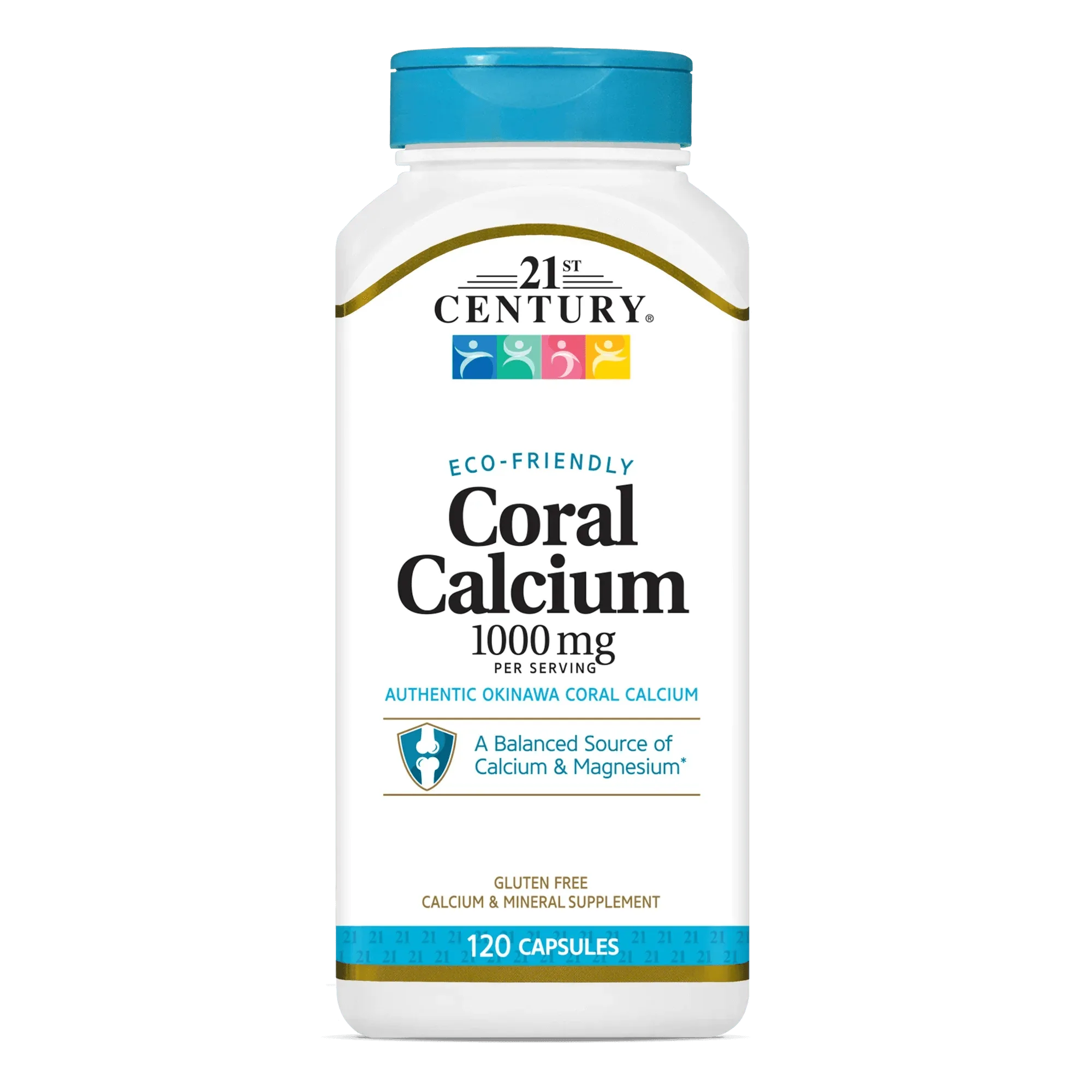
- Coral Calcium 1000 mg: Coral Calcium has the ideal calcium to magnesium ratio of 2:1 that supports bone health and heart, nerve and muscle function.* No live coral was harmed in the harvesting of 21ST Century's Eco-Friendly Coral Calcium. If you're looking for a calcium supplement that also provides magnesium in a balanced ratio, this product offers that extra support for overall wellness.
Who Should Choose What
Best for
- People looking for an affordable, straightforward calcium supplement with vitamin D3 to support bone health.
- Adults who want a calcium-magnesium combination for added support for bone, heart, nerve, and muscle function.
Not for
- Those who need a calcium citrate formula due to digestive issues or low stomach acid—consider a citrate-based supplement instead.
- People who already get enough calcium from diet and don't need a supplement—focus on food sources first.
Choosing the right calcium supplement comes down to understanding your body and your needs. Whether you opt for a simple calcium with vitamin D3 or a more complex formula with magnesium, the key is to pick something you'll take consistently and that fits your digestion. Always talk to your healthcare provider before starting a new supplement, especially if you have health conditions or take medications.