Quick answer
Match the pump to the fountain, not the other way around. Measure the lift height from the pump to the outlet, add the width of the water path, and choose a pump rated for at least that total head. For most table fountains, a small adjustable pump with 30–80 GPH is enough; garden fountains usually need 100–300 GPH or more. Buy adjustable flow, keep the intake clear, and clean the impeller monthly.
A fountain pump is the one part you rarely see and always notice when it fails. If the flow is too weak, the water dribbles; too strong, it splashes over the rim. Most pump problems come from buying by price or by the fountain's size instead of by the actual lift and flow the fountain needs.
This guide gives you the few measurements that matter, the trade-offs between pump types, and simple maintenance habits. You can apply the same rules whether you are replacing a table fountain pump or sizing a garden fountain pump for a larger basin.
Start With Two Numbers: Flow Rate and Head Height
Flow rate is how much water the pump moves per hour, listed as GPH (gallons per hour). Head height is the vertical distance the pump must push water from its resting place to the fountain's outlet. These two numbers decide whether a pump works in your fountain. A pump rated at 200 GPH at zero lift may deliver far less once it has to push water 2 feet up.
Measure the lift honestly. Put the pump where it will sit, then measure straight up to the highest point water leaves the fountain. Add the horizontal run as a rough allowance: every foot of tubing or channel adds resistance. If your total is 3 feet, look for a pump whose flow curve still gives you the spray or spill you want at 3 feet, not at zero.
- Write down lift height and desired flow before you shop.
- A pump with adjustable flow lets you tune the fountain after installation.
Choose the Pump Type That Fits Your Fountain
Submersible pumps sit in the water and are the default for most fountains because they are quiet and self-cooling. Inline or external pumps sit outside the water and are easier to service, but they cost more and need space. For a table fountain pump, submersible is almost always the practical choice because the basin is small and you want the pump hidden.
For a garden fountain pump, submersible still works well up to a point. If the fountain is large, has a long run to the outlet, or needs a strong vertical jet, an external pump may hold up better and be easier to reach for cleaning. The trade-off is noise and a visible housing you have to disguise.
- Submersible: quiet, simple, best for small and medium fountains.
- External: more serviceable, better for long runs and high lift.
Noise, Cord, and Fit in the Basin
Pump noise usually comes from vibration against the basin floor or from a partially blocked intake. Look for a pump with rubber feet or a suction-cup base, and set it on a small pad if the fountain resonates. A pump that is too powerful for a small basin also creates noise because it churns water and pulls air.
Check the cord length and the plug type before buying. A pump with a short cord may not reach your outlet without an outdoor-rated extension, which adds clutter. Also confirm the pump's physical dimensions fit inside the basin with room for the intake to stay clear of the walls and any decorative stones.
- Measure the basin's interior space, not just the fountain's footprint.
- Keep the intake at least an inch away from walls and debris.
Maintenance Rules That Prevent Most Failures
Fountain pump maintenance is mostly about keeping the impeller and intake free of debris. Turn off and unplug the pump, remove it, and rinse the intake screen. If flow has dropped, open the impeller housing and remove hair, grit, or plant matter wrapped around the magnet. This takes a few minutes and restores most pumps to full flow.
In warm weather, clean the intake every two to four weeks and the impeller monthly. In winter, either run the pump continuously to prevent freezing or drain and store it, depending on your climate and fountain type. Never let a pump run dry; it relies on water for cooling and will overheat quickly.
- Unplug before any cleaning or adjustment.
- Keep a spare impeller or a backup pump for fountains you rely on daily.
How Planters and Fountains Work Together
Fountains and planters share the same placement logic: weight, drainage, and access. A heavy stone or ceramic planter near a fountain can hide the cord and pump housing, and it gives the eye a resting point. Just keep soil and fallen leaves out of the fountain water, because organic debris is the fastest way to clog a pump intake.
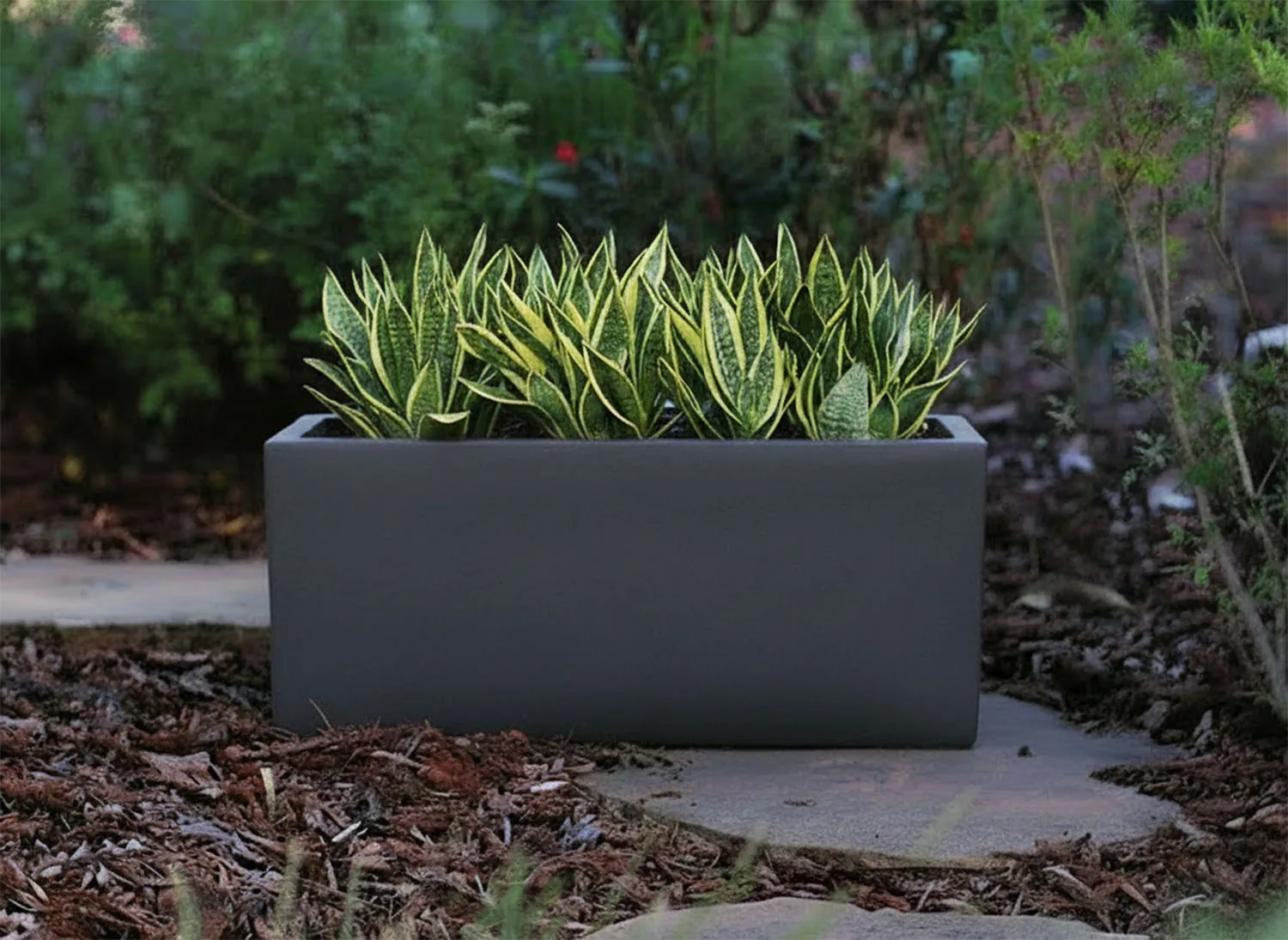
If you are building a planted corner around a fountain, choose planters that match the fountain's finish and scale. A tall entryway planter can frame a fountain, while a low rectangular planter can screen the pump access area without blocking it.
- Rinse planters before placing them near a fountain to remove loose soil.
- Leave a clear path to the pump for monthly cleaning.
Decision Rules for Choosing a Fountain Pump
- If your fountain is a tabletop model: Choose a small submersible pump with adjustable flow, roughly 30–80 GPH, and confirm it fits inside the basin with the intake clear. Prioritize quiet operation and a compact body over maximum power.
- If your fountain is a garden fountain with a tall outlet: Measure total lift height, add resistance for the run, and pick a pump whose rated flow at that head still matches the spray you want. Do not buy based on the zero-lift GPH number alone.
- If you want low maintenance: Choose a pump with an accessible intake screen and a removable impeller housing, and keep a spare impeller on hand. Serviceability matters more than a slightly higher flow rating.
- If the pump will run through winter: Confirm the pump is rated for continuous operation and that the fountain will not freeze around it; otherwise plan to drain and store it. Freezing water damages pumps and plumbing, even when the pump is running.
Products That Support a Fountain Setup
- https://plantatoremez.com/products/rectangular-box-planter-set-of-3-747ba7e1c483075ef66a7efb-2580400https://plantatoremez.com/products/rectangular-box-planter-8fb15ed9691162d3589991bf-2580411Rectangular Box Planter By Plantatorem: Modern rectangular planter with a clean box shape, available in Black, Dark grey, and White, and in four sizes from 23.5" L x 10" W x 12" H up to 47" L x 19.5" W x 21.5" H. Its straight lines and multiple sizes make it useful for screening a fountain pump area or framing a fountain without blocking access.
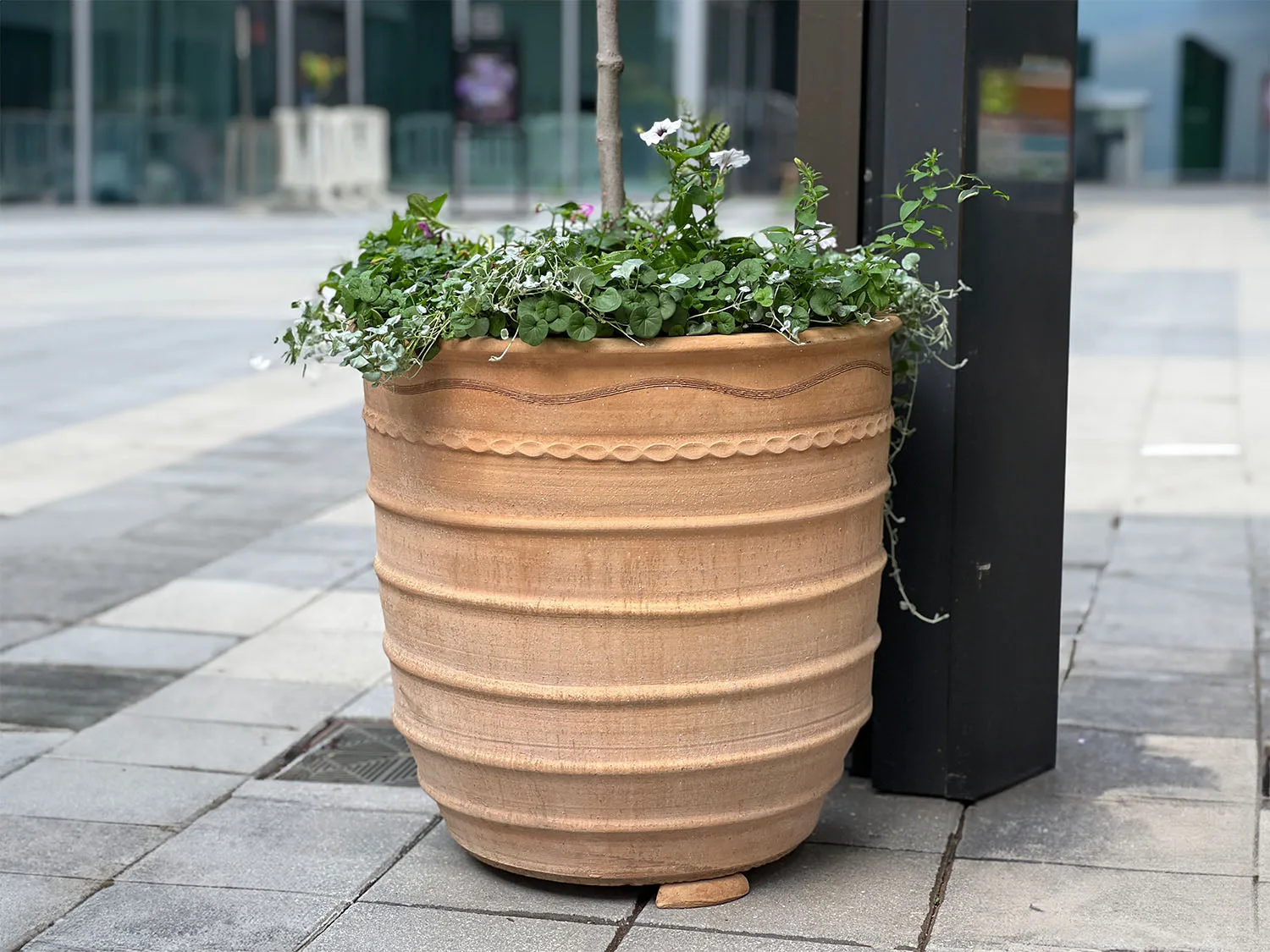
- Jar del Portal By Plantatorem: Tall outdoor planter designed for entryways and suited to palms, fig trees, and ferns, made as Earthen Stoneware fired in a wooden kiln at 2200 degrees Fahrenheit with hand glazing, so no two pieces are alike. A tall planter like this can anchor a fountain corner and draw attention upward, while its hand-glazed finish means you should expect natural variation rather than an exact color match.
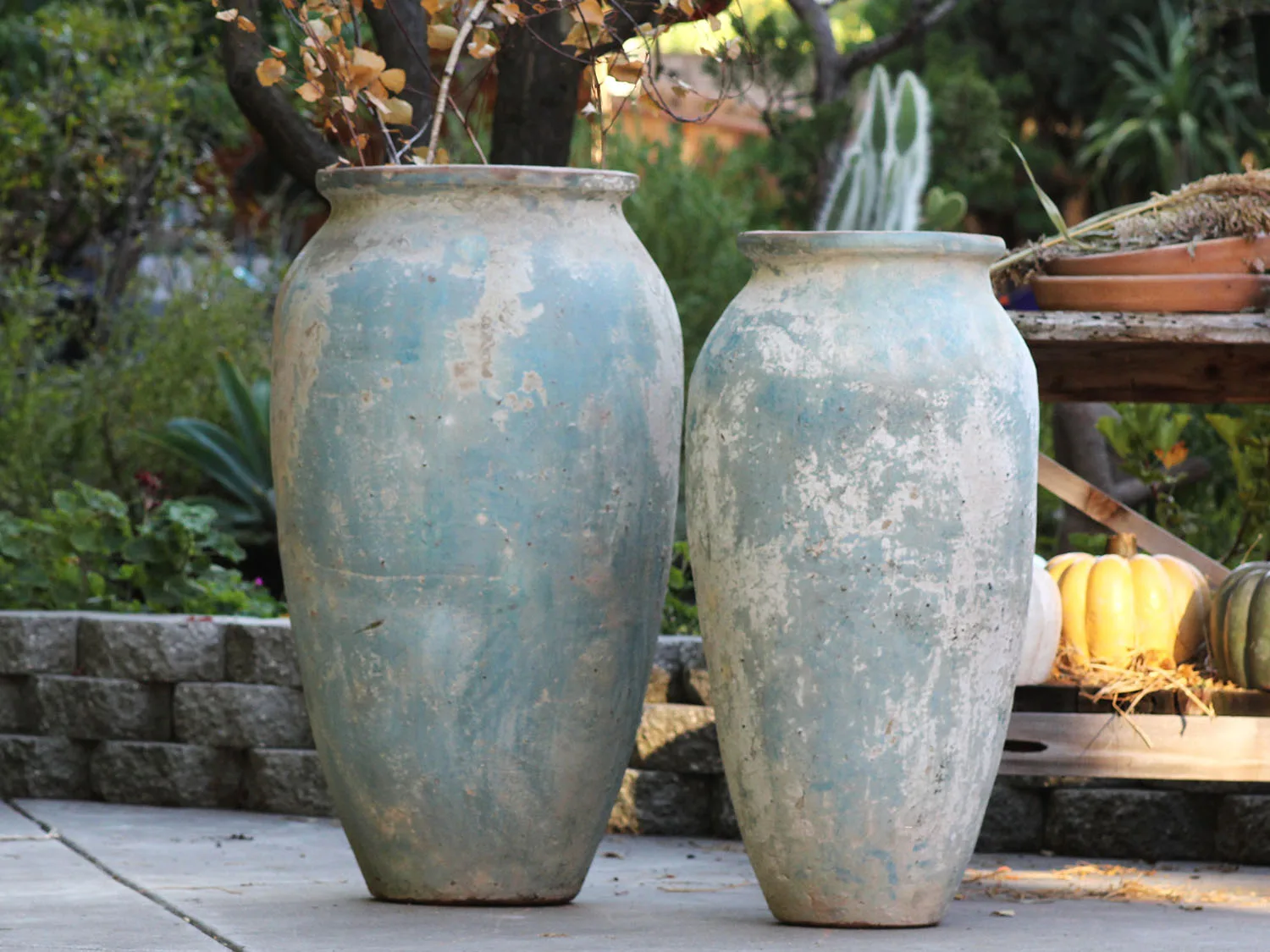
- Stone Urn: Traditional urn shape with a faded off-white finish and rough surface texture, a strong base, wide round bowl, and curved rim. The classic form pairs naturally with fountain styles and gives you a durable-looking accent that does not compete with the water feature.
Who Should Buy Which Pump
Best for
- Table fountain owners who want quiet, adjustable flow in a small basin
- Garden fountain owners who can measure lift height and want a serviceable submersible pump
- Anyone replacing a failed pump who wants a straightforward maintenance routine
Not for
- Large water features with long runs and high lift, where an external pump is usually the better choice
- Fountains that will be left to freeze without draining, regardless of pump quality
- Buyers who want a single pump to fit every fountain without measuring flow and head
Pick a pump by lift height and flow, not by the fountain's price tag. Measure once, choose adjustable flow, and clean the intake and impeller on a schedule. That routine keeps a table fountain pump quiet and a garden fountain pump running season after season.