Quick answer
Choose a guided journal by matching the prompt style to how you actually think: open-ended prompts for free reflection, structured prompts for direction. Check paper quality and binding next, because they determine whether you'll keep writing. For beginners, a journal with clear prompts and a companion card set reduces the blank-page problem.
Prompt style: open-ended vs. structured
The biggest fork in the road is prompt style. Open-ended prompts ask broad questions like 'What matters to me right now?' and leave the page blank. Structured prompts break reflection into smaller steps, such as 'List three moments today when you felt fully engaged.' Neither is better in the abstract, but they suit different minds. If you freeze when faced with a blank page, structured prompts give you a starting point. If you find step-by-step prompts constraining, open-ended ones let you follow your own thread. Many guided journals mix both, which is often the safest choice for a first purchase.
Paper quality and binding: the practical tests
Paper quality matters more than most buyers expect. Thin paper lets ink bleed through, which makes both sides of a page unusable and turns a reflective practice into a frustration. Look for paper described as thick or bleed-resistant, and check whether the journal lies flat when open. A binding that fights you — a stiff spine that snaps shut — will quietly stop you from writing. If you use fountain pens or heavy markers, prioritize paper weight over cover design. For pencil or ballpoint, most standard journals are fine.
How many prompts and how much space per entry
Count the number of prompts and the writing space each one gets. A journal with 100 one-line prompts is a different tool from one with 20 prompts that each span two pages. One-line prompts work well for daily check-ins and building a habit. Multi-page prompts suit deeper self-reflection sessions where you want to stay with a single question. If you're journaling for beginners, start with a journal that gives you more space per prompt, because it removes the pressure to be concise. You can always move to a denser format later.
Companion tools: cards, collections, and refills
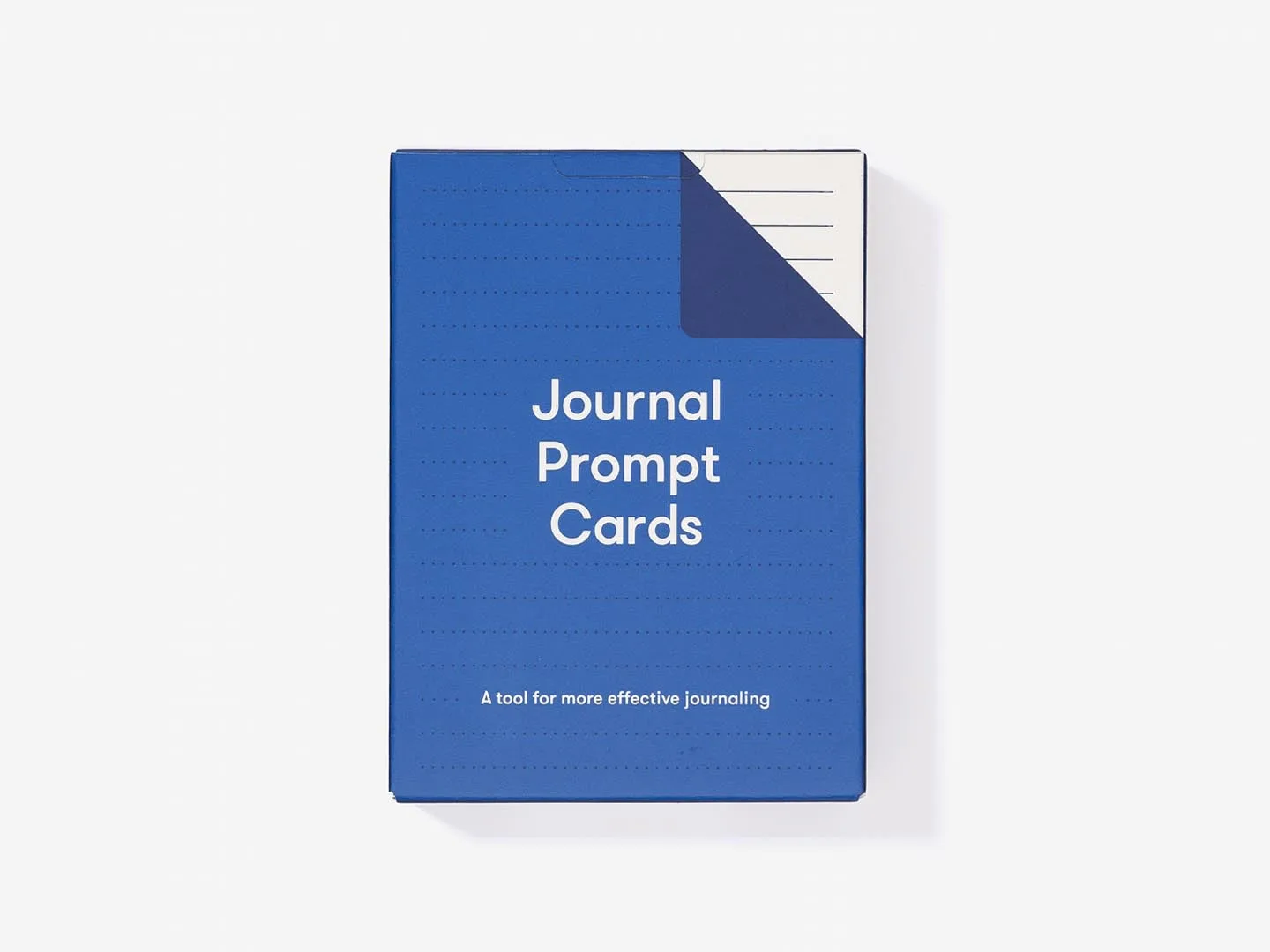
Some guided journals come with or alongside prompt cards, which can extend the journal's life after you've worked through the printed prompts. A card set also lets you draw a prompt at random, which suits people who dislike working through a book in order. Check whether the journal is part of a collection or series, because that tells you whether you can buy refills or complementary tools later. If storage or travel matters, a journal paired with a small card deck may be more portable than a large hardback.
Decision rules for choosing a guided journal
- If you freeze at blank pages: Choose a journal with structured, step-by-step prompts rather than open-ended questions. Look for prompts that ask you to list, rank, or complete a sentence.
- If you write with fountain pens or markers: Prioritize paper described as thick or bleed-resistant, and check that the journal lies flat. Paper quality is a functional requirement, not a luxury.
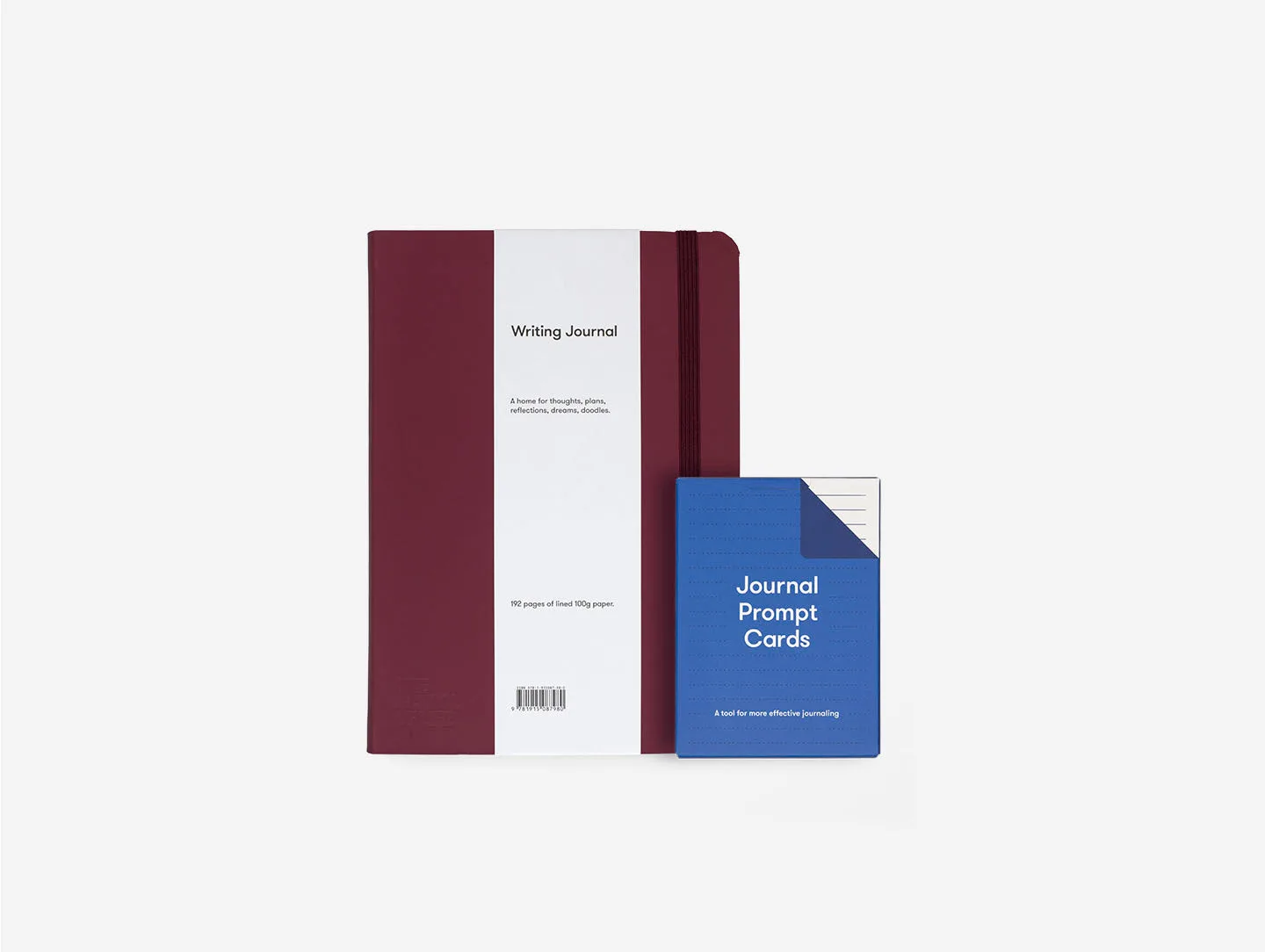
- If you want a single purchase that covers prompts and writing space: Consider a set that includes both a journal and prompt cards, like The Journaling Collection. Sets reduce the risk of buying one component and never using it.
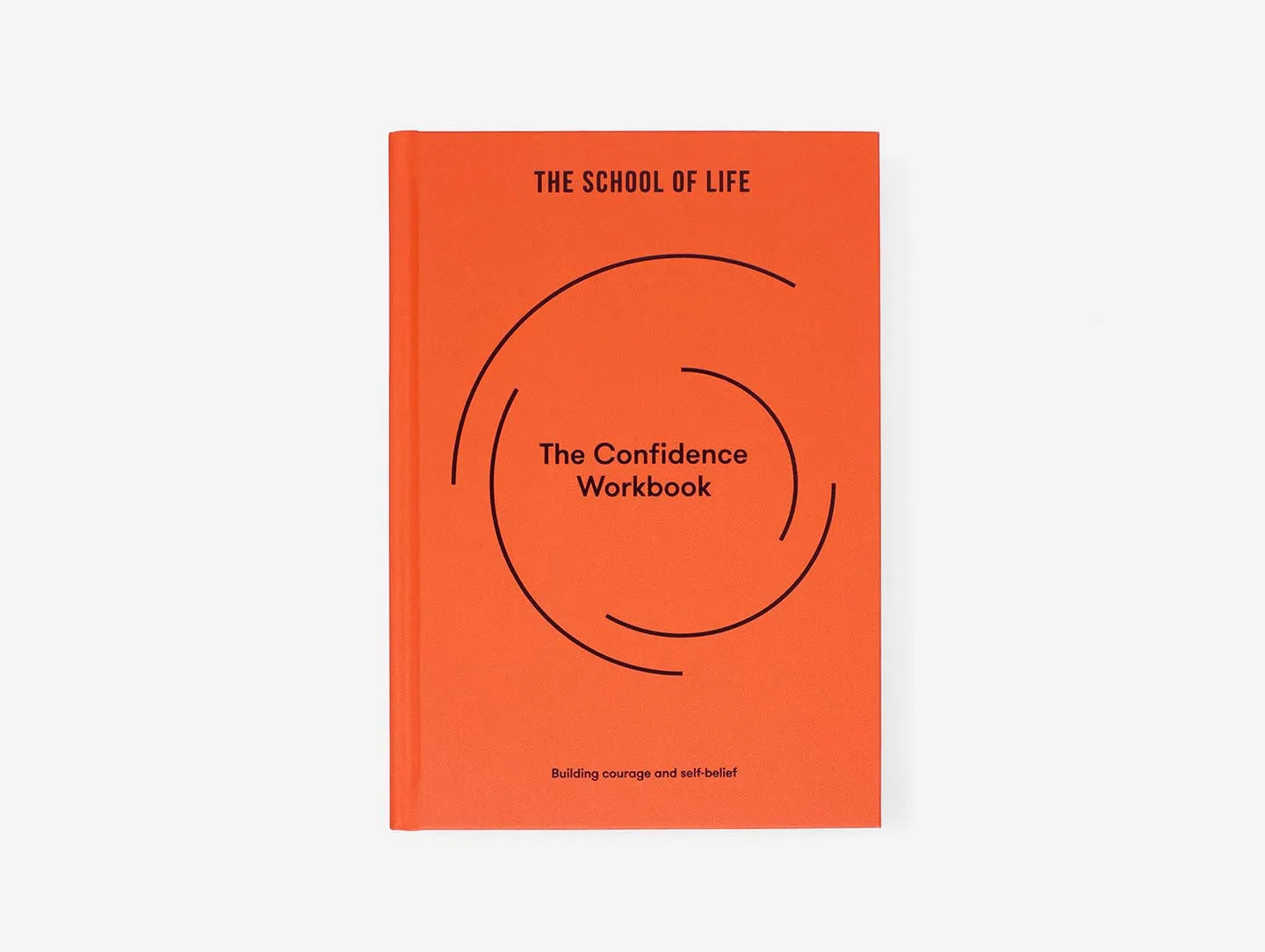
- If your reflection has a specific theme: Choose a themed workbook, such as one focused on confidence, over a general journal. A theme gives you a clear finish line and a measurable focus.
Examples from our catalog
- The Journaling Collection: The Journaling Collection is a gift set featuring Journal Prompt Cards and a Writing Journal. A combined set gives you both a place to write and a way to generate prompts, which is useful if you're journaling for beginners and want to avoid the blank-page problem.
- The Confidence Workbook: The Confidence Workbook focuses on building courage and self-belief, with the premise that confidence often matters more than intelligence or qualifications for a purposeful life. If your goal is self-reflection tied to action and confidence rather than general diary-keeping, a workbook with a specific theme may suit you better than a general prompted journal.
Who this advice is for
Best for
- Beginners who want a guided journal with clear prompts and a companion card set
- People who want to build a self-reflection habit but dislike open-ended blank pages
- Buyers who care about paper quality and binding because they write with wet ink
Not for
- Writers who prefer completely blank pages and no prompts
- People looking for a digital journaling app rather than a physical book
- Buyers who want a single one-line-per-day journal with no extra writing space