Quick answer
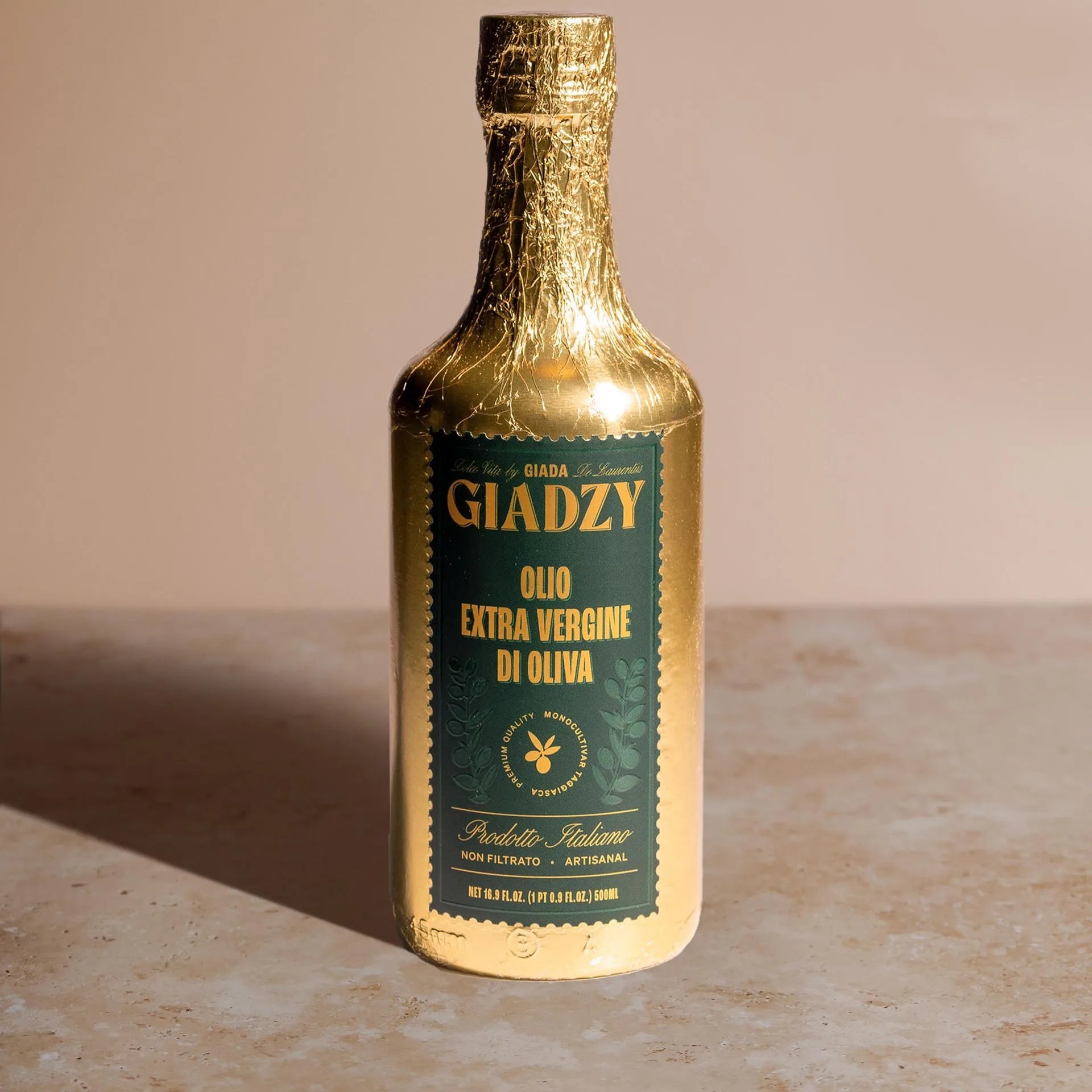
For a versatile pantry olive oil, choose an extra virgin variety with a bold but balanced flavor that works for both cooking and finishing, like Giadzy's Organic Coastal Puglia Olive Oil.
Why flavor matters for a pantry oil
A pantry olive oil needs to pull double duty: it should hold up when you sauté vegetables or roast chicken, yet still taste vibrant when drizzled over finished dishes. A mild oil might disappear in a salad, while an overly aggressive one can overpower delicate ingredients. Look for an oil with a robust personality that remains balanced—peppery and herbaceous without being harsh.
Organic certification as a quality signal
Organic certification isn't just a label—it often indicates more careful farming practices and fresher fruit. For an oil you'll use daily, choosing organic means fewer synthetic inputs and a cleaner flavor profile. It's especially relevant for extra virgin olive oil, where the fruit's quality directly affects taste.
The trade-off: bold flavor isn't for everyone
A peppery, herbaceous olive oil adds character to many dishes, but it may not suit every palate or recipe. If you prefer a neutral cooking oil or are making very delicate sauces, a more subdued option might be better. For most everyday cooking and finishing, though, a bold extra virgin oil offers the most flexibility.
Your pantry olive oil decision rules
- Choose extra virgin for versatility: Extra virgin olive oil works for both cooking (sautéing, roasting) and raw uses (drizzling, dipping). Refined or light olive oils lose flavor and complexity, making them less useful for finishing. If you can only keep one oil, make it extra virgin.
- Look for a single-origin or specific olive variety: Oils made from a known olive variety (like Coratina) or a specific region (like Coastal Puglia) often have a clearer flavor profile than generic blends. This helps you predict how the oil will taste in different dishes. Single-origin oils offer more predictable flavor.
- Check the harvest date or freshness indicators: Olive oil is best within 12–18 months of harvest. While not all bottles list a harvest date, buying from a trusted source with high turnover increases your chances of getting fresh oil. Organic certification can also signal attention to quality. Fresher oil tastes brighter and more peppery.
Product spotlight
-
2- Pack Organic Coastal Puglia Olive Oil: Made with 100% organic Coratina olives along the Adriatic Sea, this extra virgin olive oil has a bold, peppery, but balanced flavor with herbaceous fruity notes. Its robust yet balanced profile makes it suitable for both cooking and finishing, so you can keep one bottle on hand for almost any recipe.
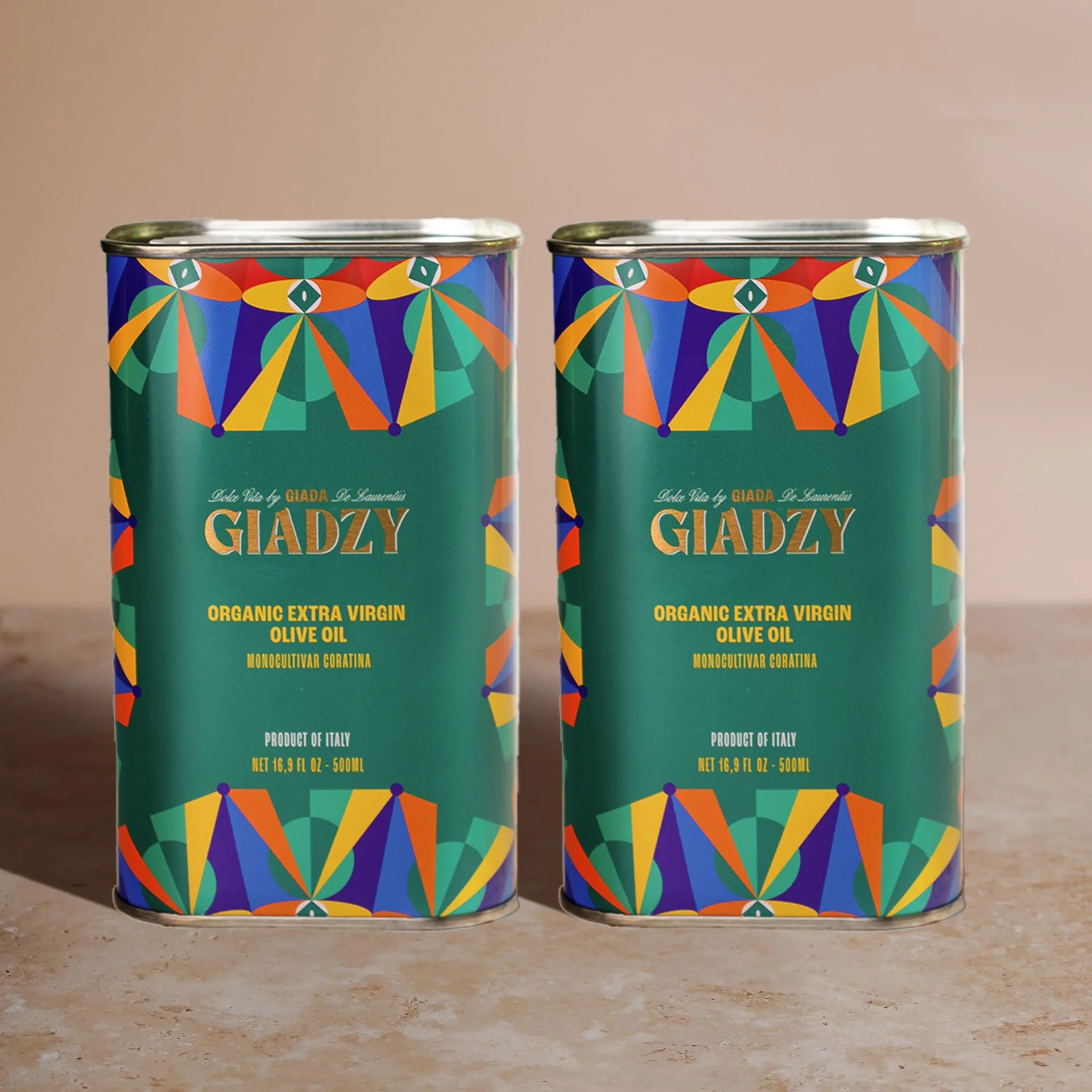
2- Pack Organic Coastal Puglia Olive Oil
Who this oil works for
Best for
- Home cooks who want one versatile olive oil for everyday cooking and finishing
- Anyone who enjoys a bold, peppery flavor in salads, pastas, and roasted vegetables
Not for
- Cooks who prefer a very mild, neutral oil for delicate dishes or baking
- Those on a tight budget, as premium organic extra virgin oils cost more than standard options