Quick Answer
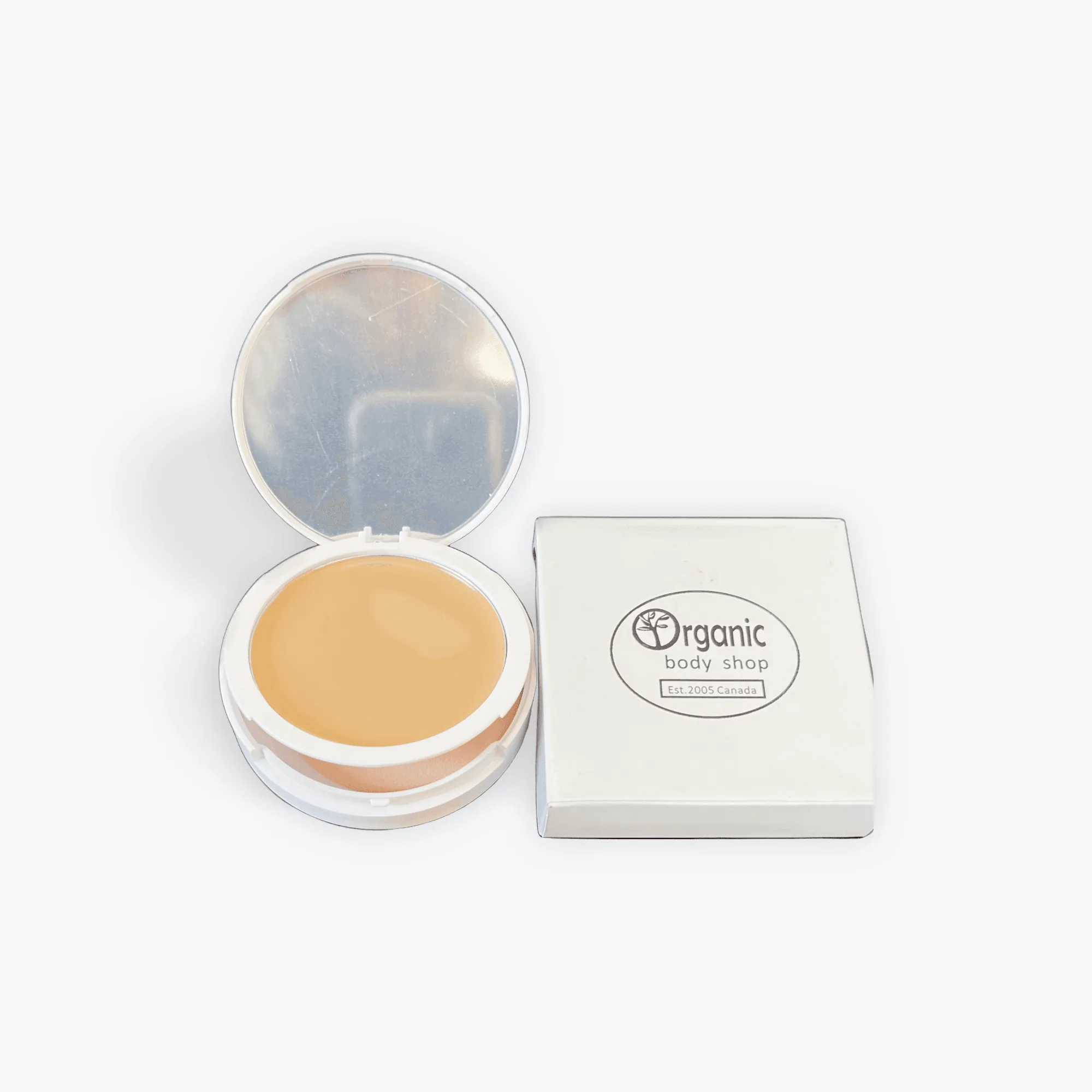
Choose a vegan foundation cream by matching three things: your skin type, your coverage need, and a shade you can verify against your jawline in daylight. If you have dry or reactive skin, prioritize a buildable, silky-finish formula over a matte one. If you are buying cruelty-free, look for a clear vegan claim plus the brand's stated policy. Foundation Cream. Vegan. Snow Angel 03 is a compact, buildable option with a wet-to-silky finish that suits normal to dry skin and light-to-medium coverage days.
Start With Your Skin Type, Not the Shade Name
The biggest mistake in buying vegan foundation cream is choosing a shade before checking the formula. A dry-skin foundation needs emollients and a finish that does not grab flakes; an oily-skin foundation needs a lighter base that resists sliding. If you have combination skin, choose a buildable formula and set only the areas that shine.
Pay attention to the finish language on the label. Terms like silky, satin, and luminous usually mean some moisture is left on the surface, which flatters dry skin. Matte and long-wear usually mean more oil absorption, which can look patchy on dry patches. If the product page does not state the finish, treat that as a missing detail and look for a shade match you can return.
- Dry or dehydrated skin: look for silky, hydrating, or buildable finishes.
- Oily skin: look for lightweight, matte, or oil-free wording.
- Combination skin: choose buildable coverage and powder only where needed.
- Sensitive skin: prefer shorter ingredient lists and patch test first.
How to Read Vegan and Cruelty-Free Claims
Vegan and cruelty-free are not the same claim. Vegan means no animal-derived ingredients; cruelty-free means no animal testing. A product can be one without the other, so check both if both matter to you. Look for a direct statement on the product page rather than a symbol alone, because symbols vary by region and certifier.
If the listing is vague, ask the brand directly or check the ingredient list for common animal-derived ingredients such as carmine, beeswax, lanolin, and shellac. This is a decision limitation, not a dealbreaker: some small brands simply have not paid for certification, so a clear written policy can be enough.
- Vegan: no animal-derived ingredients.
- Cruelty-free: no animal testing at any stage.
- Certified: third-party verified, usually with a logo and license number.
- Self-declared: brand states the policy without certification.
Shade Matching That Actually Works
Swatch on your jawline, not your hand or wrist. Your hand is often a different depth and undertone, which is why so many foundation buys go wrong. Apply a thin stripe along the jaw, blend it, and check in daylight. If you cannot see a line, the shade is close. If it looks gray or orange, the undertone is off.
Undertone matters more than depth. Cool undertones suit pink or rosy bases; warm undertones suit golden or peach bases; neutral undertones sit between. If you are between two shades, choose the lighter one for a natural look or mix them. A buildable formula gives you more room to correct a slightly off shade than a full-coverage one-shot product.
- Test on the jawline in daylight, never indoor yellow light.
- Match undertone first, then depth.
- Between shades: go lighter or mix two.
- Buildable formulas forgive small shade errors.
Coverage, Finish, and Application Tools
Coverage is a spectrum, not a category. Sheer evens tone, medium hides redness, and full covers blemishes and dark spots. A buildable formula lets you start light and add layers where you need them, which is usually more flattering than a heavy single layer. If you want a natural look, choose a formula that dries to a silky finish rather than a flat matte.
Application changes the result as much as the formula. A damp sponge sheers out coverage and presses product into the skin; a brush gives more coverage and a more polished finish; fingers warm the product and work well for thin, hydrating formulas. If your foundation comes with a sponge applicator, use it damp and bounce rather than drag.
- Damp sponge: sheer, skin-like finish.
- Brush: medium to full, more polished.
- Fingers: quick, natural, best for thin formulas.
- Always start at the center of the face and blend outward.
What to Check Before You Buy
Before checkout, confirm four things: the shade name and undertone, the finish, the coverage level, and the return policy. If any of those are missing from the product page, that is a real risk. Also check the size and packaging, because a compact with a mirror and applicator is convenient for touch-ups but may contain less product than a bottle.
Price is not a reliable signal of quality in clean beauty foundation. A higher price often reflects certification, packaging, or shade range rather than better performance. Compare cost per use and whether the formula matches your skin type, not the marketing language.
- Shade name, undertone, and depth.
- Finish and coverage level.
- Size, packaging, and included tools.
- Return or exchange policy.
Decision Rules for Buying Vegan Foundation Cream
- If your skin is dry or flaky: Choose a silky or hydrating finish and avoid matte long-wear formulas, which emphasize flakes. Apply with a damp sponge for a smoother result. Checkpoint: does the product page state the finish? If not, treat it as a risk.
- If you need full coverage: Choose a buildable formula and layer thin coats rather than applying one heavy layer. Set only the areas that crease or shine. Buildable coverage usually looks more natural than a single full-coverage layer.
- If vegan and cruelty-free both matter: Look for a written policy covering both claims. If only one is stated, ask the brand before buying. A clear written policy is more useful than a symbol alone.
- If you are between two shades: Choose the lighter shade for a natural look, or buy both and mix. Test on the jawline in daylight, not on your hand. Undertone mismatch shows up as gray or orange, not as too light or too dark.
- If you are shopping on price alone: Compare cost per use and check the size and packaging. A compact with a mirror and applicator is convenient but may hold less product than a bottle. Price reflects packaging and certification as much as formula performance.
Product Facts to Compare
- Foundation Cream. Vegan. Snow Angel 03: Foundation Cream. Vegan. Snow Angel 03 is a vegan foundation in a compact with a mirror and included sponge applicator. The formula transforms from wet to a silky finish on contact and dries instantly, with buildable coverage in a buff beige shade. The compact and sponge make it easy to apply and touch up on the go, while the buildable silky finish suits normal to dry skin and light-to-medium coverage days. The buff beige shade is a specific depth, so check it against your jawline before buying.
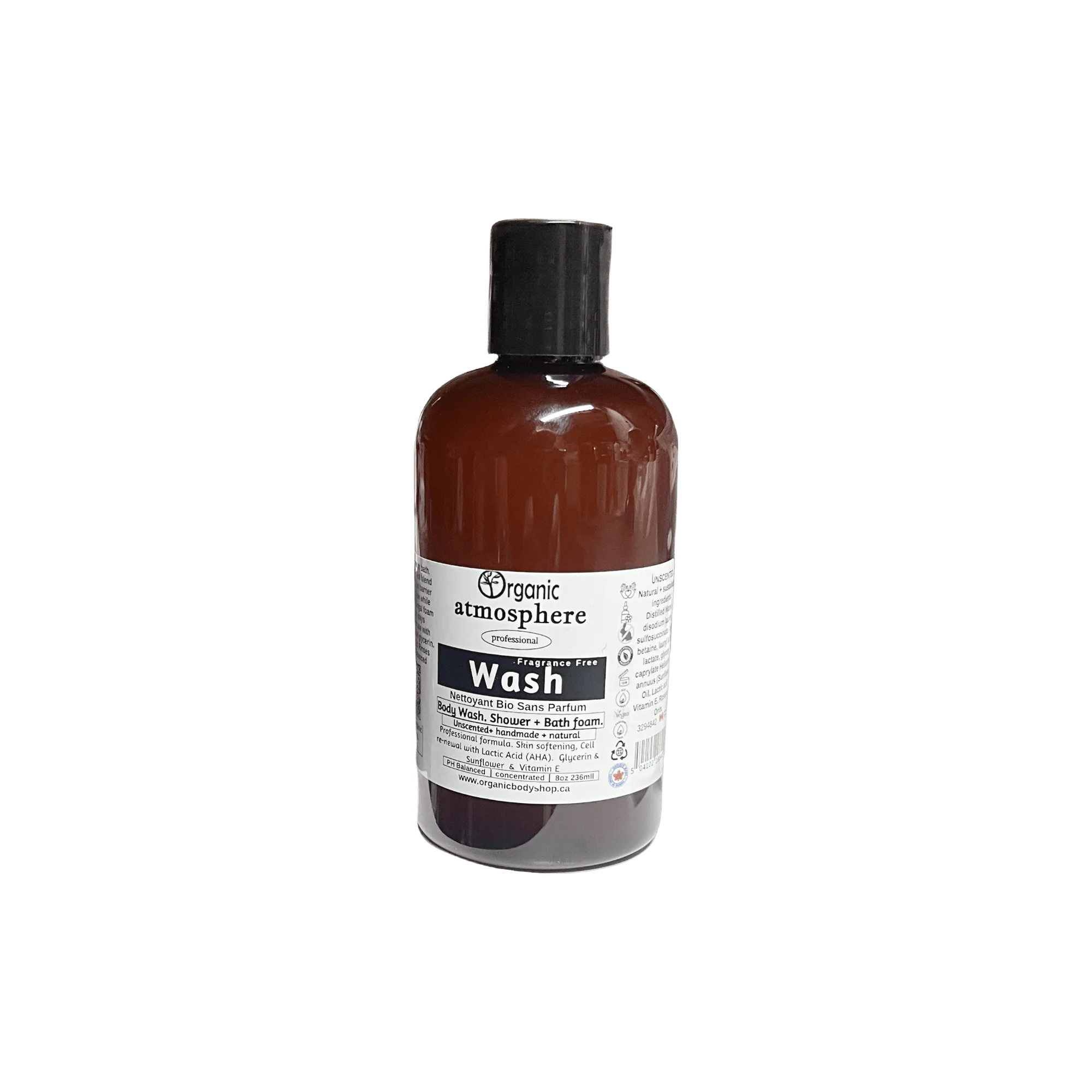
- Body Wash. sensitive skin. hydrating.Un-Scented Atmosphere 8oz: Body Wash. sensitive skin. hydrating. Un-Scented Atmosphere 8oz is a vegan, unscented body wash made with sunflower oil, AHA lactic acid, and vegetable glycerin in a concentrated formula. If your foundation routine leaves you double-checking every product for fragrance and animal ingredients, this gives you a matching unscented, vegan cleansing option so your whole routine stays consistent.
Who This Approach Fits
Best for
- Shoppers who want a vegan foundation cream with a buildable, silky finish for normal to dry skin
- Anyone who prefers a compact with a mirror and sponge applicator for easy touch-ups
- Buyers who want a short, practical checklist for shade matching and cruelty-free claims
Not for
- Shoppers who need a verified full-coverage matte formula for very oily skin
- Buyers who need a wide shade range confirmed in writing before purchase
- Anyone looking for a foundation with published clinical or wear-test results