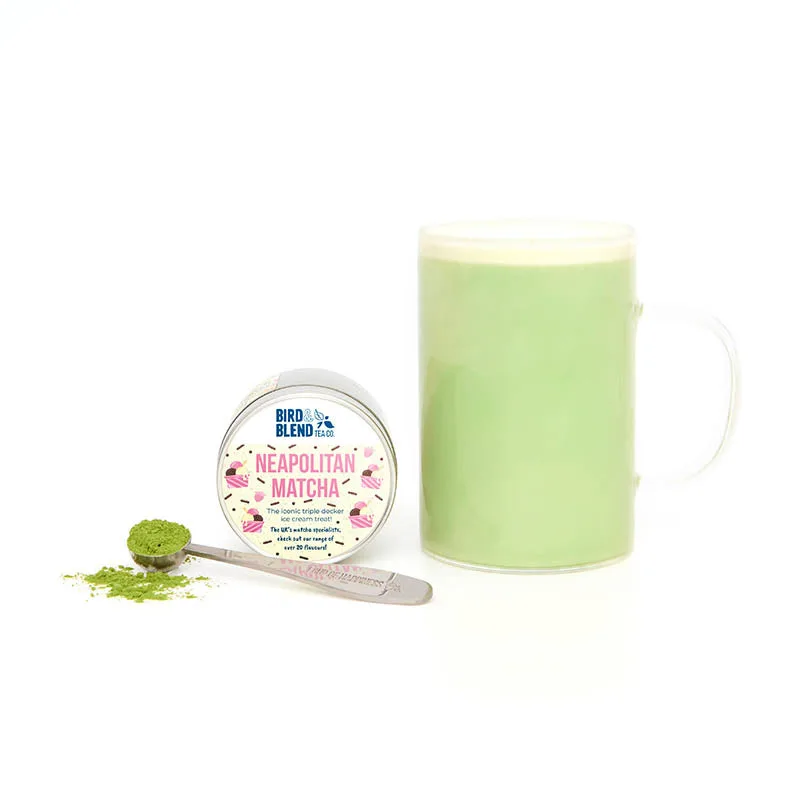
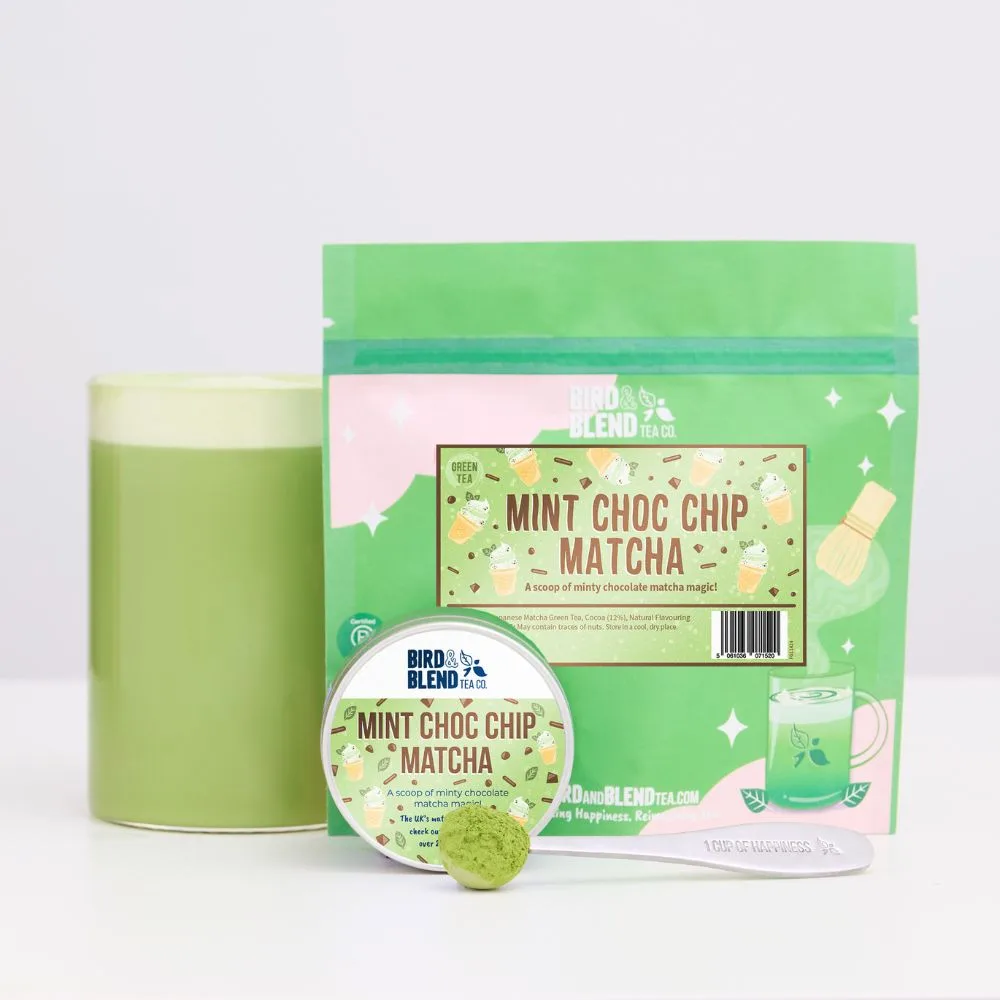
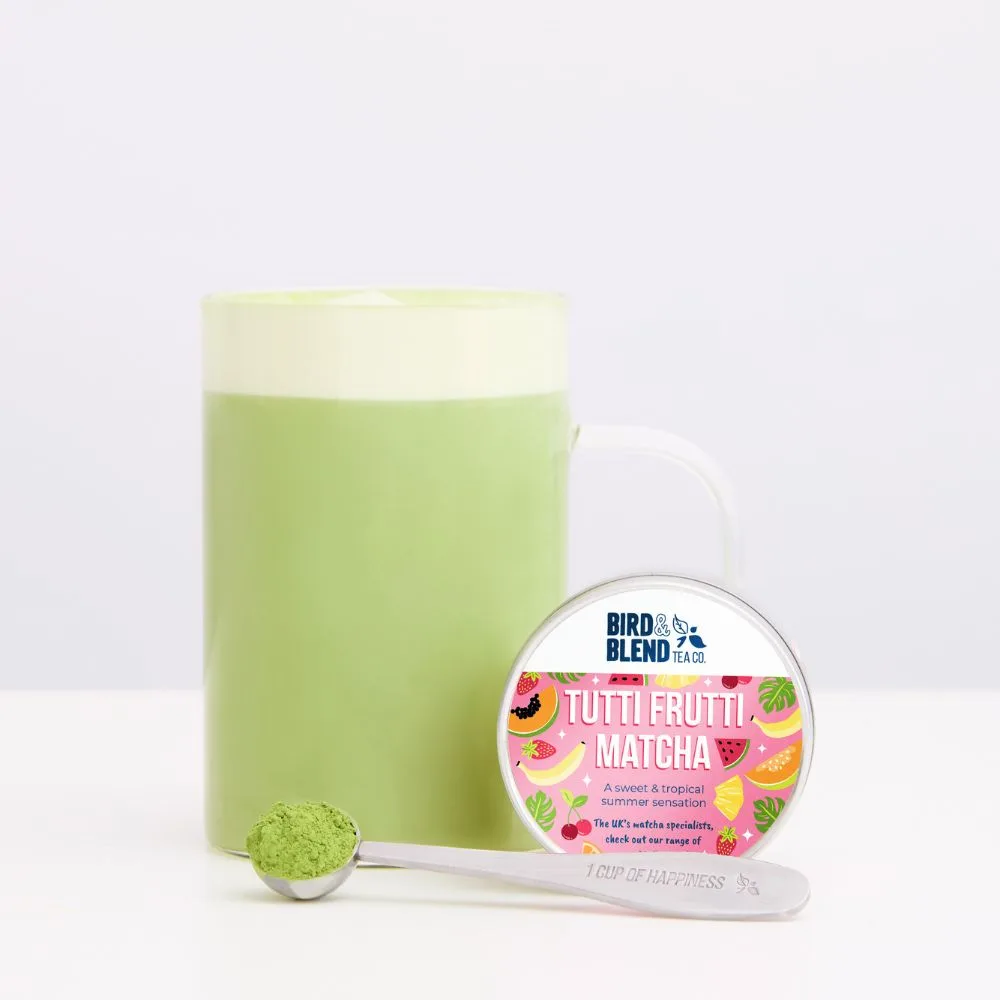
Matcha has taken the tea world by storm, and for good reason. This vibrant green powder isn't just a trendy latte ingredient—it's a centuries-old Japanese tradition packed with antioxidants, L-theanine, and a gentle energy boost. But with so many options on the shelf, how do you know you're getting high-quality matcha and not a dull, bitter impostor?
Whether you're a matcha newbie or a seasoned whisker, understanding what separates premium matcha from the rest can transform your tea experience. In this guide, we'll walk you through the essential markers of quality—from color and texture to origin and grind—so you can confidently choose a matcha that delivers both flavor and wellness.
1. The Vibrant Green Color Test
One of the first things to look for in high-quality matcha is its color. Premium ceremonial-grade matcha should have a brilliant, almost neon green hue—think fresh spring grass or emerald velvet. This intense green comes from the high chlorophyll content, which is preserved when the tea leaves are shaded before harvest and then carefully stone-ground.
If your matcha appears yellowish, brownish, or dull olive, it's a sign of lower quality. Such discoloration often means the leaves were harvested later in the season, exposed to too much sunlight, or oxidized during processing. A vibrant green is your visual cue that you're getting a fresh, nutrient-dense powder. For example, a well-sourced matcha like the one used in our Cold Brew Tea Starter Kit maintains that brilliant green even when brewed cold.
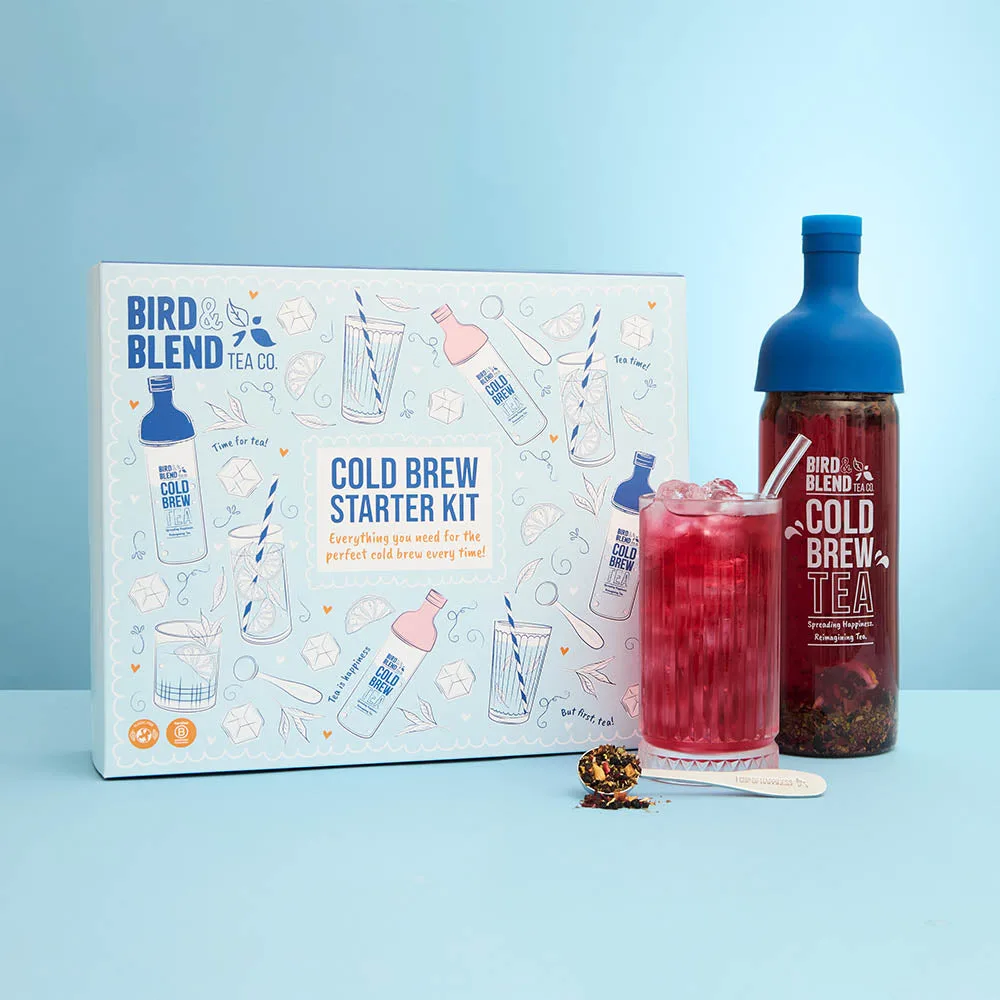
Cold Brew Tea Starter Kit
- Look for a bright, vivid green—not pale or muddy.
- Avoid matcha that has any brown or yellow tinge.
- The greener the powder, the higher the chlorophyll and amino acid content.
2. Texture: Fine as Baby Powder
High-quality matcha is stone-ground to an incredibly fine powder—so fine that it feels like talc or baby powder when you rub it between your fingers. This silky texture is crucial because it allows the matcha to dissolve smoothly in water without clumping. Lower-grade matcha is often ground with modern ball mills, resulting in a coarser, grittier texture that doesn't blend as well.
When you sift premium matcha, it should fall through the sieve like a soft cloud. If you feel any graininess or see visible particles, the matcha is likely of lower quality. The traditional stone-grinding method, which can take an hour to produce just 30 grams of matcha, preserves the delicate flavors and nutrients. This attention to detail is why our 150g Loose Leaf Tea Tin range includes only the finest powders for your daily ritual.
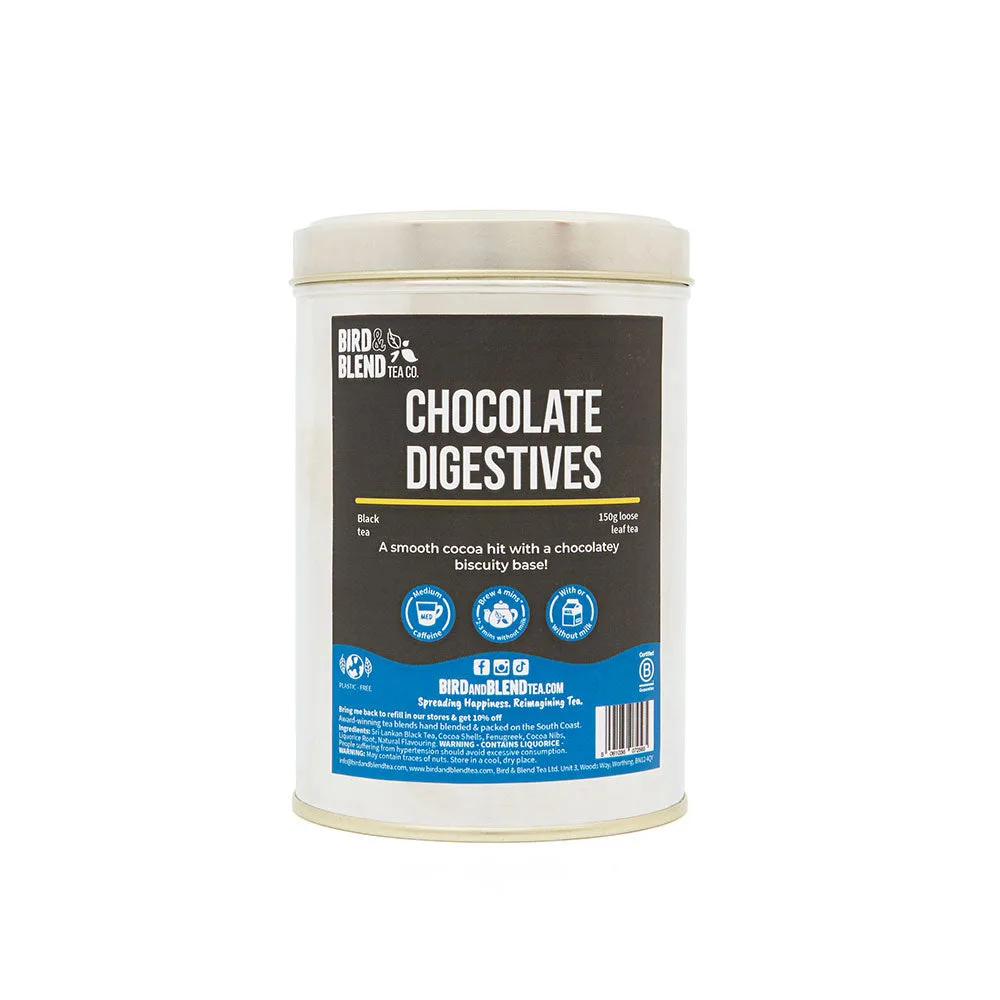
150g Loose Leaf Tea Tin
- Rub a pinch between your fingers—it should feel silky, not gritty.
- Sift the matcha before whisking to check for clumps.
- Stone-ground matcha is always superior to machine-ground.
3. Aroma and Flavor Profile
The scent of high-quality matcha is another powerful indicator. Open the tin and inhale—you should be greeted by a sweet, grassy, slightly marine aroma reminiscent of fresh seaweed or steamed greens. There should be no mustiness, bitterness, or burnt notes. When brewed, premium matcha tastes smooth, creamy, and umami-rich with a gentle sweetness and zero astringency.
Low-quality matcha often smells flat or overly vegetal, and it tastes harsh or bitter on the tongue. This bitterness comes from excessive tannins and poor processing. A truly premium matcha, like the one used in our Bubblegum Pop! Tea blend, delivers a complex flavor that evolves as you sip—starting with sweetness, moving to umami, and finishing with a clean, lingering green note.
- Sweet, grassy, and slightly marine aroma = high quality.
- Smooth, creamy, umami flavor with no bitterness.
- Avoid matcha that smells musty, burnt, or flat.
4. Origin and Harvest Season
The best matcha in the world comes from Japan, specifically from the Uji region in Kyoto, as well as areas like Nishio, Shizuoka, and Kagoshima. These regions have the ideal climate, soil, and centuries of expertise to produce top-tier matcha. Always check the label for the country of origin—if it doesn't say 'Japan,' be cautious.
Harvest season also matters. The first harvest (first flush) in spring yields the most tender, flavorful leaves with the highest amino acid content. This is what ceremonial-grade matcha is made from. Second and third harvests are more robust and often used for culinary matcha. If you're looking for a daily drinking matcha, opt for first-harvest or premium-grade. Our Mellow Yellow Tea, while not a matcha, exemplifies how careful sourcing from Japan elevates the entire tea experience.
- Look for matcha from Uji, Nishio, or Shizuoka in Japan.
- First harvest (spring) = highest quality for drinking.
- Avoid matcha that doesn't specify its origin or harvest.
5. Grade: Ceremonial vs. Culinary
Matcha is typically categorized into two main grades: ceremonial and culinary. Ceremonial-grade matcha is the highest quality, made from the youngest leaves, stone-ground to a fine powder, and intended for drinking straight—just whisked with water. It has a delicate, sweet flavor and a vibrant green color. Culinary-grade matcha, on the other hand, is made from older leaves and is designed for cooking, baking, and lattes where its stronger, slightly bitter taste can stand up to other ingredients.
For pure enjoyment and maximum health benefits, ceremonial-grade is the way to go. But if you're making matcha lattes or smoothies, a high-quality culinary grade can work well too. The key is to read the label carefully—some brands label their matcha as 'premium' or 'superior' without specifying the grade. When in doubt, look for terms like 'ceremonial,' 'first harvest,' or 'stone-ground.' Our Coconut Macaroon Tea, while not a matcha, demonstrates how we prioritize premium ingredients across all our blends.
- Ceremonial grade = best for drinking straight.
- Culinary grade = good for baking and lattes.
- Always check the label for grade and harvest details.
6. Packaging and Freshness
Matcha is highly sensitive to light, air, and heat. High-quality matcha should come in an airtight, opaque container—usually a tin or a resealable pouch with a one-way valve. Avoid matcha sold in clear jars or plastic bags, as exposure to light degrades the chlorophyll and causes the powder to lose its vibrant color and flavor within days.
Also check the 'best before' or 'packed on' date. Fresh matcha should be consumed within 6-12 months of its harvest date. Once opened, store it in a cool, dark place (the fridge is fine if sealed tightly) and use it within a month or two for optimal taste. Our 150g Loose Leaf Tea Tin is designed specifically to keep your matcha and other teas fresh and protected from light and moisture.
- Choose matcha in airtight, opaque tins or pouches.
- Avoid clear packaging—light destroys matcha quality.
- Use within 1-2 months of opening for best flavor.
Choosing high-quality matcha doesn't have to be overwhelming. By focusing on color, texture, aroma, origin, grade, and packaging, you can confidently select a matcha that will elevate your daily tea ritual. Whether you're whisking a traditional bowl or blending a modern latte, the right matcha makes all the difference. Explore our collection of premium matcha and matcha accessories—including the Cold Brew Tea Starter Kit—to find the perfect match for your taste and lifestyle.