Quick Answer
Choose flatware by how it feels in your hand first, then by how well the range covers the meals you actually serve. A set that is comfortable for your grip, made from a stainless steel you will maintain, and deep enough to add matching pieces later will outlast a cheaper set that only looks right in photos.
Start With the Hand, Not the Photo
Flatware is one of the few purchases you touch at every meal, so balance matters more than a catalog image. Pick up a fork and a spoon: the weight should feel steady without dragging your hand down, and the handle should sit in your palm without forcing your fingers into an awkward grip. If you can, hold a knife and fork together as if you were cutting, because the handle shape is what you notice most when you actually eat.
- Check the handle for pressure points where your fingers rest.
- Balance a fork on your index finger to see where the weight sits.
- Consider whether the finish shows fingerprints easily if you host often.
Match the Range to How You Eat
A set is only useful if it includes the pieces your table actually uses. A household that eats salads and desserts needs different pieces from one that serves roasts and cakes. Look at the range as a whole before buying, because a design that offers only the basics will leave you improvising later. A set with a cake fork or a cake server is more flexible for entertaining than one limited to dinner forks and spoons.
- List the five pieces you reach for most before you shop.
- Check whether the range includes serving pieces, not just place settings.
- Buy the pieces you will use weekly, then add occasion pieces later.
Read the Material and Finish Honestly
Stainless steel is the practical default for daily flatware because it resists staining and holds up to repeated washing. Within stainless steel, weight and finish are the two things you can judge without a lab. A heavier gauge feels more substantial and tends to resist bending, while a mirror finish looks formal and a satin finish hides wear better. Neither finish is better in every case; choose based on how much polishing you are willing to do.
- Heavier pieces generally feel sturdier in daily use.
- Mirror finishes show smudges; satin finishes hide fine scratches.
- Confirm the pieces are dishwasher-safe before you commit.
Plan for Replacement and Expansion
Flatware disappears. Forks get binned with takeaway, spoons migrate to offices, and guests accidentally pocket the odd piece. Before you buy, check whether individual pieces are sold separately, because a set you cannot top up becomes a mismatched drawer within a few years. This is the quiet advantage of buying into a named range rather than a one-off boxed set.
- Check that single pieces are available, not just full sets.
- Note the exact range name so you can reorder the same design.
- Buy one or two spare place settings if storage allows.
Decision Rules for Choosing a Flatware Set
- If you host often: Prioritize a range with serving pieces and dessert pieces, not just place settings, so you are not improvising with a dinner fork at dessert. Buy the serving pieces in the same order as the place settings.
- If you eat casually most nights: Choose a satin or brushed finish and a mid-weight handle, because both hide daily wear better than a high-polish, heavy design. Match the finish to your tolerance for polishing, not to the photo.
- If you are replacing a mismatched drawer: Commit to one named range and check that single pieces are sold separately before you buy the first set. A range you can top up is worth more than a cheaper one-off set.
- If you are buying a gift: Choose a boxed set or a boxed serving piece, because it arrives presentable and does not require the recipient to already own the rest of the range. Boxed pieces remove the guesswork for the recipient.
Catalog Facts Worth Knowing
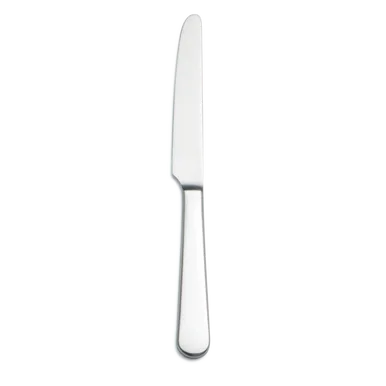
- David Mellor Chelsea Table Knife: The Chelsea range nods respectfully to classic English 18th-century cutlery, with a hollow handled knife alongside forks and spoons displaying fluidity. The hollow handle is a traditional detail that affects how the knife balances in your hand, which matters if you prefer a lighter knife for everyday meals.
- David Mellor Chelsea Cake Fork: Chelsea cutlery is finely detailed with subtle variations of thickness. Those variations are what you feel at the handle and neck, so hold a piece before buying if you are sensitive to weight distribution.
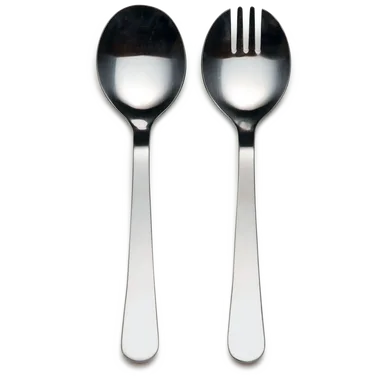
- David Mellor Chelsea Salad Servers, Boxed Set: David Mellor is a family-owned business that creates stainless steel cutlery, handmade to the highest standards in their UK-based factory. A named, ongoing range is easier to expand and replace over time than an anonymous boxed set.
Who This Approach Fits
Best for
- Households that want one flatware range they can expand and replace piece by piece
- Buyers who care about how cutlery feels in the hand and are willing to hold a piece before committing
- Anyone building a table setting that needs to work for both weeknight meals and occasional hosting
Not for
- Buyers who want the lowest possible price per piece and do not plan to replace or expand the set
- Anyone looking for a single-use novelty or disposable option rather than a long-term range