Quick answer
Pack a mini tote in three layers: flat items against the back wall, bulky items in the center, and loose small items in a wristlet or pouch you can lift out in one motion. For most people that means a wallet or card holder, phone, keys, one pouch for cables and lip balm, a slim water bottle, and a foldable layer. If it does not fit after that, the item belongs in a second bag, not squeezed into the tote.
Start with the bag's real dimensions, not a wish list
A mini tote is a smaller version of a full-size tote, so its capacity is best judged by what it can hold standing upright rather than by how much you can compress into it. Before packing, put the empty tote on a table and note whether it holds its shape when open. Bags that collapse inward lose usable width, which changes how you layer items.
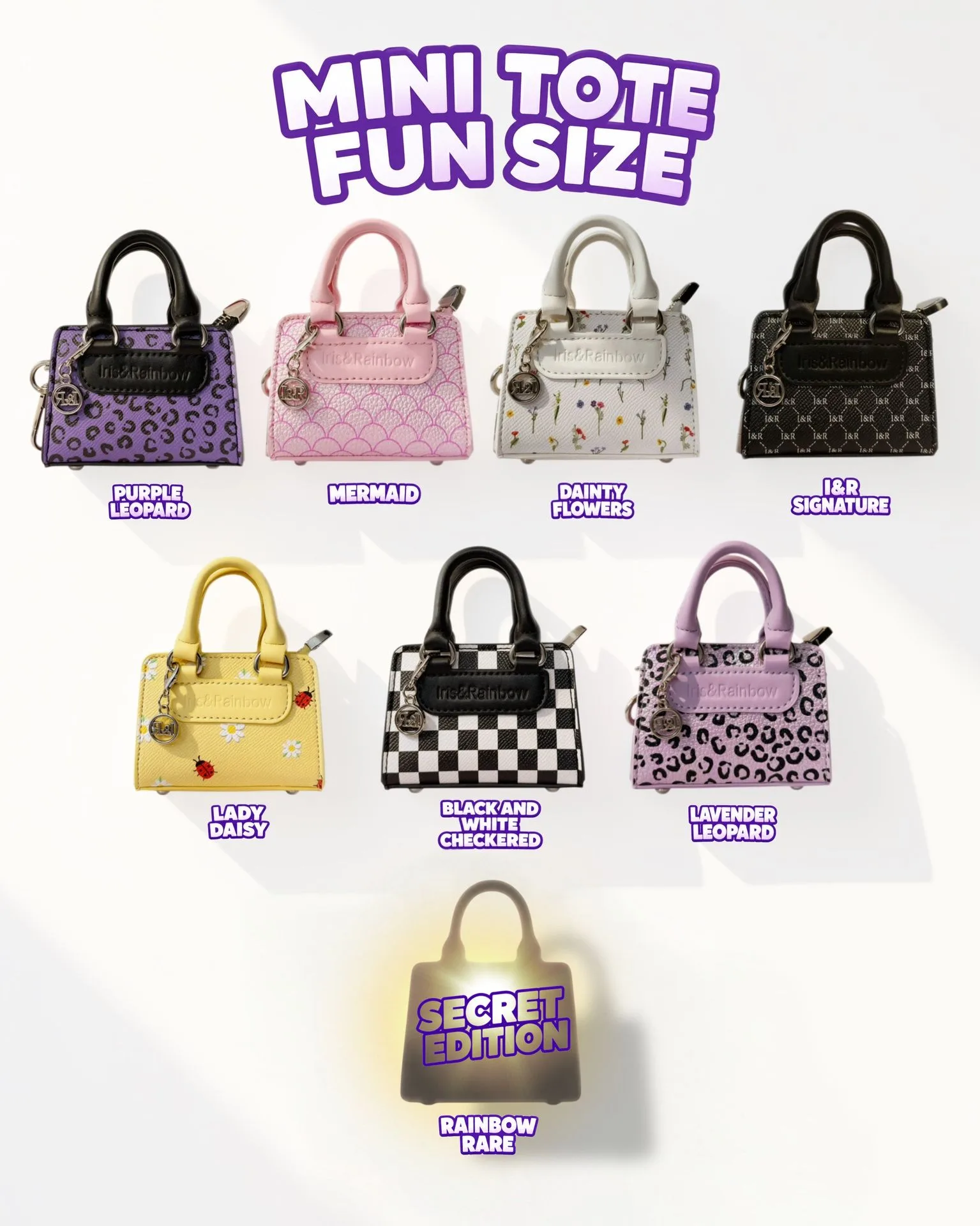
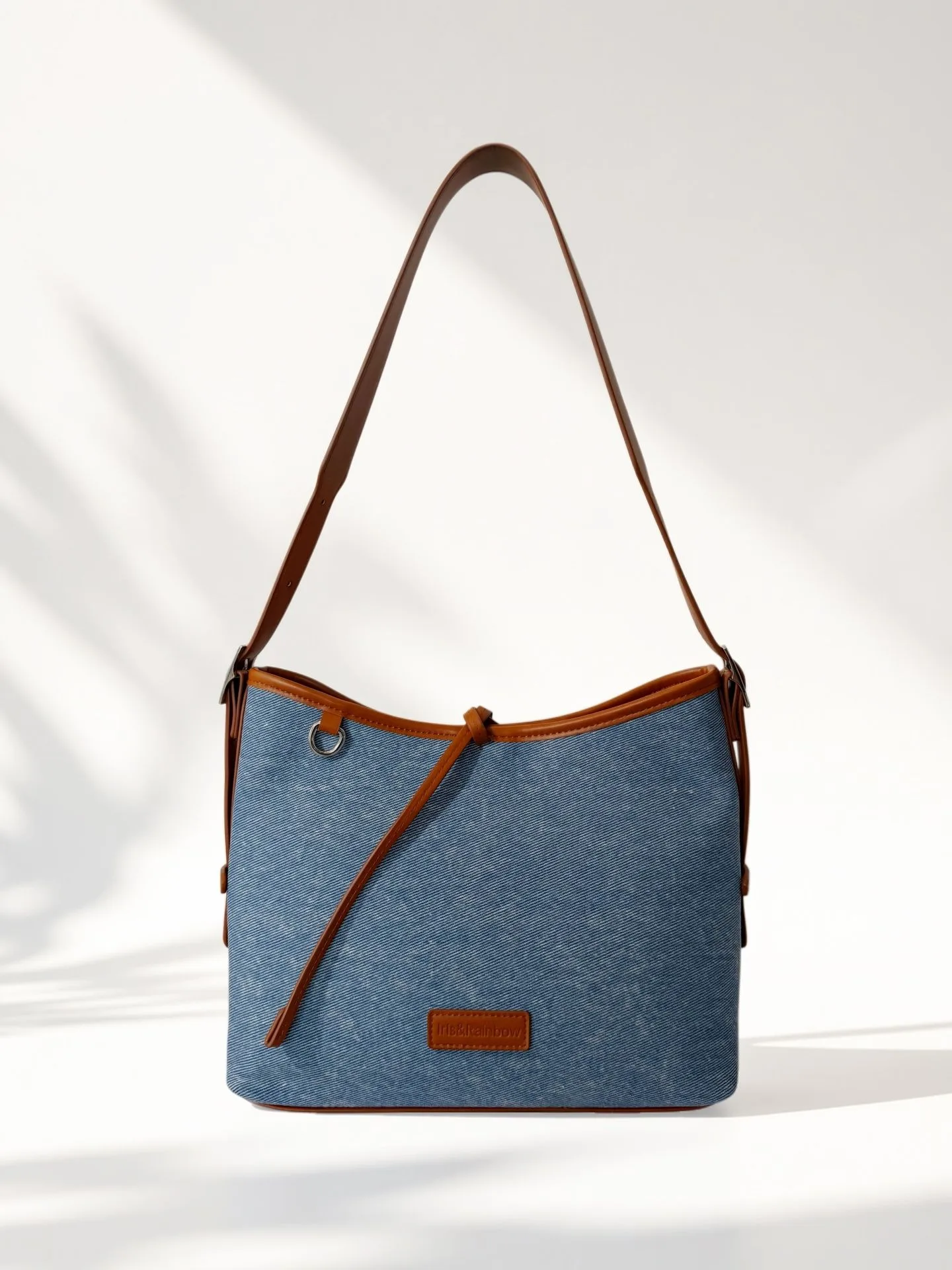
The Iris Mini Sensational Tote is described as the compact version of a bestselling tote, made for daily errands, work essentials, travel days, and casual outings. That framing is useful: it tells you the bag is designed for a lighter everyday load, not for a laptop, gym clothes, and a lunch box at the same time.
Sort your items into three layers before anything goes in
Lay everything on the table and divide it into flat, bulky, and loose. Flat items are wallets, card holders, notebooks, and folded layers. Bulky items are water bottles, pouches, and anything with depth. Loose items are keys, earbuds, lip balm, and cables.
The mistake here is starting with the biggest item and building around it. That pushes flat items to the outside where they slide, and it hides the small things at the bottom. Sorting first takes two minutes and prevents the daily dig.
Put flat items against the back wall
Slide your wallet or card holder, a slim notebook, and any folded layer flat against the back panel. This keeps the base stable and leaves the middle open. A wallet with external card pockets is easier to use here because you can reach a card without pulling the whole wallet out.
Checkpoint: if your flat layer is more than about two fingers thick, you are probably carrying duplicate cards or receipts you can leave at home.
Group loose items in one removable pouch
Keys, earbuds, lip balm, a charging cable, and a pen should live together in one small pouch or wristlet that you can lift out in a single motion. This is the step most people skip, and it is the reason mini totes feel chaotic by midday.
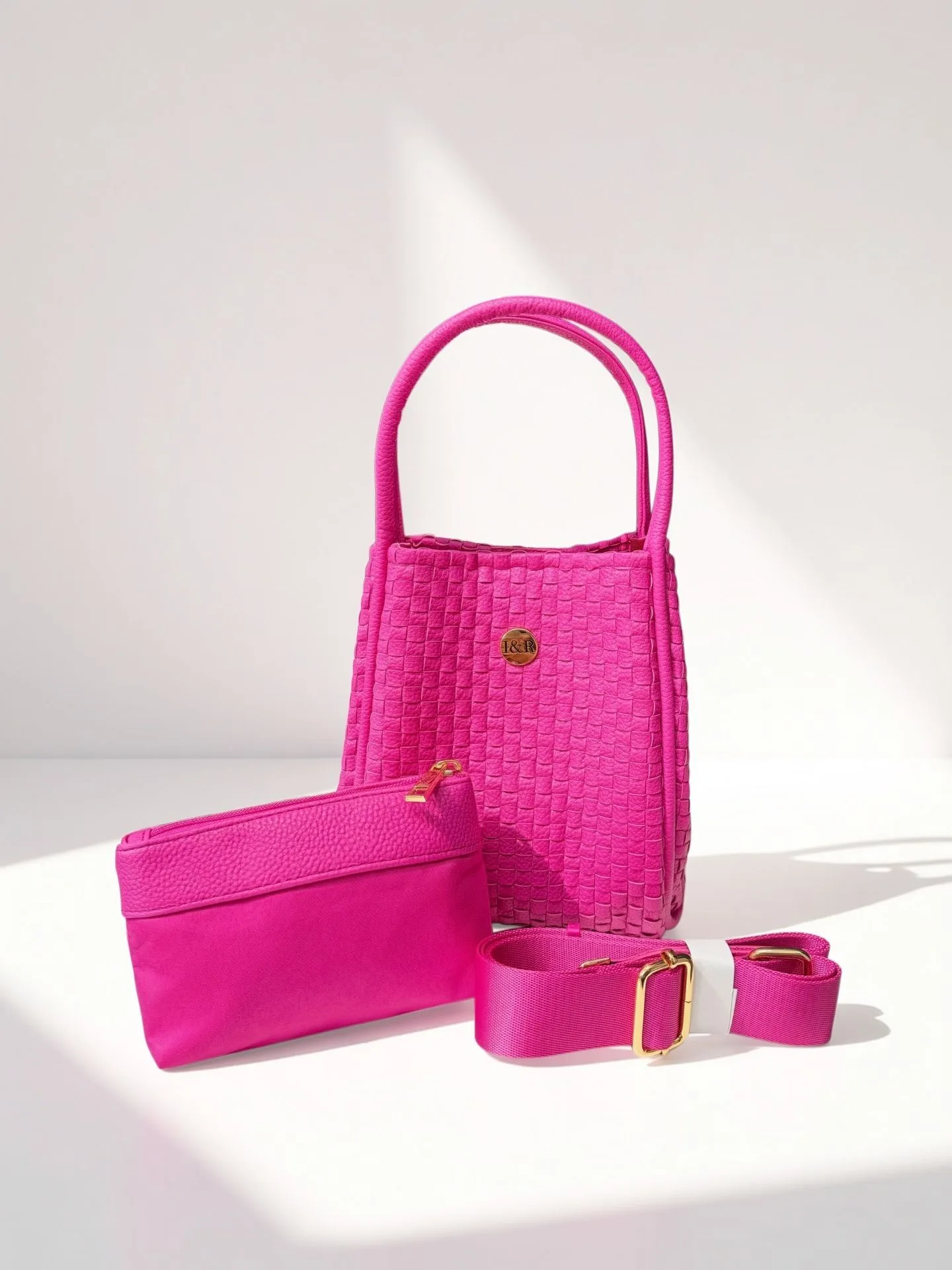
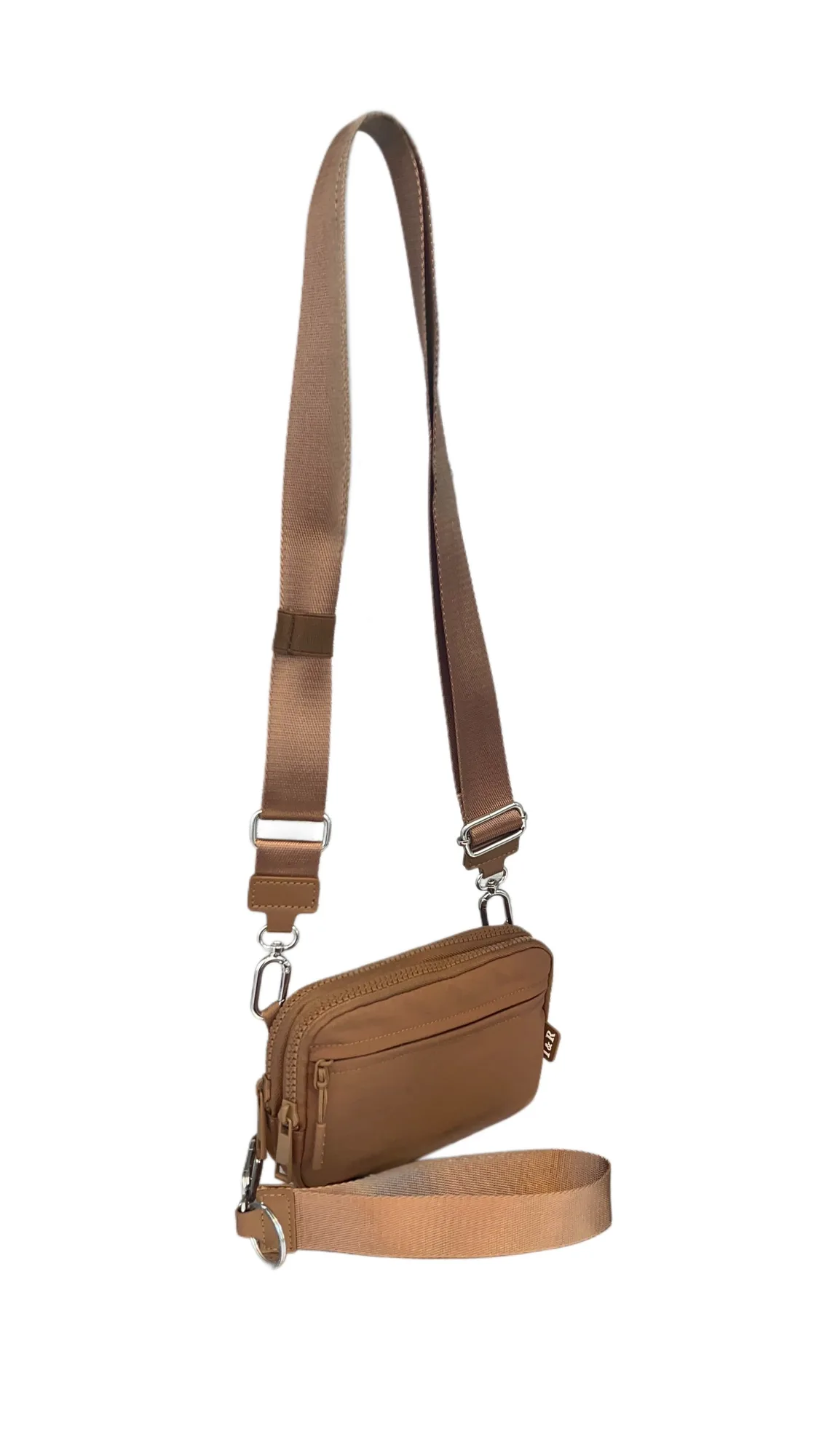
A wristlet with two detachable pouches does this job well because you can split categories, for example cards and keys in one pouch and cables and personal items in the other. The Iris Pouch Wristlet is machine washable and has a removable wristlet strap, so it can sit inside the tote on workdays and be carried alone on a quick errand.
Place bulky items last, in the center
A slim water bottle, a compact umbrella, or a small pouch goes in the center, standing upright if the tote allows it. Center placement keeps weight balanced and stops the bag from tipping when you set it down.
Common mistake: laying a water bottle horizontally across the top. It rolls, crushes the layer beneath, and usually leaks onto whatever is under it. If the bottle only fits sideways, the tote is too small for that bottle.
Test the load by carrying it for one minute
Put the strap or handles over your shoulder or in your hand and walk around the room. If the tote swings, digs in, or needs constant adjusting, remove the heaviest non-essential item rather than adding a strap pad. Mini totes work best when the load is light enough to forget you are carrying them.
Checkpoint: if you cannot close or cover the top, you have exceeded the bag's practical capacity. Move the overflow to a second bag instead of stacking items above the rim.
Mini tote packing steps
- Empty and open the tote: Set the empty bag on a table and check whether it stands open on its own. If the sides collapse, plan to pack flatter items so the bag keeps its shape. Checkpoint: if the tote cannot stand open, reduce the number of bulky items before you start.
- Lay out flat, bulky, and loose items: Divide everything into three groups on the table. This prevents the common mistake of burying small items under the heaviest object. Checkpoint: anything you have not used in the last week is a candidate to leave behind.
- Add the flat layer against the back wall: Place your wallet or card holder, a slim notebook, and any folded layer flat against the back panel so the base stays stable. Checkpoint: keep this layer thin enough that the middle of the tote stays open.
- Consolidate loose items into one pouch: Move keys, earbuds, lip balm, and cables into a single pouch or wristlet you can lift out in one motion. Checkpoint: if you need two hands to find your keys, the loose items are not consolidated yet.
- Stand bulky items in the center: Place a slim bottle or compact umbrella upright in the middle. Avoid laying bottles horizontally, which causes rolling and leaks. Checkpoint: if a bottle only fits sideways, leave it out or carry it separately.
- Carry the packed tote for one minute: Walk with the bag on your shoulder or in your hand. Remove the heaviest non-essential item if it swings or digs in. Checkpoint: if the top will not close, move the overflow to a second bag.
Products that make mini tote packing easier
- Iris Mini Sensational Tote (#5005) By Iris & Rainbow: The Iris Mini Sensational Tote is the compact version of the bestselling Sensational Tote, described for daily errands, work essentials, travel days, and casual outings. It is sized for a lighter everyday load, so it suits the three-layer packing method rather than a laptop-and-gym haul.
- The Iris Pouch Wristlet (#8049-2) Trendy Minimalist Purse - By Iris & Rainbow: The Iris Pouch Wristlet has two detachable pouches, a removable wristlet strap, and is machine washable. The two pouches let you separate keys and cards from cables and personal items, and the removable strap means the same organizer works inside the tote or on its own.
- The Trendy RFID Iris Wallet Card Holder (#8066) By Iris & Rainbow: The Trendy RFID Iris Wallet Card Holder has three external RFID pockets, one main zipper RFID pocket, a water-repellent finish, and a unisex design. Its flat shape sits against the back wall of a mini tote without stealing center space, and the RFID pockets add a security layer for cards you carry daily.