Quick Answer
For a day hike, pack light but smart: choose a backpack that fits your body and gear, and organize your camera, lenses, and essentials for quick access and protection.
Balance Weight and Accessibility
A day hike means carrying your camera gear on your back for hours. The biggest trade-off is between protection and weight. A heavily padded bag protects your gear but adds bulk. A lighter, frameless pack is easier on your shoulders but may offer less structure.
Look for a bag with a comfortable harness and back panel. Ventilated back panels help on warm days, while a waist belt transfers weight to your hips. Also consider how quickly you can reach your camera—some bags offer side access or a dedicated camera compartment.
What to Pack: The Essentials
Start with your camera body and one or two lenses. A zoom lens covers most hiking situations. Add a spare battery, memory cards, a lens cloth, and a small tripod or monopod if you shoot landscapes. For longer hikes, pack water, snacks, a map, and a light rain cover for the bag.
Keep your gear organized with dividers or cubes so you don't have to dig around. A modular system lets you adjust the interior to fit your specific gear.
Decision Rules for Choosing and Packing
- Match bag size to gear: List your camera body, lenses, and accessories. If they fit in a 18–20L pack with room for water and snacks, go compact. If you need multiple lenses and a drone, move up to a 25L+ bag. Measure your gear before you buy.
- Prioritize access: Choose a bag with side access or a separate camera compartment so you can grab your camera without taking the pack off. This is key for fleeting shots. Test the access while wearing the bag.
- Consider weight distribution: For hikes over a few hours, a bag with a hip belt and adjustable sternum strap reduces shoulder strain. Frameless packs are lighter but transfer less weight to your hips. If you have back issues, favor a framed pack with a hip belt.
- Plan for weather: Carry a rain cover or choose a bag with weather-resistant fabric. Even on clear days, mountain weather can change quickly. Check the forecast and pack accordingly.
Backpacks That Fit the Bill
-
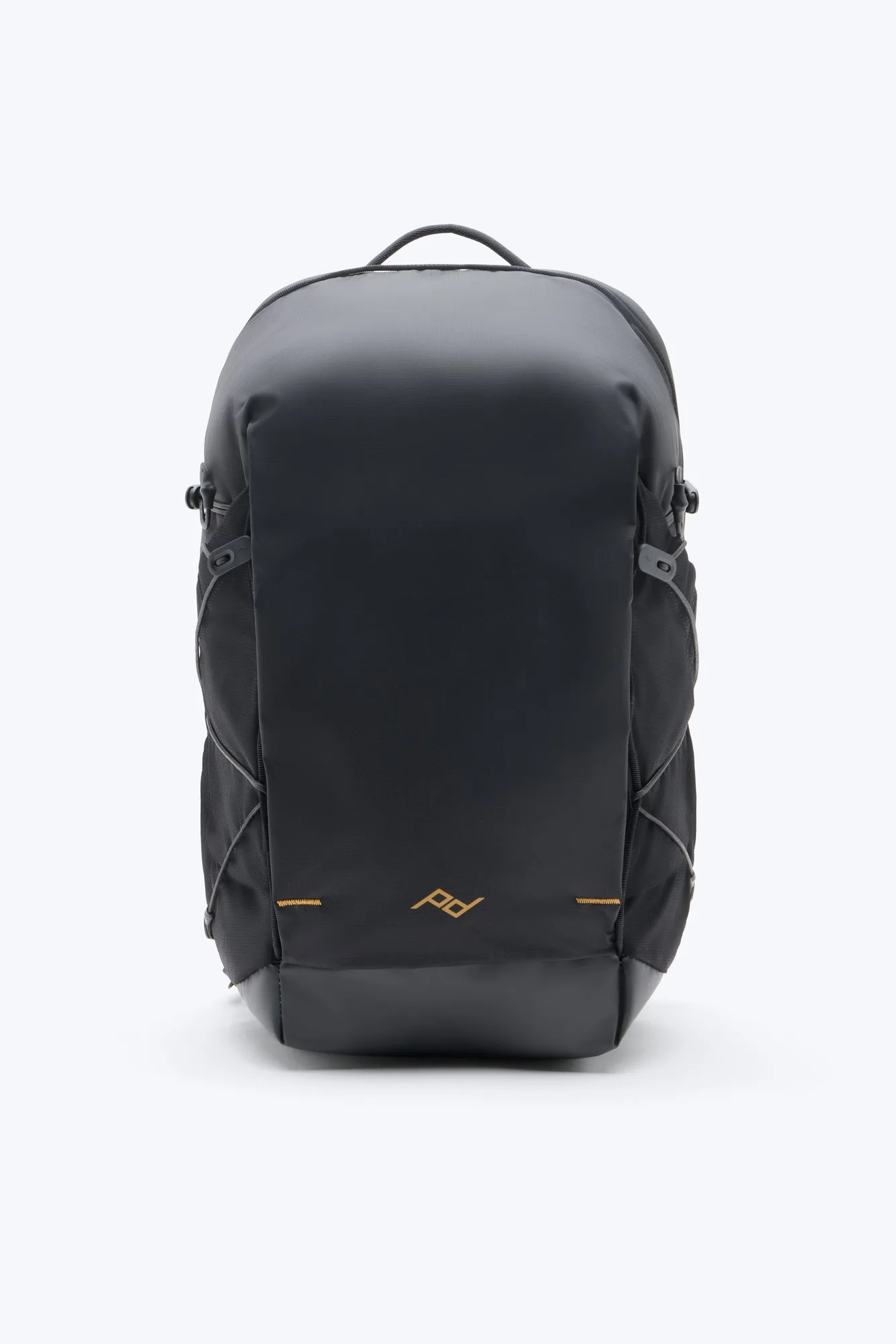
Peak Design Outdoor Backpack (Black) 18L: The Peak Design Outdoor Backpack 18L is a compact, frameless daypack designed for day hikes, hydration, and commuting. It's a lightweight option when you want to move fast and don't need heavy-duty padding.
Peak Design Outdoor Backpack (Black) 18L
-
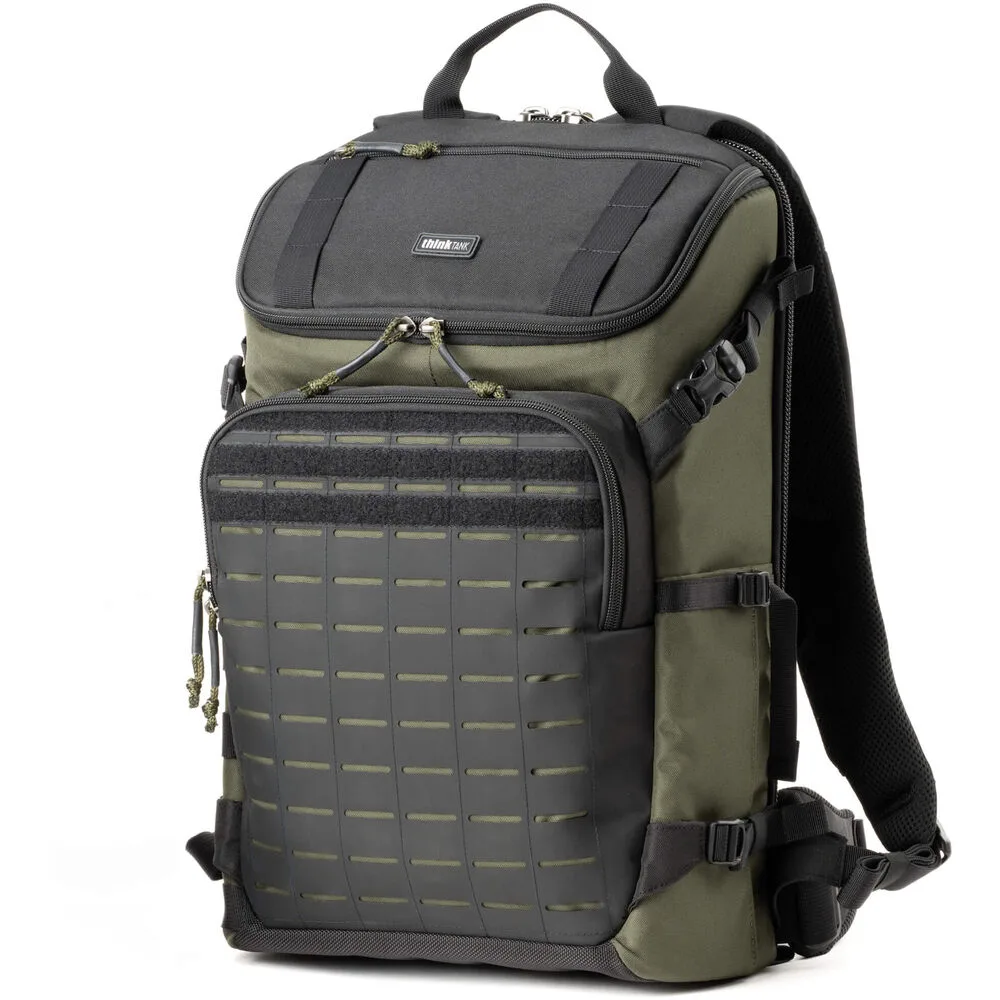
Think Tank Photo DarkLight Backpack (Montane Green, 20L): The Think Tank Photo DarkLight Backpack (20L) features a laser-cut MOLLE panel and tactical webbing rails for modular attachment. You can attach pouches to expand capacity and customize your loadout for different hikes.
Think Tank Photo DarkLight Backpack (Montane Green, 20L)
-
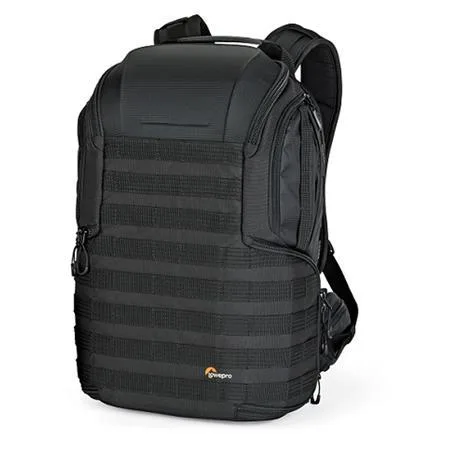
Lowepro ProTactic BP 450 AW II Camera and Laptop Backpack: The Lowepro ProTactic BP 450 AW II offers 'always-ready' access and a modular exterior with SlipLock compatibility. It's built for quick camera access and can carry more gear, but it's heavier—so it suits longer, gear-heavy hikes.
Which Hiker Should Choose What?
Best for
- Day hikers who want a lightweight, minimalist pack—consider the Peak Design Outdoor Backpack 18L.
- Photographers who need modular expandability—the Think Tank DarkLight Backpack's MOLLE system is ideal.
- Serious shooters carrying multiple lenses and a laptop—the Lowepro ProTactic BP 450 AW II offers maximum capacity and protection.
Not for
- Ultralight hikers who prioritize minimal weight—the Lowepro ProTactic is heavier than frameless options.
- Casual walkers with a single mirrorless camera—a small sling or cube may be more practical than a full backpack.