Quick answer
Pack three shoe types (running, training, recovery), two outfits per training day, one recovery layer, and a small repair kit. Choose a duffel with a separate shoe compartment and one wet pocket so dirty gear never touches clean clothes. If you train five days, that is roughly one medium duffel plus a small shoe bag — not a suitcase.
A training week fails at the packing stage more often than at the gym. You forget the second pair of socks, the recovery sandals stay home, and by Thursday the bag smells like a locker room. The fix is not a bigger bag; it is a repeatable list built around what you actually wear.
This guide walks through a seven-day packing plan using real Reebok products, then gives decision rules for choosing luggage size, shoe compartments, and what to leave out. It is written for people who train three to six days a week and want one bag that works for the gym, the commute, and a weekend trip.
Start with shoes, because they decide the bag
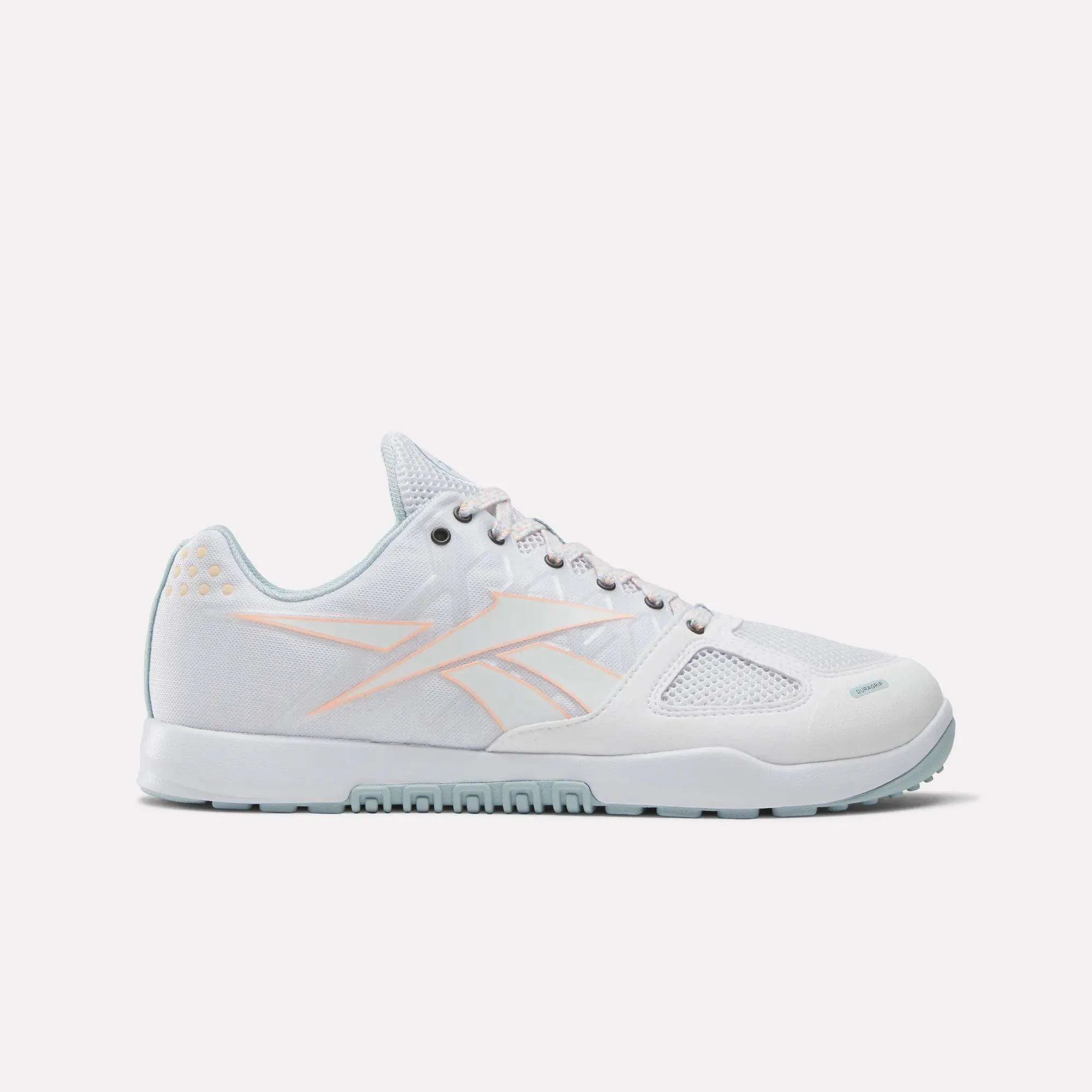
Shoes are the heaviest and dirtiest items in any gym bag, so pack them first. A typical training week needs one pair for running or cardio, one pair for lifting or court work, and one pair of mules or sandals for the shower and the walk home. That is three pairs, which is why a shoe compartment is not a luxury — it is the feature that keeps the rest of the bag clean.
If you only have room for two pairs, drop the running shoes and use your training shoes for cardio. If you lift and run on the same day, keep both and accept a slightly larger duffel. The trade-off is weight versus freshness: more shoes mean more options, but also more to carry.
- Pack shoes heel-to-toe in the bottom compartment, not on top of clothes.
- Put dirty shoes in a plastic bag or the wet pocket if the bag has one.
- Never pack wet shoes against clean clothes, even for a short commute.
Build two outfits per training day
Two outfits per session sounds excessive until you count sweat. One outfit goes on your body, and one spare top and bottom stay in the bag for a second session or a change after work. For a five-day week, that is five worn outfits plus five spares — but you can cut it to three spares if you do laundry mid-week.
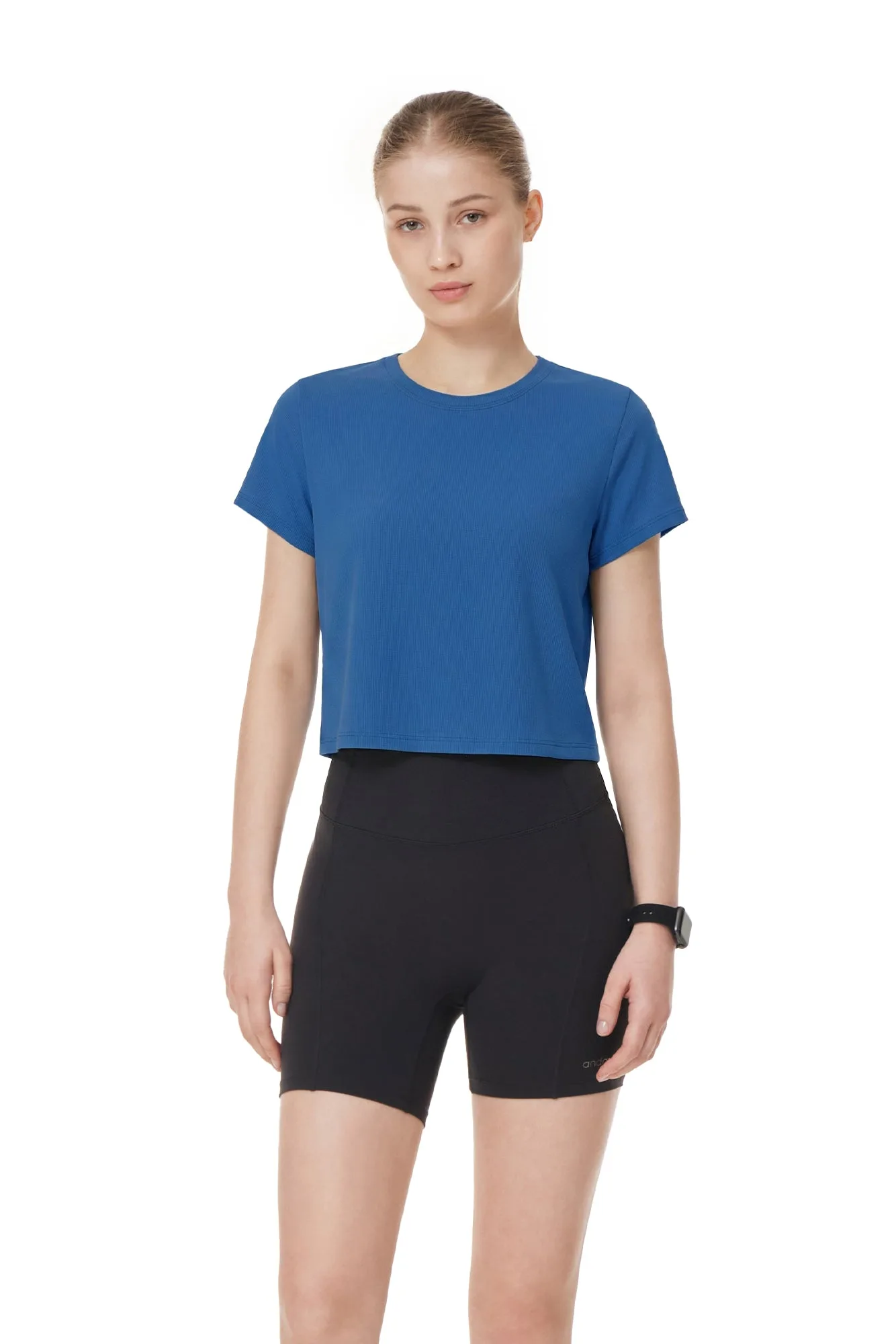
Choose pieces that work in layers: a T-shirt or tank top, shorts or leggings, and a sweatshirt or track jacket for the walk in and out. Socks and underwear are the items people forget most, so pack one extra pair per day and keep them in a small pouch at the top of the bag.
- Roll tops and bottoms instead of folding to save space and reduce wrinkles.
- Keep a dedicated pouch for socks and underwear so you never dig for them.
- Pack one extra complete outfit for unexpected weather or a missed session.
Add recovery and post-training layers
The hour after training is when most people under-pack. A pair of recovery mules or sandals lets your feet breathe, and a soft pant or sweatpant replaces damp leggings before you get in the car or on the train. This layer also doubles as travel clothing if your gym is part of a longer trip.
Keep the recovery layer separate from training clothes. A dedicated stuff sack or the bag's front pocket works well, and it means you can grab the mules and pants without unpacking the whole duffel.
- Pack recovery footwear only if you shower or commute after training.
- Choose a sweatpant with a ribbed waistband so it stays put without a belt.
- Store the recovery layer in a separate pocket to keep it dry.
Organization rules that survive a real week
A bag stays organized when every item has one home. Use the shoe compartment for shoes, the wet pocket for towels and damp clothes, the main compartment for outfits, and a small top pocket for keys, phone, and a smart ring or watch charger. If your bag has no wet pocket, bring a reusable waterproof sack.
Restock the bag the night before, not the morning of. A five-minute reset — replace socks, refill the water bottle, hang damp towels — prevents the mid-week scramble. The goal is a bag you can grab without thinking, not a perfect packing system.
- Keep a small repair kit: spare laces, a blister patch, and a travel deodorant.
- Use a carabiner to clip keys to the outside so they never scratch your phone.
- Empty and air the bag every Sunday to stop odor before it starts.
Decision rules for choosing and packing your gym luggage
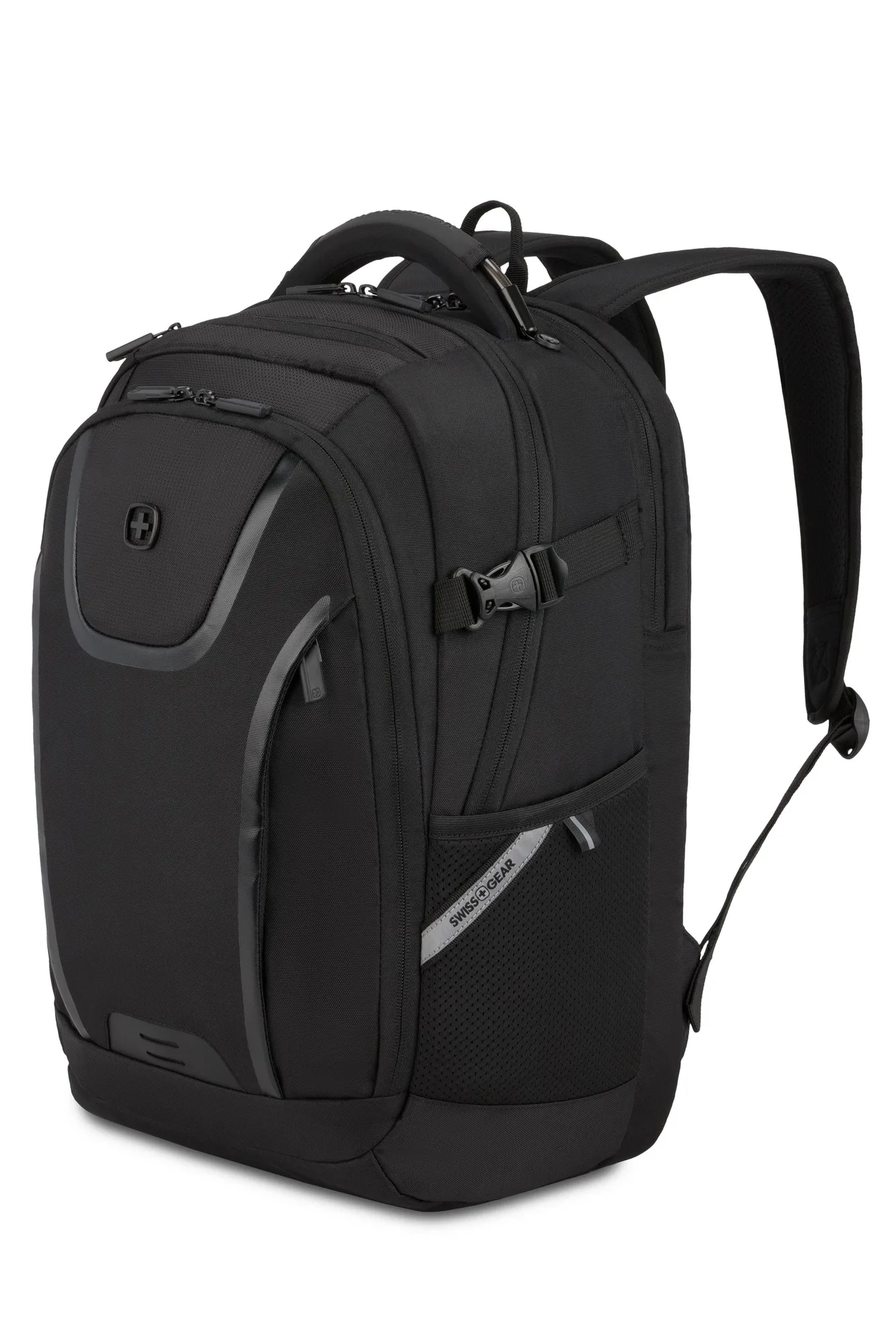
- Rule 1: Match bag size to shoe count: One pair of shoes needs a small duffel; two pairs need a medium; three or more needs a medium with a dedicated shoe compartment. If you carry three pairs plus a laptop, choose a bag with a separate padded sleeve rather than stuffing the laptop between shoes. Weigh your bag packed before you commit. Anything over 15 pounds gets left in the car more often.
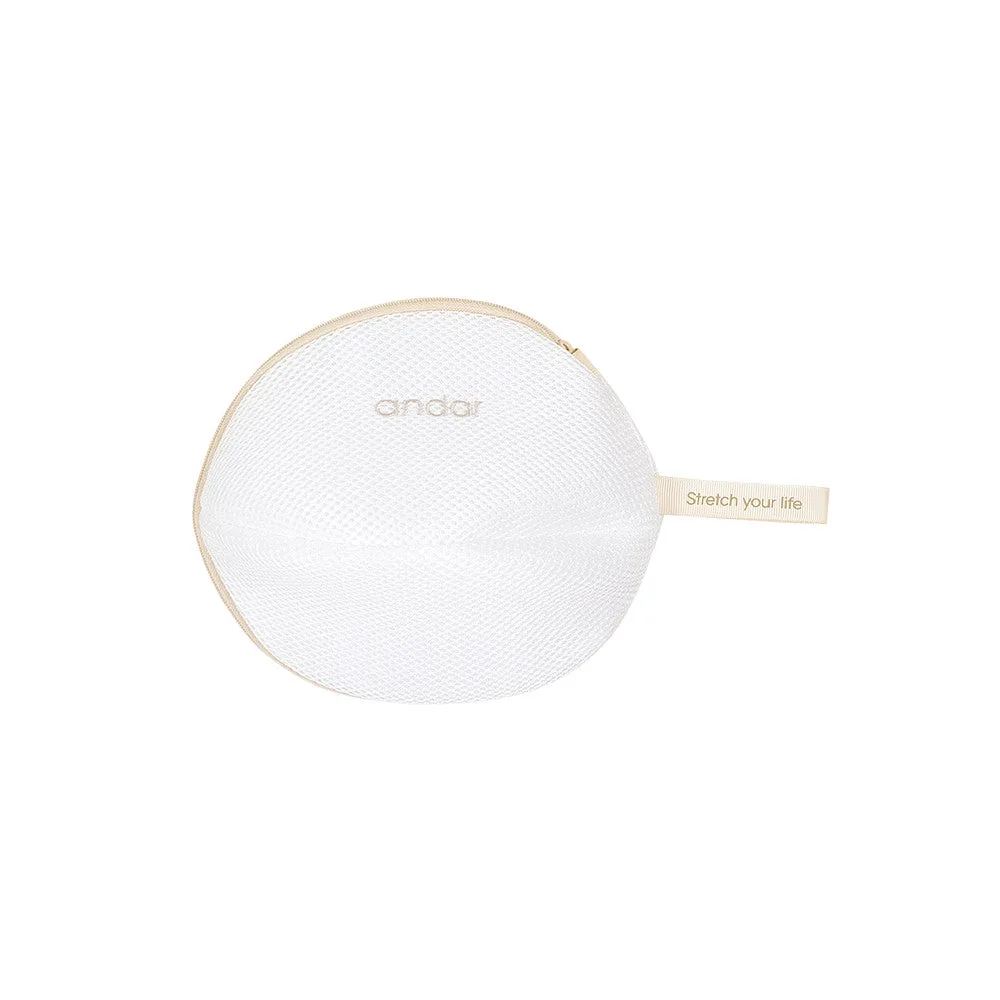
- Rule 2: Separate wet from dry: A wet pocket or waterproof sack is non-negotiable if you shower at the gym or train outdoors. Without it, damp towels and sweaty clothes soak everything else, and the bag never fully dries. If your current bag has no wet pocket, add a reusable waterproof sack before buying a new bag.
- Rule 3: Pack for the week, not the workout: Count sessions first, then pack two outfits per session minus one if you do laundry mid-week. Add one recovery layer and one weather layer. Anything beyond that is usually a duplicate. Lay everything out on the floor before it goes in the bag. If you cannot name the session it is for, leave it out.
- Rule 4: Keep a permanent base layer in the bag: Socks, underwear, a small towel, deodorant, and a water bottle stay in the bag at all times. You only repack the clothes and shoes. This cuts packing time to under five minutes. Restock the base layer every Sunday so Monday is never a scramble.
Products that fit this packing plan
- Men's FloatZig 2 SoleMates Running Shoes: Performance running shoes with unique laces and patches, a lightweight foam midsole that responds to every stride, and different colored laces you can personalize. These cover the cardio slot in your week and the spare laces mean you can swap colors without buying a second pair.
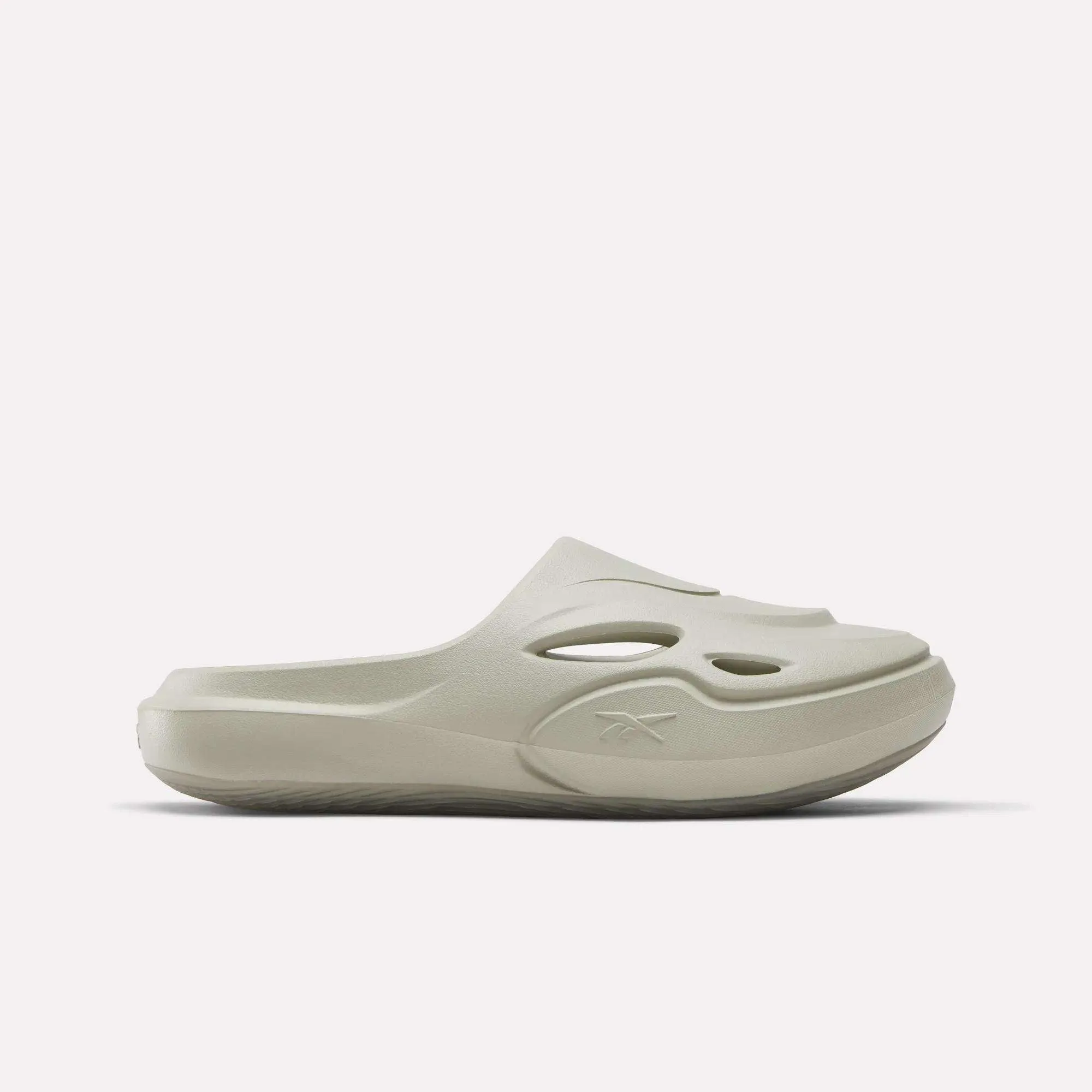
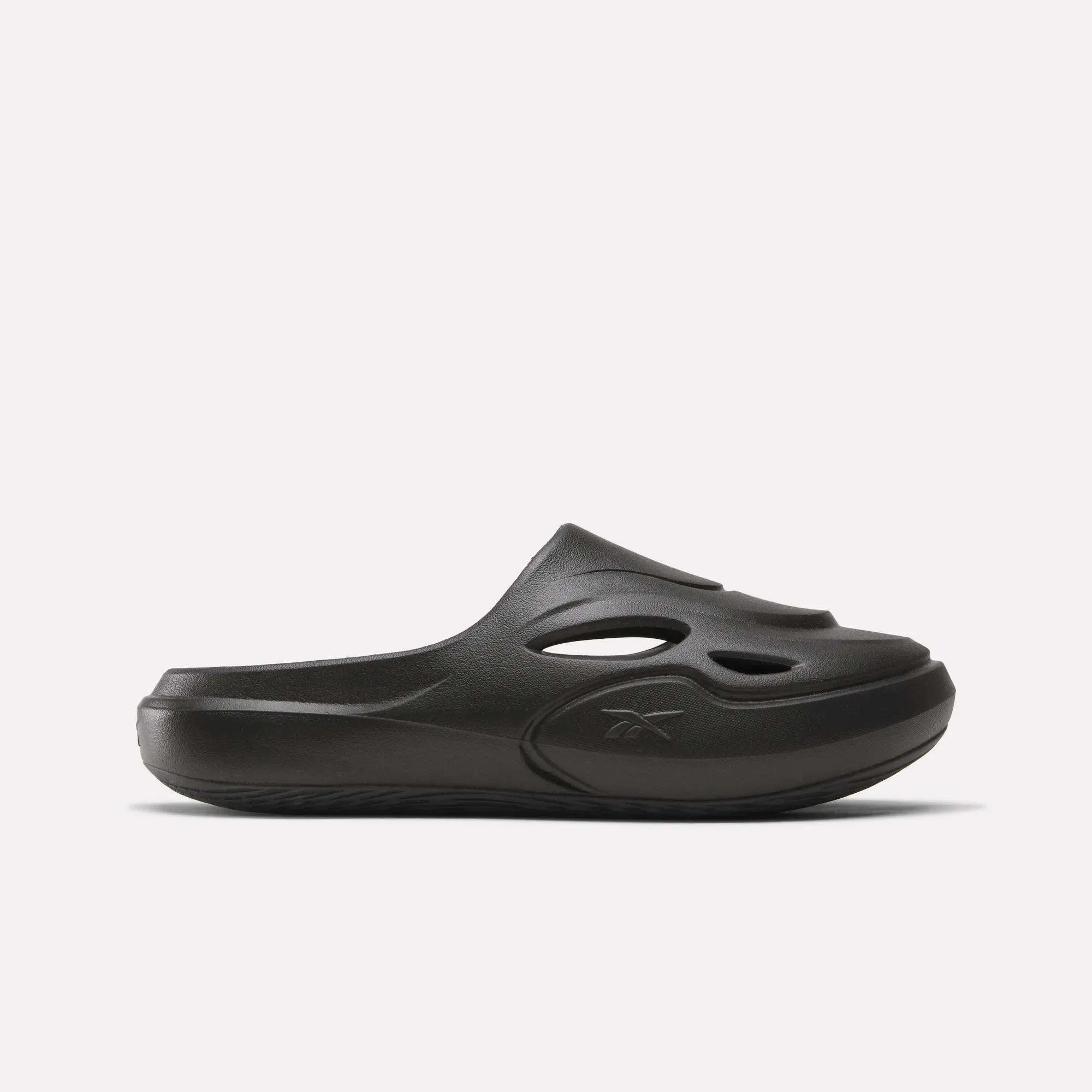
- https://reebokevb.com/products/reebok-dmx-recovery-mules-escape-grey-escape-grey-escap-9a7cb87f6e8b8cd327585725-1592944DMX Recovery Mules: Molded mules with DMX Moving Air tech that moves air from heel to toe and back again, plus molded EVA for comfort. They are the recovery layer for your feet after a session and double as shower shoes or commute footwear.
- Women's Cozy Classic Sweatpants: Made with a cotton blend that is soft and cozy, a ribbed waistband that locks in the fit, and side pockets for essentials. They serve as the post-training layer and the side pockets keep your phone and keys handy without a separate pouch.
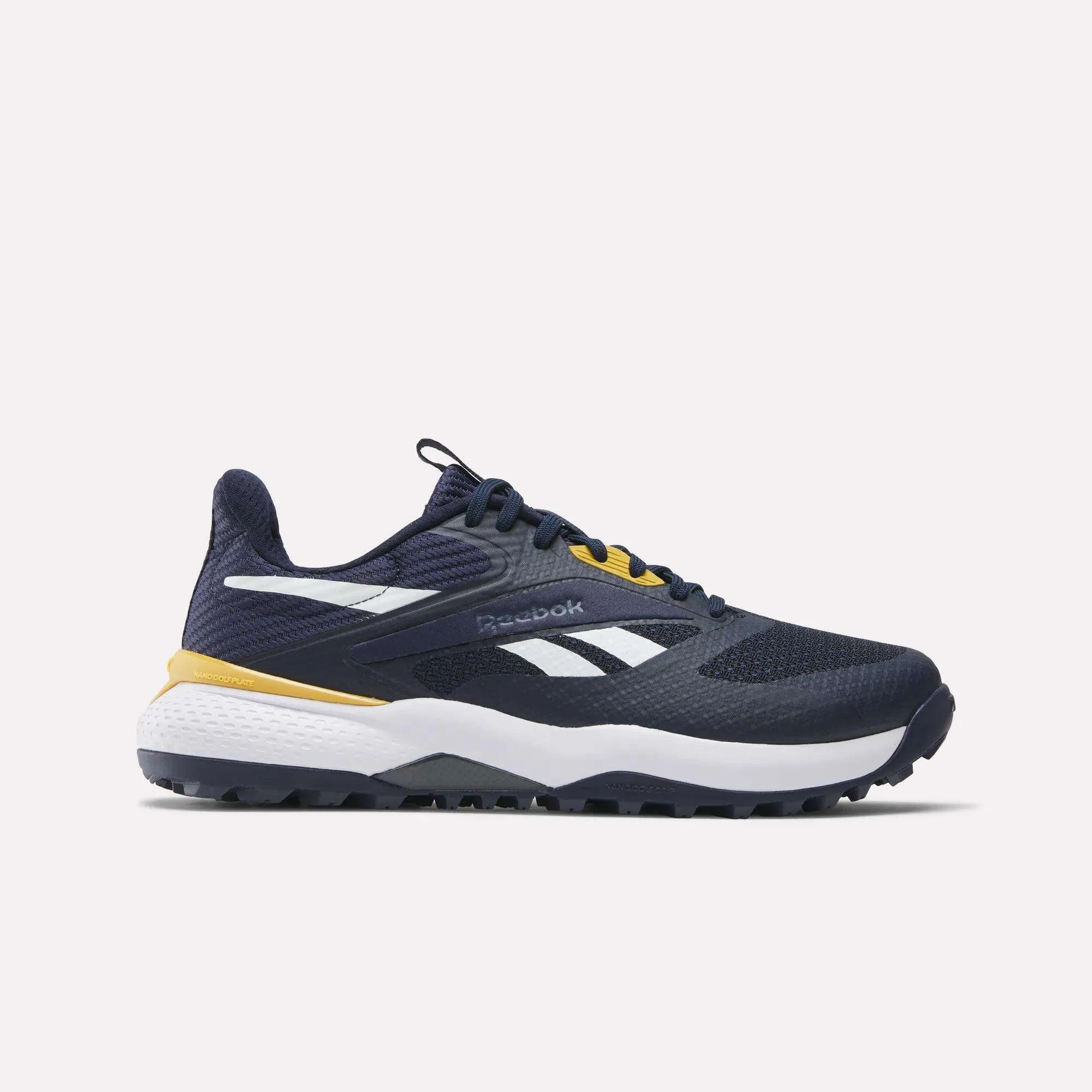
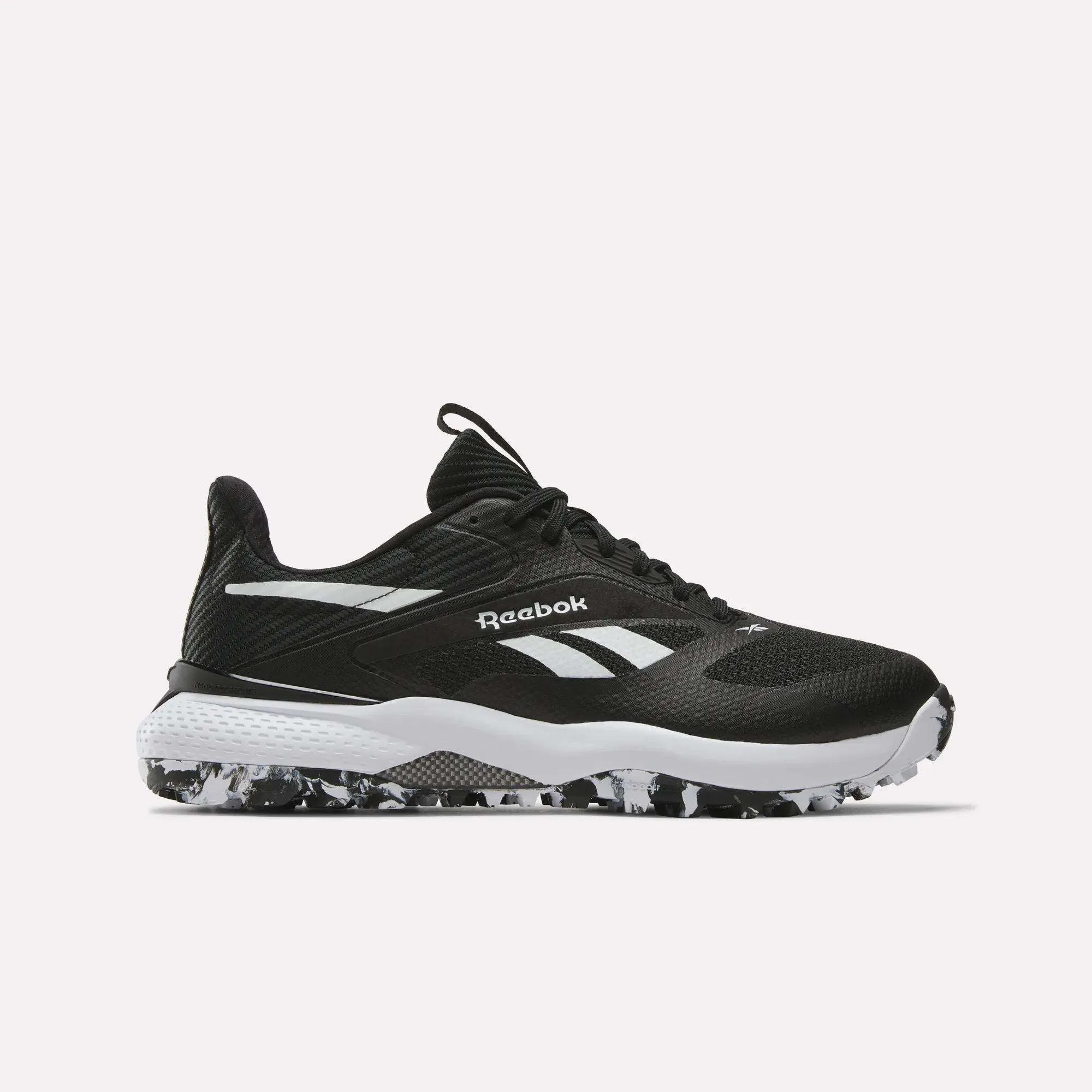
- https://reebokevb.com/products/reebok-nano-golf-shoes-black-ftwr-white-119058-078a1930ca1be9c6ce6fb16e-1594539https://reebokevb.com/products/reebok-nano-golf-shoes-white-vector-navy-vector-red-119-c2783828578a766f65b01c87-1594670Nano Golf Shoes: Performance golf shoes with a lightweight FlexWeave upper, responsive Floatride performance foam, raised lugs, and a TPU Torsion Shank for stability. If your training week includes golf or walking on grass, these replace a third pair of casual shoes and keep the bag to three pairs total.
Who this packing plan fits
Best for
- People training three to six days a week who want one bag for the gym and commute
- Anyone who showers at the gym or trains outdoors and needs wet and dry separation
- Travelers who want a gym bag that doubles as a weekend duffel
Not for
- Athletes carrying competition gear like helmets or pads, who need a sport-specific bag
- People who never change shoes or clothes at the gym and only need a small cinch sack
- Anyone who prefers a backpack for cycling or public transit commutes
Pack shoes first, then two outfits per session, then one recovery layer. Choose a duffel with a shoe compartment and a wet pocket, keep a permanent base layer inside, and reset the bag every Sunday. That is a week of training in one bag — no suitcase required.