Quick answer
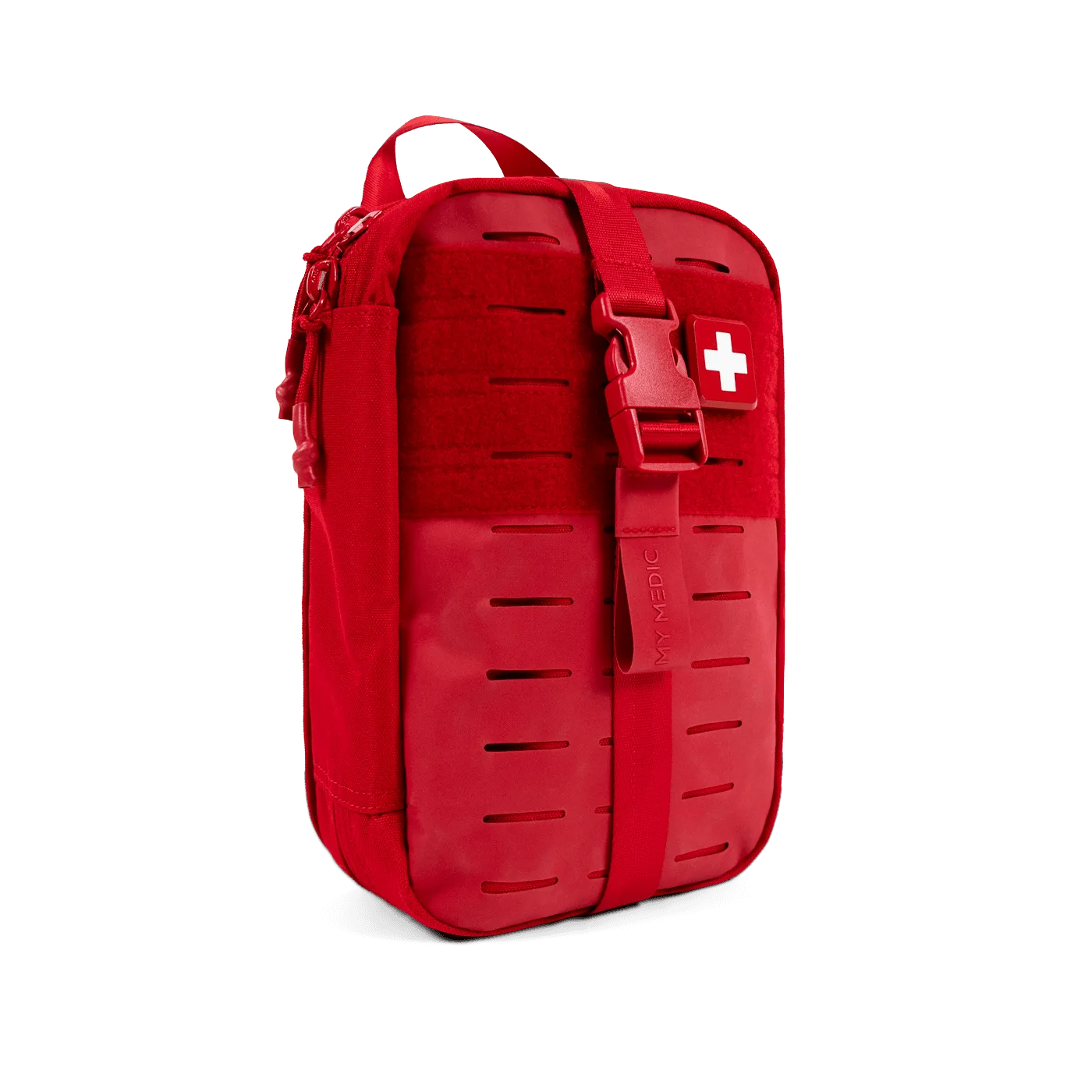
Pack a travel first aid kit around bleeding control, wound cleaning, and personal medication, then add trip-specific items only if they replace something you will not use. A compact kit such as the TFAKTM covers the trauma layer with 35-plus supplies, including 15 trauma items like chest seals and a tourniquet, while refill modules like Mini Gauze and Large Gauze let you restock the gauze you actually deplete. If your kit is soft-sided and fits in a daypack or glovebox, you are on the right track.
Start with the three layers every trip kit needs
A travel first aid kit works when it is organized by function, not by product category. Layer one is bleeding control: gauze, an absorbent dressing, and a tourniquet if your destination or activity puts you far from help. Layer two is wound cleaning and closure: sanitizer, antiseptic wipes, and adhesive bandages. Layer three is personal and environmental: prescription medication, pain relievers, antihistamines, and any item your doctor has told you to carry.
Keep each layer in its own pouch or compartment so you can find it without unpacking the whole kit. That matters more on a trip than at home because you may be working in a tent, a rental car, or a trailhead with poor light.
How to decide what earns space in a compact first aid kit
Space is the real constraint, so use a replacement test: if an item does not address a problem you can reasonably expect on this specific trip, leave it out. A beach weekend needs different supplies than a multi-day backcountry hunt. Check the kit against your itinerary, not against a generic master list.
Also check expiration dates and seal integrity before you leave. A kit that has been sitting in a hot car for a year may have dried-out wipes or compromised packaging, and that is a packing failure you can catch at the kitchen table.
Refill logic: buy modules, not duplicate kits
The most common mistake is buying a second full kit when only gauze is gone. Modular refills let you replace the depleted component and keep the rest of the kit intact. My Medic MOD refills are sized for this: Mini Gauze is a small assortment of pads and rolls for controlling bleeding, and Large Gauze is a larger pad format for the same job.
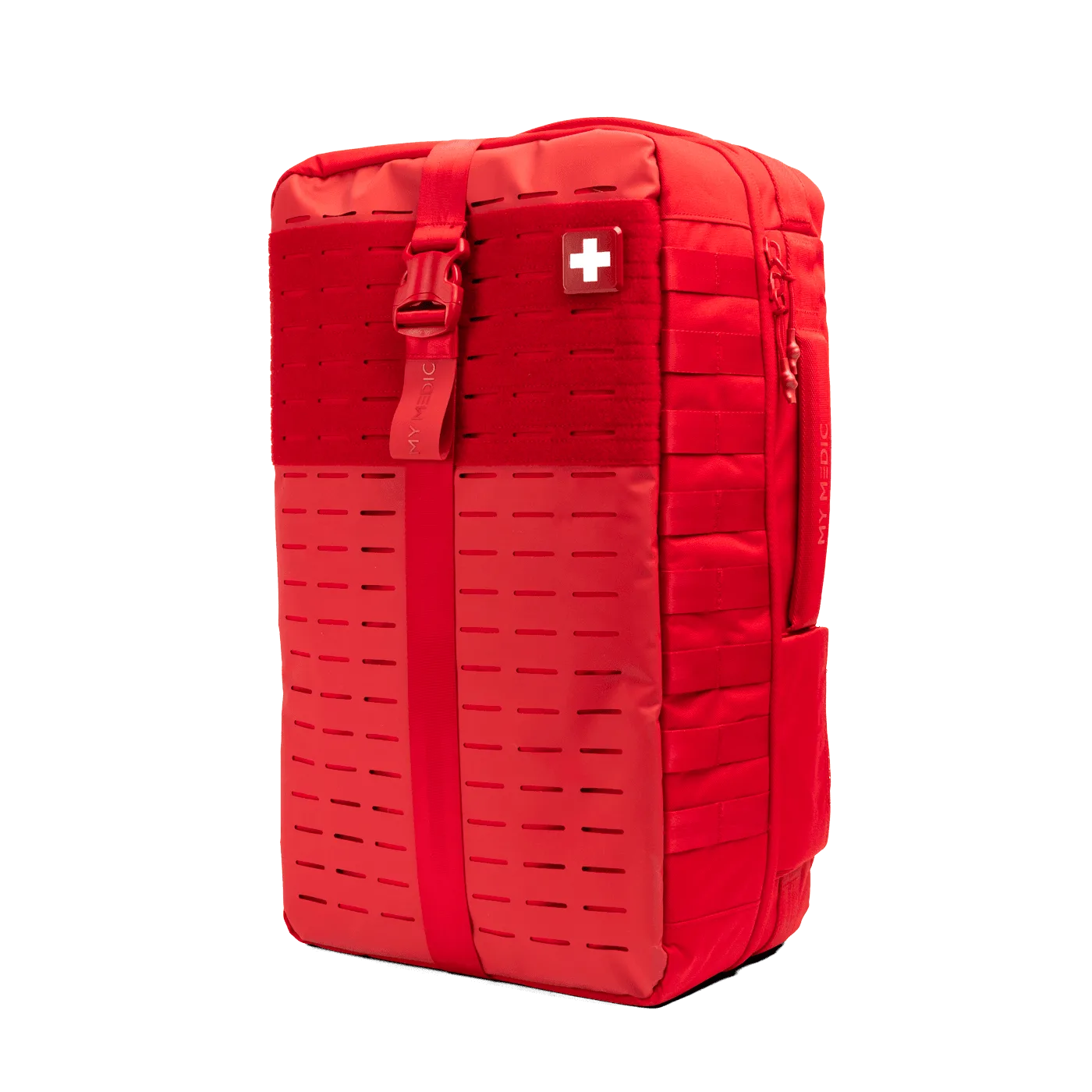
Medic
Match the refill to the kit's storage system. If your kit uses a modular insert, a MOD refill drops in; if it uses loose pouches, you may need to repack. Check the dimensions before ordering so the refill does not force you to rearrange the whole bag.
Sanitizer and hygiene items that survive travel
Hand hygiene belongs in the kit even when you have access to soap, because you may need to clean your hands before touching a wound. A travel-size sanitizer with aloe is less likely to dry out skin during repeated use, and individual packets or small bottles are easier to keep sealed in a packed bag.
Do not rely on sanitizer to clean a wound. It is for hands and intact skin. Wound cleaning needs water or a dedicated wound cleanser, so plan for that separately in your trip kit.
Trip-specific additions and honest trade-offs
Add items only when they solve a problem the base kit cannot. Insect repellent, blister care, and electrolyte packets are common additions for hiking trips. For international travel, include a copy of your prescriptions and any medication in original packaging.
The trade-off is weight and bulk. A larger kit gives you more capability but is more likely to be left behind. A compact kit you actually carry beats a comprehensive kit that stays in the hotel room, so choose the smallest configuration that still covers your three layers.
Decision rules for packing your travel kit
- Rule 1: Match the kit to the worst realistic injury: If your trip is more than an hour from emergency care, include a tourniquet and chest seals. If you are always near a pharmacy or clinic, a smaller wound-care kit is enough. Pack for the delay to help, not for the activity label.
- Rule 2: Replace, do not duplicate: When one component runs out, buy the refill module rather than a second full kit. Mini Gauze and Large Gauze exist for exactly this reason. Refills keep cost and bulk down.
- Rule 3: Carry what you will actually use: A compact kit in your bag outperforms a larger kit left in the car. Test the packed size against your daypack or glovebox before you commit. If it does not fit where you travel, it will not travel.
- Rule 4: Check dates and seals before every trip: Sanitizer, wipes, and sterile packaging degrade over time. Replace anything that is dried out, opened, or past its date. A five-minute check prevents a failed kit.
Products that fit this checklist
- TFAK™: Micro Trauma Kit with over 35 quality supplies, including 15 trauma items such as chest seals and a tourniquet; designed by medical and firearm professionals for hunting, the gun range, the car, and more. This is a packable all-in-one option when you want the bleeding-control layer already assembled rather than built item by item.
- Mini Gauze | MOD: Mini Gauze is a small assortment of gauze pads and rolls to control bleeding, sized as a MOD refill for My Medic first aid kits. Use it to restock the gauze you deplete most often without replacing the entire kit.
- Large Gauze | MOD: Large Gauze provides larger gauze pads to control bleeding and is part of the MOD refill system for My Medic first aid kits. Choose this format when your kit needs more absorbent coverage per dressing, such as for car or range kits.
- Super Sanitizer 10 Pack: Super Sanitizer is a 62% ethyl alcohol hand sanitizer with aloe vera that kills 99.99% of germs. A travel-friendly hygiene layer for cleaning hands before wound care, available in a 10-pack for keeping kits stocked.
Who this packing approach fits
Best for
- Travelers who want a compact first aid kit for trips by car, plane, or trail
- Hunters, range shooters, and outdoor users who need bleeding-control supplies in a packable format
- Anyone maintaining an existing kit who wants a refill-based restocking system
Not for
- Households building a comprehensive home first aid station with bulk supplies
- Workplaces that need a wall-mounted, OSHA-style cabinet rather than a portable kit
- Users who need a kit with pediatric dosing instructions or prescription medication management