Quick answer
For cold rides, wear a snug long sleeve base layer directly against your skin, then add a breathable mid layer like a cycling jersey or light jacket. Avoid cotton and choose merino or technical fabrics that wick moisture.
Why layering under a base layer matters
A long sleeve base layer is designed to sit next to your skin, managing moisture and providing a first layer of insulation. What you wear on top of it determines how well you regulate temperature during variable efforts.
The key is to avoid overheating: a base layer that gets wet from sweat will chill you quickly when you stop or descend. Choosing a mid layer that breathes and vents is just as important as the base layer itself.
Fabric choices: merino vs synthetic
Merino wool base layers, like the Judith, naturally regulate temperature and resist odor, making them ideal for multi-day rides. Synthetic options, such as the Coline, often use recycled yarns and offer a race-tight fit with excellent stretch.
Consider the conditions: merino shines in cold, damp weather, while synthetics dry faster and are often more durable. Both work well under a mid layer, but your choice affects comfort and care.
Fit and coverage considerations
A base layer should fit snugly but not restrict movement. Look for features like a high collar or hood (as on the Flore) to protect your neck from wind, and elastic cuffs to keep sleeves in place.
If you plan to add a mid layer, ensure the base layer is thin enough to avoid bulk. A too-loose base layer can bunch up and cause discomfort under a jersey or jacket.
How to layer under a long sleeve base layer
- Start with a snug long sleeve base layer: Choose a base layer that fits close to the skin without being restrictive. Ensure it covers your torso fully and has long enough sleeves to stay tucked under your mid layer. Check that the base layer doesn't ride up when you raise your arms.
- Add a breathable mid layer: Over the base layer, wear a cycling jersey or light long sleeve top that provides insulation but allows moisture to escape. Avoid cotton, which traps sweat and makes you cold. If you start sweating heavily, open vents or remove the mid layer before you get wet.
- Finish with a windproof or insulated outer layer: On very cold or windy days, add a cycling jacket or gilet that blocks wind while still letting excess heat out. For milder rides, a windproof vest may be enough. Test your layers on a short ride to see if you overheat before committing to a long route.
Base layers that work well for cold rides
-
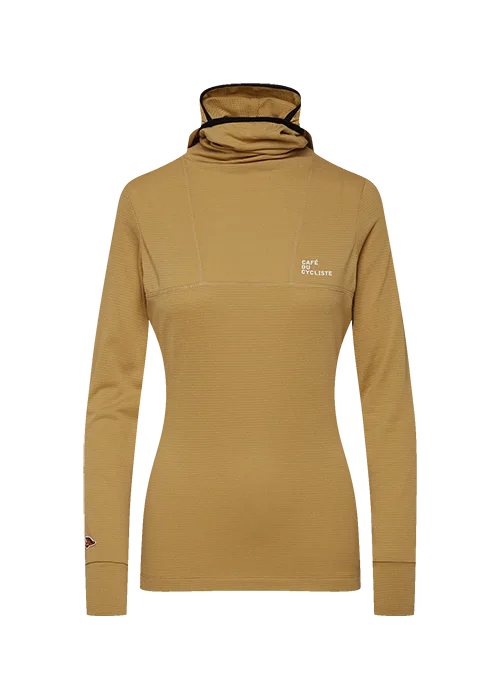
Flore: The Flore is a technical hooded base layer with a mid-weight Italian fabric and a waffle texture inside that wicks moisture quickly. The hood adds extra warmth and wind protection, making it a great choice for very cold or windy rides when you need coverage up to your neck.
Flore
-
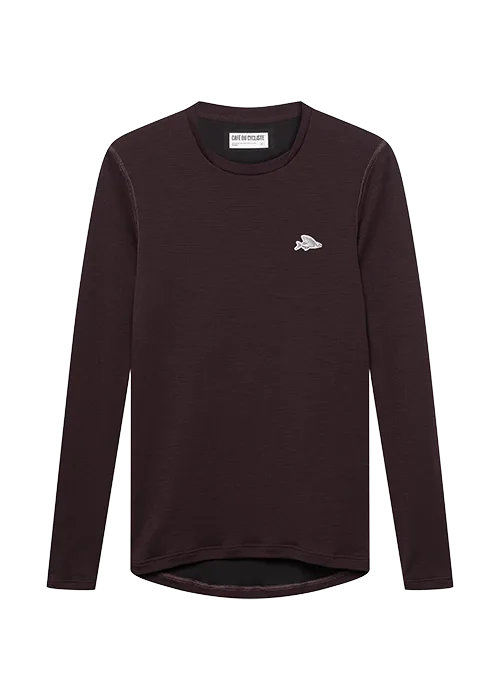
Judith: The Judith combines merino wool with a structured front that traps insulating air and returns heat to the body, while the back and arms wick moisture. This targeted insulation keeps your core warm without overheating, ideal for long rides in cold conditions where temperature control is key.
Judith
-
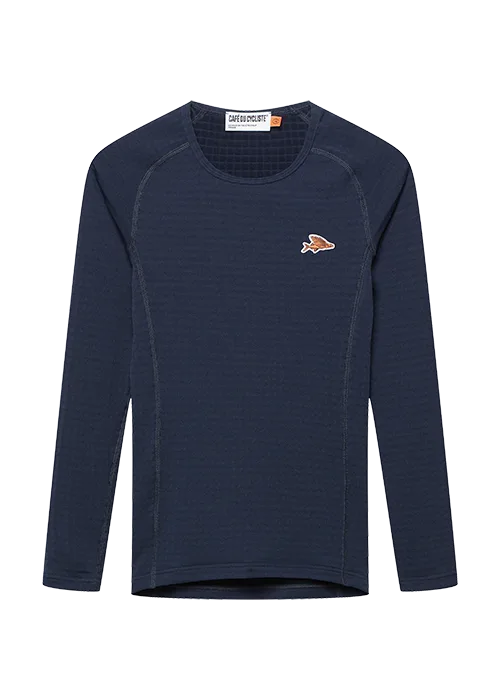
Coline: The Coline is a three-season base layer made from recycled yarns with a race-tight fit and a textured knit that allows air circulation for temperature control. Its breathable, high-stretch fabric suits intense efforts from autumn to spring, letting you wear it under a mid layer without feeling bulky.