Quick answer
For most cold water sports, wear a thin merino wool base layer under your wetsuit or drysuit: it moves sweat away, insulates when damp, and does not hold the smell that synthetics do. Skip cotton entirely. If the water is above roughly 20°C and you are moving hard, a well-fitting wetsuit alone is often enough.
What you wear under a wetsuit is not about adding bulk. It is about managing the thin layer of water and sweat that sits against your skin. Get that layer right and you stay warmer, drier, and more comfortable for the whole session.
This guide walks through the decision in order, from checking the water temperature to choosing a base layer that works with your suit rather than against it. It covers wetsuits and drysuits, and it flags the mistakes that make people cold even when they are wearing enough rubber.
Start With Water Temperature, Not Air Temperature
The first step is to find the actual water temperature where you will be paddling, surfing, or swimming. Air temperature can be 25°C while the water sits at 12°C, and your body responds to the water. As a working rule: above 20°C, a good wetsuit alone is usually fine; 15-20°C, add a thin base layer if you run cold or plan long sessions; below 15°C, a thermal base layer becomes part of the kit, not an optional extra.
Check the forecast for wind and session length too. Wind chill and long periods standing around between sets change the math. A 45-minute session in 14°C water feels very different from a three-hour one.
- Write down the water temperature before you pack. It is the single number that decides your layering.
- If you are between two choices, take the warmer option for your first session and adjust next time.
Pick the Right Fabric: Merino First, Synthetics Second, Cotton Never
Merino wool is the strongest choice for a base layer for a wetsuit because it insulates even when damp, breathes well, and resists odor over repeated use. A thin merino crew or tights adds warmth without changing how your suit fits. Synthetics dry fast and are cheap, but they can feel clammy and pick up smell quickly. Cotton is the one fabric to avoid: it soaks up water, loses insulation, and stays heavy against your skin.
Fit matters as much as fabric. The layer should sit close to the skin with no folds or bunching, because wrinkles under a tight wetsuit create pressure points and cold spots. If the layer is loose, water can pool between fabric and skin and cancel out the benefit.
- Choose a smooth, flat-seam base layer. Seams and zippers can rub under a snug suit.
- Test the layer under the suit at home before you rely on it in cold water.
Match the Layer to the Suit: Wetsuit vs Drysuit
Under a wetsuit, the suit itself traps a thin layer of water that your body warms. A base layer works with that system by keeping sweat off your skin and adding a little insulation, but it should be thin. Thick fleece under a wetsuit usually makes you colder because it traps too much water and restricts movement.
Under a drysuit, the logic changes. You stay dry, so the base layer does the insulation work and can be thicker. This is where a thermal merino crew or merino tights earn their place, especially for cold water sports like winter kayaking, sailing, or cold-water swimming. The drysuit keeps water out; the base layer keeps you warm.
- Wetsuit: thin, close-fitting merino or synthetic base layer.
- Drysuit: warmer merino base layer, plus a mid layer if the water is very cold.
Add or Remove Layers Based on How You Move
High-output activities like surfing and paddling generate heat, so over-layering leads to sweat, and sweat cools you fast once you stop. Low-output activities like sitting on a board, diving, or waiting for a rescue drill need more insulation from the start. Match the layer to the effort, not to how cold you feel standing on the shore.
A useful checkpoint: if you are warm and dry before you get in, you are probably dressed about right. If you are already sweating while suiting up, remove a layer.
- Surfing and paddling: keep the base layer thin and breathable.
- Diving, sailing, or long waits: add insulation and consider a warmer base layer.
Handle the Details That Ruin a Good Layer
Small details decide whether your layering works. Rinse your base layer after every saltwater session, because salt crystals stiffen the fabric and irritate skin. Dry merino flat or hanging, never in a hot dryer. If you wear a neck gaiter, choose one that fits under the suit collar without bunching. And check your suit's seals and zips before you blame the base layer for being cold.
Finally, test your full setup in shallow, supervised water before committing to a long cold session. Ten minutes of testing saves an uncomfortable day.
- Rinse merino in cool water after every use and air dry away from direct heat.
- Check cuffs, neck seals, and zips for leaks before each session.
Your Cold Water Layering Steps
- Check the water temperature: Look up the actual water temperature and wind for your session location, not the air temperature. Checkpoint: below 15°C, plan on a thermal base layer; above 20°C, a wetsuit alone may be enough.
- Choose a merino base layer: Pick a thin, flat-seam merino crew and tights that sit close to the skin without bunching. Mistake to avoid: cotton or thick fleece under a wetsuit.
- Match the layer to the suit: Keep it thin under a wetsuit; go warmer under a drysuit, where you stay dry and the base layer does the insulating. Checkpoint: the layer should not change how the suit fits or restrict your movement.
- Test before you commit: Wear the full setup in shallow, supervised water for ten minutes and note whether you are warm, dry, or clammy. Next step: add or remove one layer based on what you felt, then repeat.
- Care for the layer after every session: Rinse in cool water, air dry away from direct heat, and check suit seals and zips for leaks. A clean, dry base layer performs better and lasts longer.
Base Layers Worth Considering
- M's Desoli Thermal Crew: Made from Solid Gridmerino, a fabric of pure 17.6 μm merino wool at 270 g/m², described as airy but insulating and very breathable. A good option for a drysuit base layer or a cold-water wetsuit session where you want warmth without a bulky mid layer.
- M's Puremerino Tights: Made from Puremerino 200, a fabric of 100% superfine 18.4 micron merino wool from Australia. Useful under a drysuit or as a thermal layer for surfing and paddling when you need leg warmth that stays comfortable when damp.
- M's Desoli Boxers: Made from Solid Merino, a fabric of 100% mulesing-free Australian merino wool, designed to feel warm in cold conditions and cool in warm ones. A practical first layer under a wetsuit or drysuit, since merino manages moisture and odor better than cotton or basic synthetics.
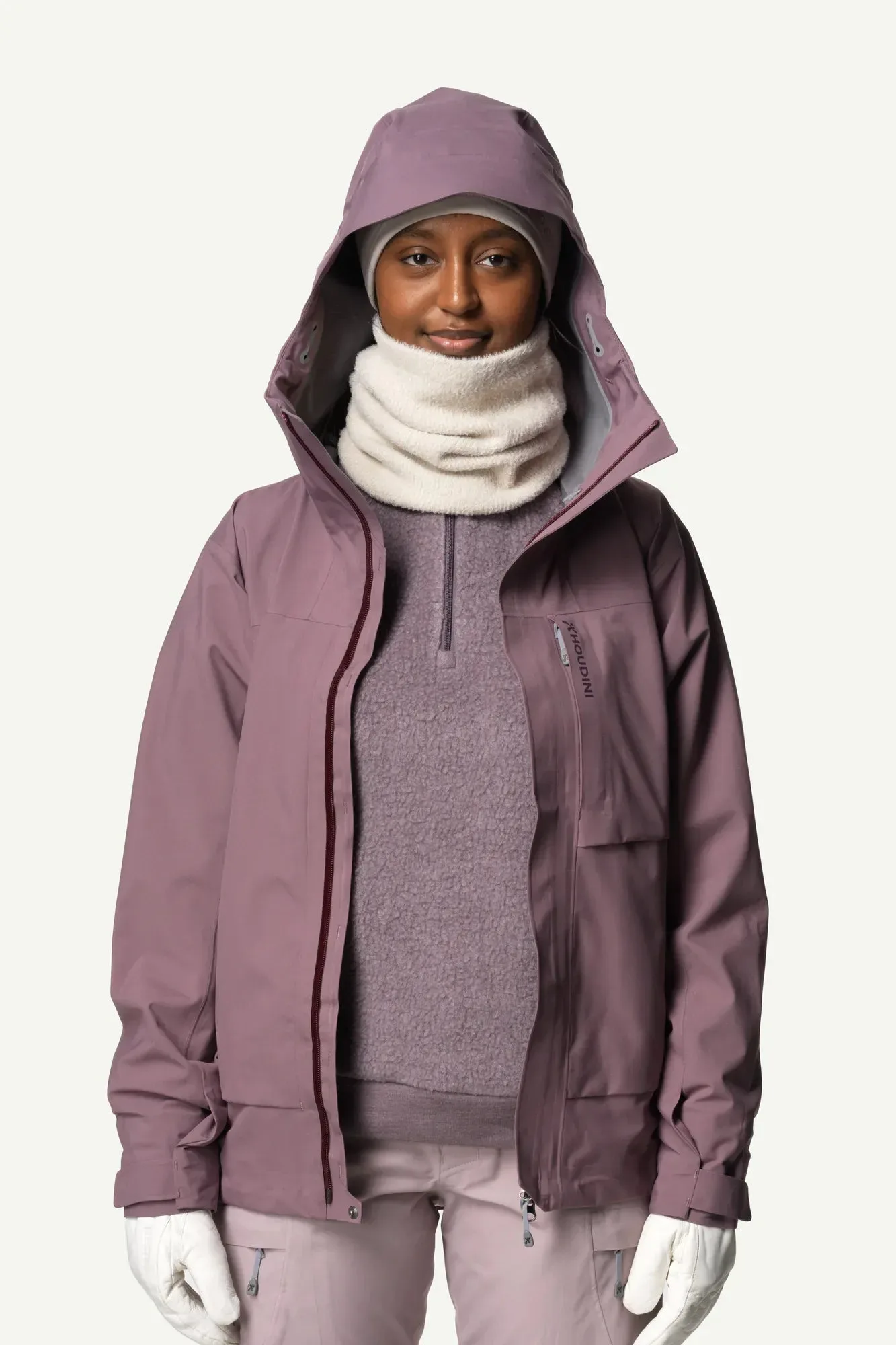
- Lykan Neck Gaiter: Part of the Lykan series, made with a textured yarn in an airy knit that is ultralight and stretchy, following the body's movements. Helps seal the gap at the neck under a suit collar without adding bulk or restricting head movement.
Layering under a wetsuit or drysuit comes down to three things: the water temperature, the fabric against your skin, and how hard you will be moving. Start with a thin merino base layer, test it in real conditions, and adjust one layer at a time. That approach keeps you warmer than any single piece of gear.