Quick answer
If your Tesla wheels already have the correct bolt pattern and you only want a wider stance or extra clearance, use wheel spacers. If you want to mount wheels with a different bolt pattern, you need wheel adapters. Spacers are the simpler, lower-cost path for most Model 3 and Model Y owners; adapters add a second set of fasteners and more variables, so treat them as a fitment solution, not a styling upgrade.
Tesla wheels sit close to the suspension and brake hardware, so a small change in offset can decide whether a wheel looks right or rubs. That's why the spacer-versus-adapter question comes up so often, and why the two get mixed up. They both sit between the hub and the wheel, but they solve different problems.
This comparison covers what each part does, when it makes sense on a Tesla, and what to verify before you order. We'll also look at how supporting parts like caliper covers and suspension components interact with a wider track, using real catalog examples.
What a wheel spacer does
A wheel spacer is a shim that mounts between the hub and the wheel. It keeps your existing bolt pattern and simply moves the wheel outward, which widens the track and can improve clearance for brake calipers or suspension parts. Because the bolt pattern doesn't change, the wheel still centers on the same studs or bolts your Tesla came with.
Most spacer decisions come down to thickness. A thin spacer may still let the factory studs engage the lug nuts, while a thicker one usually requires longer studs or a bolt-on design with its own studs. That thickness limit is the single most important number to confirm before buying, and it's why a generic spacer listing can be a poor match for a specific Tesla.
- Measure the gap between tire and fender before choosing thickness.
- Confirm stud length or bolt-on hardware before installing.
- Re-torque lug nuts after the first drive and again after roughly 50 miles.
What a wheel adapter does
A wheel adapter also moves the wheel outward, but it changes the bolt pattern so you can install wheels your Tesla didn't originally use. Adapters typically bolt to the hub with one set of fasteners, then provide a second set of studs or bolt holes for the new wheel. That extra interface is what makes them useful and what makes them more demanding to get right.
Adapters add more thickness than most spacers because they need room for both fastener sets. That extra width changes offset and can push the tire into the fender liner or suspension. If you're shopping for a Model 3 wheel adapter comparison, check the adapter's stated thickness, thread pitch, center bore, and load rating against your wheel and hub specs rather than assuming a universal fit.
- Verify both the hub-side and wheel-side bolt patterns.
- Check center bore and wheel-centric vs lug-centric design.
- Confirm the adapter thickness still leaves safe fender and suspension clearance.
How they change your Tesla's fitment and feel
Both parts increase track width, which can sharpen turn-in slightly and fill out the wheel arches. The trade-off is that pushing wheels outward changes scrub radius and can increase load on wheel bearings and suspension bushings. On a daily-driven Model 3 or Model Y, a modest spacer is usually the more conservative choice because it keeps the factory wheel and tire combination.
Adapters open up wheel choices but add a second torque interface. That means more fasteners to check and more ways for vibration to appear if something isn't seated correctly. If you're also running upgraded suspension or brake hardware, the wider track may interact with those parts, so plan the whole setup rather than one piece at a time.
- Keep total offset change modest for street use.
- Re-check torque on both fastener sets if you run adapters.
- Have an alignment shop inspect the setup after installation.
Supporting parts that change the equation
Wider wheels and a wider track often expose brake hardware visually, which is why many owners pair spacers with cosmetic brake upgrades. The Performance Caliper Covers for Tesla Model 3 are designed and tested to fit over Model 3 stock factory calipers, come as a set of four, and are made from powder-coated aluminum with stainless steel fasteners. They reduce brake dust and dissipate heat, so they're a practical add-on if you want the look without changing braking hardware.

Performance Caliper Covers for Tesla Model 3
On the suspension side, the New OES Front Air Strut for Tesla Model X 10/2016 to 02/2021 1027361-00-G is an OE replacement part by Arnott that fits Model X from 10/2016 to 02/2021 and carries a 2-year warranty. If you're changing ride height or refreshing worn air suspension, sort that out before finalizing spacer or adapter thickness, because ride height directly affects clearance.
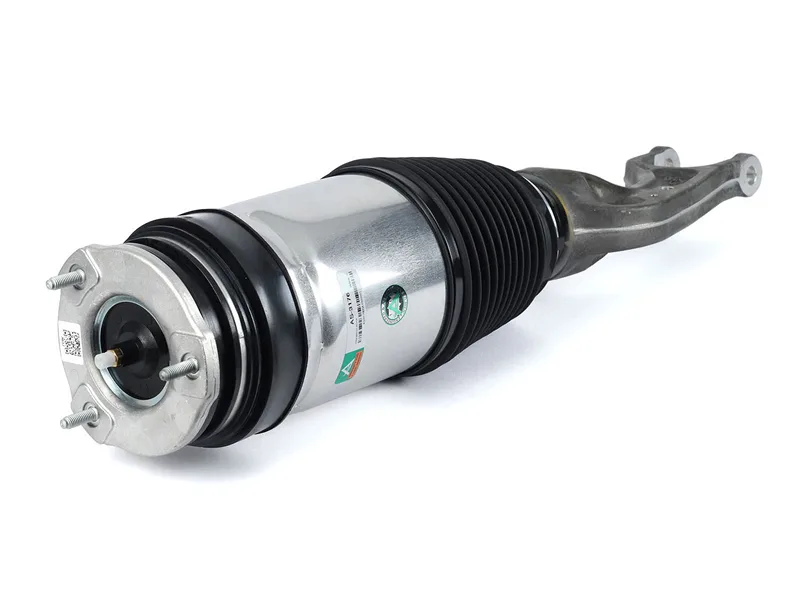
New OES Front Air Strut for Tesla Model X 10/2016 to 02/2021 1027361-00-G
- Cosmetic brake upgrades don't change bolt pattern or offset.
- Suspension work can change clearance, so sequence your installs.
- Confirm model-year fitment before ordering any OE replacement part.
Cost, complexity, and the honest trade-off
Spacers are generally simpler and cheaper because they don't need a second bolt pattern or extra fasteners. Adapters cost more and take more measuring, but they're the only way to run a wheel with a different bolt pattern. Neither is inherently better; the right answer depends on whether your problem is stance and clearance or bolt pattern compatibility.
One more consideration: some owners buy adapters purely to change offset, which adds complexity for a result a spacer could deliver. If your wheels already fit your Tesla's bolt pattern, a spacer is usually the cleaner path. If they don't, an adapter is the correct tool, and the extra checks are part of the deal.
- Match the part to the problem: offset or bolt pattern.
- Budget for longer studs or bolt-on hardware if needed.
- Don't stack spacers or adapters to chase a look.
Spacers vs adapters: the trade-offs
- Bolt pattern: Spacers keep your Tesla's factory bolt pattern; adapters change it so a different wheel can mount. If your wheels already fit, you don't need an adapter.
- Thickness and clearance: Spacers can be thin; adapters are thicker because they carry two fastener sets, which pushes the wheel further out. Measure fender and suspension clearance before ordering either.
- Fastener checks: Spacers add one interface to torque; adapters add two, so there are more points to verify and re-check. Re-torque after the first drive and again after roughly 50 miles.
- Cost and complexity: Spacers are usually the simpler, lower-cost option; adapters cost more and require more measurement. Match the part to the problem, not to the look alone.
Catalog facts worth knowing
- Performance Caliper Covers for Tesla Model 3: Designed and tested to specifically fit over Tesla Model 3 stock factory brake calipers; made from aluminum, powder coated in Red or Yellow or Green with stainless steel fasteners; each order includes a set of four covers. If you're adding spacers to widen the stance, this is a cosmetic brake upgrade that works with stock calipers rather than requiring a big brake kit.
- New OES Front Air Strut for Tesla Model X 10/2016 to 02/2021 1027361-00-G: New front air strut priced each, high quality OE replacement part by ARNOTT, fits all Tesla Model X 10/2016 to 02/2021, 2 year warranty, OE reference 1027361-00-E / 102736100E / 1027361-00-G / 102736100G, Arnott # AS-3176. Ride height affects wheel clearance, so refresh worn air suspension before locking in spacer or adapter thickness on a Model X.
Which one fits your situation?
Choose spacers if
- Your Tesla wheels already have the correct bolt pattern and you want a wider stance or extra brake clearance.
- You want the simplest install with the fewest fastener interfaces.
- You're keeping factory wheels and tires on a daily-driven Model 3 or Model Y.
Choose adapters if
- You only want a small offset change and already have compatible wheels.
- You aren't prepared to measure thickness, center bore, and both bolt patterns.
- You want a bolt-on part with no extra torque checks.
Spacers and adapters both move your wheels outward, but only adapters change the bolt pattern. Pick the part that solves your actual fitment problem, verify thickness and clearance first, and re-check torque after installation. If you're unsure which thickness or pattern you need, measure your hub and wheel specs before ordering.