Quick Answer
Most babies are ready to start using a sippy cup between 6 and 12 months, when they can sit up with support and show interest in self-feeding. Look for signs like reaching for your cup or holding their bottle independently. Start with a soft-spout sippy cup filled with water or breast milk, and introduce it gradually during meals.
Introducing a sippy cup is a major milestone, but many parents wonder when to make the switch. Starting too early can frustrate your baby, while waiting too long may make the transition harder. The key is to watch for readiness cues and choose a cup that supports your baby's developing skills.
In this guide, we'll help you recognize the signs that your baby is ready, offer practical tips for a smooth transition, and highlight a few Mushie cups that can make the process easier.
Signs Your Baby Is Ready for a Sippy Cup
While every baby develops at their own pace, most show readiness between 6 and 12 months. Look for these cues: your baby can sit up with minimal support, has good head and neck control, and shows interest in what you're drinking. They may grab your cup or try to drink from it, signaling curiosity.
Another strong sign is when your baby can hold their bottle independently and bring it to their mouth. This demonstrates the hand-eye coordination needed to manage a sippy cup. If your baby is still struggling to sit upright or hasn't shown interest in self-feeding, it may be best to wait a few more weeks.
- Start offering a sippy cup at mealtimes when your baby is calm and not overly hungry.
- Use water or breast milk initially; avoid juice to prevent tooth decay.
- Let your baby play with the cup empty first to build familiarity.
How to Transition from Bottle to Sippy Cup Smoothly
Transitioning from bottle to sippy cup is a gradual process. Begin by replacing one bottle feeding a day with a sippy cup, preferably at a time when your baby is relaxed. Choose a soft-spout cup that feels similar to a bottle nipple, making the switch less jarring.
Expect spills and messes—it's part of learning. Offer plenty of praise and don't force the cup if your baby resists. Consistency helps, so try offering the sippy cup at the same time each day. As your baby becomes more skilled, gradually increase the number of cup feedings until bottles are phased out, usually by 12 to 18 months.
- Start with a soft spout sippy cup to ease the transition.
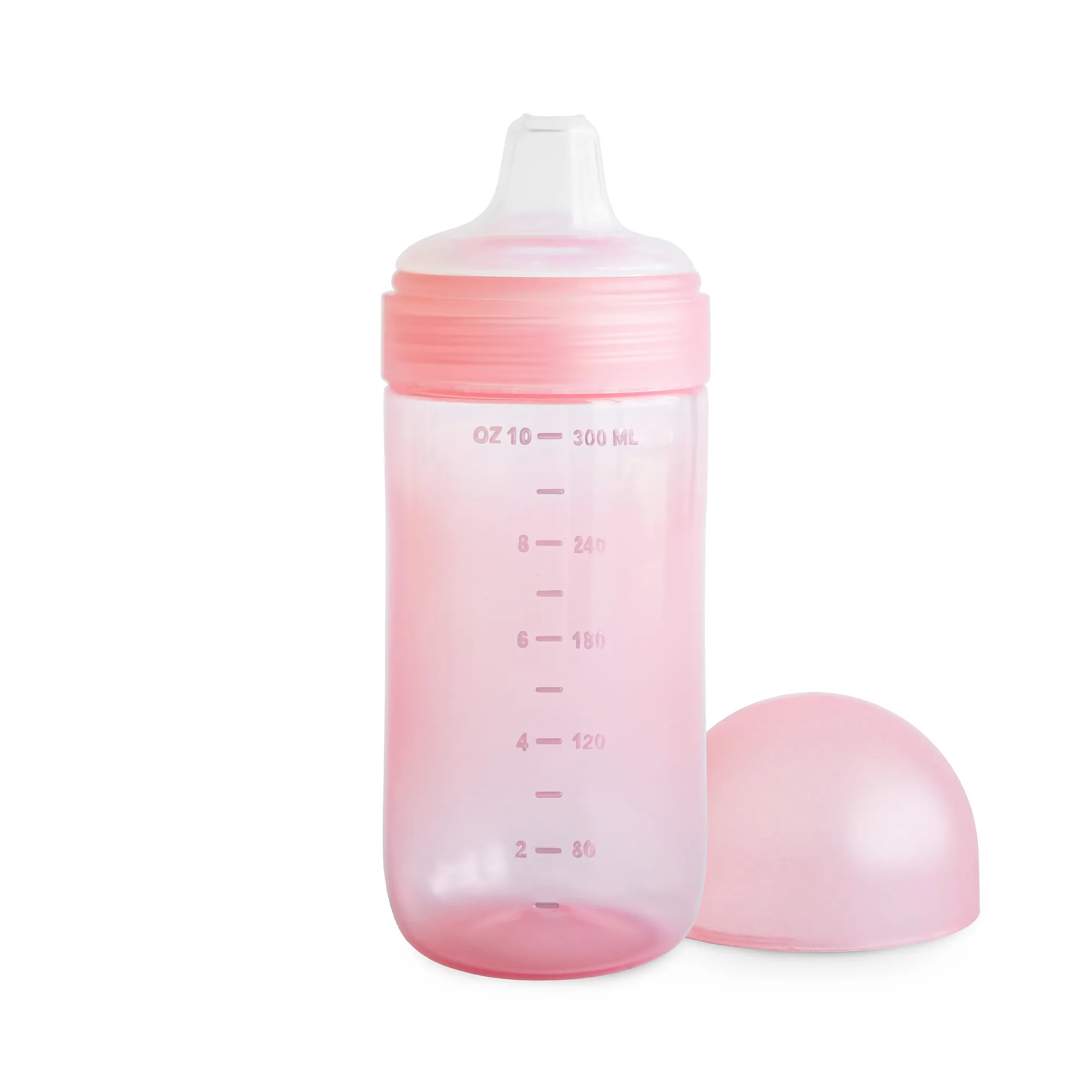
soft spout sippy cup
- Use a leak-resistant cup to minimize messes during practice.
- Be patient; it's normal for babies to take a few weeks to adjust.
Choosing the Right Sippy Cup: Soft Spouts and More
When selecting a sippy cup, consider your baby's age and feeding skills. Soft spouts are gentle on gums and teeth, making them ideal for babies just starting. Look for cups with easy-to-grip handles and a lightweight design that tiny hands can hold comfortably.
A leak-resistant lid is a practical feature that saves cleanup time and lets your baby practice without frustration. Cups made from food-grade silicone are safe, durable, and gentle on tender mouths. Avoid cups with small parts that could pose a choking hazard.
- Check that the cup is BPA-free and made from safe materials.
- Choose a cup with a removable lid for thorough cleaning.
- Consider a cup with volume markings to track intake.
Diagnosing Sippy Cup Readiness: A Step-by-Step Guide
- Symptom: Your baby grabs your cup, shows interest in drinking from it, or can hold their bottle independently. This is a positive sign that they are curious and developing the motor skills needed for a sippy cup.
- Likely Cause: Your baby is reaching a developmental stage where they want to mimic your actions and gain independence in feeding. This typically occurs between 6 and 12 months, but every baby is unique.
- Corrective Action: Introduce a soft-spout sippy cup with a leak-resistant lid during a relaxed mealtime. Offer water or breast milk and let your baby explore the cup at their own pace. Start with one cup feeding per day and gradually increase as your baby becomes more comfortable.
- When to Stop or Choose Another Option: If your baby consistently refuses the cup, gags, or shows signs of frustration after several attempts, pause and try again in a few weeks. Alternatively, consider a different style, such as a straw cup or an open cup with assistance, which may better suit their preferences. Patience is key. If your baby is not ready, forcing the issue can create negative associations. Revisit the transition later or explore other cup types.
Mushie Sippy Cups That Support the Transition
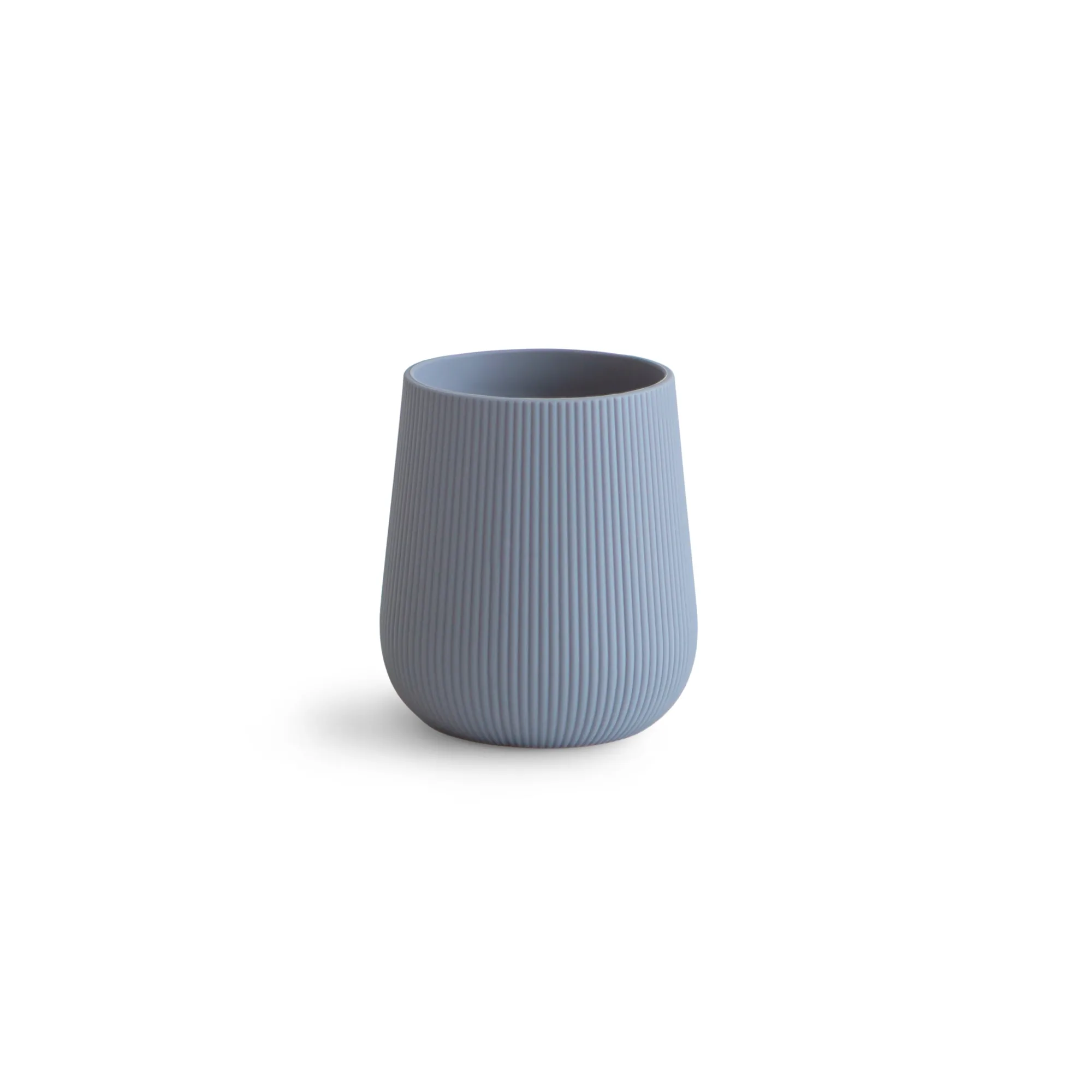
- Silicone Sippy Cup: Start little feeders with a simple and beautiful silicone sippy cup, designed to be comfortably held by tiny hands. As your baby begins the transitions from bottles to cups, our silicone sippy cup helps develop fine motor skills and independent eating habits. Refill without worries with a leak-resistant, removable lid. Made from 100% food grade silicone, it's soothing for baby gums and toddler teeth to latch onto. This cup's soft silicone spout and leak-resistant lid make it a gentle, practical first cup for babies who are ready to move beyond bottles. The comfortable grip encourages self-feeding and motor skill development.
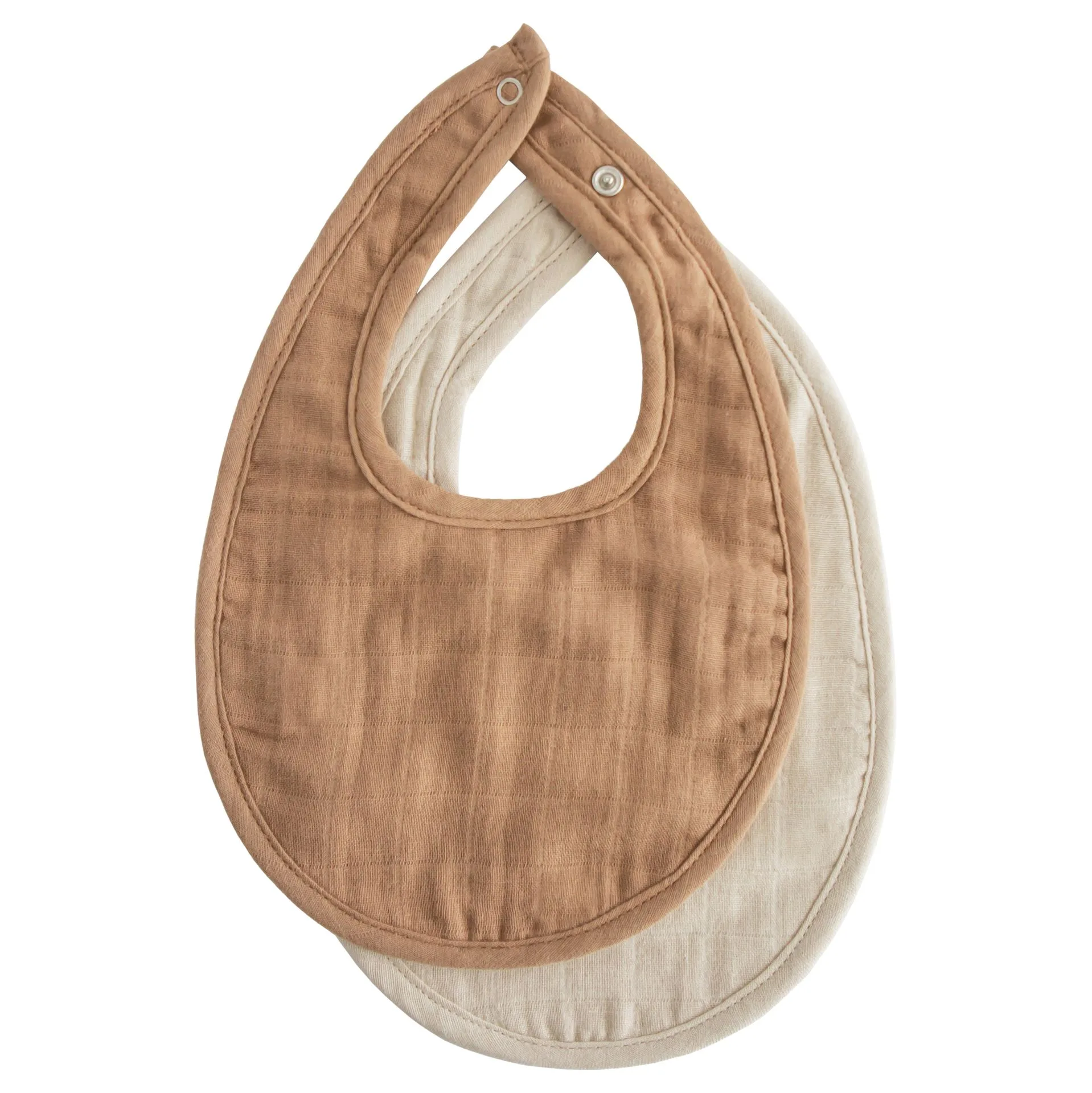
- Silicone Baby Bib: Keep your little one comfy and clean with our thoughtfully designed collection of silicone baby bibs. Mushie bibs come in cheerful patterns and soothing colors that bring a little joy and calm to mealtime. Featuring an adjustable neck strap for a perfect fit as babies grow, plus a deep front pocket to catch crumbs and spills. Made of non-toxic silicone, they’re easy to clean, built to last, and a simple, practical choice for messy eaters. When your baby is learning to sip from a cup, spills are inevitable. A silicone bib with a pocket catches drips and keeps clothes dry, making practice sessions less stressful for both of you.
Introducing a sippy cup is a gradual process that requires patience and attentiveness to your baby's cues. By watching for signs of readiness, choosing a soft-spout cup that supports their developing skills, and practicing consistently, you can make the transition smoother for both of you. Remember, every baby is different—trust your instincts and let your little one lead the way.