Quick Answer
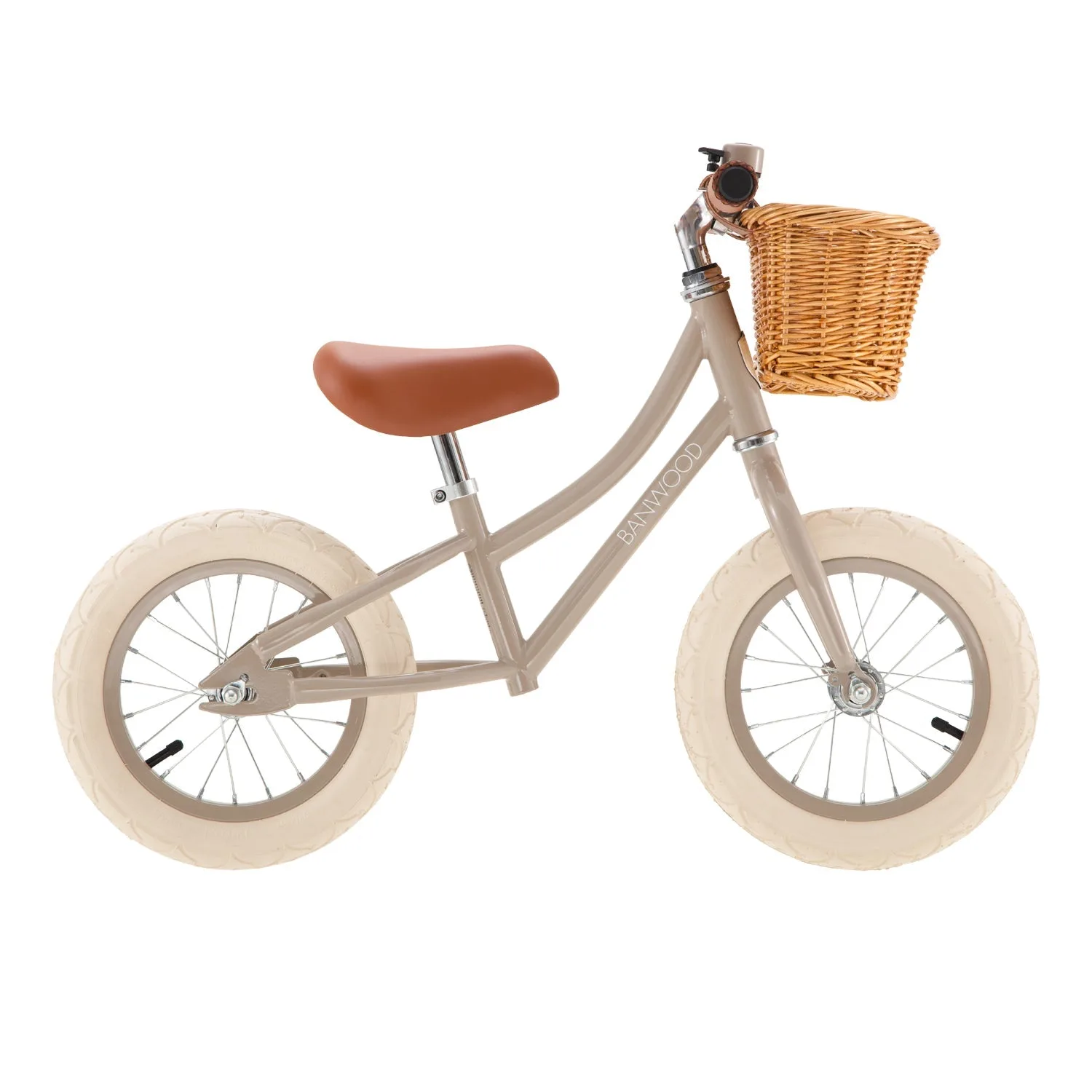
Most children are ready for a balance bike between 18 months and 2 years old, but the real sign is when they can walk confidently and show interest in sitting on a bike. The Banwood First Go models are designed for ages 2-5, making them a perfect fit for the typical start window.
Why Age Is Only a Starting Point
While age gives a general guideline, every child develops at their own pace. A child who walks steadily and has good trunk control is physically ready to try a balance bike, even if they are closer to 18 months. Pushing too early can frustrate them, while waiting too long may miss a sweet spot of natural curiosity.
A balance bike teaches the core skill of balancing before pedaling, so starting when the child is ready avoids the need for training wheels later. The key is to watch for readiness cues rather than a specific birthday.
Trade-Offs: Early vs. Late Start
Starting early (around 18-24 months) means the bike will be used for a longer period, but the child may need more patience and a lighter bike. Starting later (around 3 years) means faster progress but a shorter window before they might outgrow the balance bike phase.
The Banwood First Go models weigh only 3 kg, making them manageable for younger toddlers, and have an adjustable saddle from 33-43 cm, so they can grow with the child for 2-3 years. This flexibility helps mitigate the trade-offs of either early or late starts.
Decision Rules for Starting a Balance Bike
- Readiness Sign: Walking Gait: Your child should walk with a steady, confident gait—no longer wobbling or relying on support. This usually happens between 18-24 months.
- Readiness Sign: Interest in Sitting: If your child shows curiosity about bikes, tries to climb onto a seat, or enjoys push-along toys, they are mentally ready to try a balance bike.
- Bike Fit Check: When seated on the bike, your child's feet should be flat on the ground with knees slightly bent. The Banwood First Go saddle adjusts from 33-43 cm to accommodate this. Measure your child's inseam before buying to ensure the saddle height range covers their leg length.
- Start Slow and Short: Begin with 5-10 minute sessions on a flat, open surface. Let the child walk the bike while seated, then gradually encourage gliding. Praise effort, not speed. Patience in the first weeks builds confidence and prevents frustration.
Product Facts
-
BANWOOD BALANCE BIKE FIRST GO VINTAGE - PINK: Hand-built in Denmark with a powder-coated steel frame, leather saddle, and leather grips. The quality materials and lightweight design make it easy for small children to handle and comfortable for longer rides.
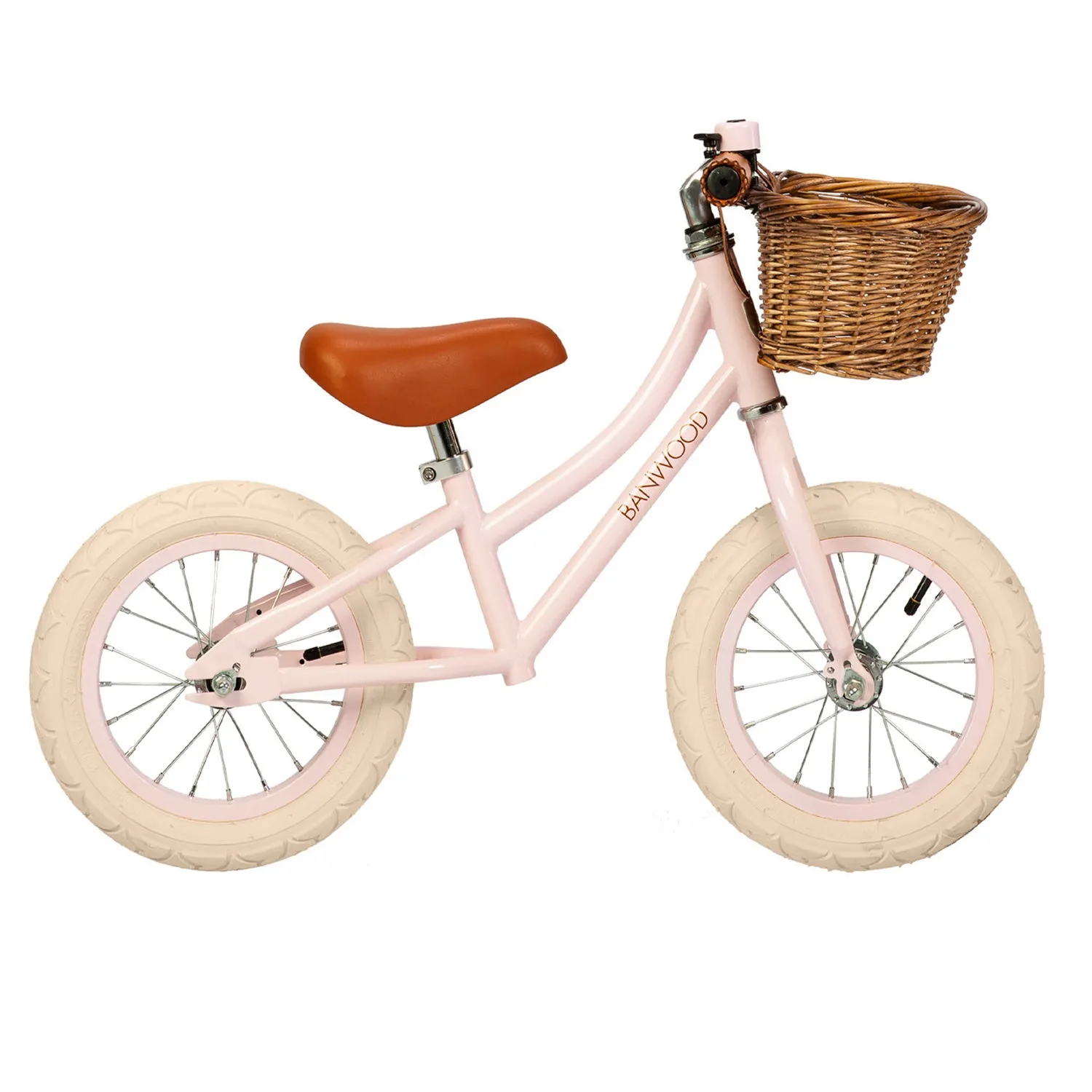
BANWOOD BALANCE BIKE FIRST GO VINTAGE - PINK
-
BANWOOD BALANCE BIKE FIRST GO VINTAGE - TEAL: Weighs only 3 kg with an adjustable saddle from 33-43 cm, designed for ages 2-5. The light weight and adjustable height mean the bike fits a growing child over several years, giving you more value from the purchase.
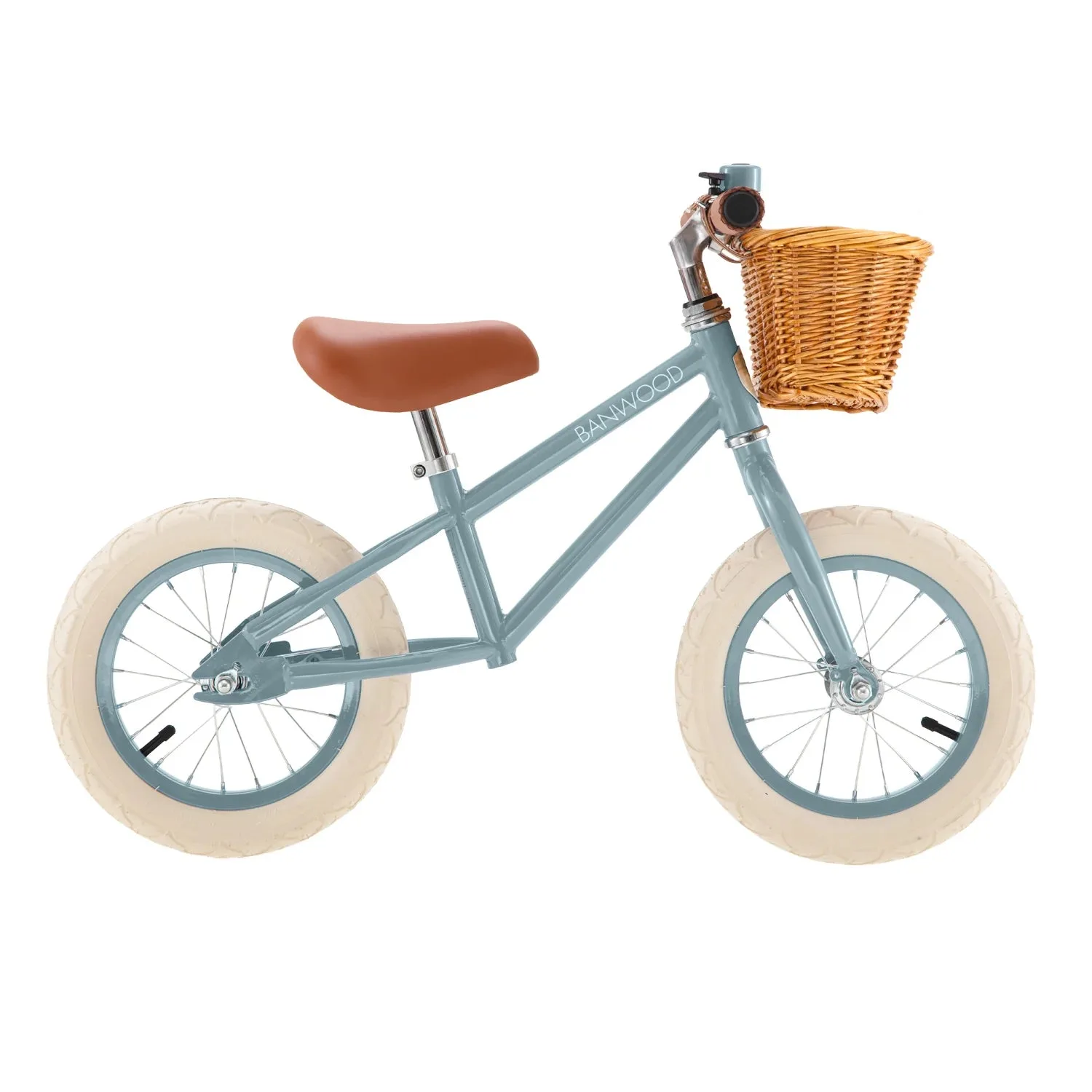
BANWOOD BALANCE BIKE FIRST GO VINTAGE - TEAL
Who Should Choose This Approach
Best For
- Children aged 18 months to 2 years who walk confidently and show interest in riding
- Parents who want a single bike that grows with their child for 2-3 years
Not For
- Children under 18 months who are still unsteady on their feet
- Parents expecting a bike that converts to pedals (balance bikes are standalone)