Quick answer
Replace a kitchen sponge when it smells sour even after cleaning, stays damp for hours, or has visible dark spots or crumbling edges. Otherwise, clean it every few days and swap it on a regular schedule.
Why a sponge starts to smell
A kitchen sponge stays wet, collects food particles, and sits near the sink, which makes it a comfortable place for odor-causing bacteria. The smell is usually a sign that food residue and moisture are building up faster than you are removing them. That is why a smelly sponge fix starts with drying and cleaning habits, not just a quick rinse.
A sponge that smells faintly after a day of heavy use may only need a thorough clean and a dry spot. A sponge that still smells after cleaning and drying has moved into replacement territory.
The schedule is a backup, not the only rule
How often you change a sink sponge depends on use. A household that cooks daily and wipes raw meat juices will need to replace sponges more often than a household that mostly rinses cups. Treat a weekly or biweekly replacement schedule as a fallback, and let the diagnosis below override it when the sponge shows clear signs of decline.
When cleaning is enough and when it is not
Cleaning buys time, but it does not make a worn sponge new again. If the sponge is intact and only lightly used, a proper clean and thorough dry can extend its life. If the sponge is frayed, permanently discolored, or smells again within a day of cleaning, stop trying to rescue it and replace it.
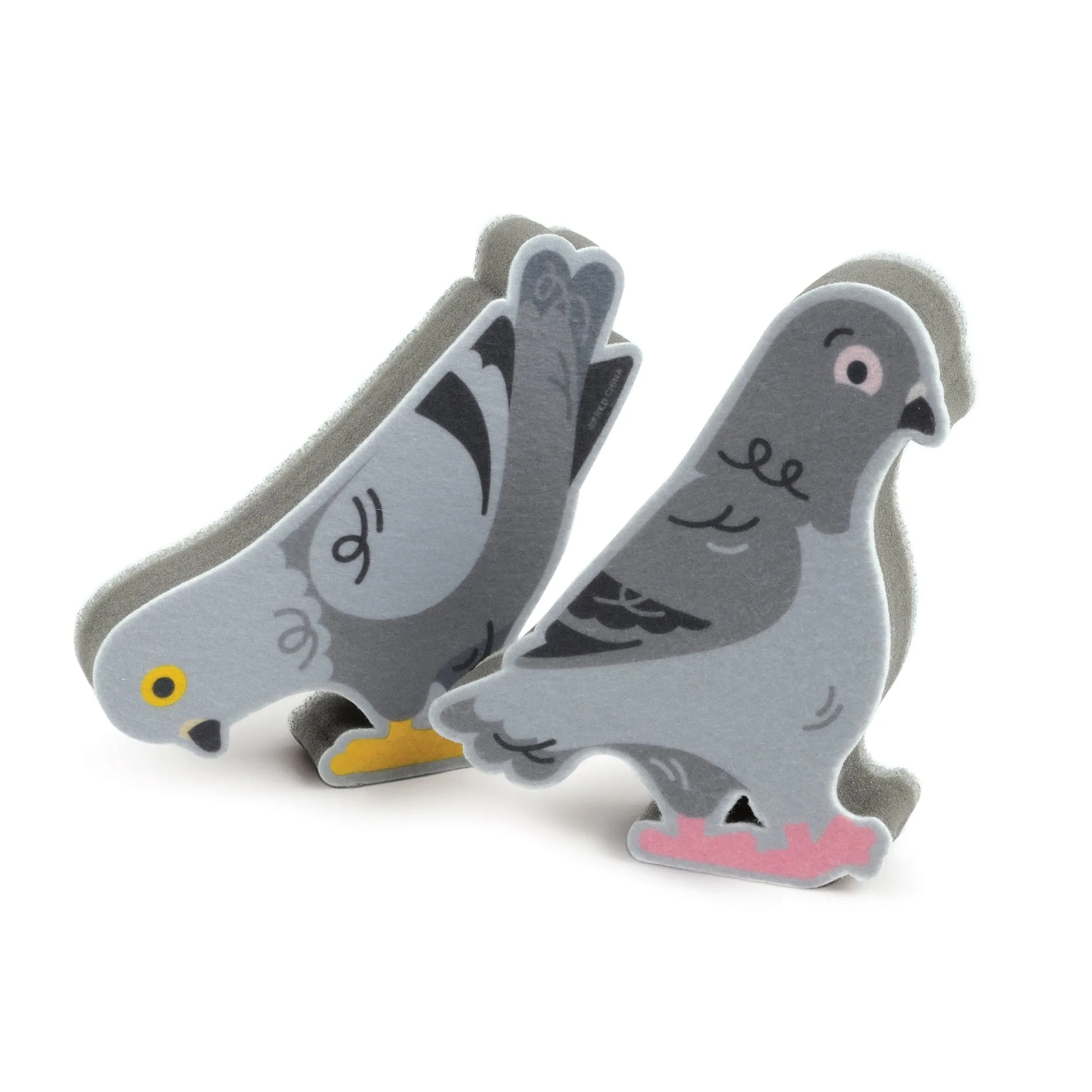
If you want a fresh sponge on hand for the swap, DOLLY SINK SIGN SPONGES come as a two-pack, so you can rotate one into service while the other dries.
Symptom, cause, action, and stop point
- Faint sour smell after a normal day: Likely cause: food residue and moisture trapped in the sponge. Action: rinse thoroughly, clean the sponge, and let it dry completely in a ventilated spot before using it again. If the smell returns within a day of drying, move to the next check.
- Smell persists after cleaning and drying: Likely cause: odor-causing bacteria have settled deeper into the sponge and cleaning is no longer enough. Action: replace the sponge now rather than trying another round of cleaning. This is the point to stop cleaning and choose a replacement.
- Sponge stays damp for hours: Likely cause: poor airflow at the sink or a sponge that is too dense to dry quickly. Action: move it to a ventilated holder and replace it if it never dries between uses. If dampness continues with a new sponge, change where you store it.
- Visible dark spots, crumbling edges, or fraying: Likely cause: wear and trapped debris that cleaning cannot remove. Action: replace the sponge immediately and inspect the sink area for food buildup. Do not keep a damaged sponge for dishes or counters.
- No symptoms but heavy daily use: Likely cause: normal wear that is not yet visible. Action: replace on a regular schedule, such as weekly or biweekly, and sooner if the sponge is used on raw meat juices. A schedule is your backup when symptoms are not obvious.
Product facts
-
DOLLY SINK SIGN SPONGES: Each sponge measures 4.3" x 3" and is made with three layers. The compact size fits most sink caddies, and the layered build gives you a defined sponge to inspect for wear and replace when it breaks down.
DOLLY SINK SIGN SPONGES