The LifeStraw Go Series bottles are popular for their dual-stage filtration: a hollow fiber membrane removes bacteria and parasites, while a carbon filter improves taste by reducing chlorine, bad odors, and some organic chemicals. Over time, the carbon filter becomes less effective and needs periodic replacement. Knowing when to swap it out and how to do it correctly keeps your water tasting clean and your bottle functioning properly.
In this guide, we’ll cover the telltale signs that your LifeStraw Go carbon filter is due for a change, explain the typical lifespan you can expect, and walk you through the replacement process step by step. Whether you use the LifeStraw Go Series Tumbler 24 oz or another Go bottle, these instructions apply to most models.
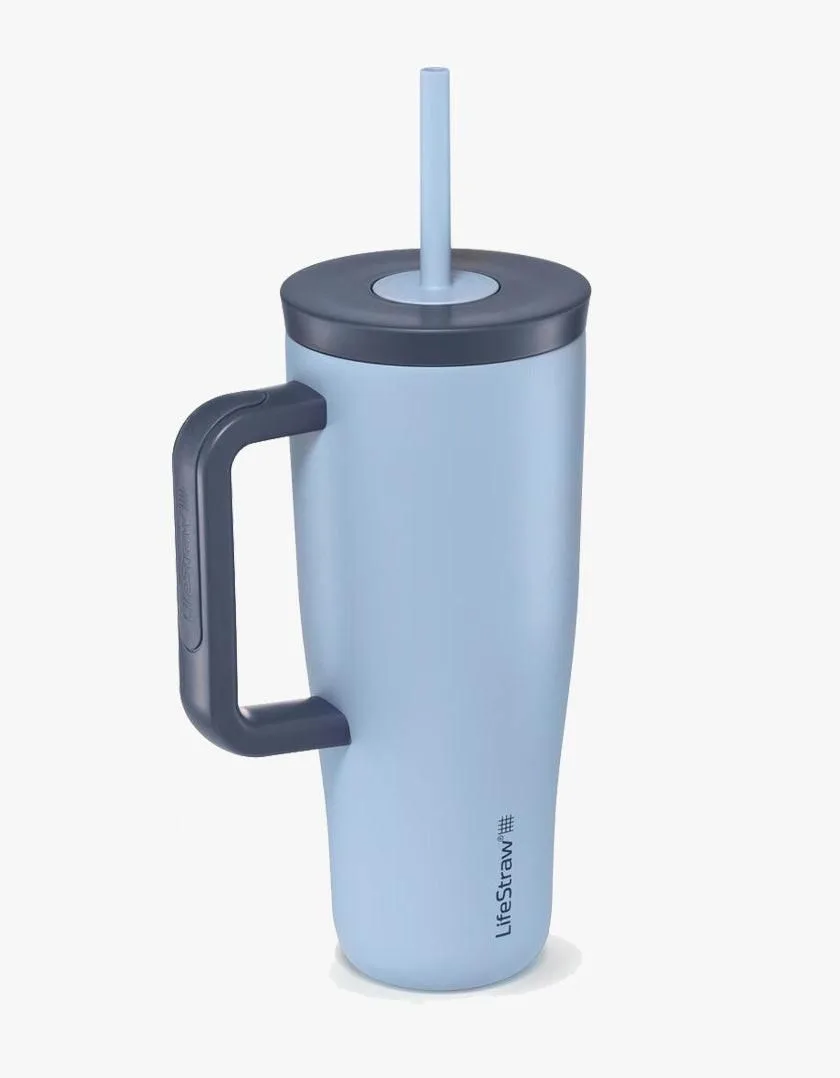
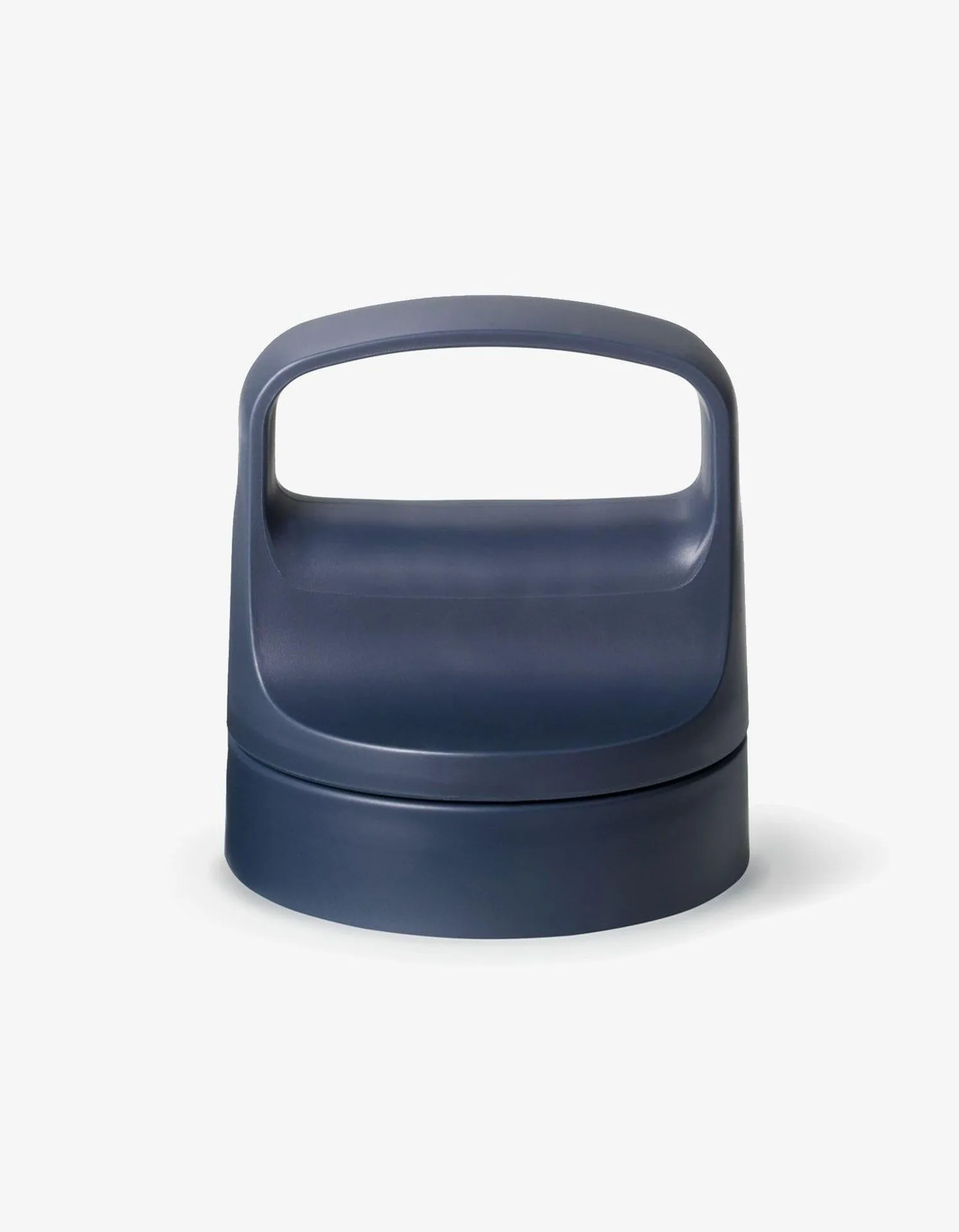
LifeStraw Go Series Tumbler 24 oz
How Long Does the LifeStraw Go Carbon Filter Last?
The carbon filter in LifeStraw Go bottles is designed to treat approximately 26 gallons (100 liters) of water. For most users, this translates to about 2–3 months of regular use, depending on how often you refill your bottle. If you use your Go bottle daily for tap water, you’ll likely reach the filter’s capacity sooner than someone who uses it occasionally. Note that the hollow fiber membrane lasts much longer (up to 264 gallons), so the carbon filter is the component you’ll replace most frequently.
Environmental factors also affect lifespan. If your water source has high chlorine levels or heavy sediment, the carbon filter may clog faster. Similarly, using the bottle with very hot water (above 140°F/60°C) can degrade the carbon. Always use cold or room-temperature water to maximize filter life.
- Average lifespan: 26 gallons (100 liters) or roughly 2–3 months of daily use.
- Carbon filter replacement is separate from the membrane; the membrane lasts much longer.
Signs It’s Time for a LifeStraw Go Carbon Filter Replacement
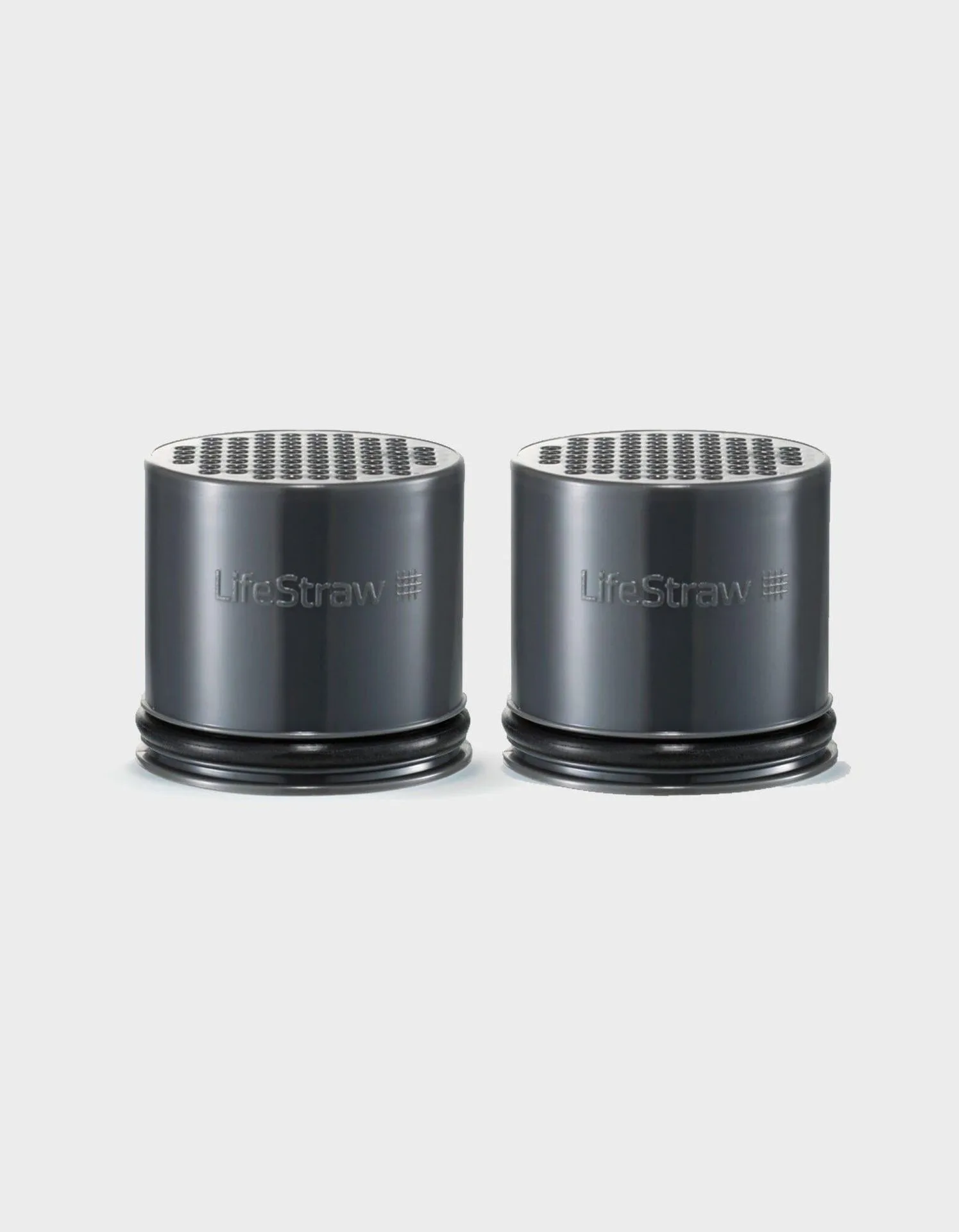
LifeStraw Go Carbon Filter Replacement
The most obvious sign is a change in water taste or odor. If your water starts to taste flat, metallic, or has a chlorine smell, the carbon is likely exhausted. Another clue is a noticeably slower flow rate. While the membrane can also slow down if clogged, a sudden reduction in flow after several weeks of use often points to a spent carbon filter. Some users also notice a slight discoloration of the filter or a musty smell from the bottle itself.
Don’t wait until the water tastes bad—set a reminder to replace the carbon filter every 2–3 months, or after filtering 26 gallons. If you use your LifeStraw Go Series bottle for hiking or travel with questionable water sources, consider replacing the carbon filter more frequently because organic matter can accelerate saturation.
- Chlorine taste or smell returning in filtered water.
- Noticeably slower sipping or sucking effort.
- Musty or off odor from the bottle or mouthpiece.
Step-by-Step LifeStraw Go Series Filter Change Instructions
Before starting, make sure you have a genuine LifeStraw Go carbon filter replacement. The process is similar across Go models, including the LifeStraw Go Series Tumbler 24 oz and the standard Go bottle. First, remove the mouthpiece cover (if present) and unscrew the mouthpiece from the bottle cap. Pull the old carbon filter out of the mouthpiece assembly—it should slide out easily. Discard the used filter according to local waste guidelines.
Take the new carbon filter and push it firmly into the mouthpiece until it seats completely. Reattach the mouthpiece to the cap, then screw the cap back onto the bottle. To prime the new filter, fill the bottle with clean tap water, screw on the cap, and drink through the straw until water flows freely. You may notice a slight initial taste from the new carbon; this is normal and will disappear after a few sips. Your LifeStraw Go is now ready for use.
- Always use a genuine LifeStraw replacement carbon filter for proper fit and performance.
- Prime the new filter by drinking a full bottle of water before regular use.
Maintenance Tips to Extend Carbon Filter Life
While the carbon filter has a fixed capacity, you can avoid premature clogging by rinsing the hollow fiber membrane occasionally. Backflush the membrane by blowing air through the mouthpiece or using the included cleaning syringe (if available). This removes trapped particles that might otherwise block flow and strain the carbon. Also, keep your bottle clean—wash the mouthpiece and cap with mild soap and water weekly, and avoid storing the bottle with standing water for extended periods.
If you use your LifeStraw Go Series bottle in dusty or sandy environments, consider attaching a protective cap or storing the mouthpiece in a clean pouch. The https://outdoorvault.store/products/lifestraw-peak-series-straw-and-carry-case-bundle-63353LifeStraw Peak Series Straw and Carry Case Bundle includes a carry case that can double as protection, but for Go bottles, a simple ziplock bag works to keep debris out. Proper storage between uses helps both the carbon filter and membrane last their full rated life.
- Rinse the membrane regularly to prevent flow slowdowns that stress the carbon filter.
- Store your bottle with the mouthpiece covered to avoid dust and grit entering the filter.
Replacing the LifeStraw Go carbon filter every 2–3 months (or after 26 gallons) ensures your water stays fresh and free of chlorine taste. Watch for slower flow or off flavors as your cue to swap it out, and follow the simple steps above to get back to clean, great-tasting hydration. For longer trips, consider pairing your Go bottle with a replacement filter pack so you’re never caught without a fresh carbon filter.