Why the valve is the first part to suspect when suction drops
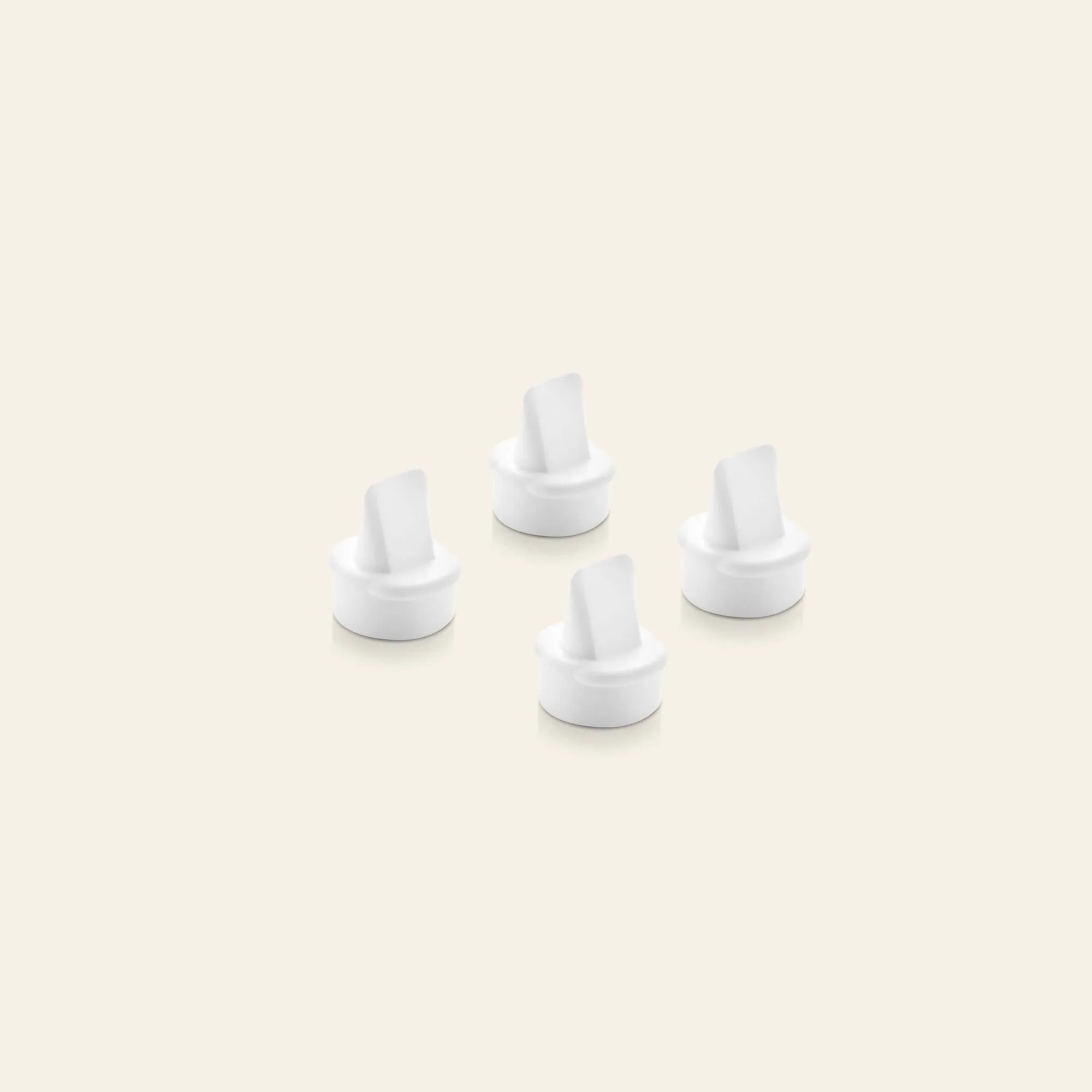
If your Thrive 2-in-1 or PowerPump suddenly feels weaker, the valve is a sensible first check. It is a small, moving part that sits in the pump path and can wear over time. The supplied product information for the Thrive 2-in-1 Breast Pump Valve describes it as a spare set of parts to have on hand when you are pumping away from home and need an extra set of clean parts, or to replace parts that wear over time. That makes it a practical part to keep in your pumping bag rather than waiting for a session to go wrong.
Breast pump valve wear signs to watch for
The supplied information does not list specific visual or performance symptoms for this valve. Use these practical checkpoints to decide when to swap in a fresh valve, and treat them as general maintenance prompts rather than a manufacturer troubleshooting chart.
- Suction feels weaker than usual: If you notice a drop in suction during a session, inspect the valve before assuming the pump motor is the problem. A worn valve is one possible cause, but the supplied information does not confirm that weak suction is always valve-related.
- The valve looks stretched, torn, or misshapen: Compare it with a new valve from your spare set. Visible distortion or damage is a clear reason to replace it.
- You cannot get a clean, dry valve before pumping: The product is described as useful when you need an extra set of clean parts away from home. If your only valve is not clean and dry, a spare solves the immediate problem.
- You have been using the same valve for a long time: The supplied information says to keep a spare on hand to replace parts that wear over time, but it does not give a replacement interval. Use condition and suction performance as your guide rather than a fixed calendar.
What the Thrive 2-in-1 valve is designed for
-
Thrive 2-in-1 Breast Pump Valve for PowerPump & Wearable Pump: A spare set of parts when you need them, great to have on hand when pumping away from home and you need an extra set of clean parts. A clean spare valve lets you keep pumping when your only valve is dirty or unavailable, without interrupting your session.

Thrive 2-in-1 Breast Pump Valve for PowerPump & Wearable Pump
-
Thrive 2-in-1 Breast Pump Valve for PowerPump & Wearable Pump: Keep it on hand to replace parts that wear over time. This confirms the valve is a wear part, so replacing it is expected maintenance rather than a sign your pump is broken.
-
Thrive 2-in-1 Breast Pump Valve for PowerPump & Wearable Pump: The valve is available in one size. There is no sizing decision to make for this part, which simplifies keeping a spare.
How to decide whether to replace the valve today
Use this short check before you blame the pump or change your routine. It focuses on what you can observe with the valve in hand.
- Inspect the valve: Look for tears, stretching, or anything that looks different from a new valve. If you see damage, replace it.
- Check cleanliness: Make sure the valve is clean and dry before use. If you are away from home and cannot clean it properly, switch to a spare clean valve.
- Compare suction with a fresh valve: If you have a spare, try a session with the new valve and see whether suction feels closer to normal. The supplied information does not guarantee this will fix every suction issue, but it is a low-cost check.
- Keep a spare in your pump bag: The product is explicitly described as useful for pumping away from home. Storing a spare valve with your pump means a worn or dirty valve does not derail your plans.
What the supplied information does not tell you
The supplied product record does not include a recommended replacement schedule, cleaning instructions, or a list of every possible symptom of a worn valve. It also does not confirm that this valve fits every Lansinoh pump model. The product name references PowerPump and Wearable Pump, but compatibility beyond that is not confirmed in the supplied information. If your pump model is not named, check your pump documentation or the retailer's product page before buying. This article does not replace your pump's manual or your healthcare provider's advice.