Why Eye Protection Matters in Childcare and School Settings
In a busy nursery or school, staff and sometimes children are exposed to tasks where a splash, dust, or chemical could irritate the eyes. Knowing when to wear safety goggles helps prevent minor injuries and keeps everyone safer. This guide explains the situations where general purpose safety goggles are a practical choice, and what to consider when selecting them.
Cleaning and Maintenance Tasks
Oven cleaning, using bleach-based sprays, or handling disinfectants in a nursery kitchen or classroom are common tasks that can send splashes toward the face. Safety goggles designed for tasks such as oven cleaning provide a simple barrier. They fit over everyday glasses for staff who wear prescription lenses, and they are easy to wipe down after use.
A Practical Option for General Purpose Eye Protection
-
General Purpose Safety Goggles (1 Pair): General Purpose Safety Goggles, supplied as one pair. These goggles are intended to be worn during tasks such as oven cleaning, where eye protection is useful. This confirms the goggles are suited for cleaning and similar tasks in a nursery or school, not for high-impact or chemical lab work.
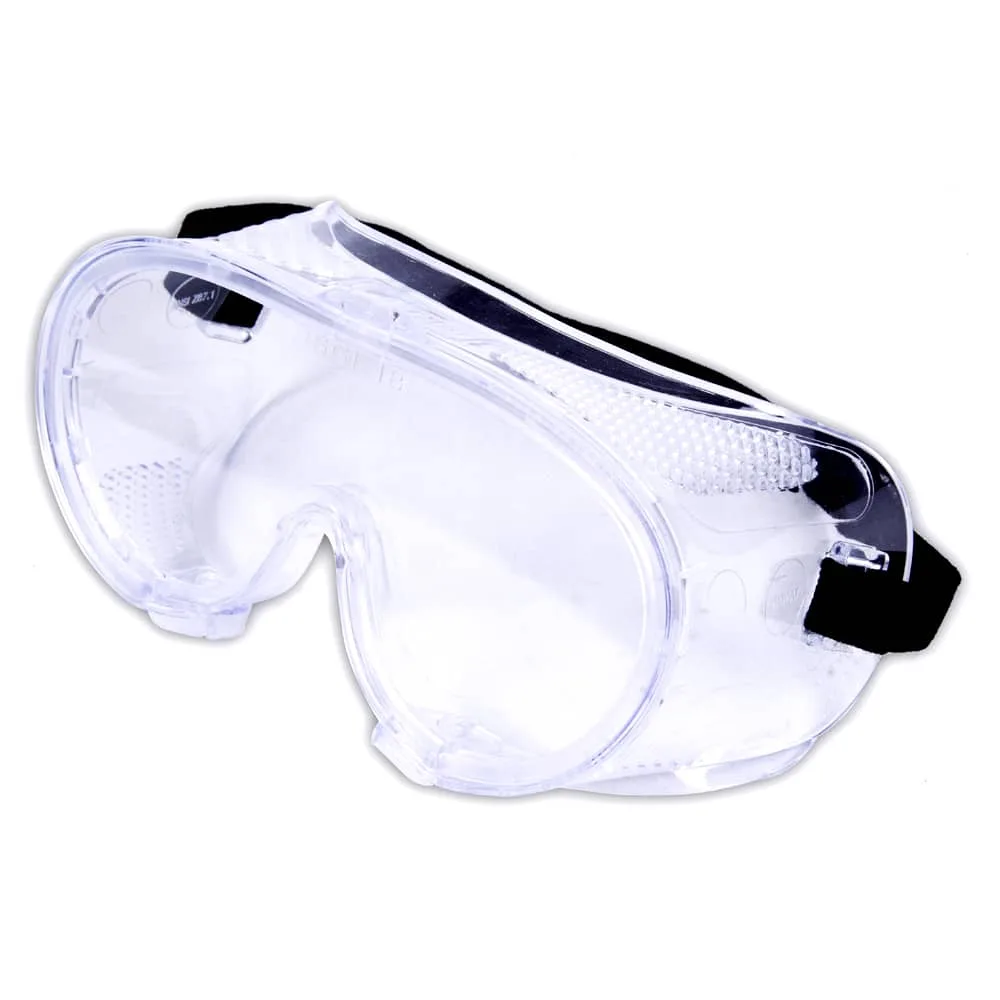
General Purpose Safety Goggles (1 Pair)
Science Experiments and Art Activities
When children mix vinegar and baking soda, use food colouring, or handle any liquid that could splash, eye protection is wise. Staff supervising these activities can wear goggles themselves and, depending on the age group, provide child-sized goggles (these general purpose goggles are designed for adult faces). The goggles are a standard option, meaning they are a basic, no-frills choice for occasional use.
Outdoor and Gardening Work
Trimming plants, spreading compost, or using a leaf blower near a sandpit can send debris into the air. Safety goggles shield the eyes from dust, soil particles, and plant matter. They are lightweight and can be stored in a classroom first aid kit or a staff cupboard so they are always accessible.
What the Supplied Information Does Not Confirm
The product record does not specify impact resistance, UV protection, anti-fog coating, or compliance with any particular safety standard. For tasks involving flying particles, chemical splashes from strong acids or alkalis, or high-velocity impacts, a more specialised goggle with a known standard (such as EN 166 or ANSI Z87.1) would be needed. Always assess the specific hazard before choosing eye protection.