Protein is the building block of muscle, and choosing the right source can make a big difference in your results. For many, the debate comes down to whey protein vs plant protein. Both can help you hit your daily protein goals, but they differ in digestion, amino acid profile, and how they fit into your lifestyle.
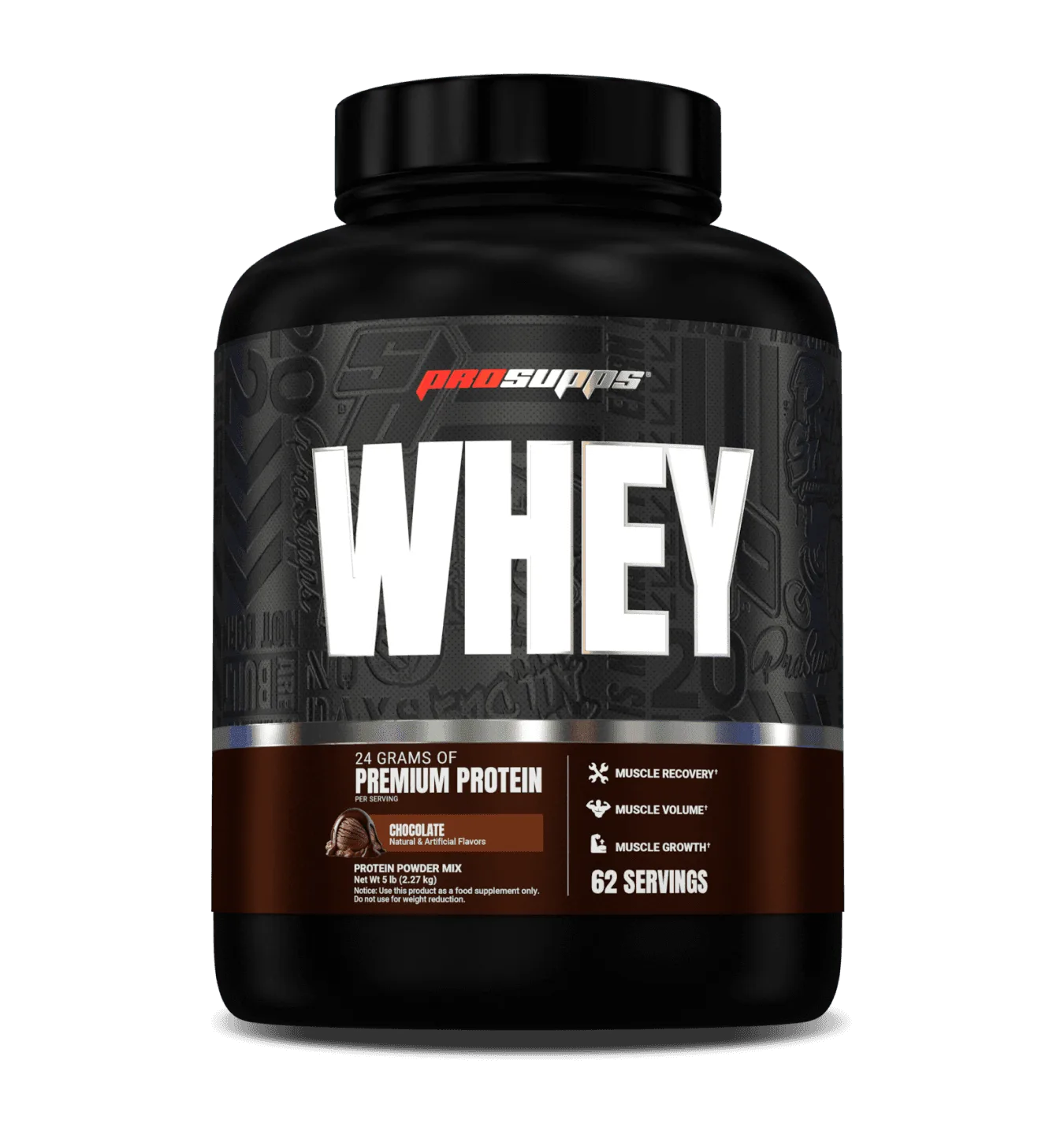
whey protein
Whether you're a seasoned lifter or just starting your fitness journey, understanding these differences is key. In this article, we'll break down the pros and cons of each, so you can make an informed choice that aligns with your training, dietary preferences, and budget.
What Is Whey Protein?
Whey protein is a byproduct of cheese production. It's a complete protein, meaning it contains all nine essential amino acids your body can't make on its own. Whey is particularly rich in branched-chain amino acids (BCAAs), especially leucine, which plays a crucial role in muscle protein synthesis.
Whey is digested quickly, making it an excellent choice for post-workout recovery. It's also versatile, available in many flavors, and often mixes easily. For those who can tolerate dairy, whey is a convenient and effective way to boost protein intake.
- Complete protein with all essential amino acids
- High in BCAAs, especially leucine
- Fast-digesting, ideal for post-workout
- May cause bloating or digestive issues for lactose-intolerant individuals
What Is Plant Protein?
Plant protein is derived from sources like peas, rice, hemp, and soy. Many plant proteins are blends, combining different sources to create a complete amino acid profile. For example, pea and rice protein complement each other to provide all essential amino acids.
Plant proteins are often easier on the stomach for those with dairy sensitivities. They're also a great choice for vegans and vegetarians. While some plant proteins may be lower in certain amino acids, quality blends can rival whey in effectiveness.
- Suitable for vegans and those with dairy allergies
- Often easier to digest for some people
- May be lower in leucine compared to whey
- Blends can provide a complete amino acid profile
Digestion and Absorption: Which Is Easier?
Whey protein is rapidly absorbed, which is great for muscle recovery but can cause discomfort for those with lactose intolerance. If you're sensitive to dairy, you might experience bloating, gas, or stomach cramps. In contrast, plant proteins are naturally lactose-free and often contain fiber, which can aid digestion.
However, plant proteins may be digested more slowly, which isn't necessarily a bad thing. A slower release of amino acids can provide a steady supply to muscles over time. The best choice depends on your digestive tolerance and how your body responds.
If you're unsure, you might start with a small serving to see how you feel. Products like Isolate Protein offer a high-quality whey isolate that's lower in lactose, while plant-based options can be gentler on the stomach.
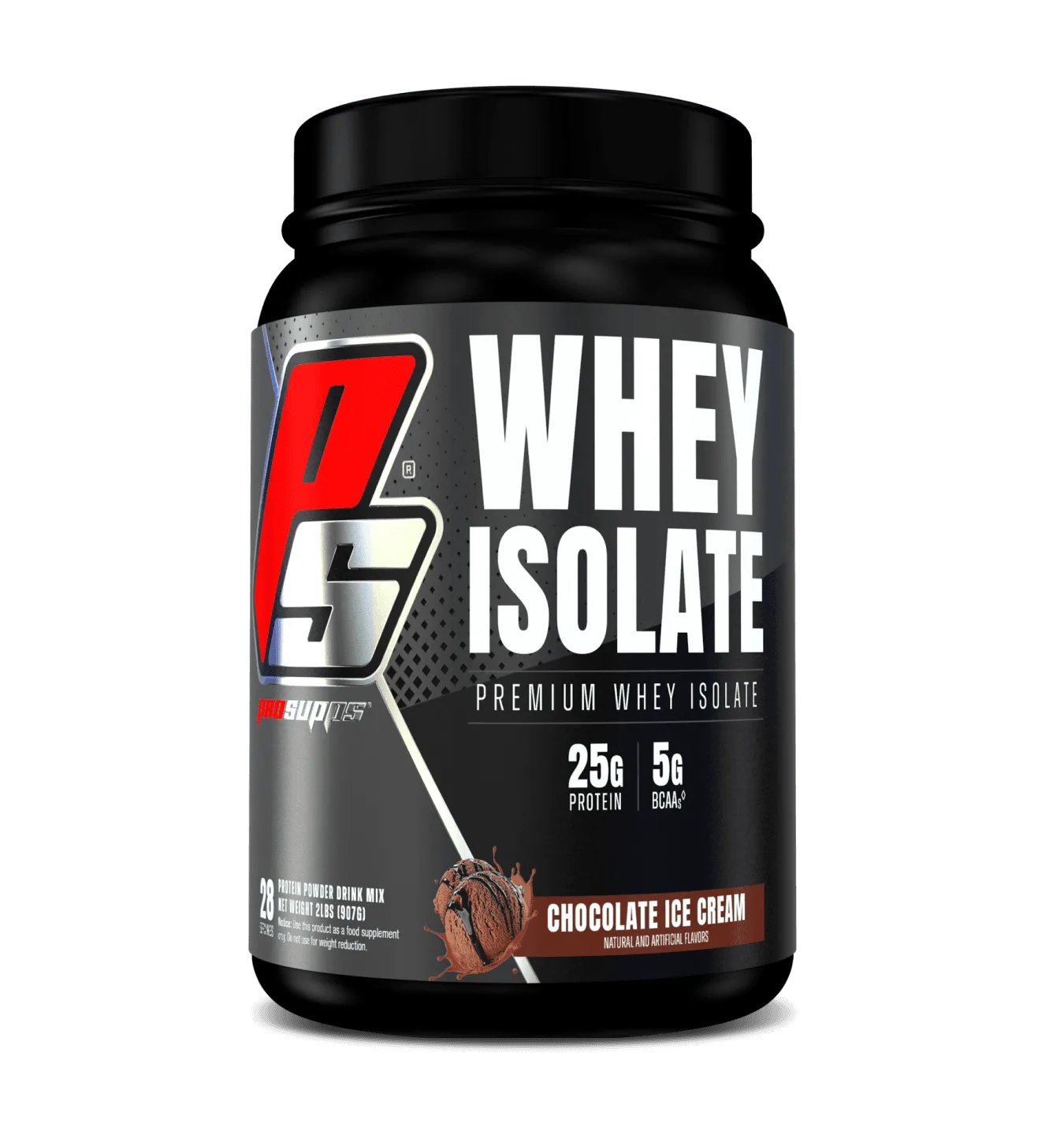
Isolate Protein
Muscle Building: Which Is More Effective?
When it comes to building muscle, whey protein has traditionally been the gold standard due to its high leucine content and rapid absorption. Leucine triggers muscle protein synthesis, and whey delivers it efficiently. Studies show that whey can enhance muscle growth when combined with resistance training.
Plant proteins, especially blends, can also support muscle building, but they may require a slightly higher dose to match whey's leucine content. For example, pea protein is rich in arginine and lysine, while rice protein is high in methionine and cysteine. Together, they form a complete profile.
Ultimately, the difference in muscle gains between whey and plant protein is minimal if you consume enough total protein. What matters most is hitting your daily protein target and training consistently. Both options can help you reach your goals.
Nutritional Profile and Added Benefits
Whey protein is low in fat and carbohydrates, making it a lean protein source. It also contains immunoglobulins and lactoferrin, which may support immune health. However, some whey products contain added sugars and artificial flavors, so it's important to read labels.
Plant proteins often come with extra nutrients like fiber, antioxidants, and healthy fats. For instance, hemp protein is rich in omega-3 fatty acids, while pea protein is a good source of iron. These added benefits can support overall health, not just muscle growth.
When choosing a protein powder, consider your overall diet. If you need a simple, low-carb option, whey isolate might be ideal. If you prefer whole-food nutrients, a plant-based blend could be more beneficial.
Taste, Mixability, and Convenience
Taste is subjective, but many people find whey protein to be creamier and more palatable, especially in flavors like chocolate and vanilla. It also mixes well with water or milk, creating a smooth shake. Plant proteins can sometimes have a grittier texture and a more earthy taste, though modern formulations have improved significantly.
Convenience is another factor. Whey protein typically dissolves easily, making it a quick post-workout option. Plant proteins may require more shaking or blending to achieve a smooth consistency. However, many brands now offer plant-based powders that mix just as well.
If you're on the go, you might prefer a pre-mixed option or a stick pack for easy portability. Both whey and plant protein are available in various formats, so you can find one that fits your lifestyle.
Dietary Fit and Ethical Considerations
Your dietary preferences play a major role in this decision. If you're lactose intolerant, vegan, or following a plant-based diet, plant protein is the clear choice. It allows you to meet your protein needs without compromising your values or causing digestive distress.
On the other hand, if you don't have dairy issues and prefer a traditional approach, whey protein is a reliable and effective option. Some people also choose whey for its superior taste and mixability.
Ethical and environmental considerations are also worth noting. Plant proteins generally have a lower environmental impact than dairy-based proteins. If sustainability is important to you, plant-based options may align better with your values.
How to Choose the Right Protein for You
Start by assessing your dietary needs and preferences. If you're vegan or lactose intolerant, plant protein is the way to go. If you want a fast-digesting, high-leucine option, whey is a solid choice.
Consider your budget, as plant proteins can sometimes be more expensive, though prices vary. Also, think about how you'll use it: post-workout, meal replacement, or snack. For post-workout, whey's rapid absorption is beneficial, but a plant-based blend can also work if you consume enough.
You might also want to try both to see which one you enjoy and feel best on. Many brands offer trial packs that let you sample different products without committing to a full tub.
- Assess your dietary restrictions and preferences
- Consider your budget and how you'll use the protein
- Try samples to find your preferred taste and texture
Top Picks from ProSupps
At ProSupps, we offer a range of protein options to suit different needs. For a high-quality whey isolate, our Isolate Protein is a great choice. It's low in lactose, high in protein, and mixes smoothly.
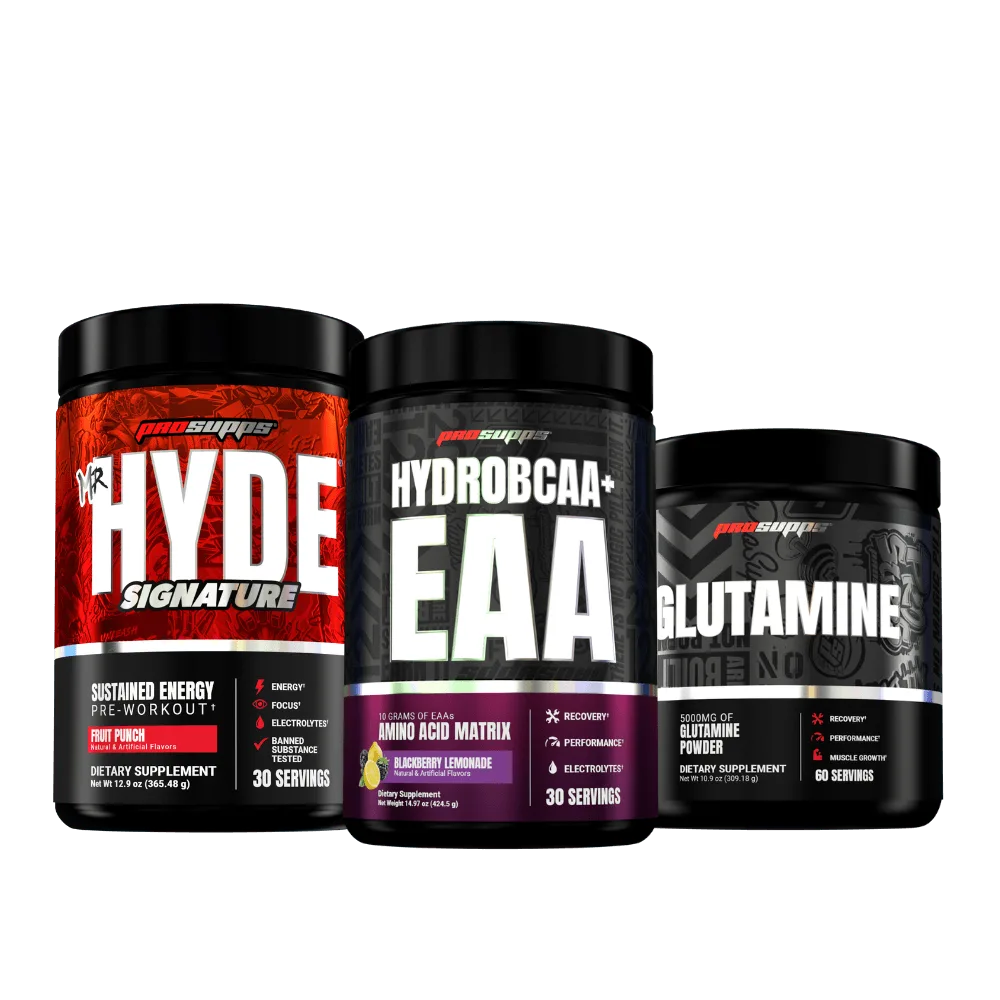
If you're looking for a plant-based option, we also have products that cater to vegan and vegetarian lifestyles. While our current lineup includes both whey and plant-based choices, you can also explore our Starter Stack for a comprehensive approach to supplementation.
Remember, the best protein is the one you'll consistently consume. Whether you choose whey or plant protein, the key is to meet your daily protein needs to support muscle growth and recovery.
In the whey vs plant protein debate, there's no one-size-fits-all answer. Both can help you build muscle, recover faster, and meet your protein goals. Consider your digestion, dietary preferences, and lifestyle to make the best choice for you. Explore our range of protein powders to find the perfect fit for your fitness journey.