What the Names Actually Mean
When you see "White Oak Poly" and "White Oak Plywood Poly" in the same catalog, it is easy to assume they are different products. In reality, the two names describe the same material: a rift sawn White Oak plywood with a soy-based matte polyurethane topcoat. The catalog uses "White Oak Plywood - Poly" as the formal product name, while shorter labels like "White Oak Poly" appear in broader discussions. There is no second finish, no alternative construction, and no separate polyurethane version.
This article clarifies the single product behind the two labels so you can make a confident choice for your pendant light material or wood shade comparison.
What the Catalog Confirms
-
White Oak Plywood - Poly: Rift sawn White Oak plywood with a soy based matte polyurethane topcoat. This is the full specification. The wood is plywood, not solid lumber, and the finish is a matte polyurethane, not oil or wax. Knowing this helps you decide if the material suits your lighting project.
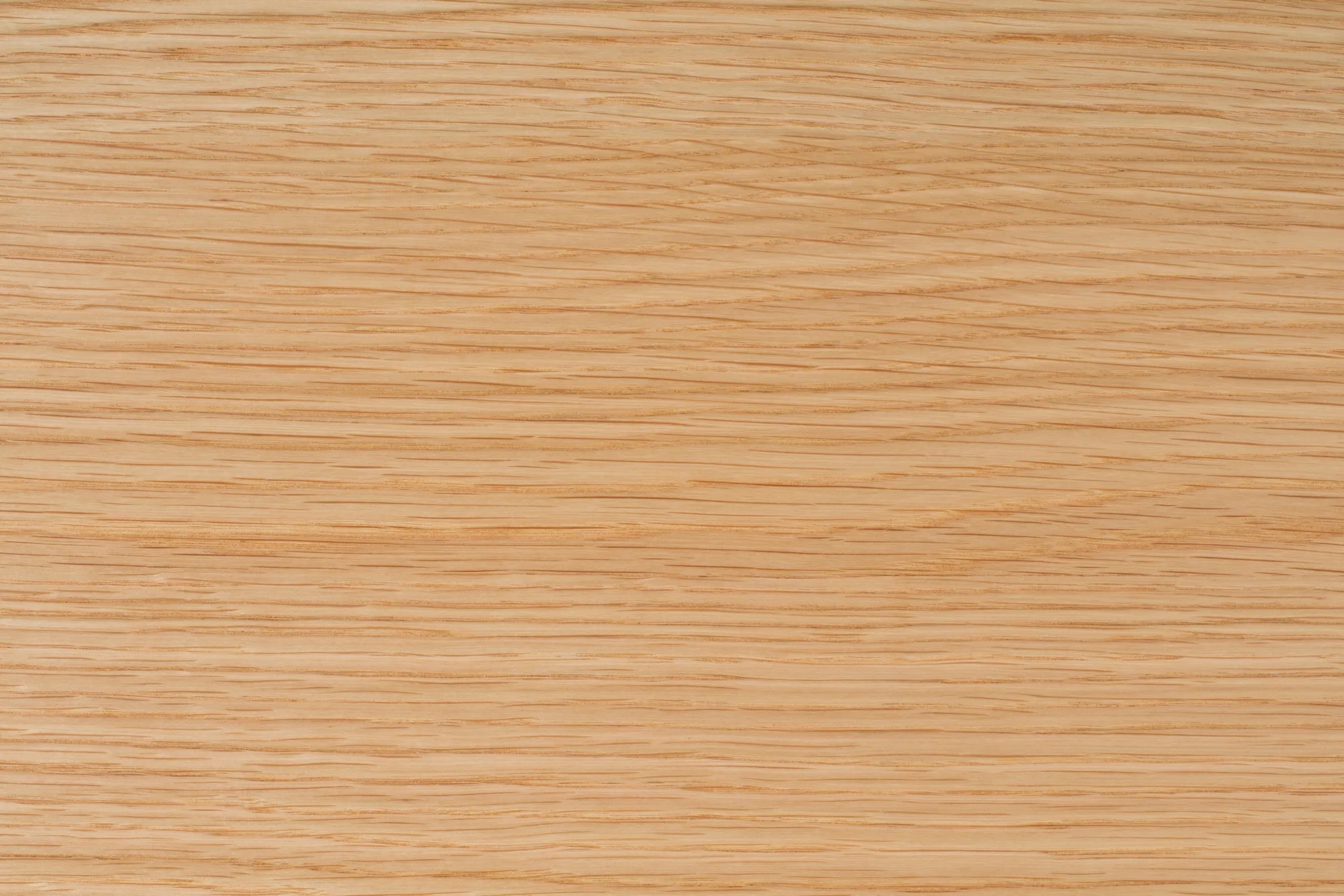
White Oak Plywood - Poly
-
White Oak Plywood - Poly: As a natural material some color and grain variations are to be expected. No two pieces will look identical. If you need a perfectly uniform wood shade across multiple fixtures, this may not be the right choice.
-
White Oak Plywood - Poly: Our material tokens ship every Wednesday for all orders paid by Tuesday midnight PST. You can order a sample token to see the actual grain and color before committing to a full fixture.
The Only Real Difference: Context
The difference between "White Oak Poly" and "White Oak Plywood Poly" is not in the product itself but in how the store refers to it. The formal listing says "White Oak Plywood - Poly" to emphasize the plywood substrate and the polyurethane topcoat. In shorter product descriptions or category filters, the same item may be called "White Oak Poly" for brevity.
If you are comparing wood lighting finishes, the key point is that this is a single option: a plywood core with a sealed matte poly finish. It is not a choice between a poly finish and something else, nor between plywood and solid wood. The comparison is really between this product and other distinct materials such as oiled white oak, painted metal, or ceramic shades.
What This Means for Your Pendant Light Decision
When you see both terms used on the same site, treat them as the same material. Your decision is whether this specific combination of rift sawn white oak plywood and matte polyurethane works for your space. Consider the expected grain variation, the matte sheen, and the fact that it is plywood rather than solid wood.
If you are still unsure, order a material token. Seeing the actual finish in your room's light is more reliable than any description. The token ships weekly, and it gives you a direct comparison with other finishes you may be considering.