Quick answer
Use white pepper when you want heat without black flecks in pale sauces, soups, or mashed potatoes. Choose black pepper when you want a floral, citrusy bite and visible seasoning on the plate. White pepper is hotter, less subtle, and mildly fermented compared to black pepper.
How white and black pepper actually differ
Both come from the same pepper plant, but white pepper is the seed with the dark skin of the fruit removed. That removal changes the flavor: white pepper tastes hotter, less subtle, and mildly fermented compared to black pepper. Black pepper keeps its skin, so it carries more of the floral, citrusy notes many cooks associate with freshly ground pepper.
White pepper's sharper heat is why it works well in light-colored dishes where black specks would look out of place. It is also why you should add it earlier and taste as you go—its heat can build quickly in a reduced sauce.
When to use white pepper in cooking
Reach for white pepper in cream sauces, béchamel, potato soup, and mashed potatoes where you want seasoning without visible dark flecks. It also fits light broths, white fish dishes, and Asian-style stir-fries where a clean, sharp heat is welcome.
If you are using whole white peppercorns, grind them fresh just before adding. Pre-ground white pepper loses its punch faster, and the difference is noticeable in a delicate sauce.
When black pepper is the better choice
Black pepper shines as a finishing spice. Its floral, citrusy bite and visible coarseness make it the default for steaks, roasted vegetables, salads, and eggs. It also holds up better in long-cooked dishes where you want the pepper to mellow into the background rather than dominate.
Keep a grinder of black pepper at the table and a small dish of ground white pepper near the stove. That way you can season a white sauce without specks and still finish a steak with a crack of black pepper.
How to grind whole white peppercorns
Whole white peppercorns are harder and denser than black ones, so a burr grinder or a sturdy pepper mill works better than a blade grinder. Set it to a fine grind for sauces and soups, or a medium grind for rubs and marinades.
If you only have a blade grinder, pulse in short bursts and sift out any large pieces. For maximum aroma, grind only what you need for the dish—ground white pepper fades quickly.
Buying tips for white peppercorns
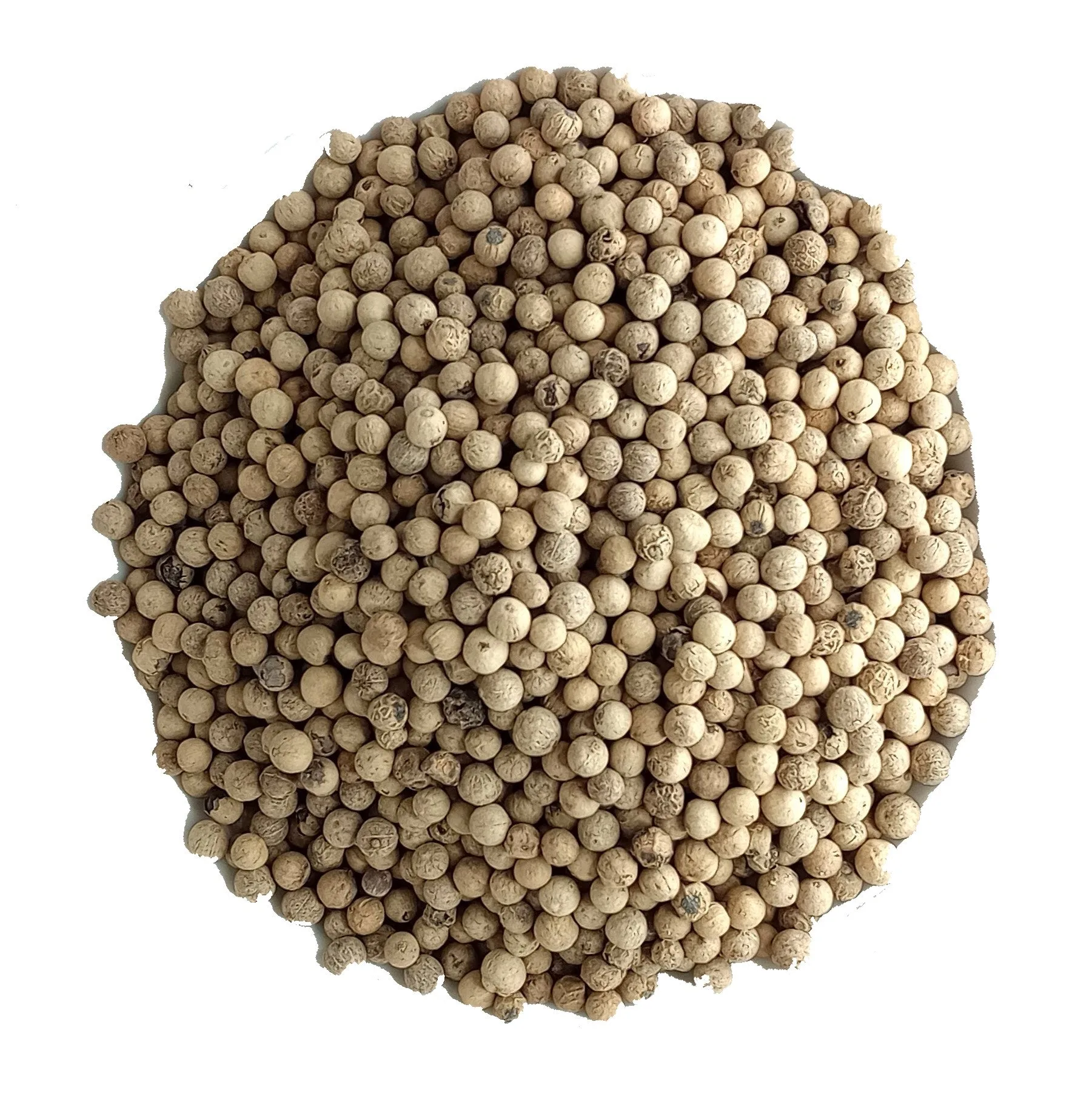
Look for whole white peppercorns that are uniform in size and pale cream to light tan in color. Avoid ones with dark patches, which can mean the outer skin was not fully removed. Whole peppercorns keep their flavor longer than pre-ground, so buy in small amounts and store them in an airtight jar away from light and heat.
Since white pepper is hotter and less subtle, a little goes a long way. Start with a quarter of what you would use for black pepper and adjust upward.
Trade-offs at a glance
- Flavor intensity: White pepper is hotter and less subtle than black pepper, with a mildly fermented note. Black pepper has a more floral, citrusy bite. Use white pepper when you want heat that blends in; use black pepper when you want a bright finish.
- Appearance in dishes: White pepper disappears into pale sauces and soups. Black pepper adds visible dark specks. For cream sauces and mashed potatoes, white pepper keeps the look clean.
- Grinding and storage: Whole white peppercorns are dense and grind best in a burr mill. Pre-ground white pepper loses aroma quickly. Buy whole and grind fresh for the best flavor.
Products in this comparison
- Peppercorns Whole 100% Natural White Pepper Corns - CLEARANCE!: White pepper is the seed of the pepper plant, with the dark skin of the fruit removed. It is hotter, less subtle and mildly fermented compared to black pepper and can be used whole or ground. This makes whole white peppercorns a good fit for light-colored sauces and dishes where you want heat without black flecks.
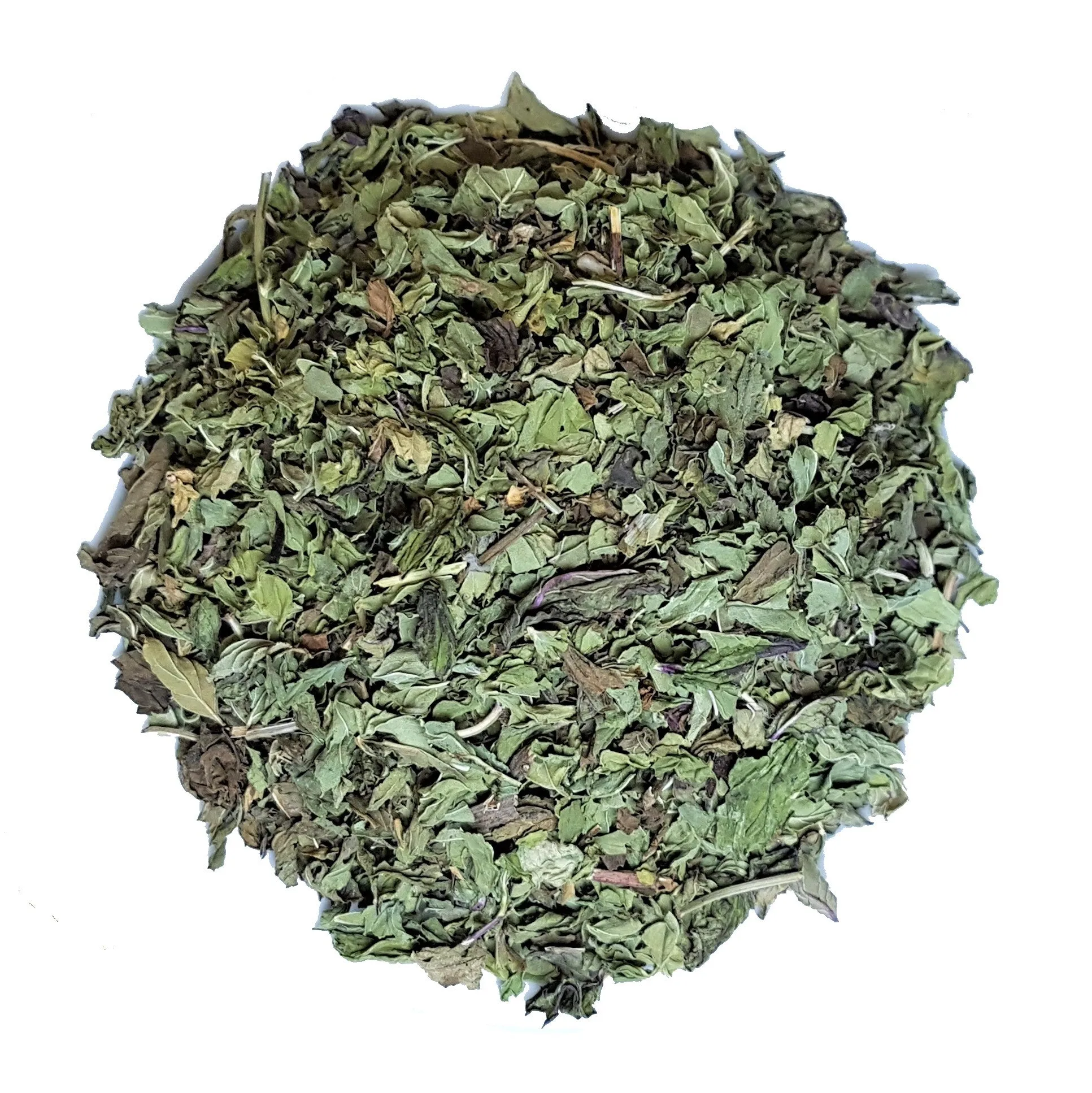
- Organic Peppermint and Spearmint Tea - 100% PREMIUM TEAS BLEND: Peppermint and spearmint teas have traditionally been used to help with digestive issues and to freshen the breath. If you enjoy peppery, warming spices, a caffeine-free mint tea can be a soothing way to finish a meal.
Which should you choose?
Best for
- Cooks making cream sauces, béchamel, or potato soup who want heat without dark specks
- Anyone seasoning light-colored dishes like white fish or cauliflower
- Buyers who want whole peppercorns to grind fresh for maximum aroma
Not for
- Those who prefer the floral, citrusy bite of black pepper at the table
- Recipes where visible coarse pepper is part of the look, like steak au poivre
- Anyone who wants a single pepper for all-purpose finishing