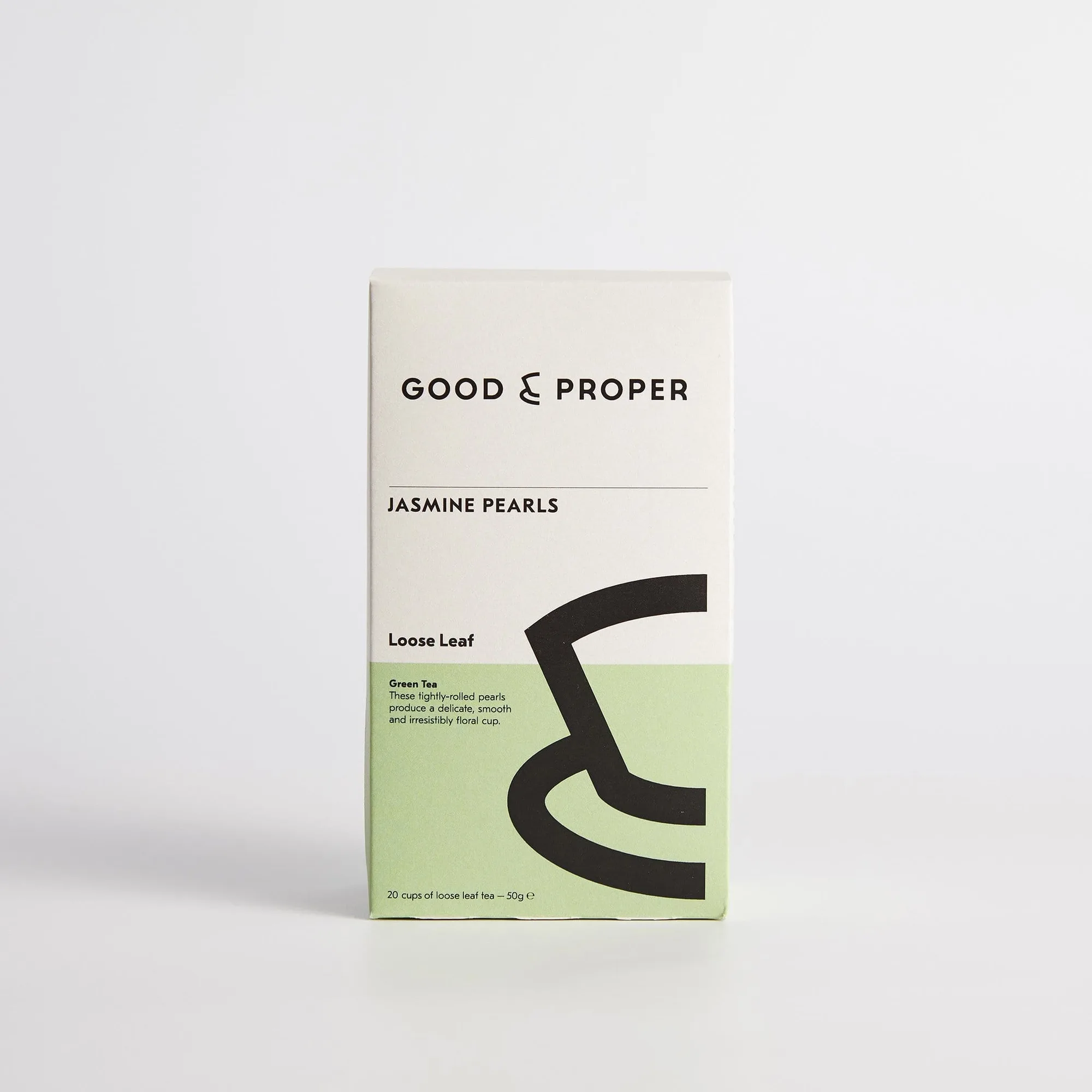
When it comes to choosing a healthy tea, the debate between white tea and green tea often centers on one key question: which has more antioxidants? Both are celebrated for their impressive health benefits, but their processing methods and nutrient profiles differ significantly. In this article, we’ll break down the science behind white tea vs. green tea, compare their antioxidant content, and help you decide which brew deserves a spot in your daily routine.
Whether you’re a seasoned tea enthusiast or just beginning to explore the world of wellness teas, understanding these differences can elevate your tea experience. We’ll also highlight some of our favorite offerings from Good & Proper Tea, including the delicate Lemon Verbena - Loose Leaf and the invigorating House Matcha, to show you how to incorporate these antioxidant-rich teas into your life.
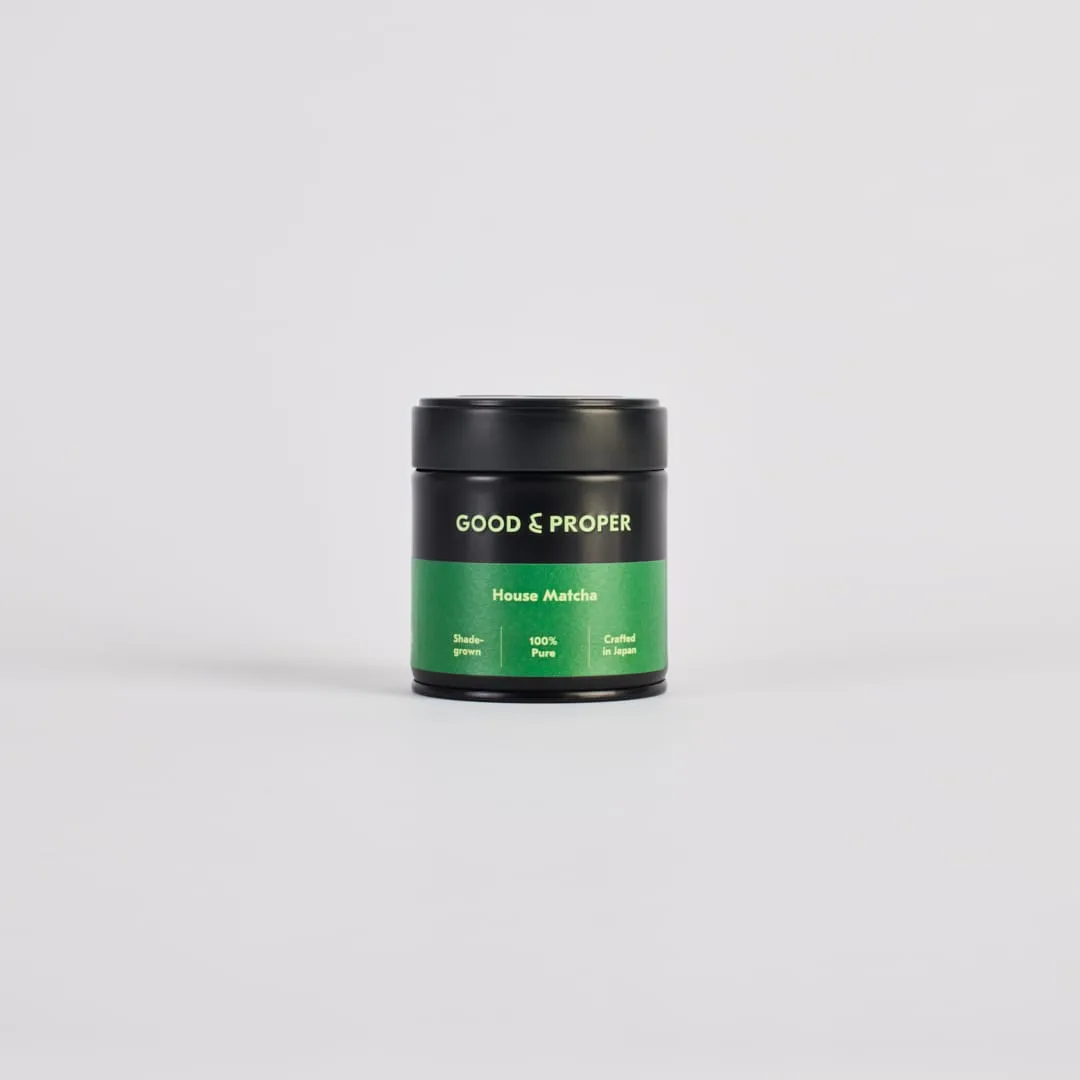
House Matcha
What Are Antioxidants and Why Do They Matter?
Antioxidants are compounds that help neutralize free radicals—unstable molecules that can damage cells and contribute to aging and chronic diseases. Both white and green teas are rich in polyphenols, particularly catechins, which are powerful antioxidants. The most abundant catechin in tea is epigallocatechin gallate (EGCG), known for its anti-inflammatory and metabolism-boosting properties.
The antioxidant content of tea depends on several factors: the tea plant variety, growing conditions, harvest time, and most importantly, how the leaves are processed. White tea undergoes minimal processing—simply withered and dried—which preserves many of its natural compounds. Green tea is steamed or pan-fired to prevent oxidation, locking in a different profile of antioxidants. This processing difference is the key to understanding which tea might offer more antioxidant power.
- Tip: For maximum antioxidant intake, brew your tea with fresh, filtered water just below boiling (around 175°F/80°C) and steep for 2-3 minutes.
White Tea: The Delicate Powerhouse
White tea is made from the youngest leaves and buds of the Camellia sinensis plant, which are harvested before they fully open. These buds are covered in fine white hairs, giving the tea its name. Because it undergoes minimal oxidation and processing, white tea retains a high concentration of catechins—some studies suggest it may contain even more antioxidants than green tea on a per-cup basis.
The flavor of white tea is subtle, floral, and slightly sweet, with a pale golden liquor. It’s an excellent choice for those who prefer a lighter, less astringent brew. At Good & Proper Tea, we offer a selection of premium white teas that showcase these delicate characteristics. For a caffeine-free herbal option with its own antioxidant benefits, try our Lemon Verbena - Loose Leaf, which pairs beautifully with white tea for a refreshing iced blend.
- Did you know? White tea has the lowest caffeine content among traditional teas, making it a great choice for evening sipping.
Green Tea: The Antioxidant Champion
Green tea is renowned worldwide for its health benefits, thanks to its high levels of EGCG and other catechins. The steaming or pan-firing process used to produce green tea deactivates the enzymes that cause oxidation, preserving the vibrant green color and fresh, grassy flavor. This processing also ensures that the catechins remain bioavailable, meaning your body can absorb them efficiently.
Green tea offers a more robust flavor profile than white tea, ranging from vegetal and nutty to slightly sweet, depending on the variety. It’s a versatile tea that can be enjoyed hot or cold. For those who love the convenience of tea bags without sacrificing quality, our Favourites Collection - Tea Bags includes classic green tea blends that deliver consistent antioxidant benefits. And if you’re looking for a concentrated source of antioxidants, matcha—a powdered green tea—is unmatched. Our House Matcha is crafted for a smooth, creamy latte or a traditional whisked cup, providing a potent dose of EGCG with every sip.
- Tip: Add a squeeze of lemon to your green tea—vitamin C can help stabilize catechins and enhance absorption.
White Tea vs. Green Tea: Head-to-Head Antioxidant Comparison
So, which tea wins the antioxidant battle? The answer isn’t straightforward. Several studies have measured the total polyphenol content of white and green teas, with mixed results. Some research indicates that white tea has a slightly higher concentration of certain catechins because it’s less processed. However, green tea often contains more EGCG due to the specific processing methods used.
A 2015 study published in the Journal of Food Science found that both white and green teas had comparable antioxidant capacities, but white tea showed higher levels of certain flavonoids. Another study noted that the antioxidant activity of green tea can vary widely depending on the region and harvest. Ultimately, the difference is small, and both teas are excellent sources of antioxidants. The best choice depends on your flavor preference and how you plan to enjoy your tea.
- For a quick reference: White tea tends to be milder and lower in caffeine; green tea is more astringent and higher in EGCG.
How to Incorporate Both Teas Into Your Wellness Routine
Why choose one when you can enjoy both? Variety is not only the spice of life but also a smart strategy for maximizing your antioxidant intake. Start your morning with a cup of green tea for a gentle energy boost and a potent dose of EGCG. Our House Matcha is perfect for a morning ritual—whisk it into a latte or enjoy it straight for sustained focus. Later in the day, switch to a white tea for a calming, low-caffeine option that still delivers antioxidants.
You can also experiment with cold brewing to extract even more antioxidants while reducing bitterness. Use a Hario Cold Brew Tea Bottle to steep white or green tea leaves overnight in the fridge for a smooth, refreshing iced tea. This method is especially gentle on delicate white teas, preserving their subtle flavors and nutrient profile.
- Try this: Brew a batch of white tea and green tea separately, then mix them half-and-half for a unique blend that combines the best of both worlds.
Whether you prefer the delicate elegance of white tea or the bold vitality of green tea, both are outstanding choices for boosting your antioxidant intake. The key is to choose high-quality, whole-leaf teas that retain their natural goodness. At Good & Proper Tea, we’re passionate about sourcing teas that are as delicious as they are beneficial. Explore our collection, including the versatile Favourites Collection - Tea Bags, to find your perfect daily brew and start sipping your way to better health.